
Album of the Year Time, 2025

Wren, whose Black Rain Falls, released in Feb, was a very early contender. In the end, though, the AOTY run off came down to Agriculture’s Spiritual Sound v Conjurer’s Unself.
This view might not be widely shared, but for me 2024 was one of the best years in the history of metal. A ridiculous number of albums that seemed to expand the possibilities of subgenres, particularly in death metal. By December it felt like there were dozens of albums competing for album of the year.
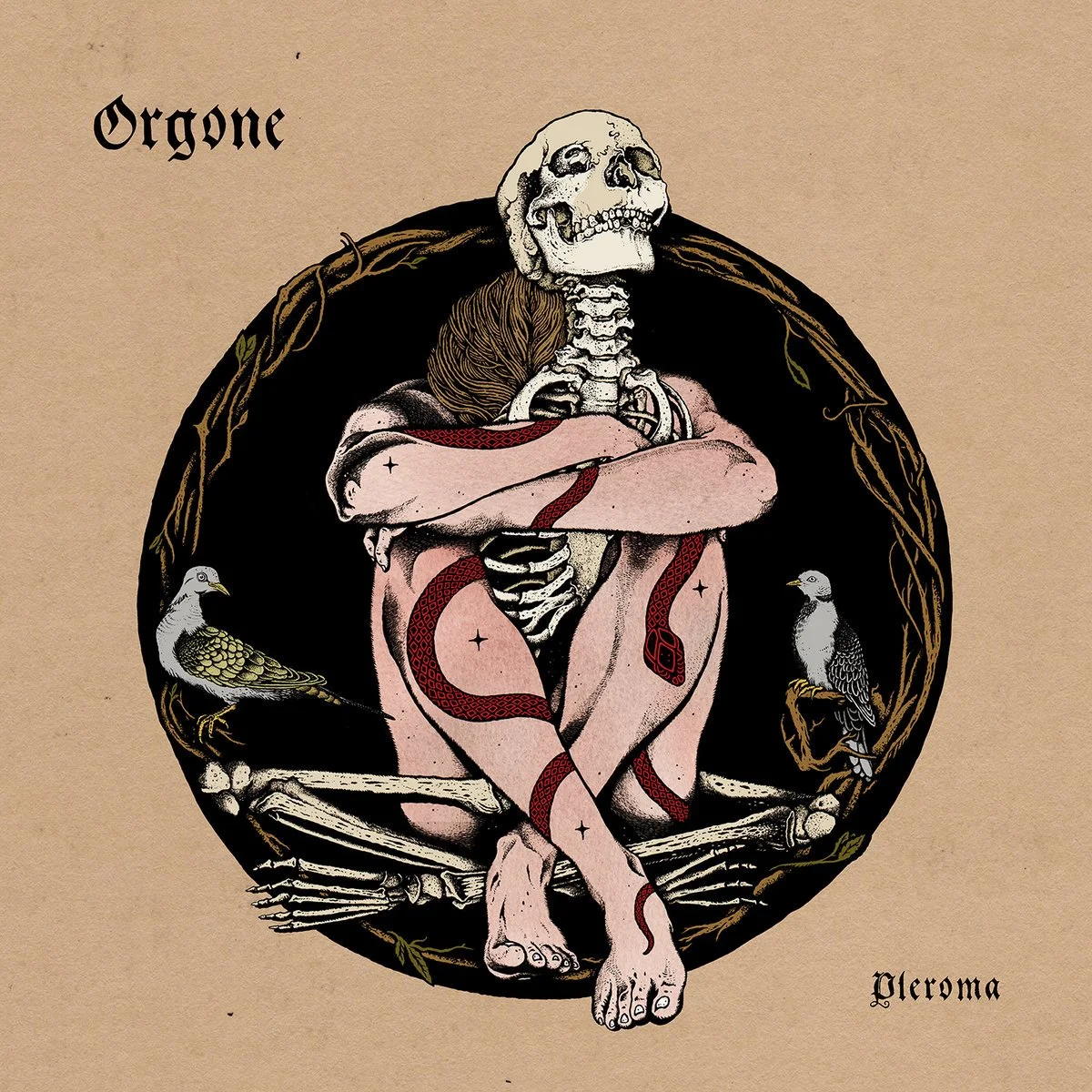
Of these, Orgone’s Pleroma was the one I spent most hours listening to: stunning instrumental writing and vocals, philosophical depth in several languages, technically jaw-dropping Gorguts-style guitar, and a masterful sense of how to turn ugly building blocks into something beautiful. A proper masterpiece.
Ulcerate’s Cutting the Throat of God was next - another of my favourite albums of all time, further enriching the emotional heft and technical flair of Stare into Death and Be Still – just, this time, with a touch more accessibility and improved production.
If Ulcerate are blackened-death, then Selbst’s Despondency Chord Progressions was stylistically similar yet with a foot more firmly in black metal – stunning fretwork , philosophical depth, and songwriting to drag your emotions through the wringer.
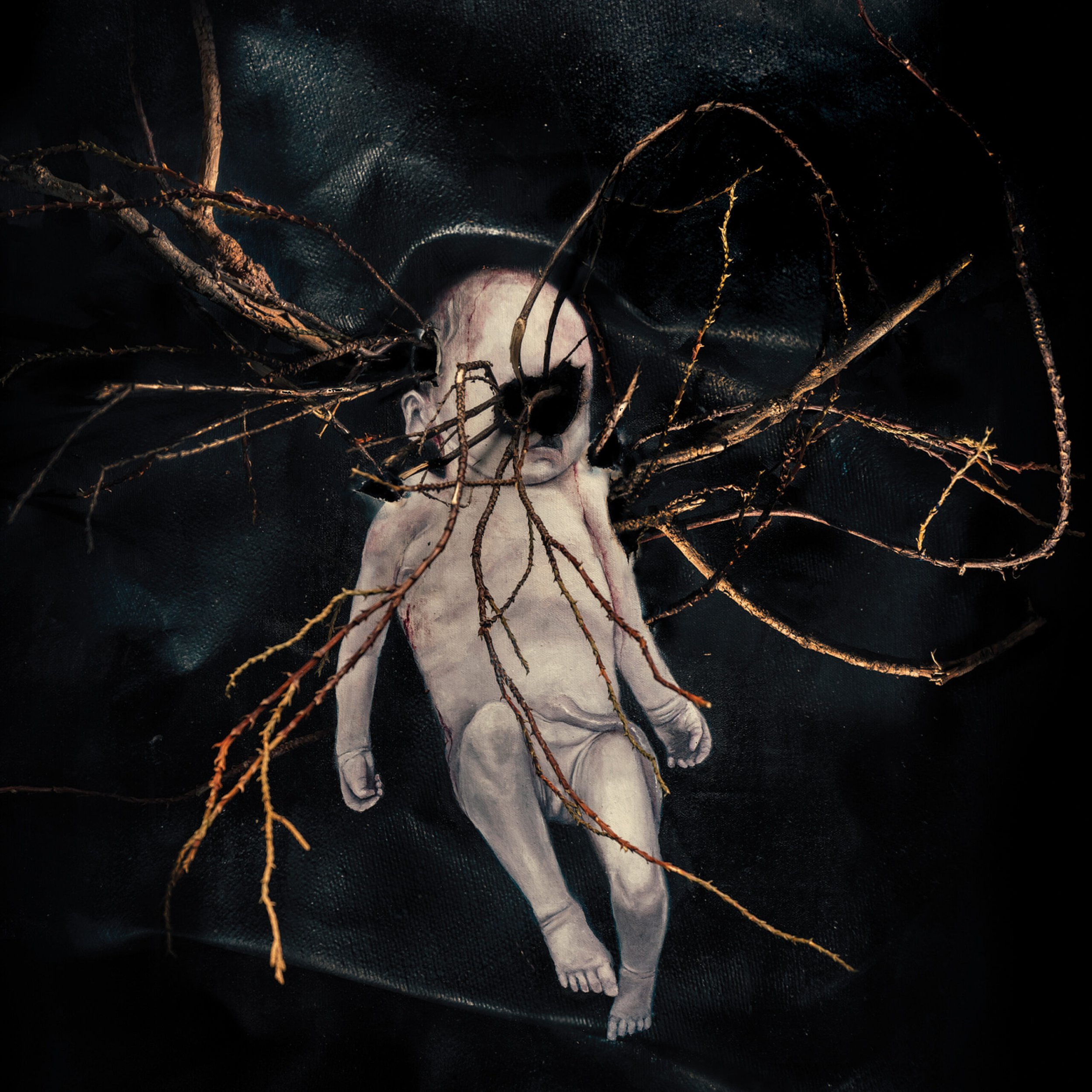
From Eye Eater to Vitriol, via Civerous, Laceration, and Ashen Tomb, there was a seemingly endless list of intricate but still brutally heavy death metal. And the underground brought the goods too, with gnarly, nasty magic like Unearthly Rites’ Ecdysis. One thing that convinces me of the brilliance of 2024 is the fact that I don’t think there’s a single year since the ‘80s in which an album of the undeniable quality of Blood Incantation’s Absolute Elsewhere wouldn’t have got near my top 10. This year, a personal highlight has been getting to shoot many of the bands who released my favourite metal of 2024 (here’s Ulcerate, Selbst, Heriot & Partholón - all four creators of bona fide 2024 classics):


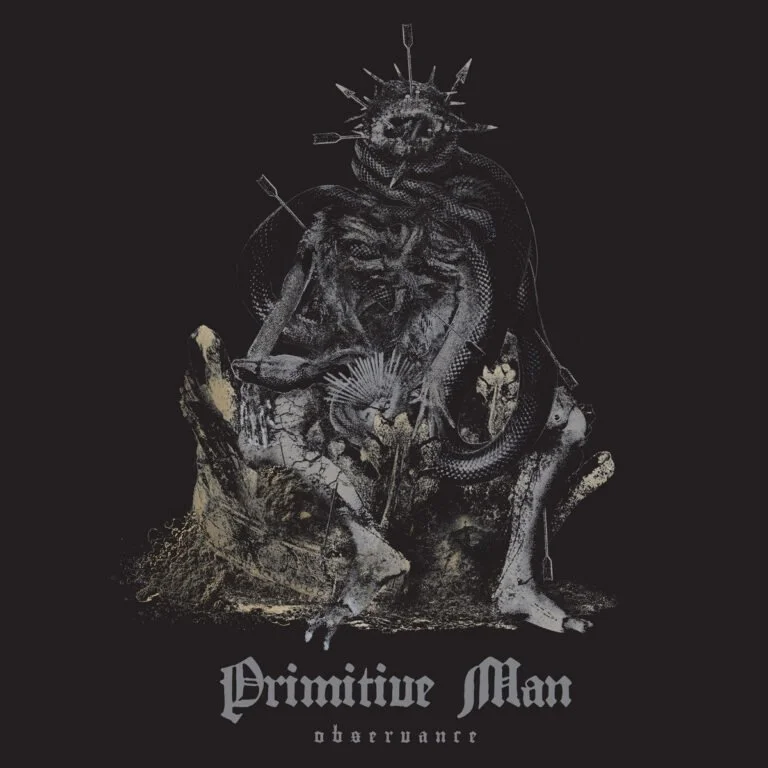
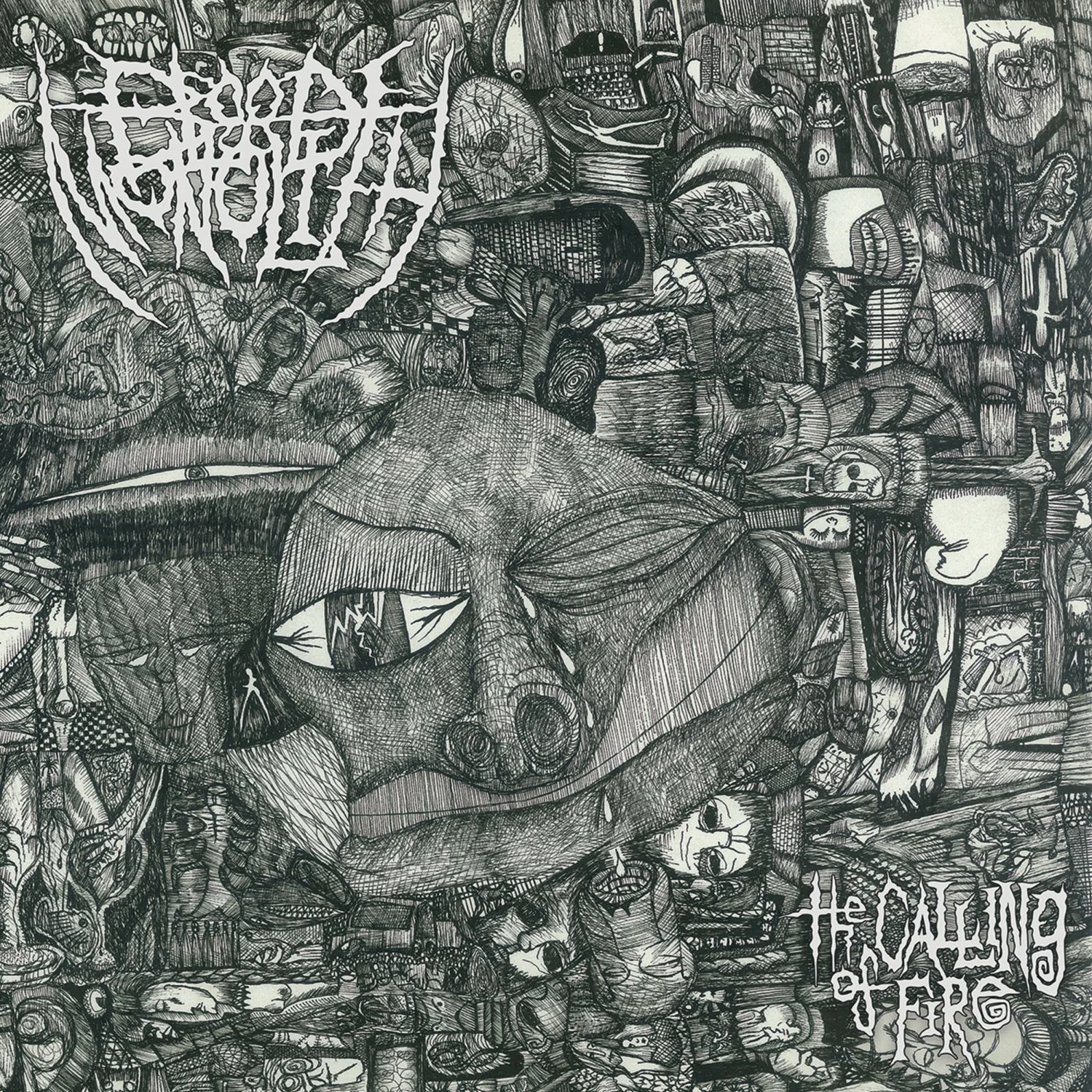
So 2025 had lots to live up to. In terms of death metal, the year hasn’t been as spectacular. The year’s best felt like strong 4/5 performances: Sanguisugabog upped their game, Corpus Offal’s debut rekindled some old-school magic, caverncore got a glow-up via the dense string arrangemements of Qrixkuor’s Womb of the World, and the label Profound Lore released a seemingly endless string of fantastic albums across the death/doom spectrum (my favourites were Primitive Man’s and Blood Monolith’s).
But the releases that really seemed to change the game for me this year were very different. Most bands mentioned above were doing meaningful things in abstract ways – purposeful but not overtly political, powerful but not direct or explicit in tying their sadness, pain, or rage to specific things going on in the world.
It feels like something switched or snapped this year. The metal scene feels still angrier and more purposeful than last. If this hasn’t been a stand-out year for death metal, it has been incredible for music at the intersections of traditionally more politicised genres like metallic hardcore, noise, and sludge.
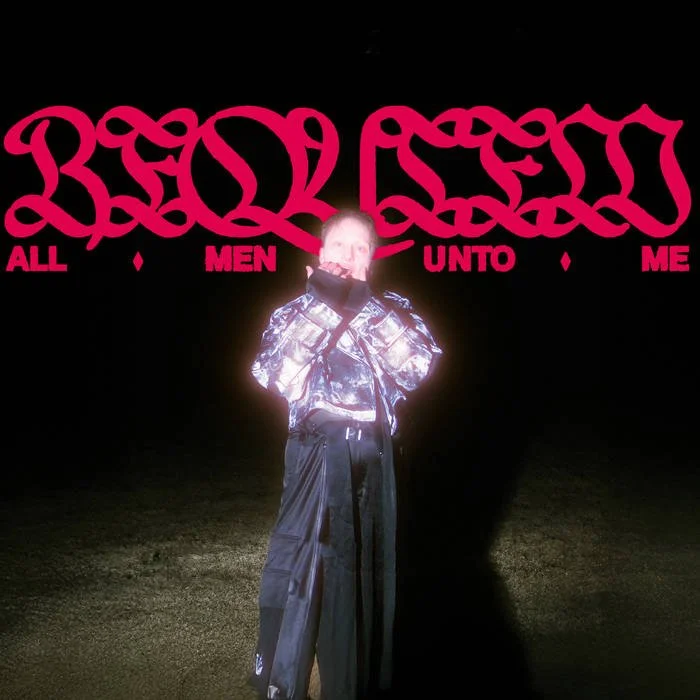
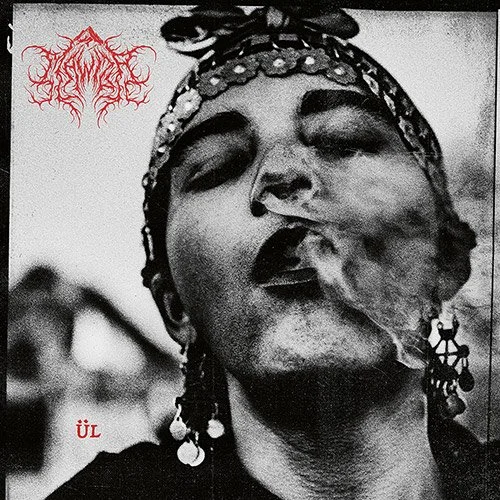
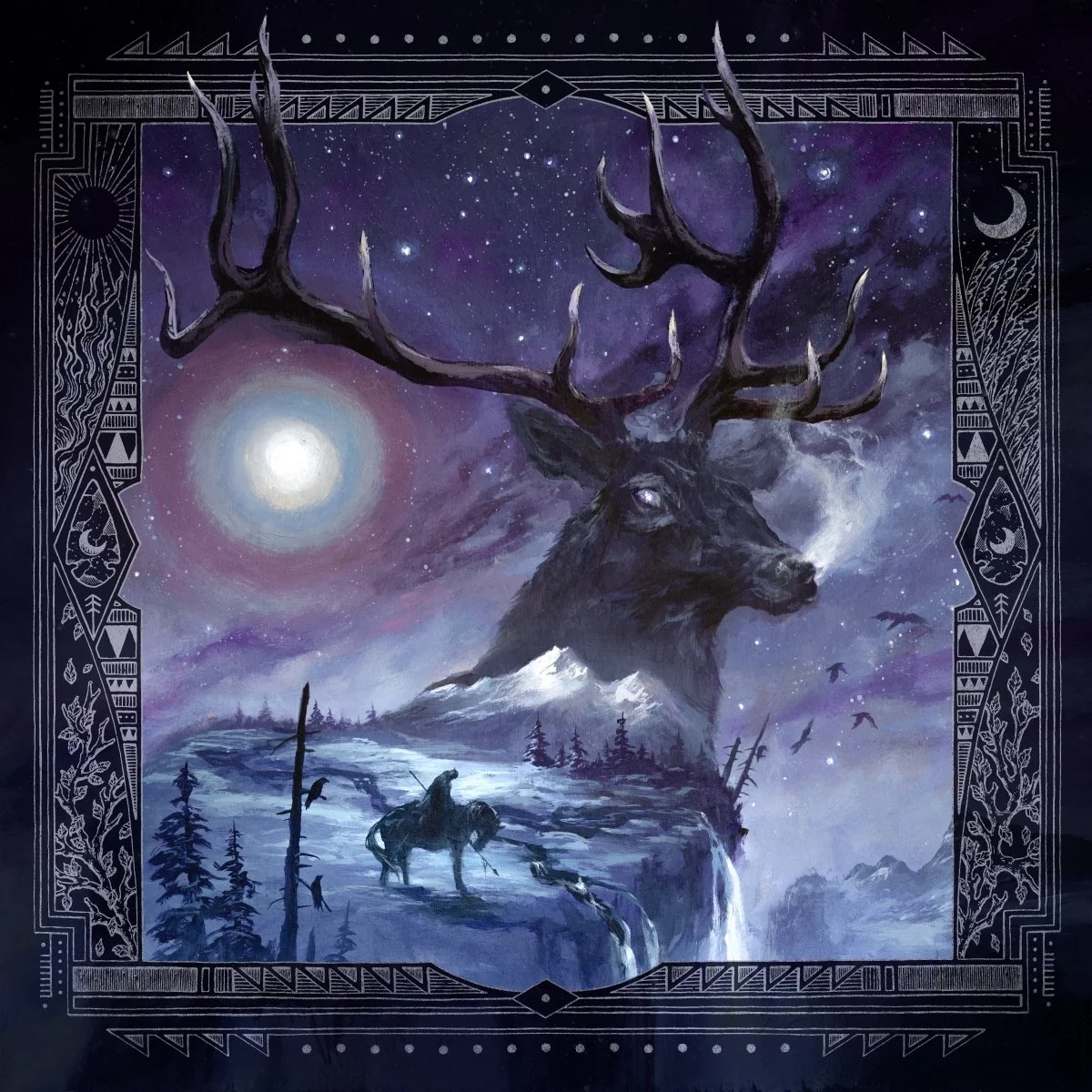
The first inkling that this would be a vintage year came in February with Wren’s Black Rain Falls – a direct and visceral response to personal tragedy that drags you into the band’s catharsis with staggering force: blunter but more immediate than any the 2024 highlights. Also in first half of the year, All Men Unto Me’s Requiem was a very different kind of metal/classical crossover than Pleroma but just as powerful and far more visceral in its emotional pull. Indigenous metal, long accounting for some of the most exciting scenes around, finally gathered some of the critical attention it deserves with bands like Mawiza and Blackbraid taking the world by storm.
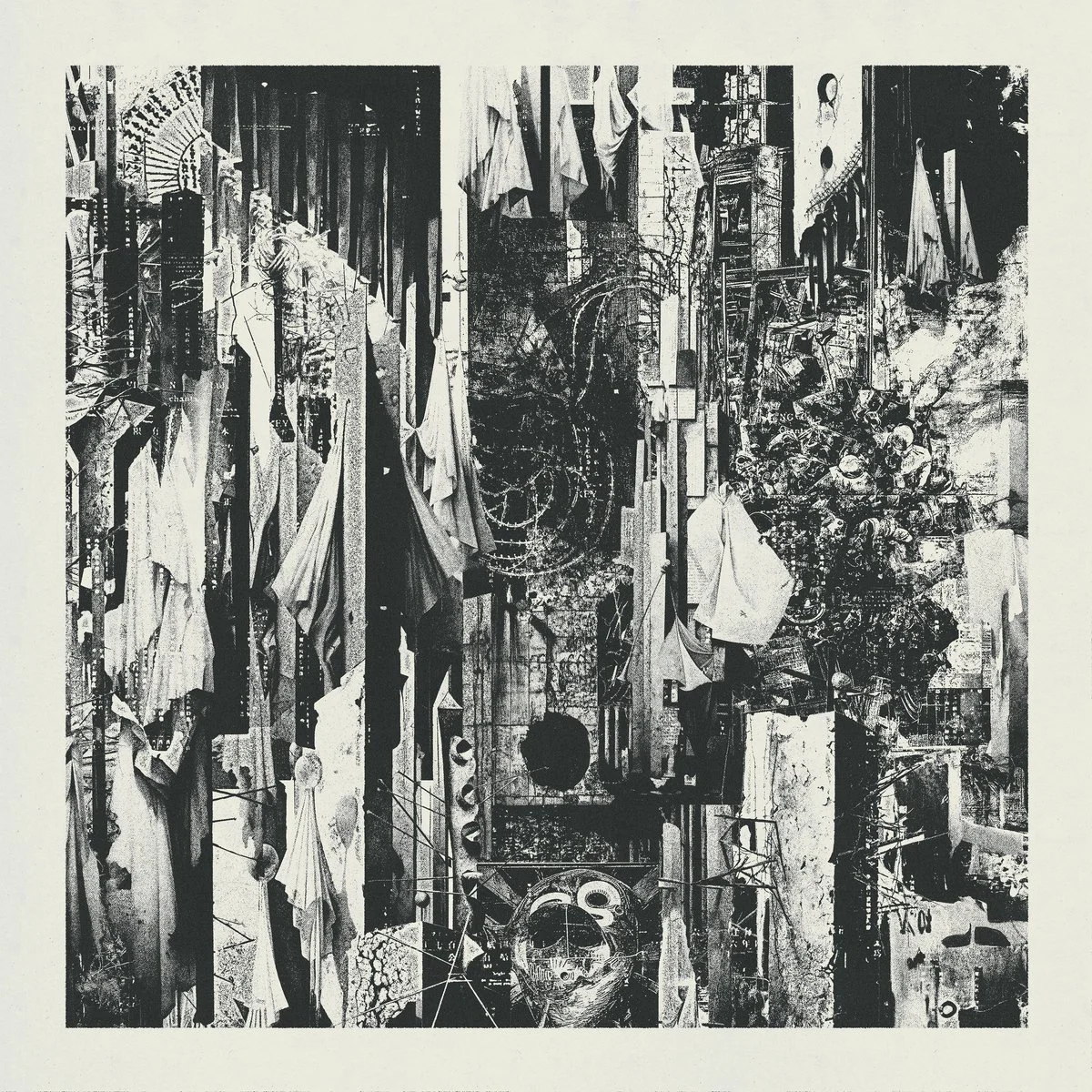
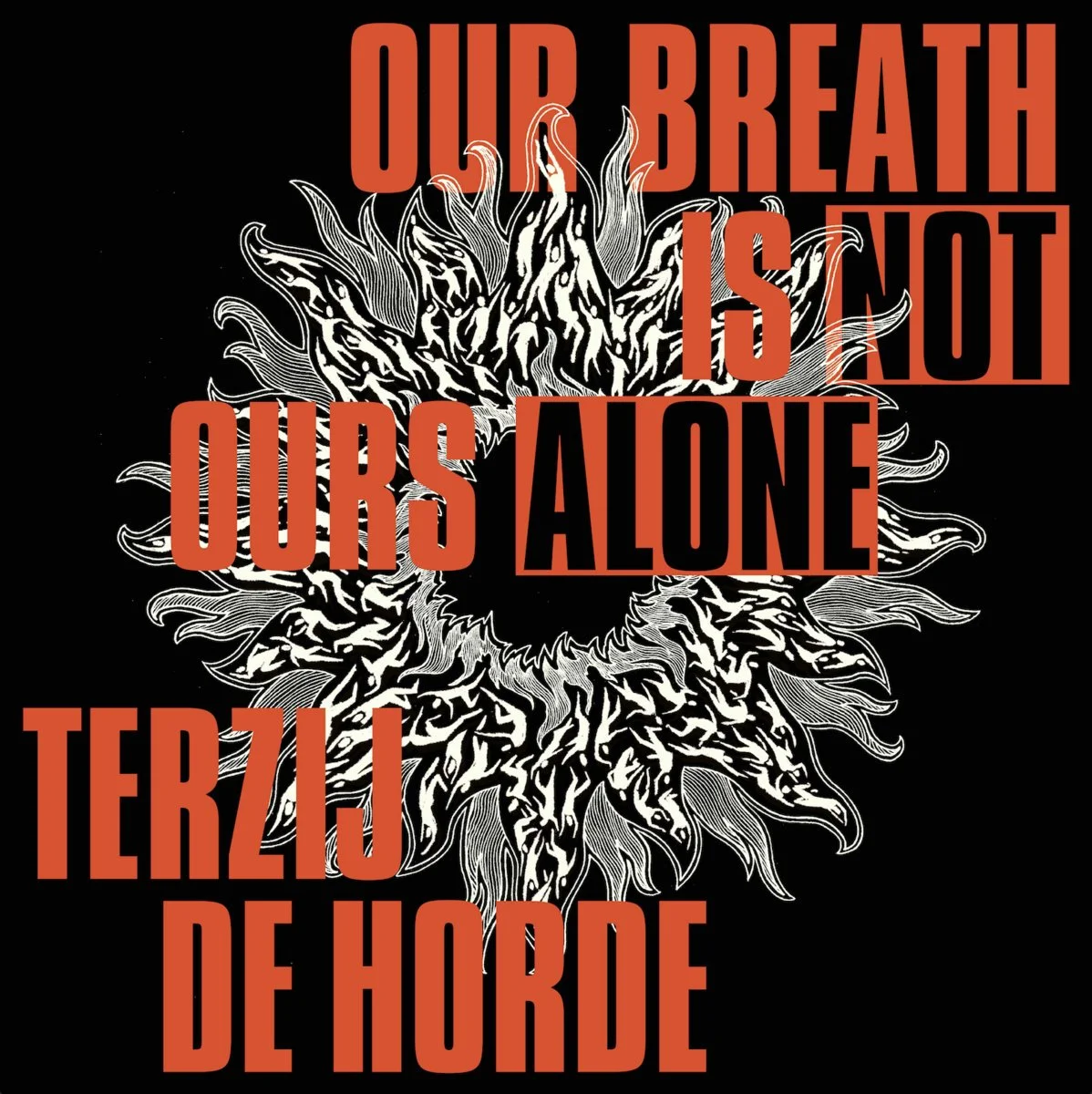
Among the albums that took the fight directly to the modern world’s most exploitative forces, Terzij de Horde’s Our Breath is Not Ours Alone was the pick of a spectacular bunch. It injected black metal with a massive dose of hardcore sensibilities – both in terms of the music and the album’s ferocious anti-capitalist thrust. Mixing the anti-establishment metaphysics of black metal with the anti-neoliberal politics of hardcore makes for something uniquely powerful.
The political turn is exemplified too by the number of previously pretty-much apolitical bands who released music this year that's packed with socio-political critique - even Rivers of Nihil unexpectedly made that move.
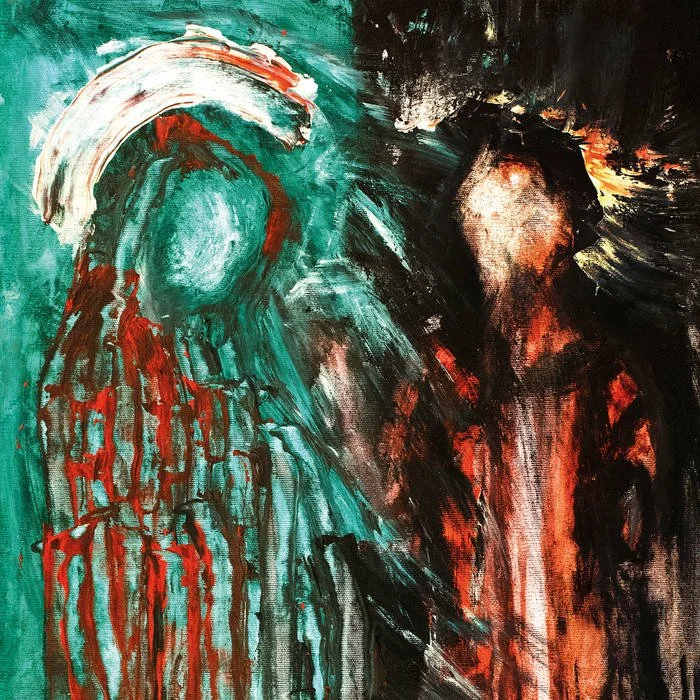
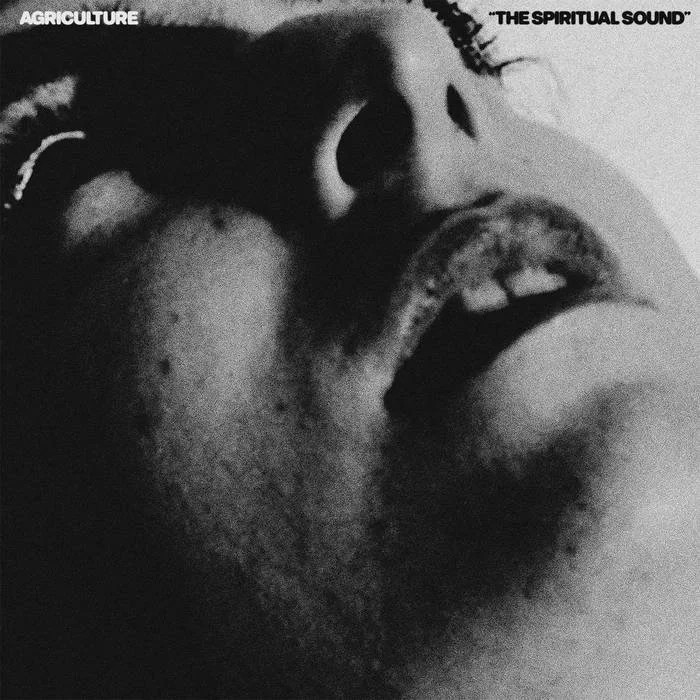
But for me, this year, just two albums are competing for AOTY. Both did what the death metal of 2024 did by blowing the doors off my sense of what heavy music can be and do. These are Conjurer’s Unself and Agriculture’s The Spiritual Sound. Neither is easily categorised because both draw on a vast range of influences to produce something intricate and unfathomably deep that still feels raw and improbably spontaneous. These are albums that need to be listened to dozens of times precisely because their extraordinary richness is hidden behind an illusion that their power is purely immediate. Both albums are, at least in part, about trans or nonbinary experience of living in an increasingly hostile world (a theme that this year appeared across all genres - Flummox’s Southern Progress is another excellent album but a stark stylistic contrast to Conjurer and Agriculture) .

I was fortunate enough to shoot and meet both these bands during the year too (here’s three of Agriculture, followed by one of Dani’s Conjurer as a guest with the fantastic Queercore band, Death Goals, and two more of Conjurer):
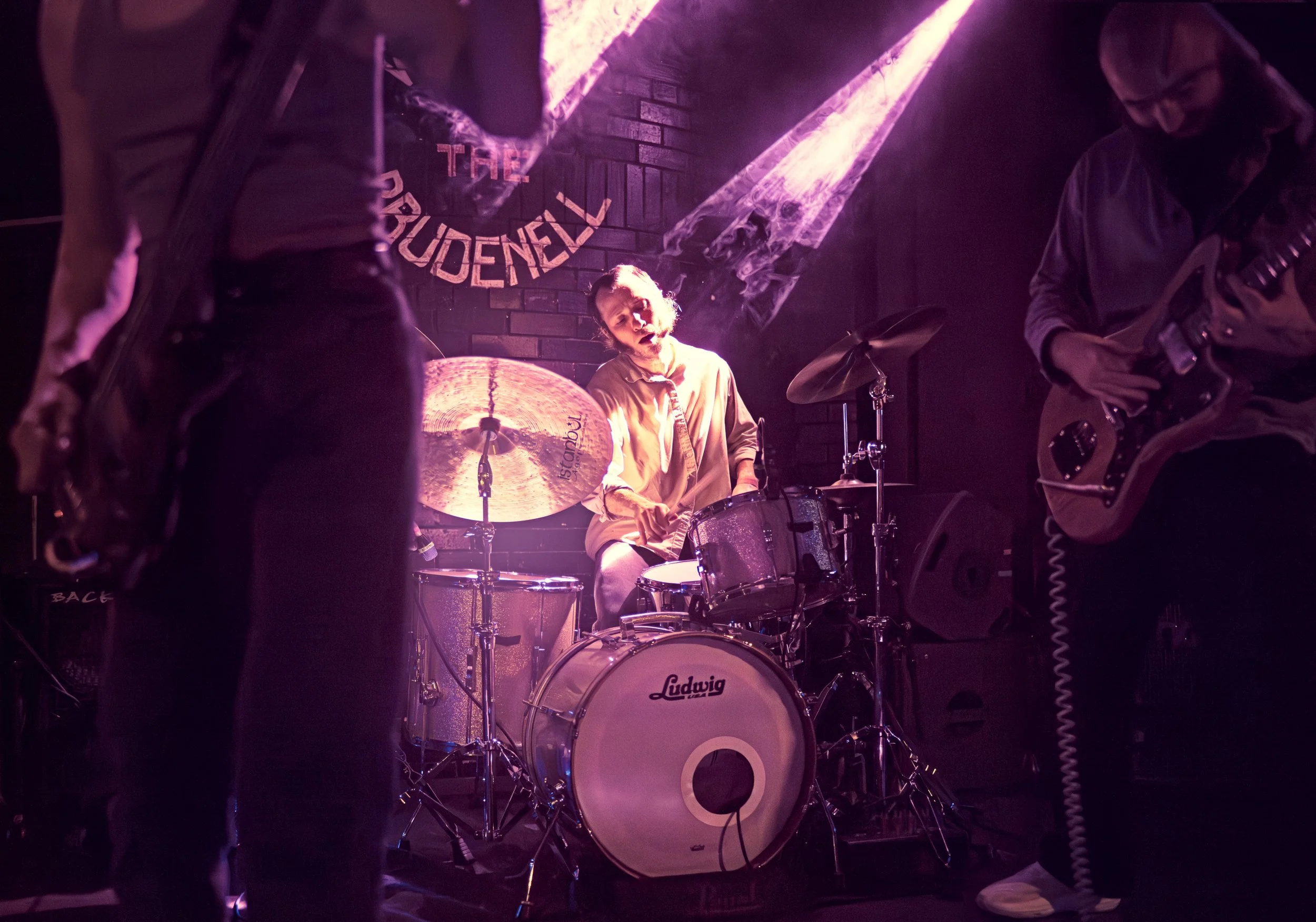
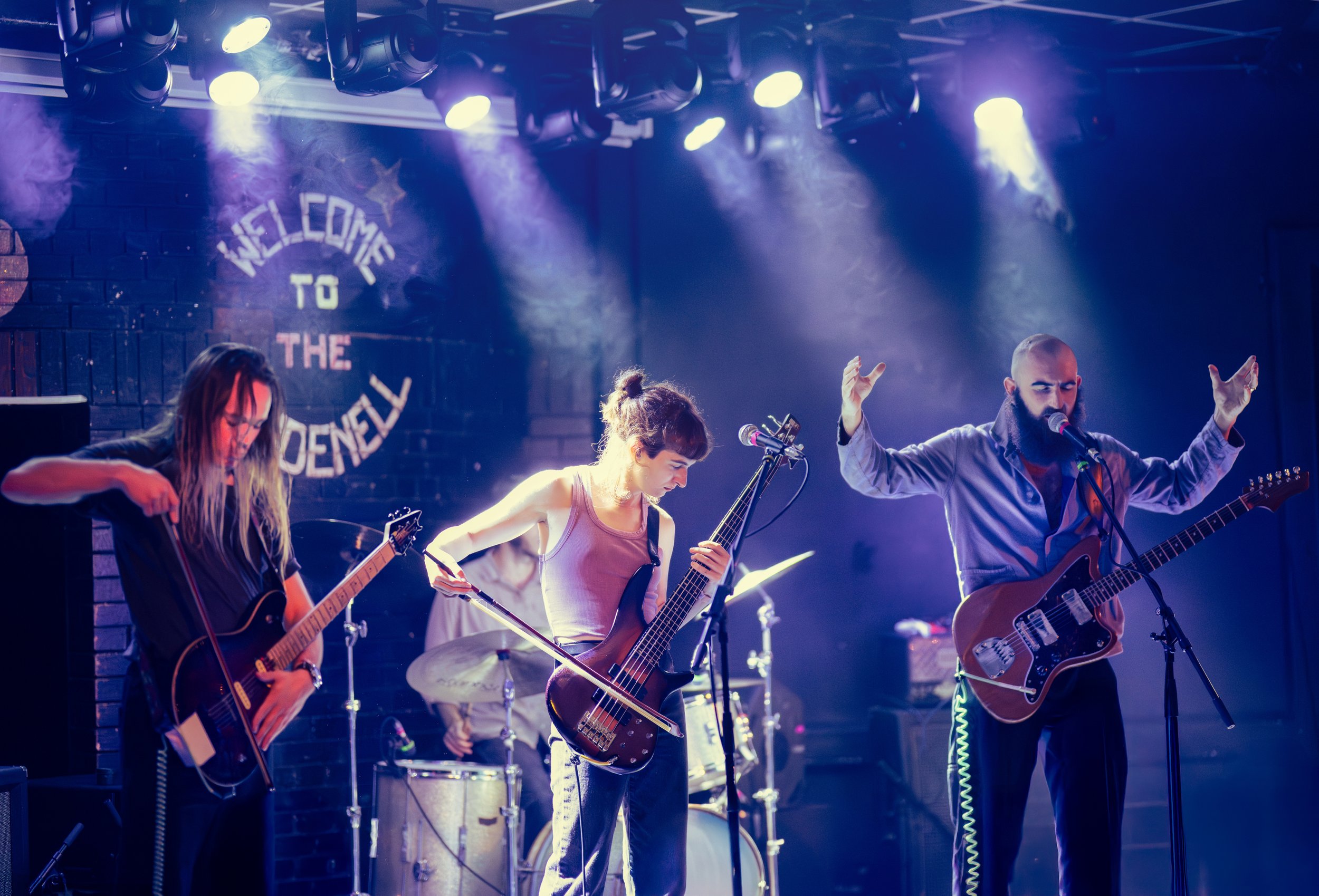
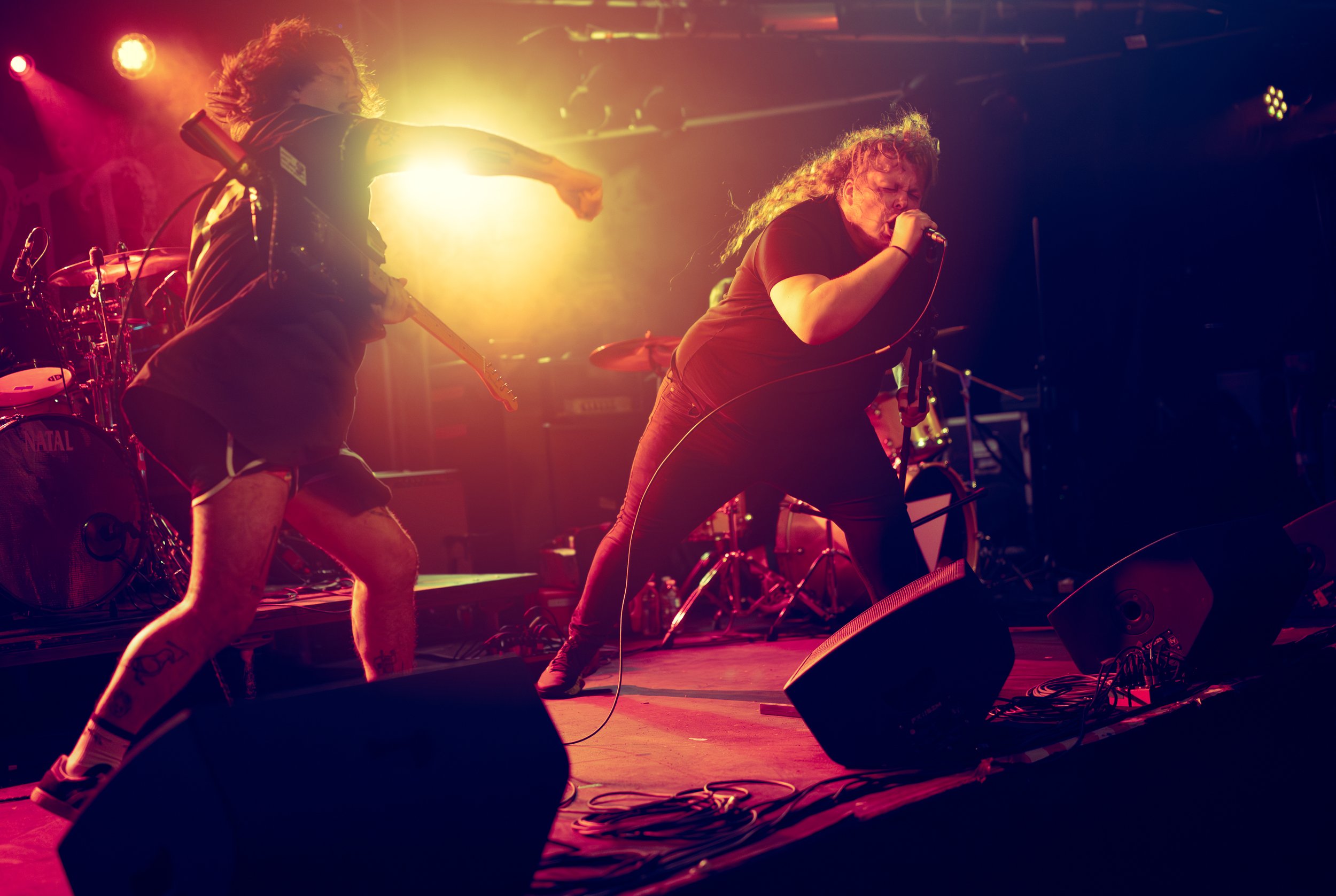
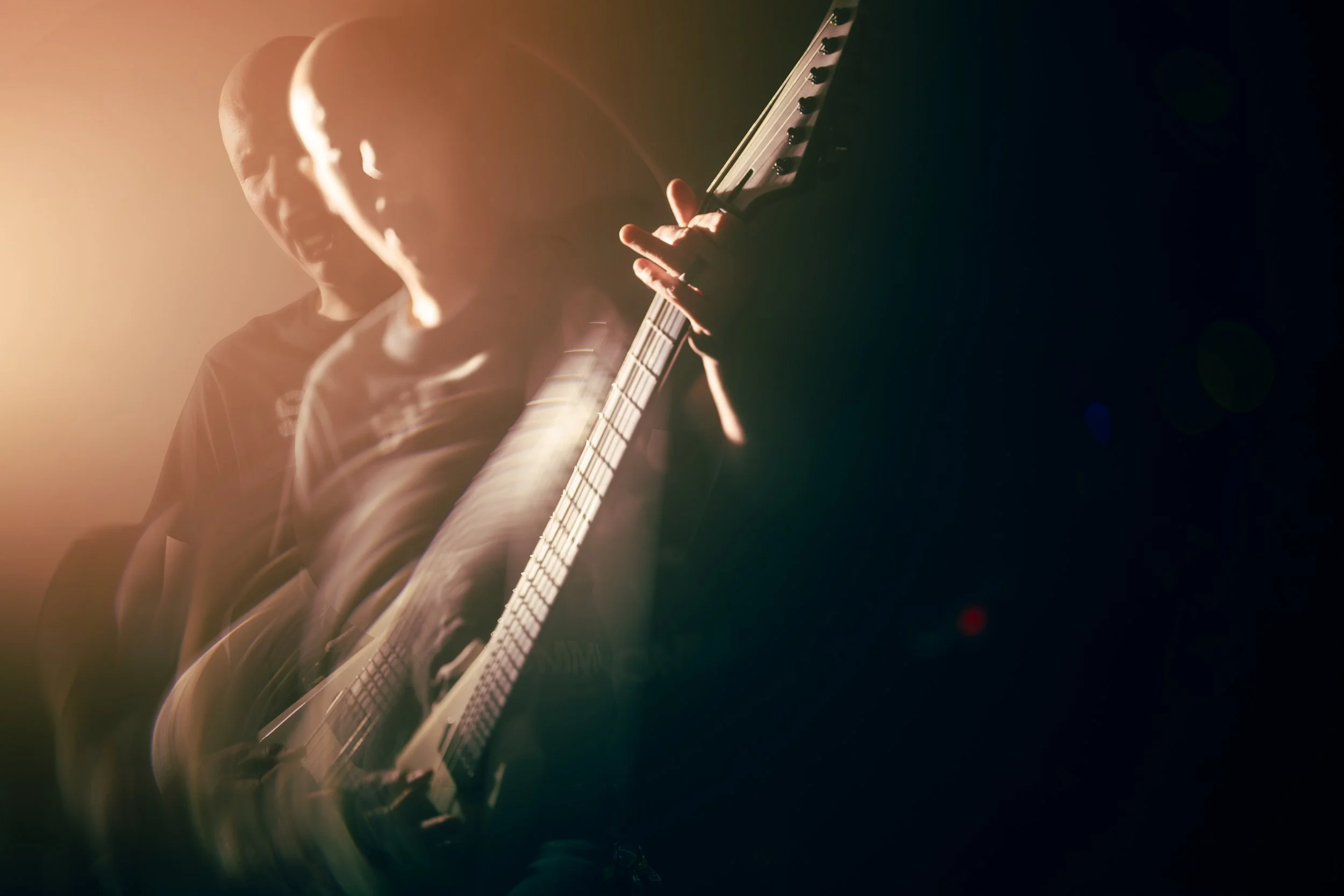
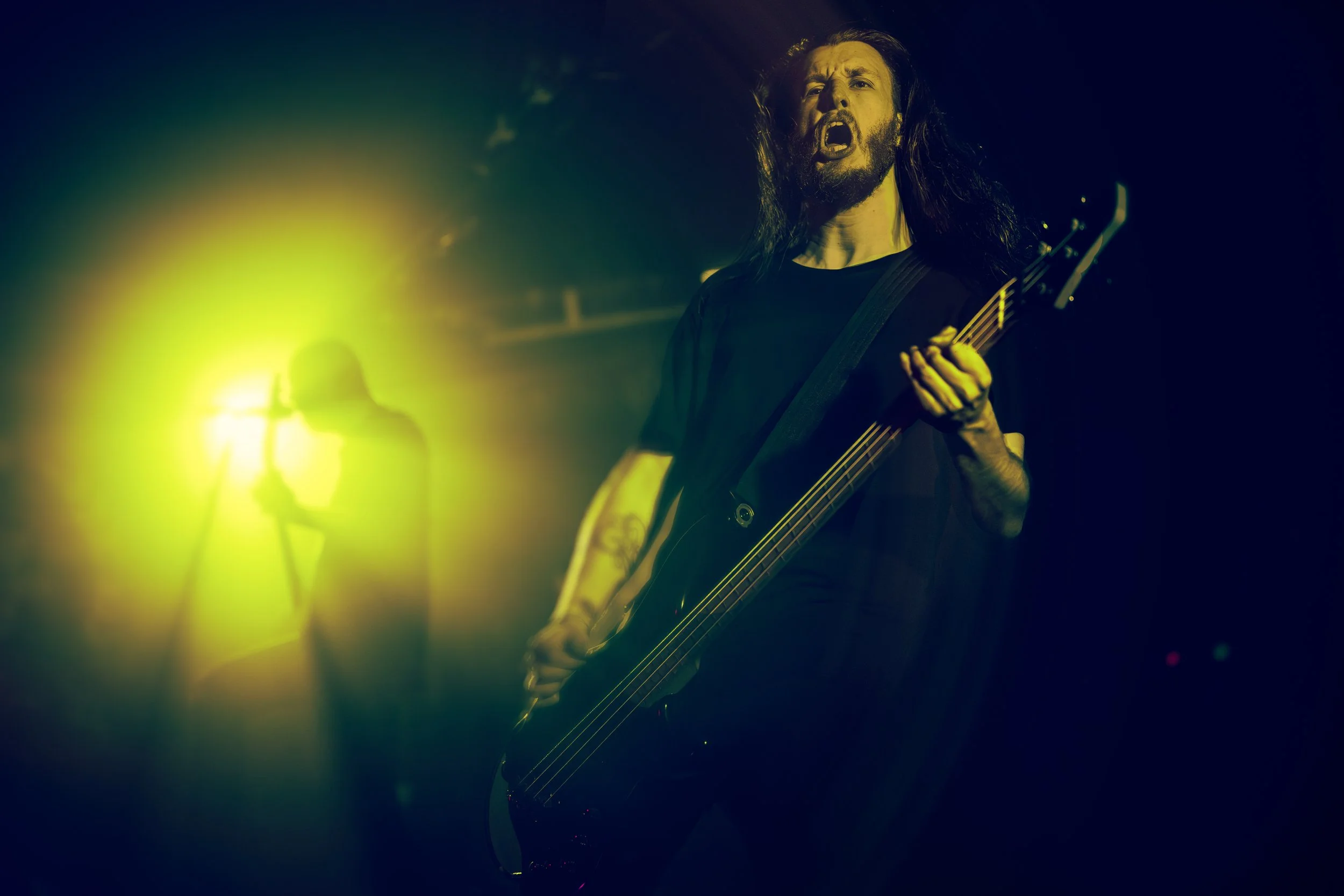
These last two years have obviously been unprecedentedly bleak for anyone who is a little bit different from the most mainstream visions of middle-or-the-road existence. It feels like metal, this year, has risen to the challenge of expressing the rage that provokes and also the cathartic joy that’s found in counter-cultural communities.
Live music where I live, in Birmingham UK, has been developing in that direction too. Scenes like Queercore have been growing for some time, but this has been a breakout year, with the first documentary on the scene, an excellent photographic survey and exhibition by Ryley Morton, and a sense of excitement that few scenes currently have. I’ve loved my chances to take the camera to Centrala where the scene is based:
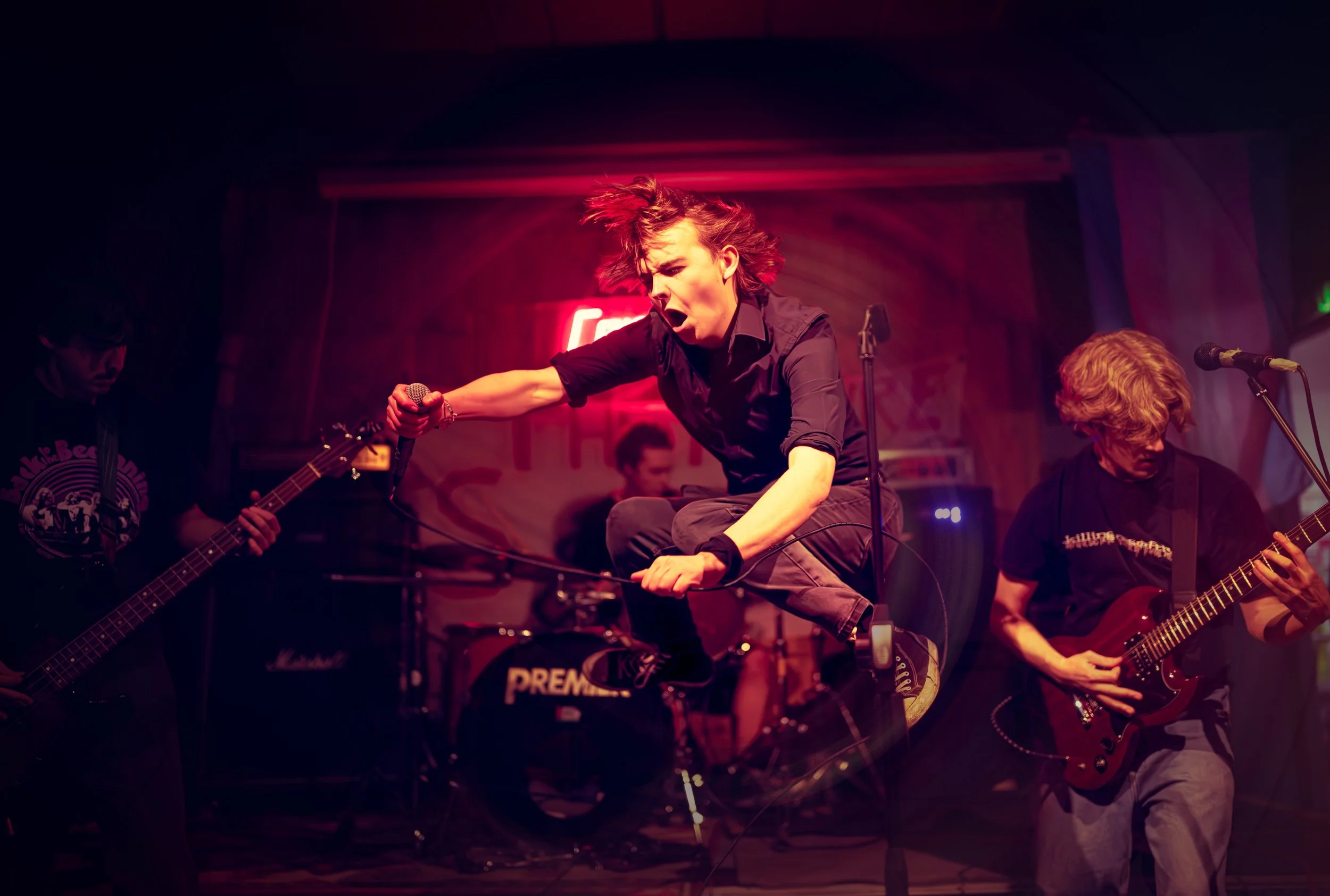
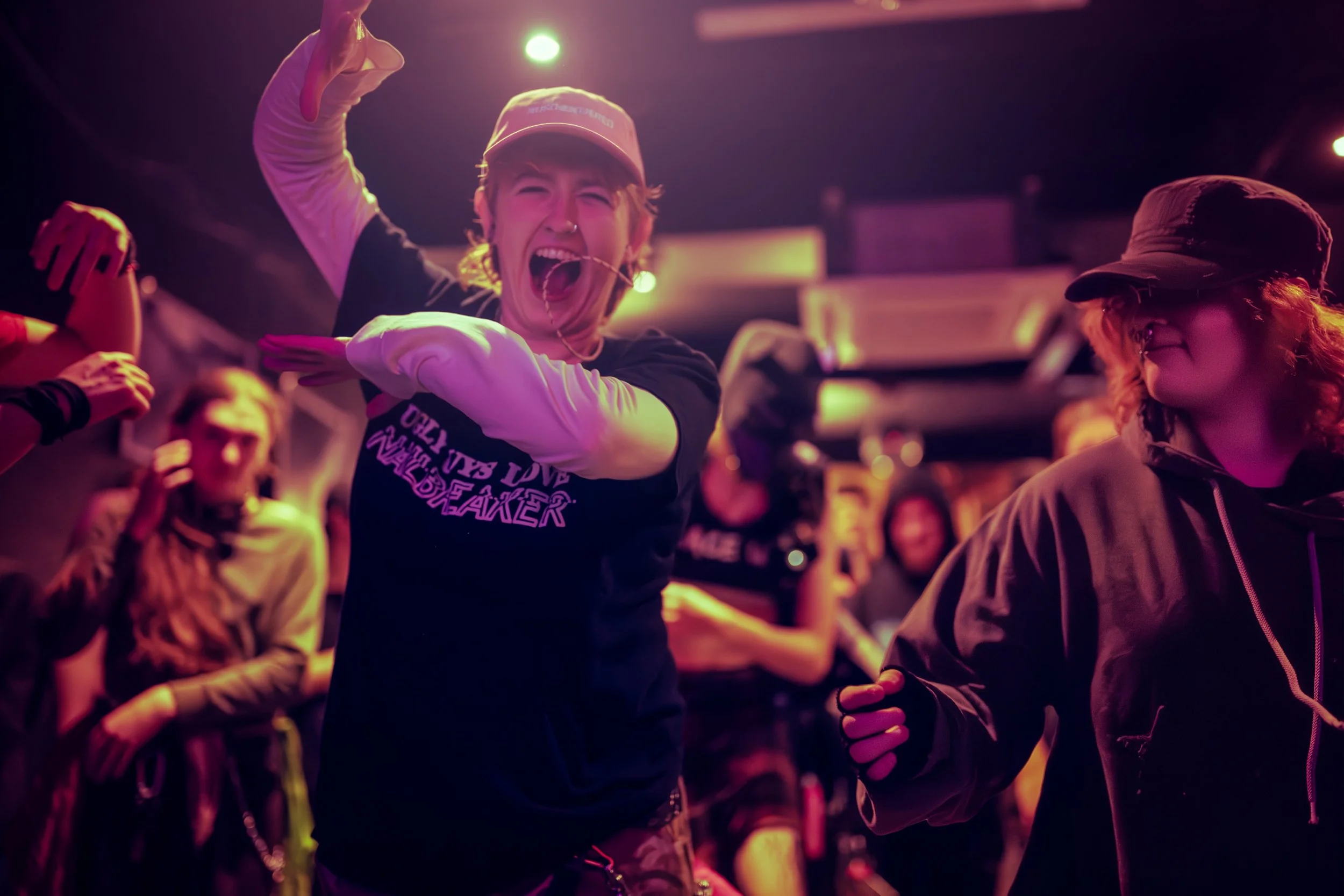
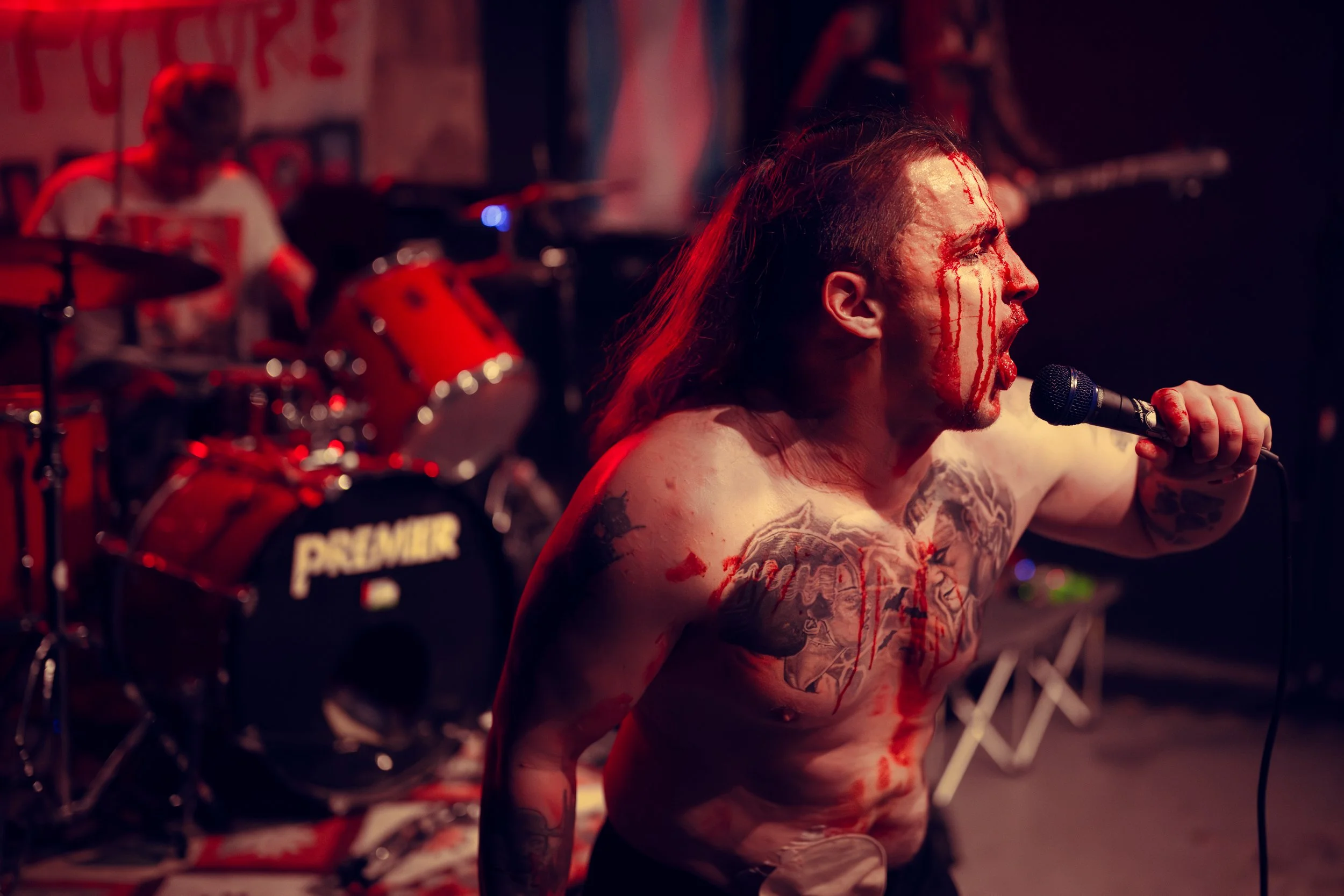
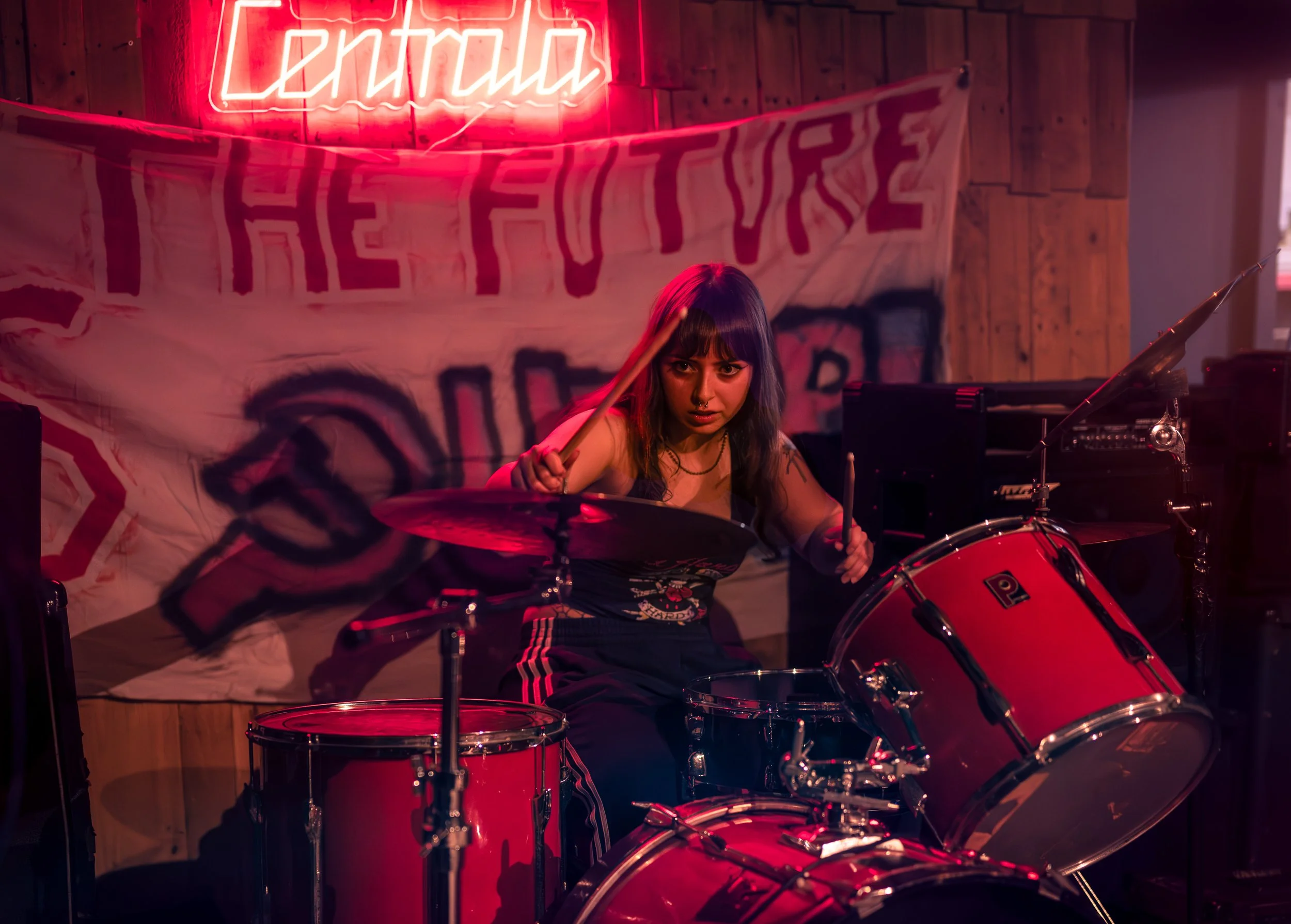
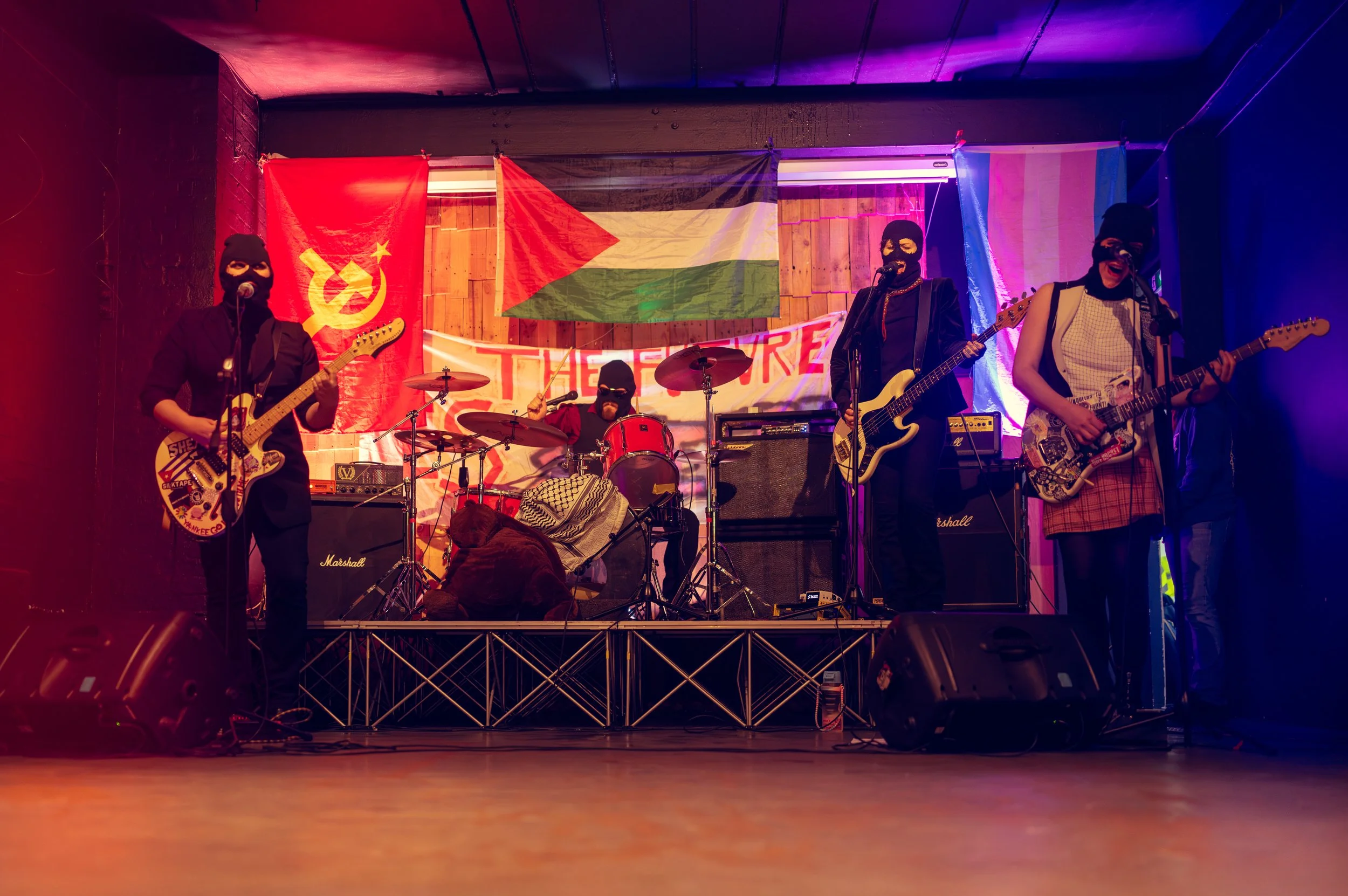
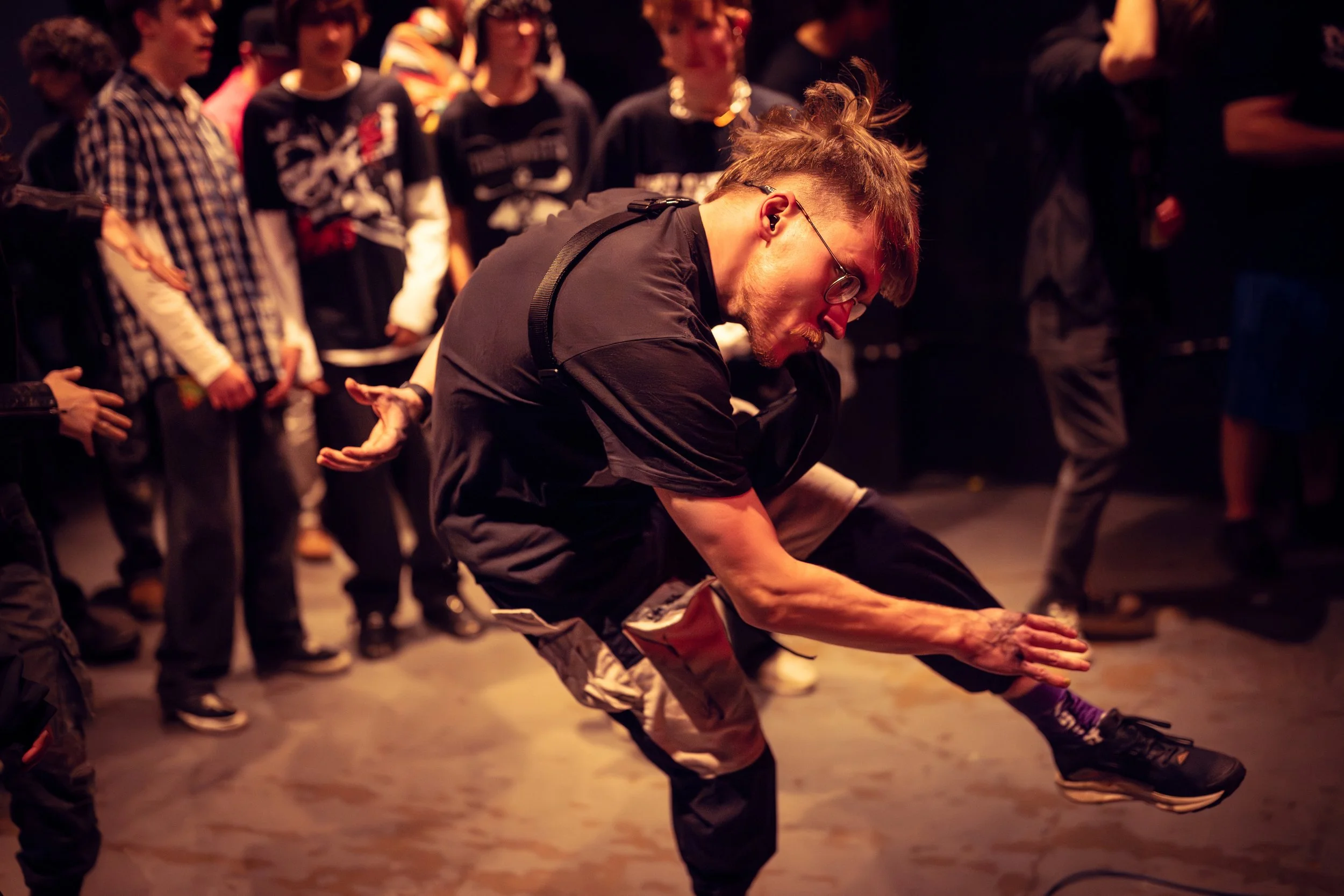
Is my sense that 2025 has been very different from 2024 just down to what I happen to have been listening to?
Or is this shift real?
I don’t know for sure, but I think it’s the latter – I think heavy music is rising to the challenge of our era of broken politics in ways that might not have been predicted a few years ago, and that make it a source of catharsis, or even a beacon of hope, in dark times.