Call of the Crow:
Yorkshire Magick for the Ages
Before you move on to Call of the Crow, just a small request. If you’ve ever been to Birmingham for metal, we’d love your views on how the city’s scene should be nurtured. This survey was commissioned by the council (who are mainly interested in Ozzy/Sabbath) but designed by me and the metal photographer Nat Sabbath (who are mainly interested in current grassroots metal). We’re hoping to use it to make sure investment in the city as a metal destination actually benefits the current scene rather than just commemorating the past. If you have a few minutes to tell us your experience, or to forward the link to any Midlands metalheads, we’d be really grateful. Here’s the link to the Birmingham Metal Survey. Every response counts for a lot (open till 29 Oct).
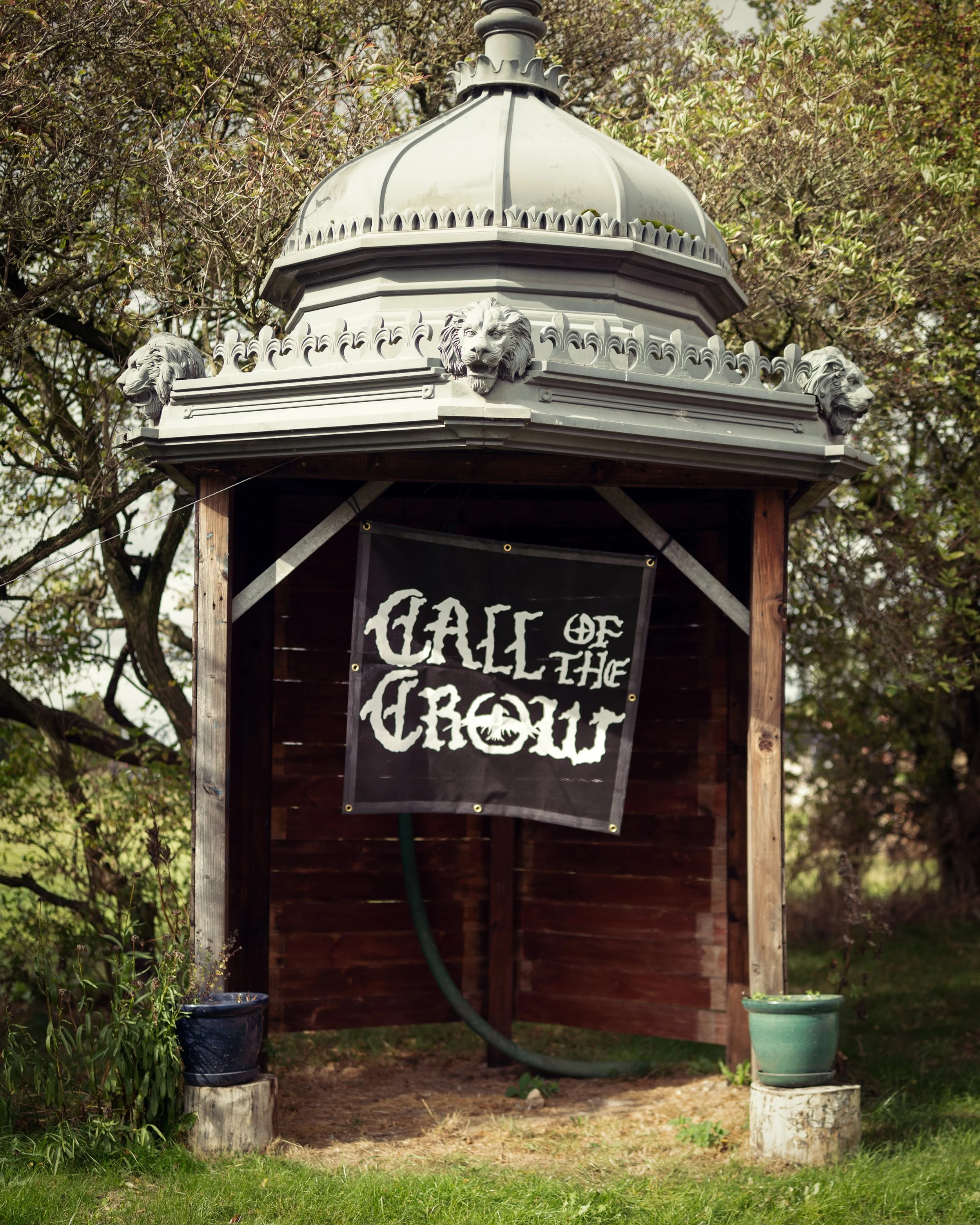
Some rare festivals seem to rise above everyday life because the combination of their music and their setting feels like it comes straight from stories of other times: Prophecy Fest, in a cave in Germany, Fire in the Mountain, in the hills of the Blackfeet Nation, or even Fortress, on the seafront of a gothic spa town. Call of the Crow is one of these festivals, and its otherworldly atmosphere comes from its setting in a historic barn, on a working farm, deep in the North Yorkshire countryside. Of all the festivals I’ve ever been to, I think this is the one where setting, music, and ethos align to the most dream-like effect - to be one of only 260 people able to get tickets is an unforgettable experience.
Pealie’s barn is on Cockleberry Farm a few miles beyond North Allerton, in a landscape riddled with Norse and Anglo-Saxon ruins. The neighbouring village, South Cowton, has its own weird histories: “there is a legend that the bones of St Cuthbert rested here when they were being rescued from the Danes in AD875 and it was a cow that led the monks to their final resting place.” The ties between the festival and the place are so strong that there were even metal songs played on Friday night about those monks’ grim task of carrying Cuthbert’s bones around the region.
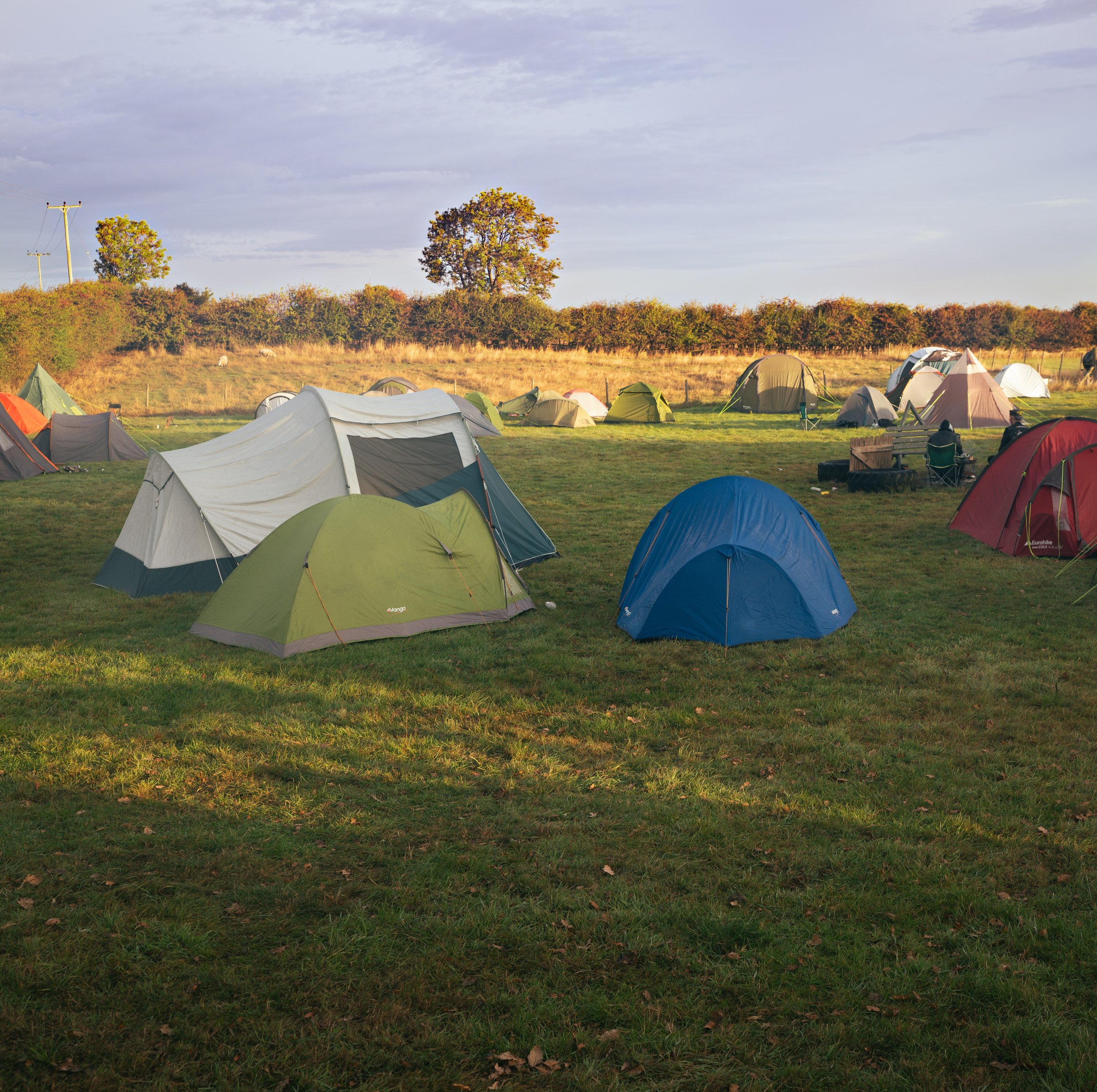
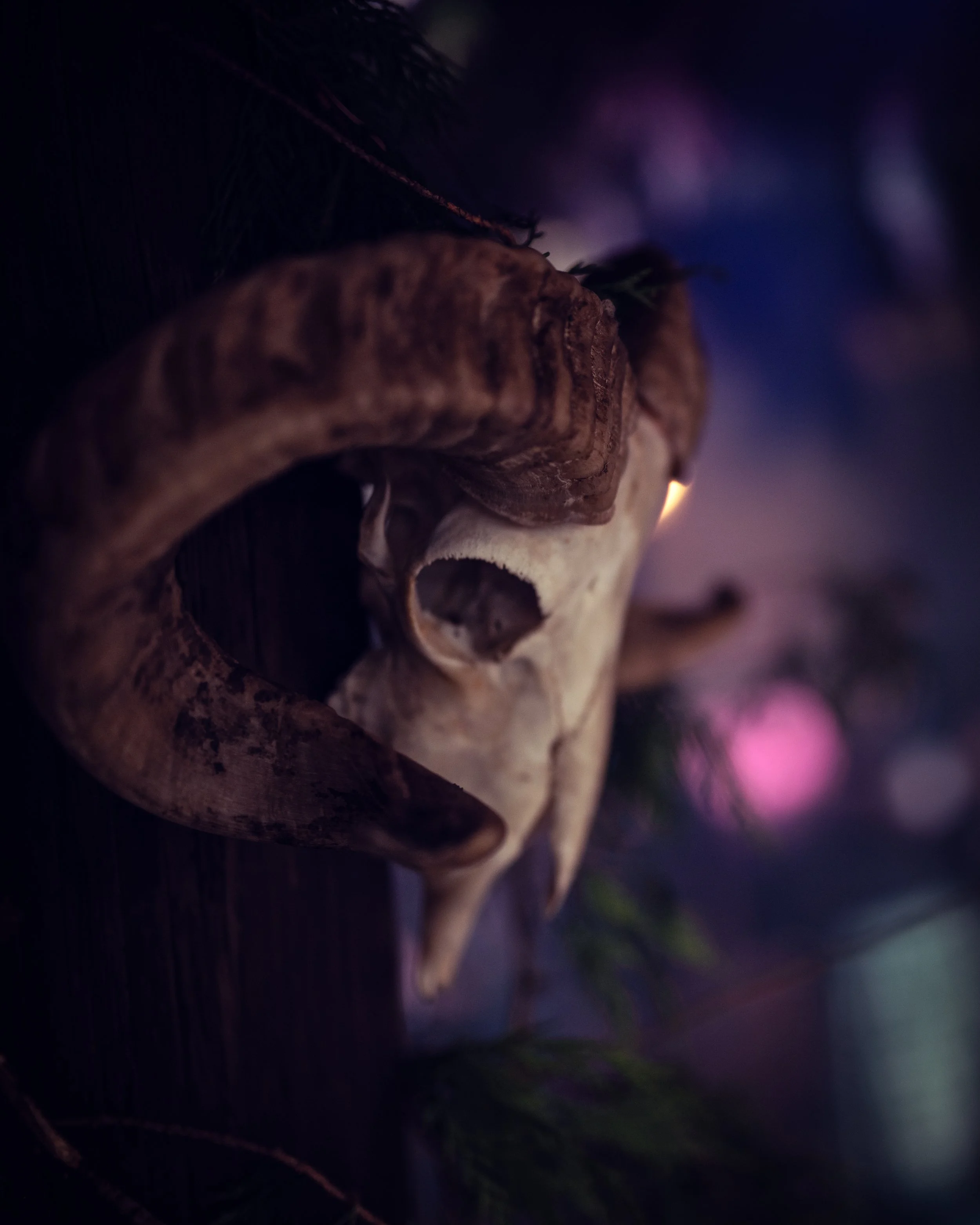
The festival complex itself is a centuries old site. The timber barn was built in the eighteenth century, and dressed for this event with rams’ skulls and fir trees that made it feel like a drinking hall out of Beowulf. The absence of barriers between bands and crowds made sure the illusion of another world wasn’t broken. And the neat group of meadows round the barn made for atmospherically rustic camping. Each night metalheads gathered round a large fire beneath starry skies, tending it till dawn, while owls hooted. The whole vibe felt like living in the opening minutes of Anthems to the Welkin at Dusk, and the festival site was a self-contained world in which everything outside seemed to fade away.
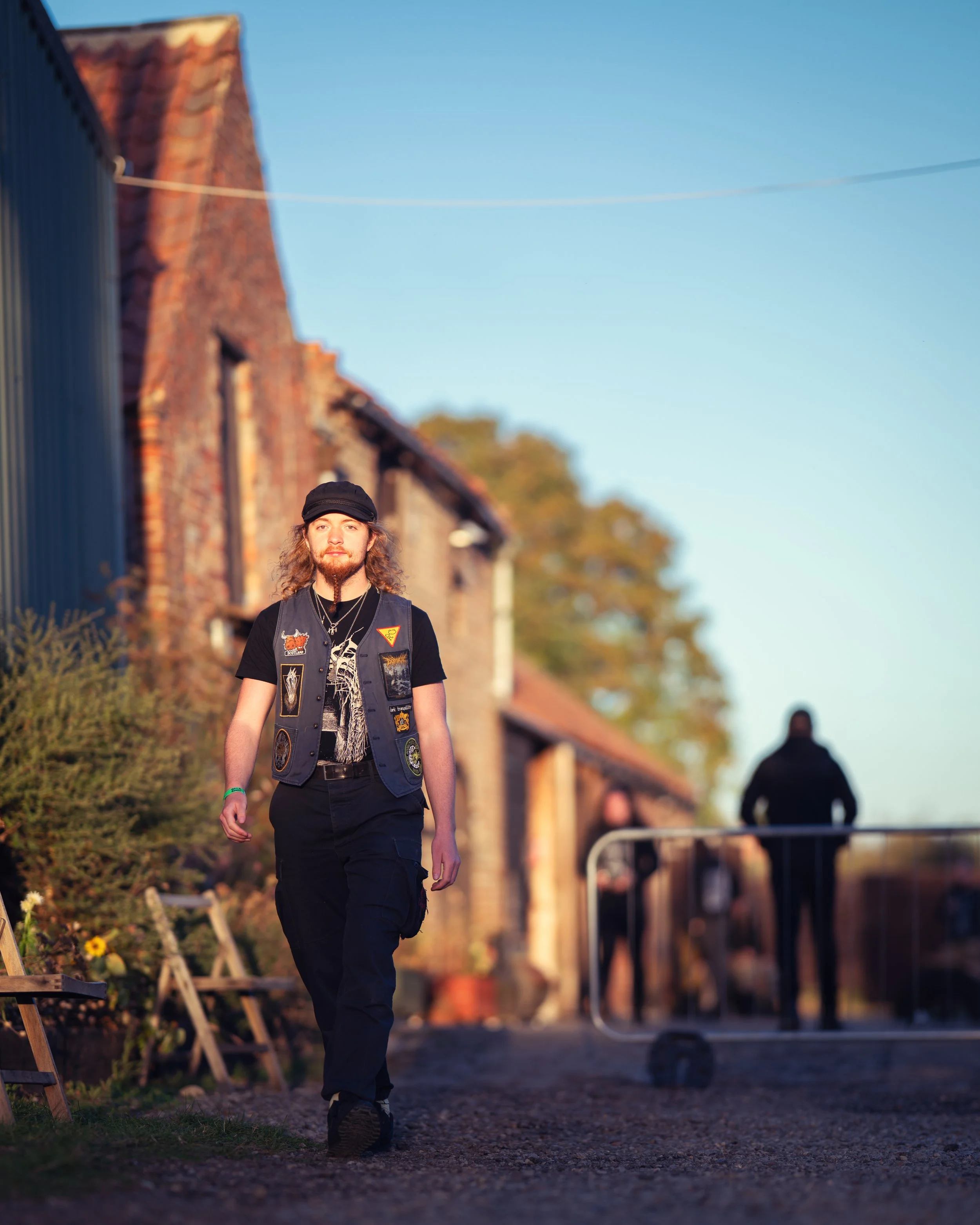
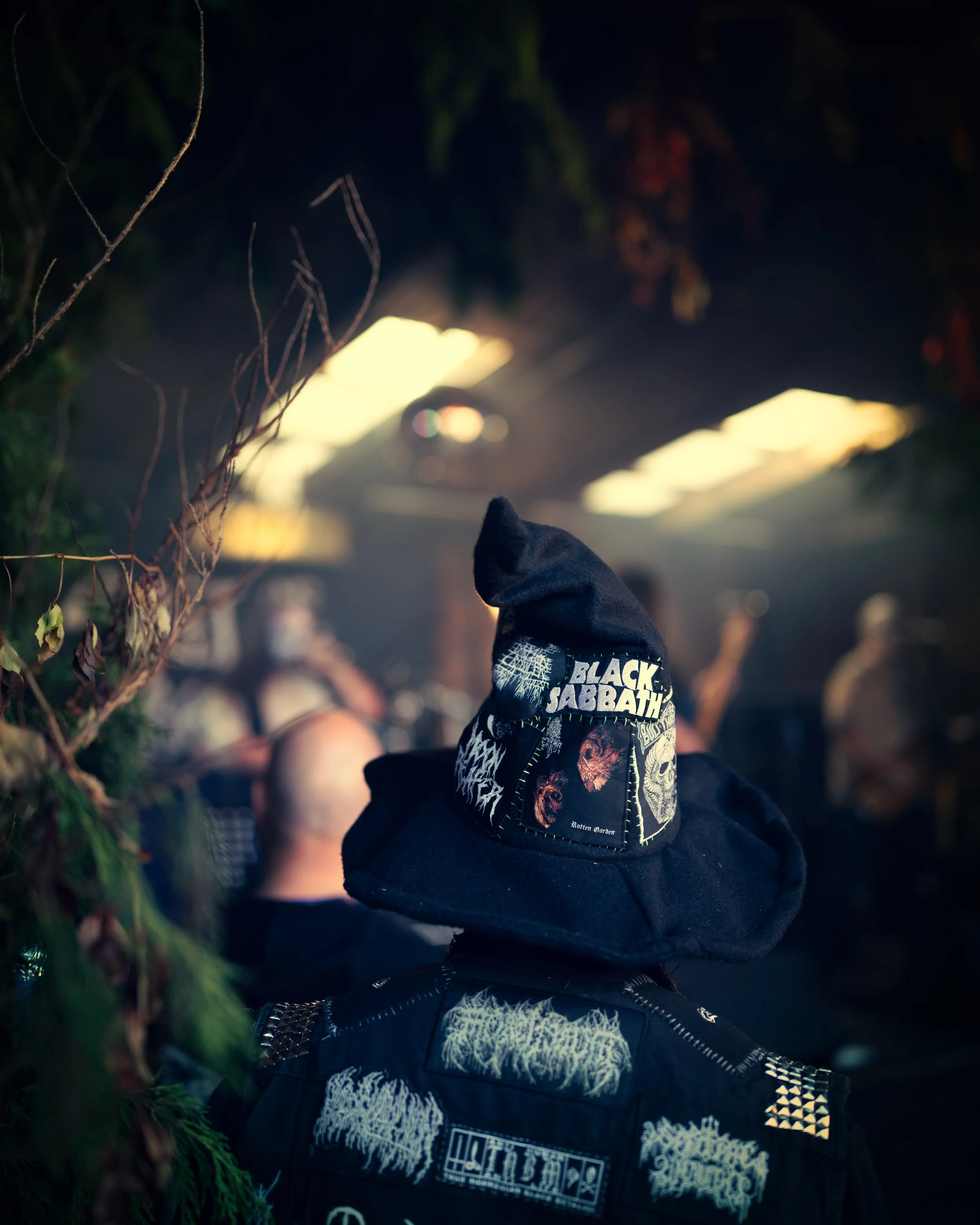
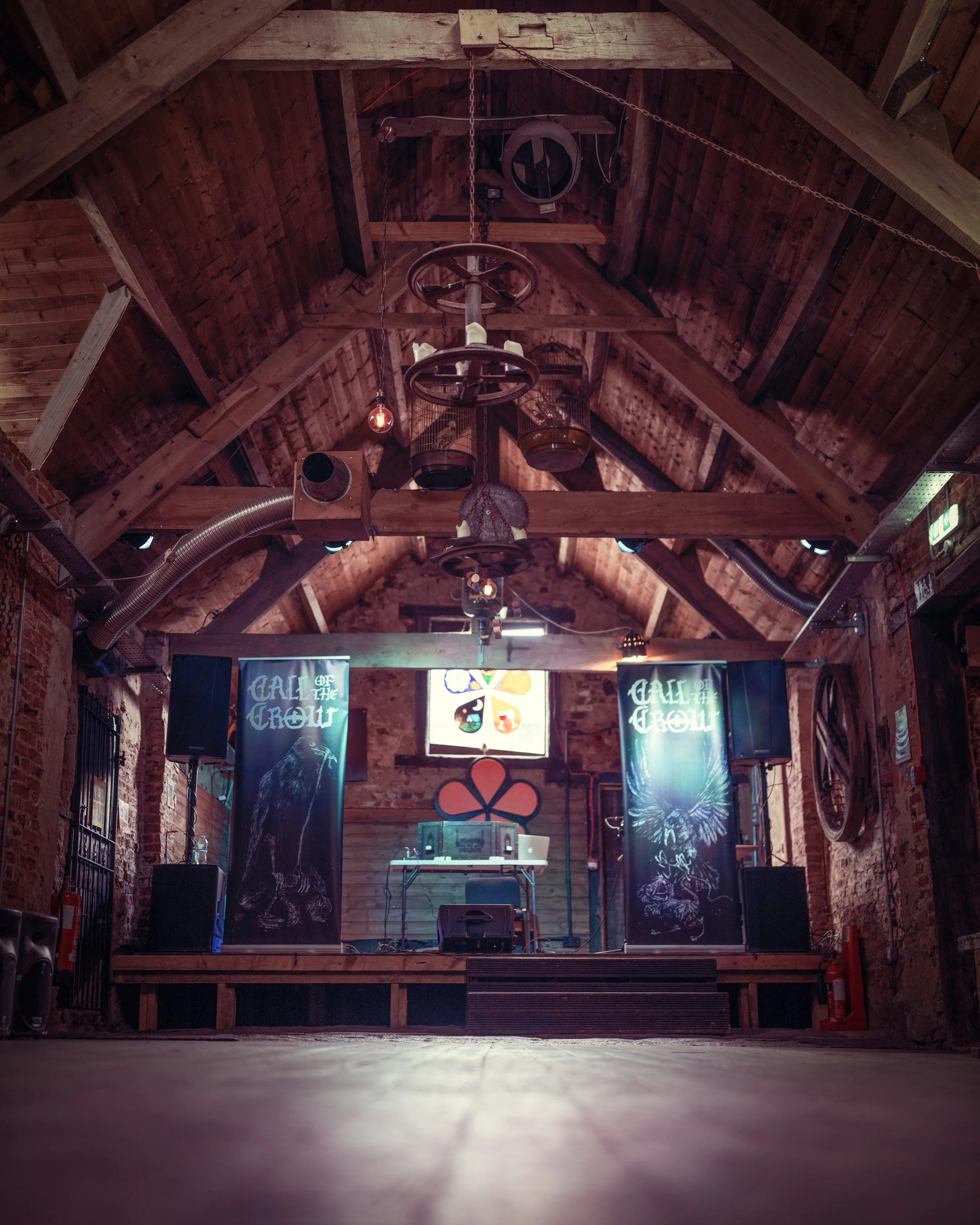
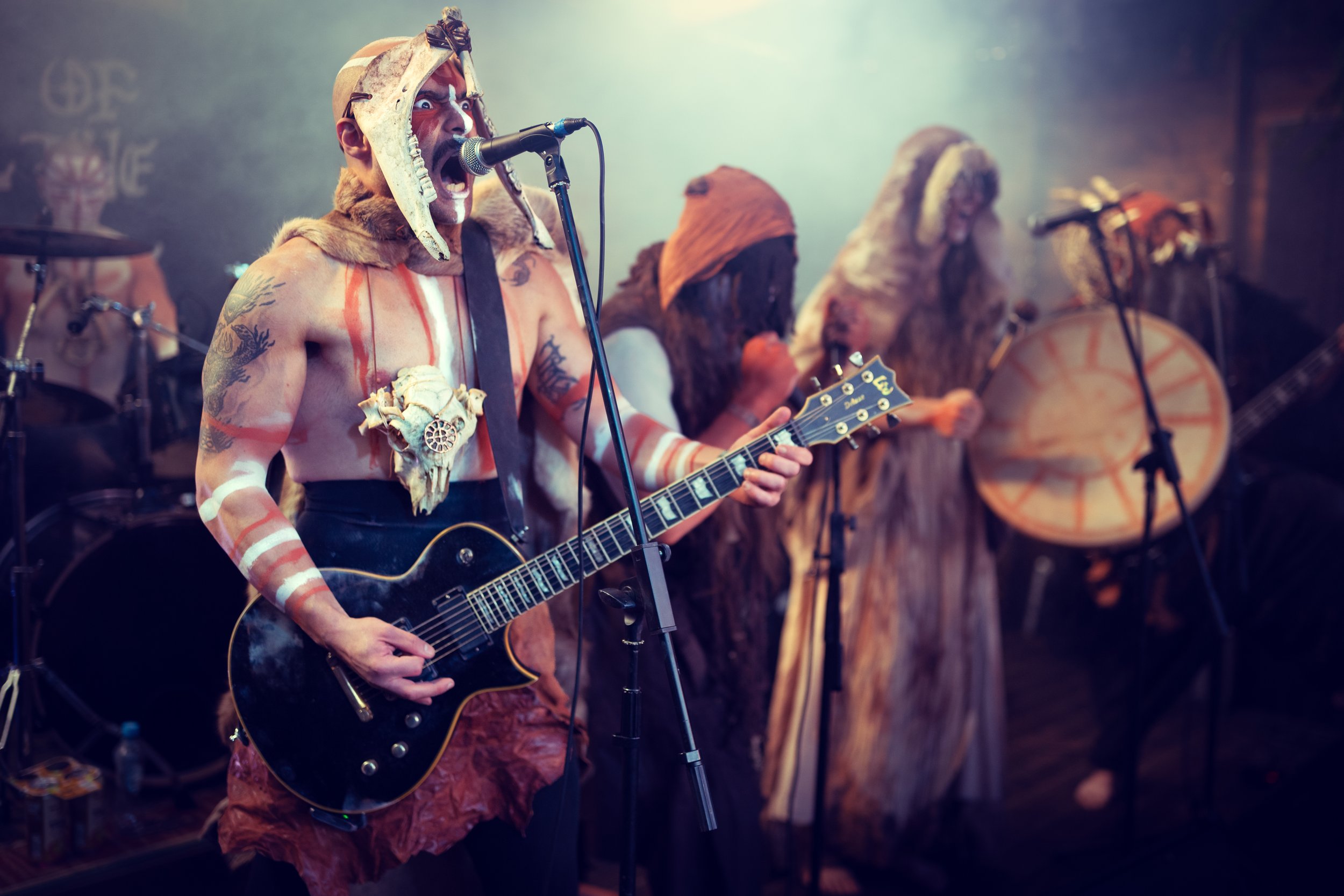
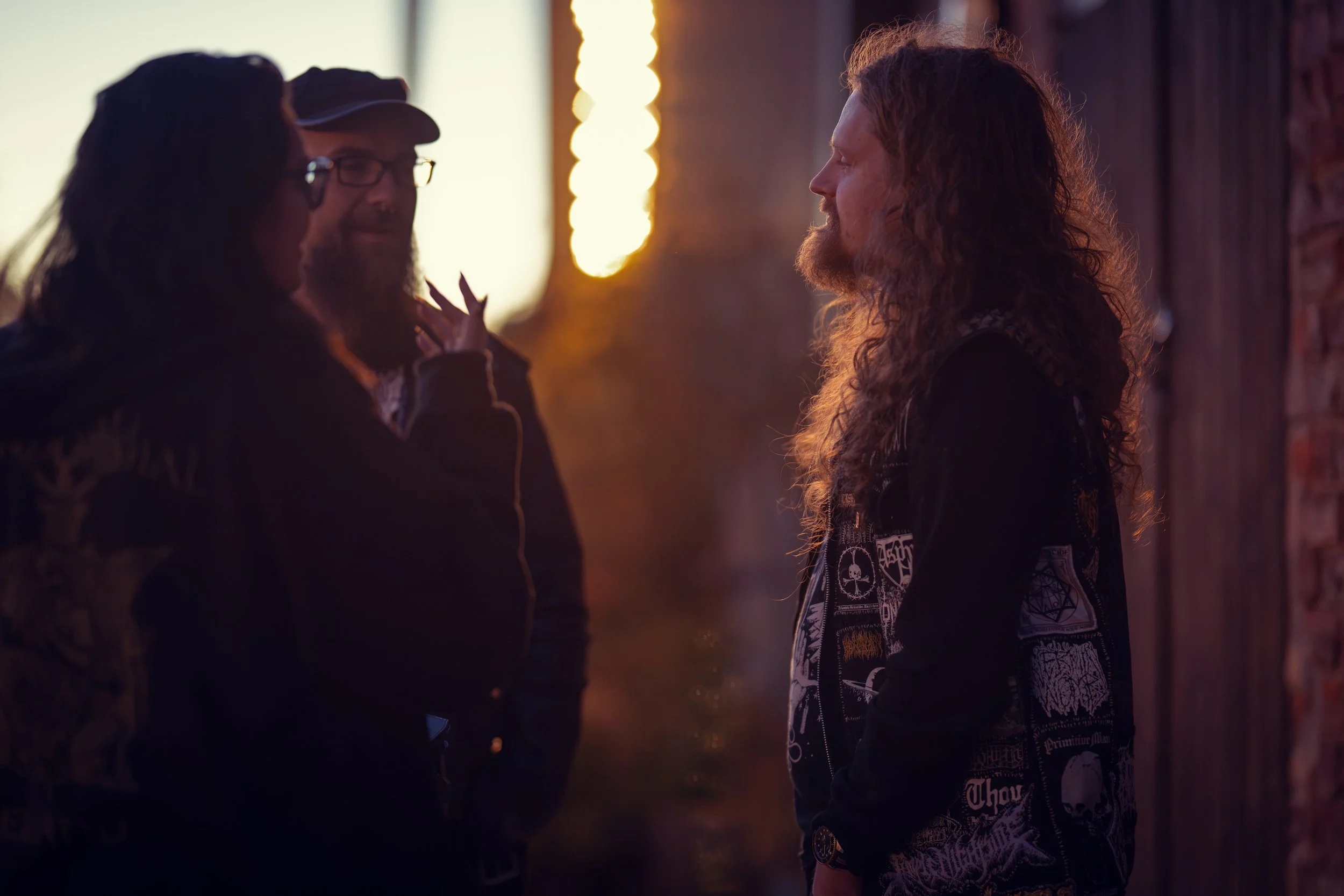
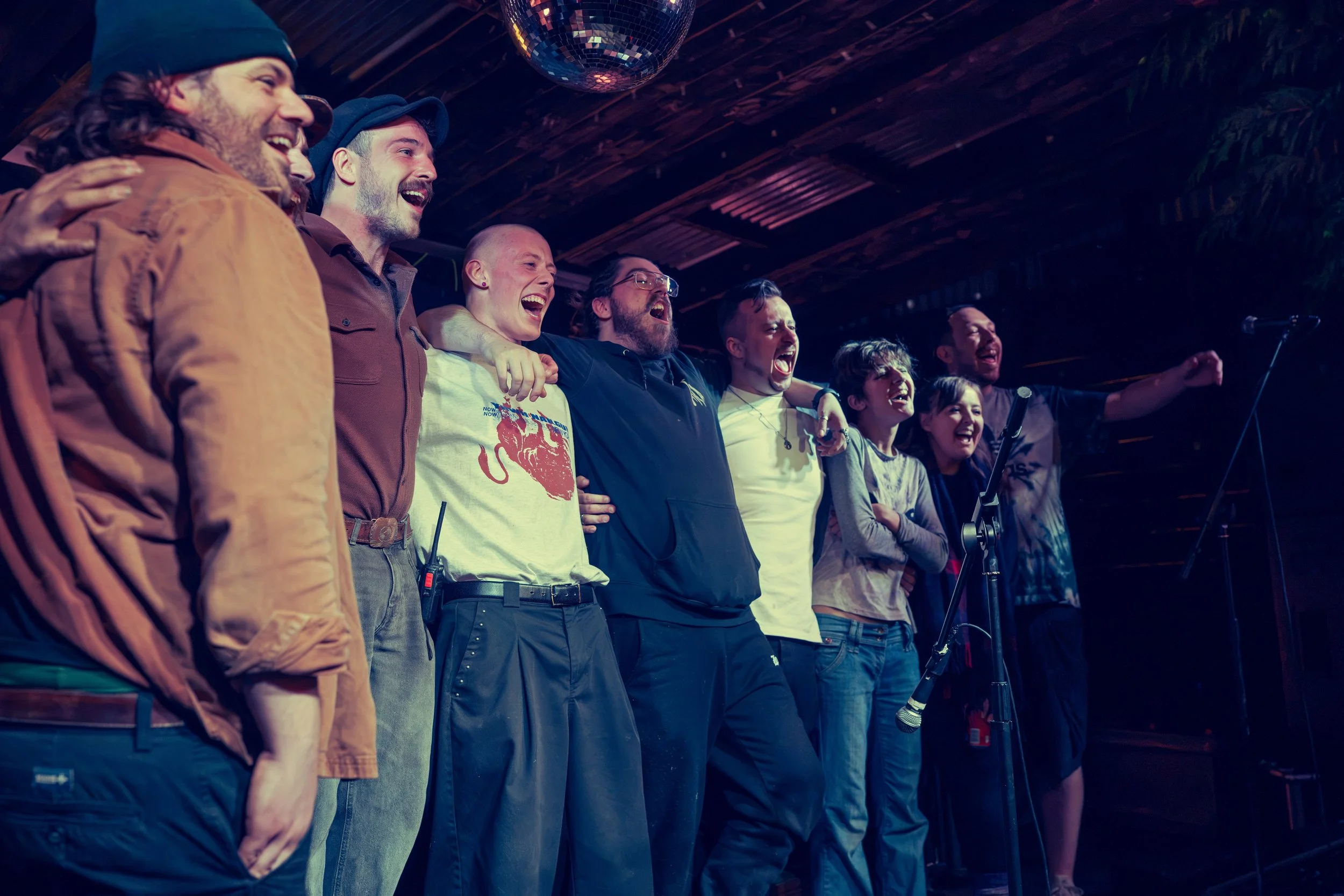
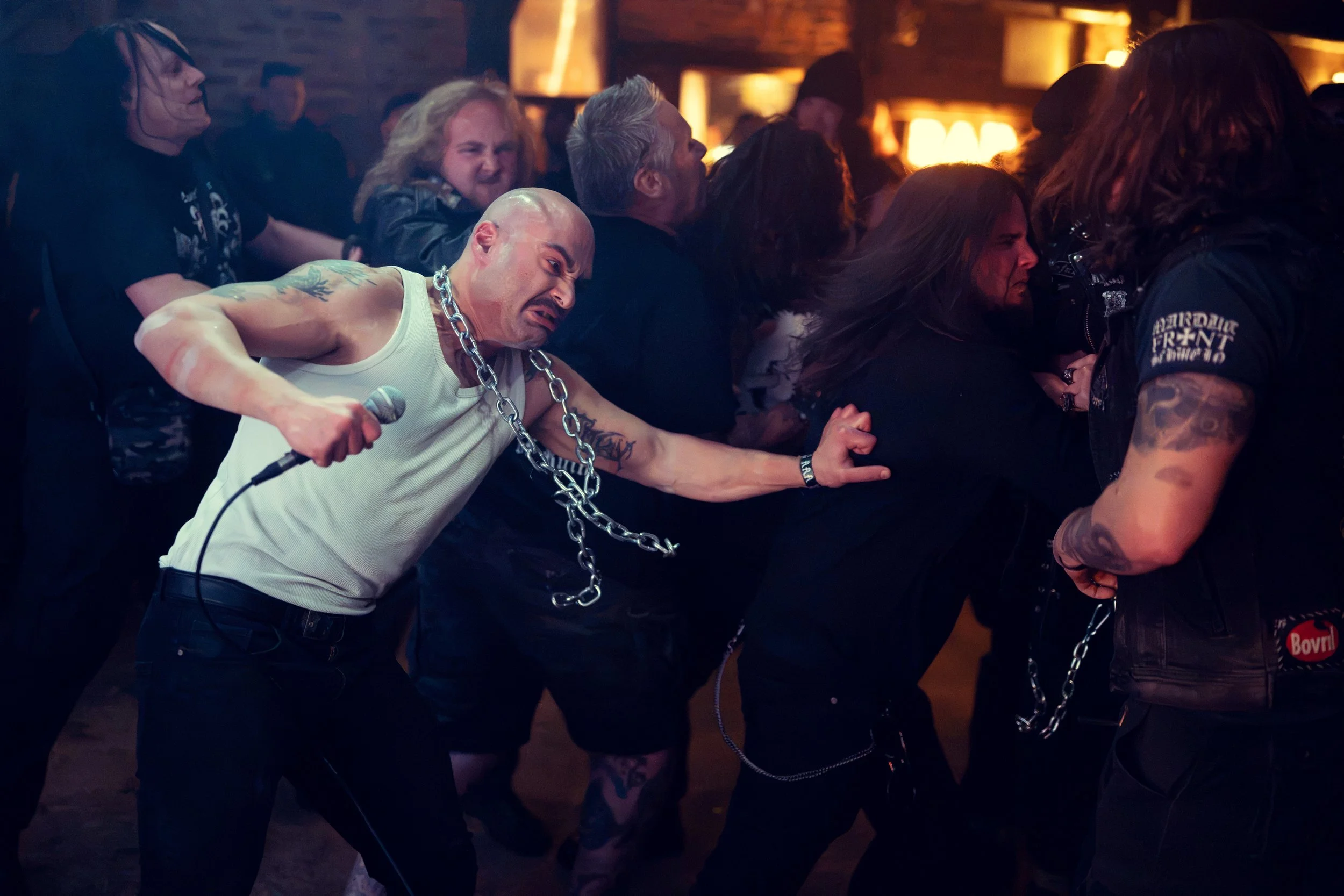
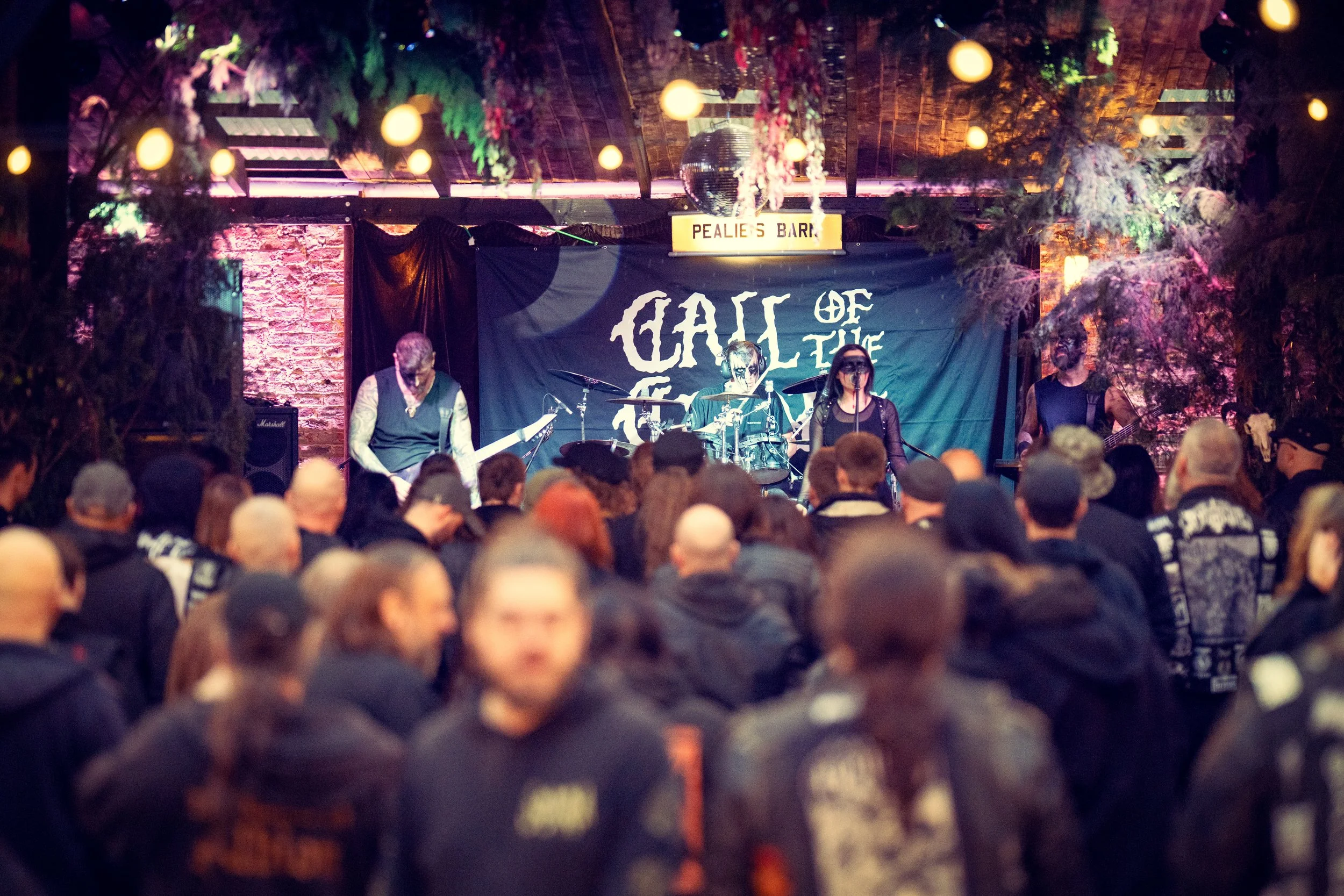
Beyond the nature of the venue, there were lots of immersive things about the festival itself. One was that the sound and lighting were exceptional. There was none of that familiar festival bass overwhelm. The crispness of drums, in particular, meant every detail cut through - even the most complex music sounded ferocious, raw and hungry. It was even possible to shoot crowd action without camera settings that make photos look like mud (capturing the details of even the smallest Bovril patch):
But one of the most notable of the festival’s strengths was the actual design of the programme – crafted with exceptional care. From the dark but gentle opening of dungeon synth (Blades of Folmar) and neofolk (Wolcensmen) on a second stage deep in the barn itself…
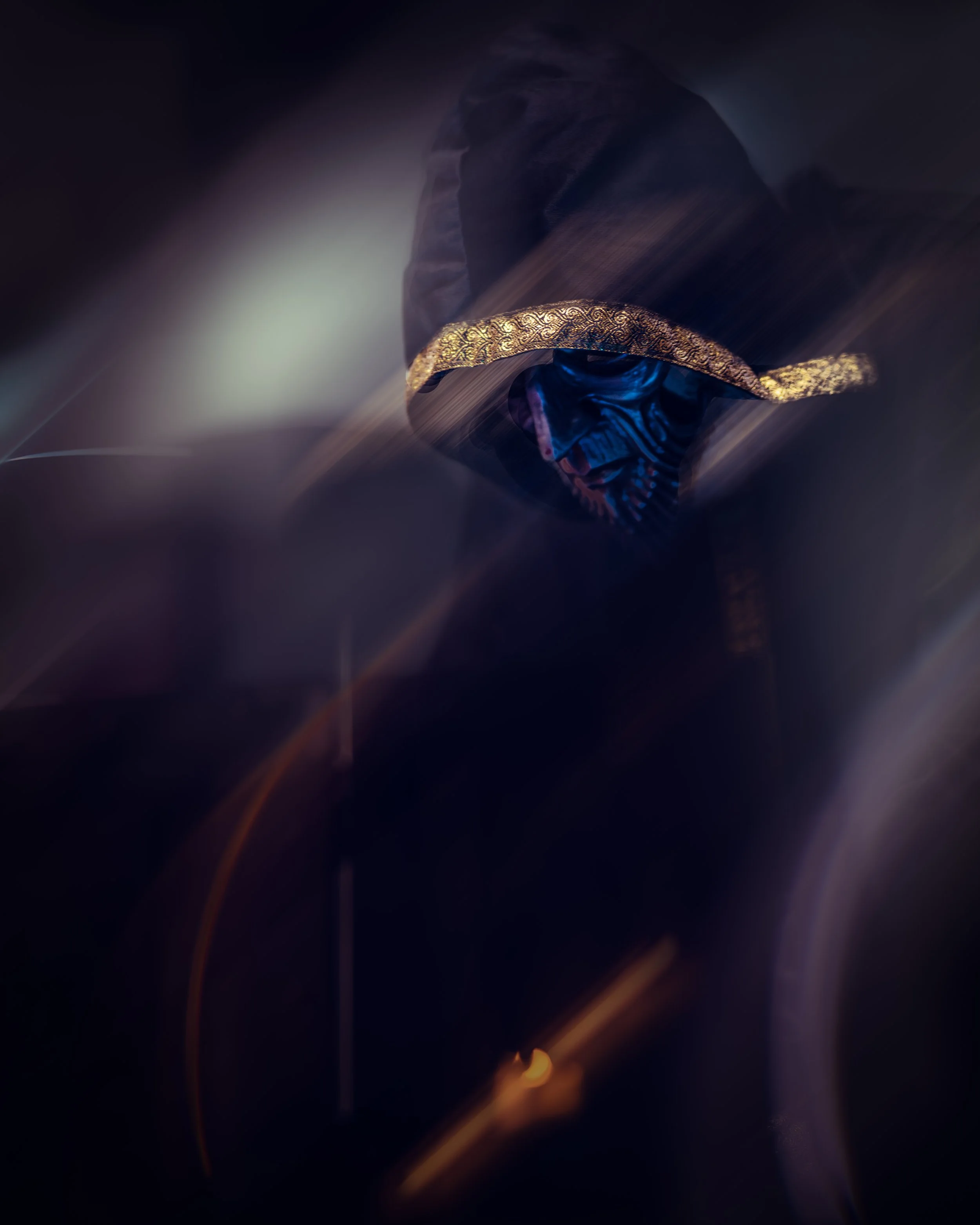
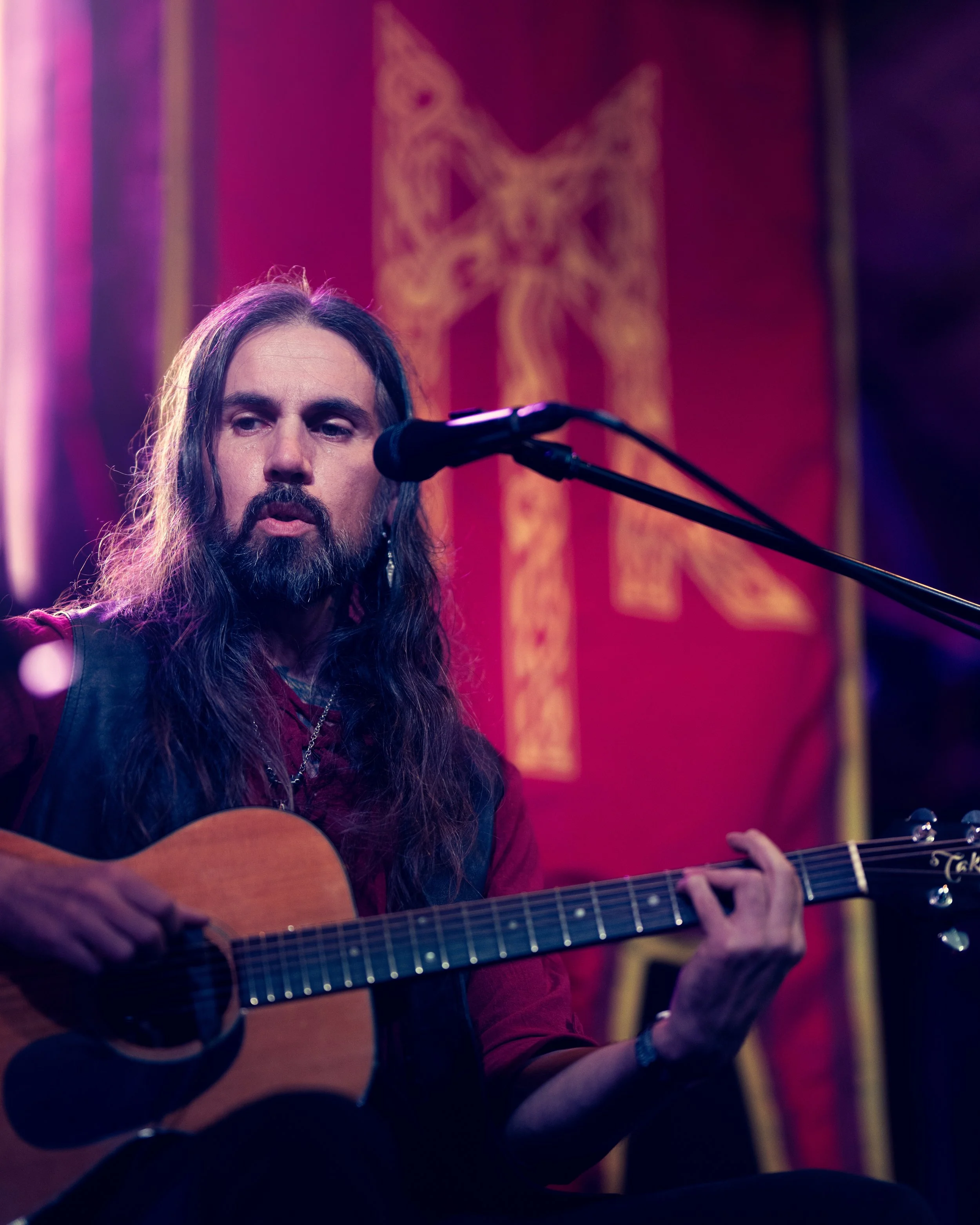
…to the raw and relentless bombardment of the last three bands under a chill night sky – Trivax, Necronautical, and Owls, Woods, Graves – it felt like every detail of the two days had been lovingly shaped to maximise every band’s impact.
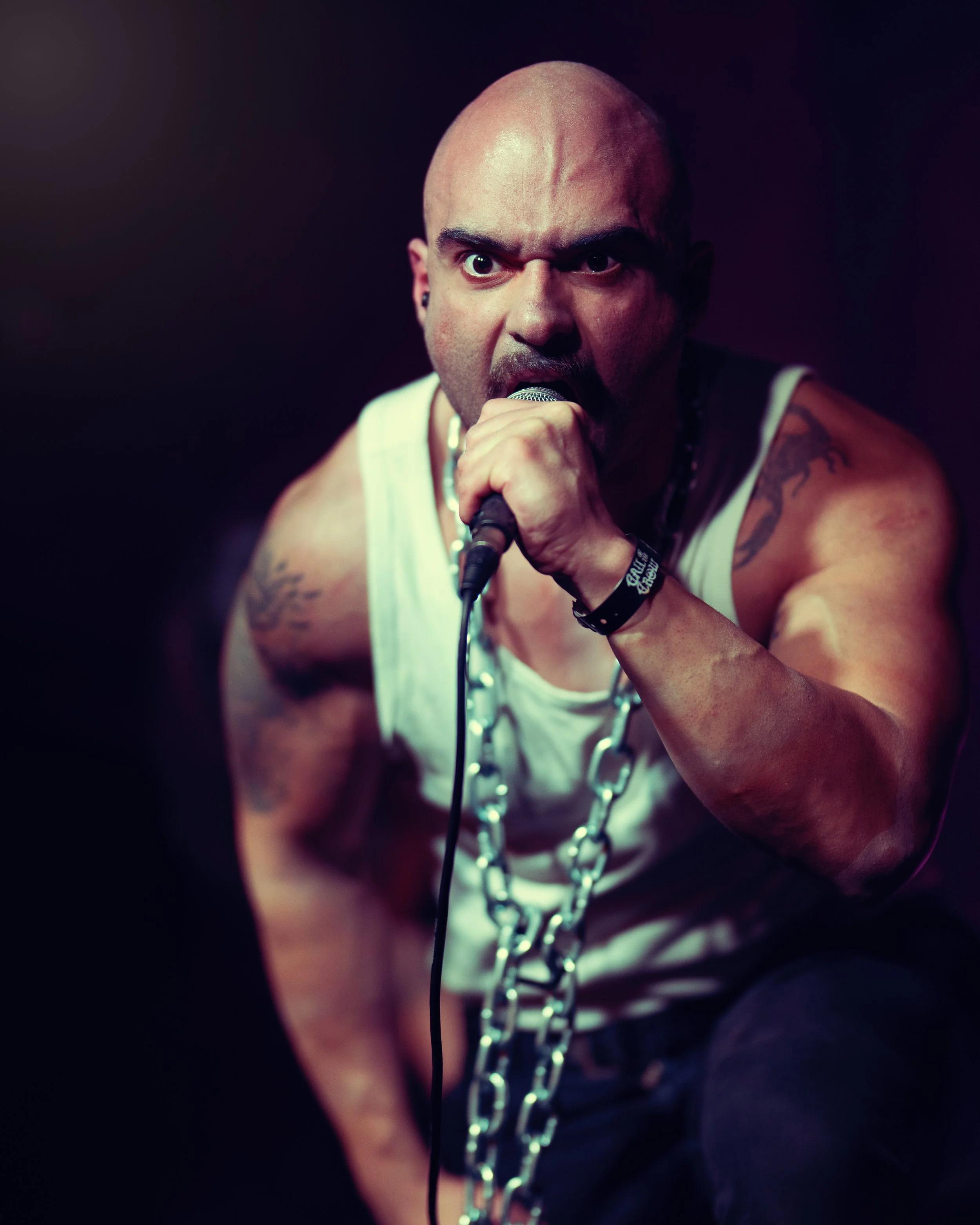
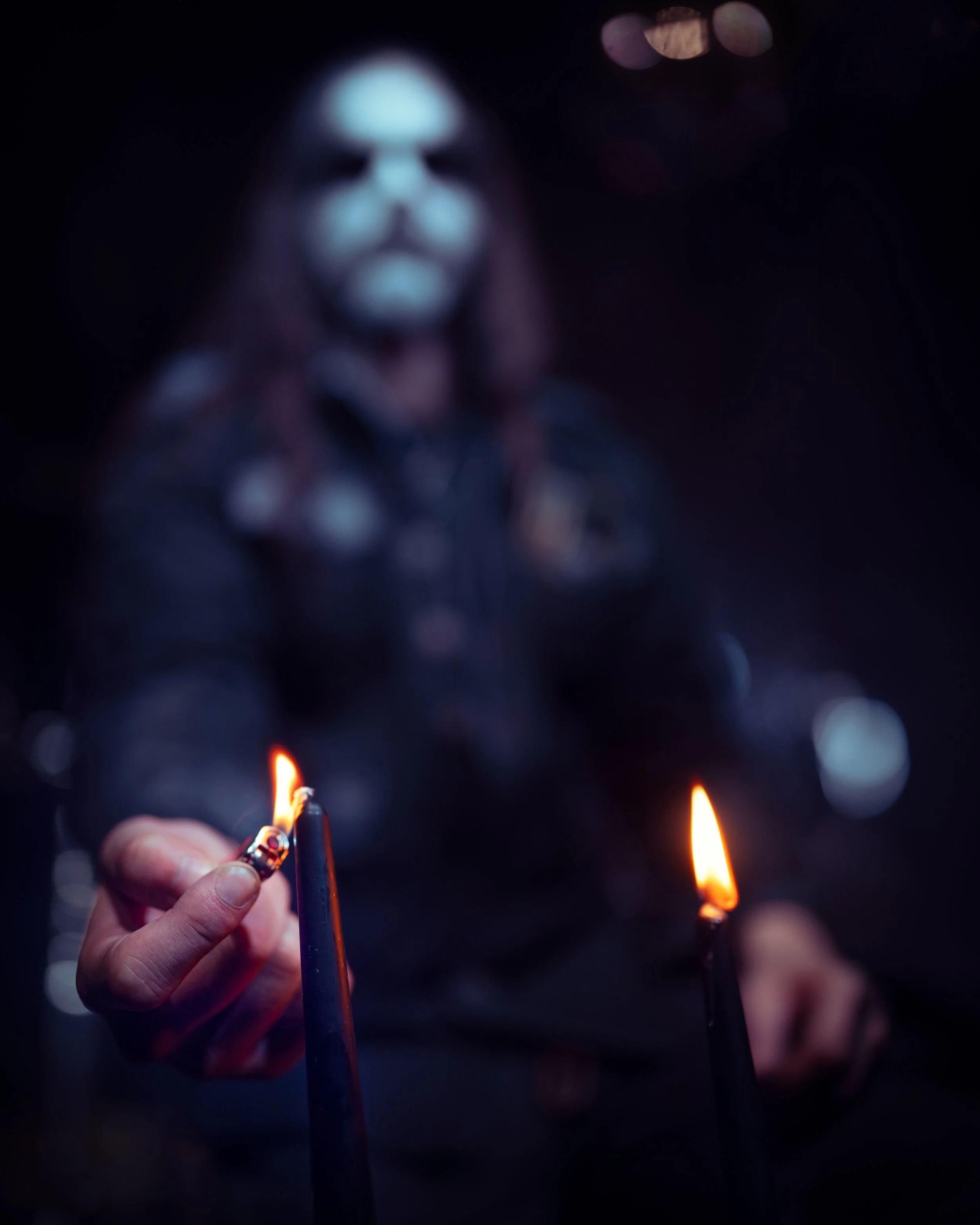
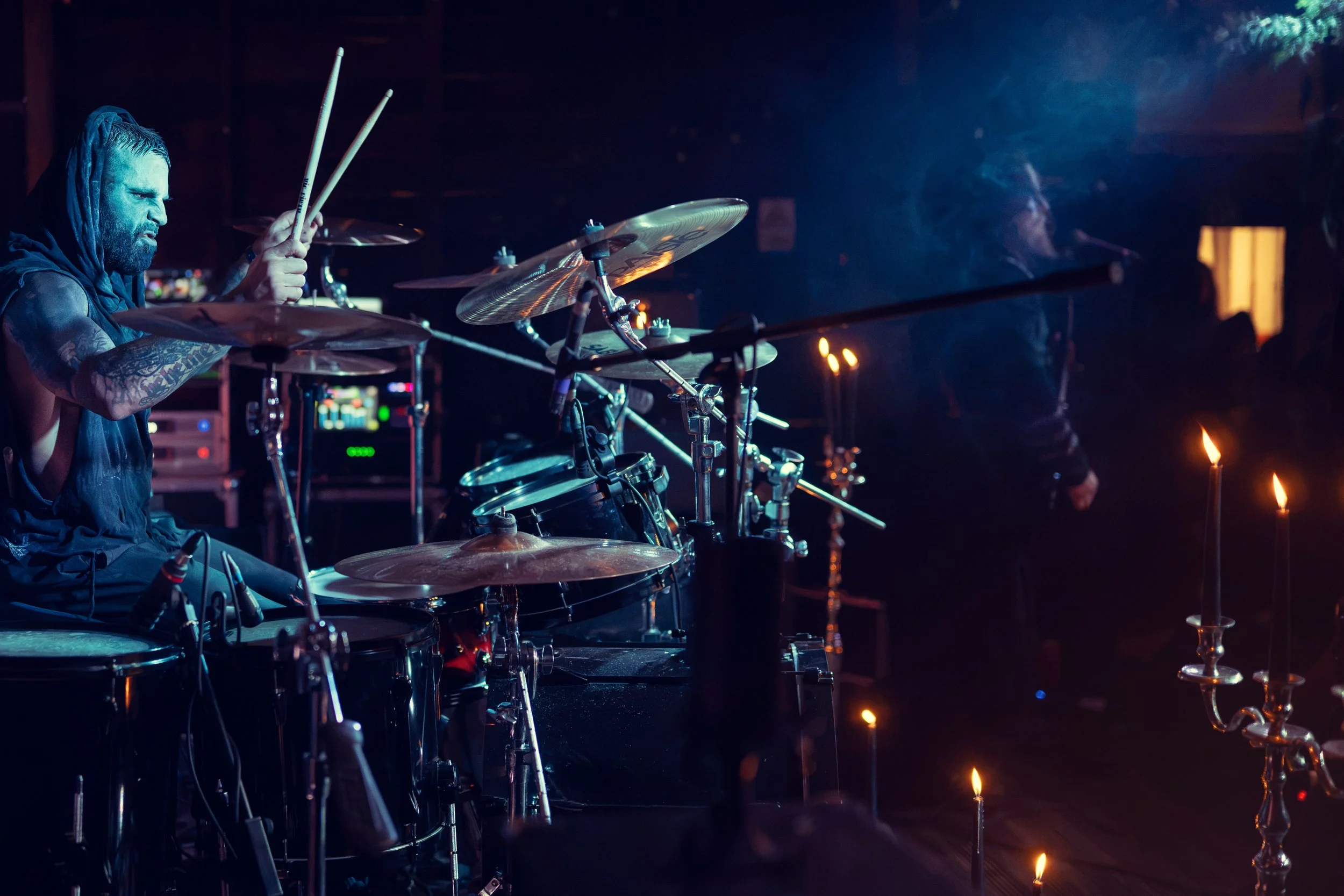
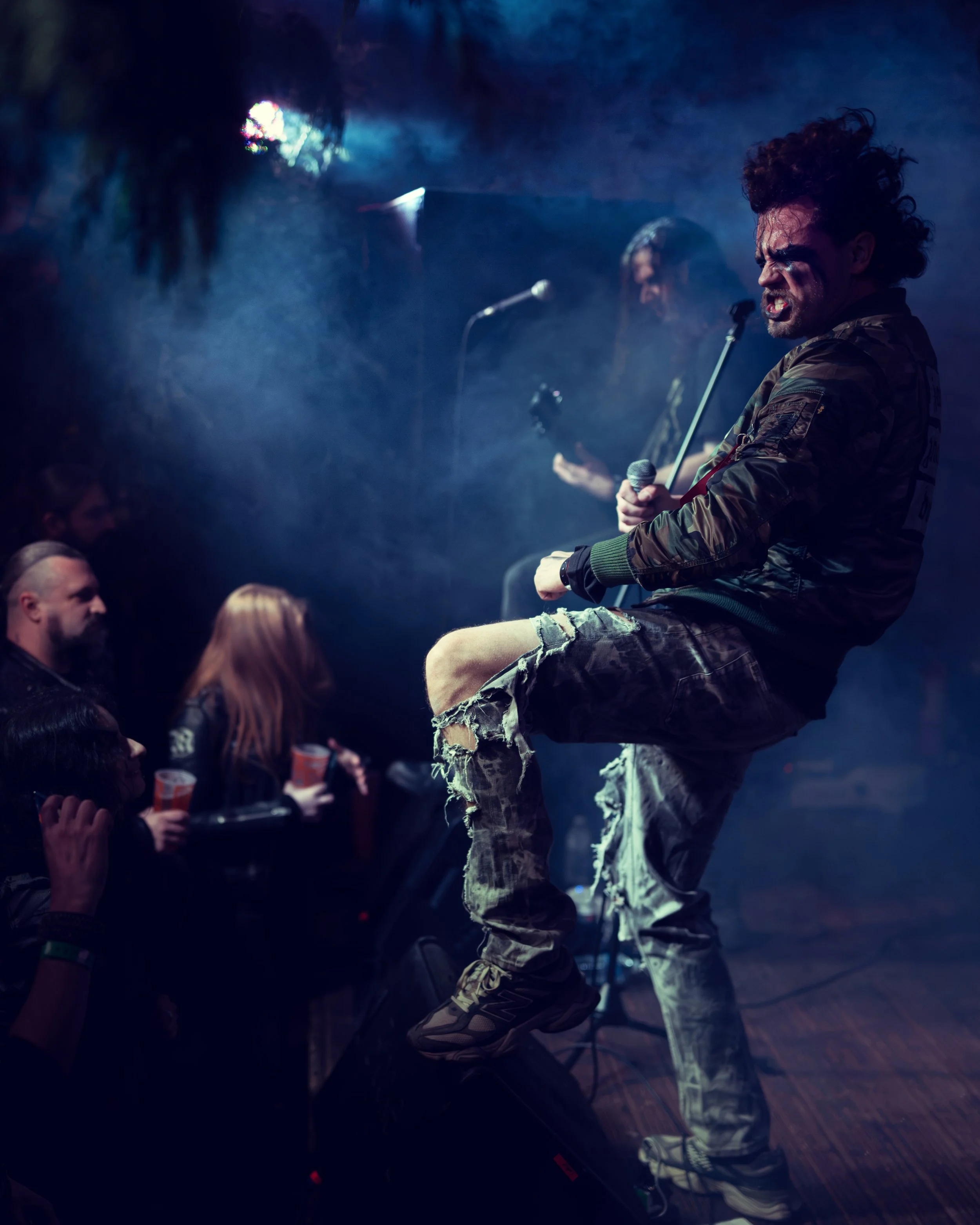
It was clear the bands respected that care. Of those I’d seen before, all played new, one-of-a-kind, setlists and gave performances with an electric energy at the absolute peak of their potential.
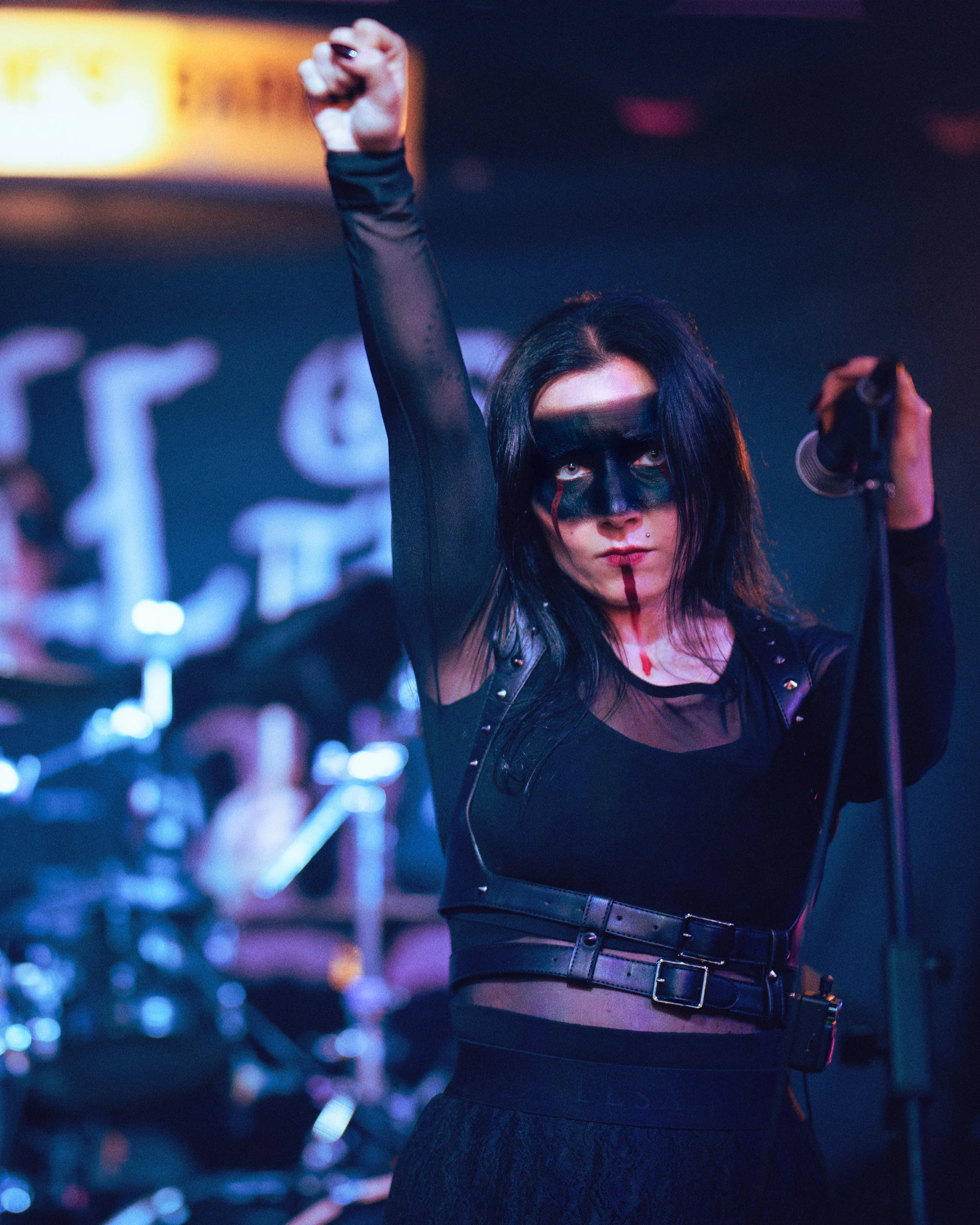
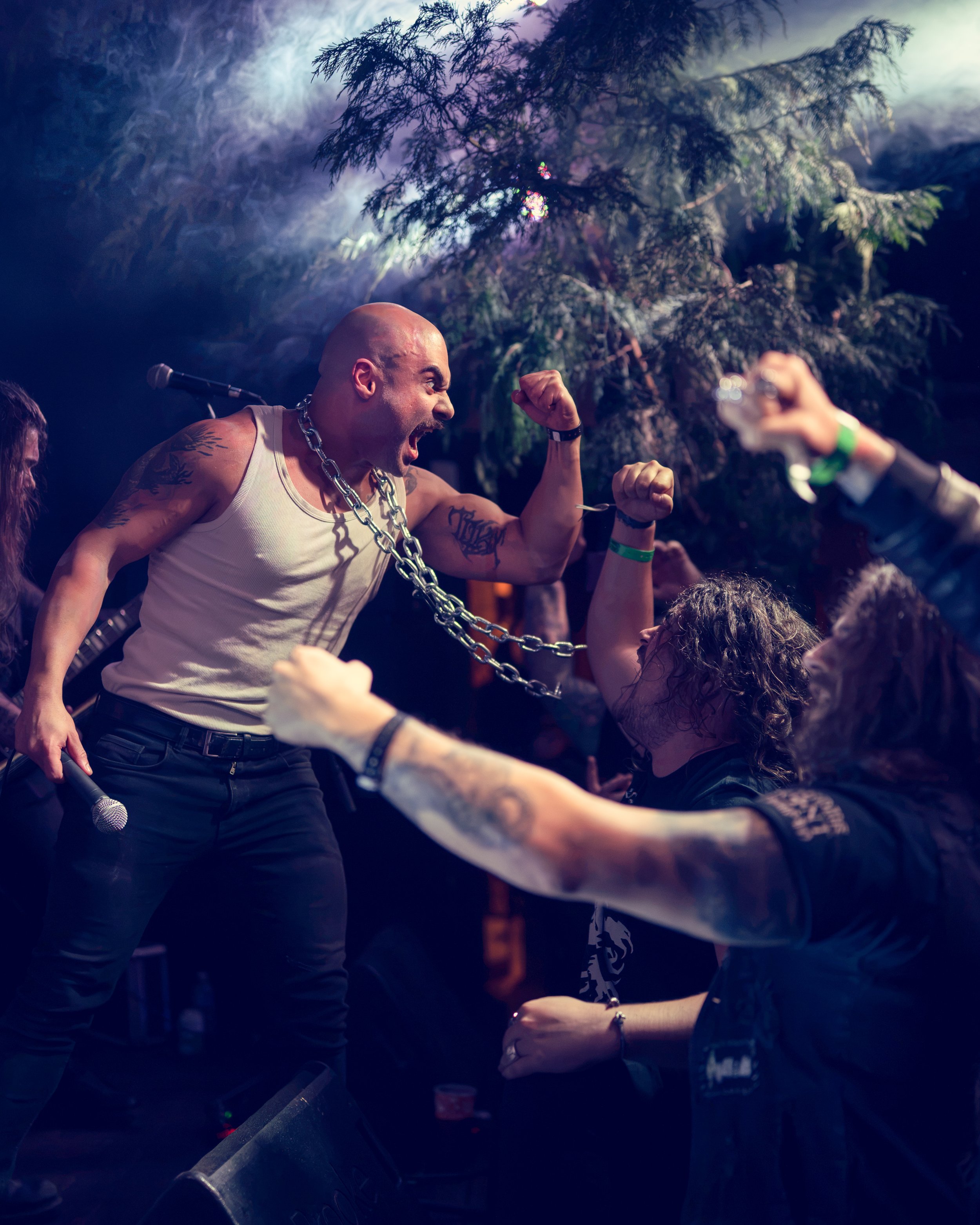
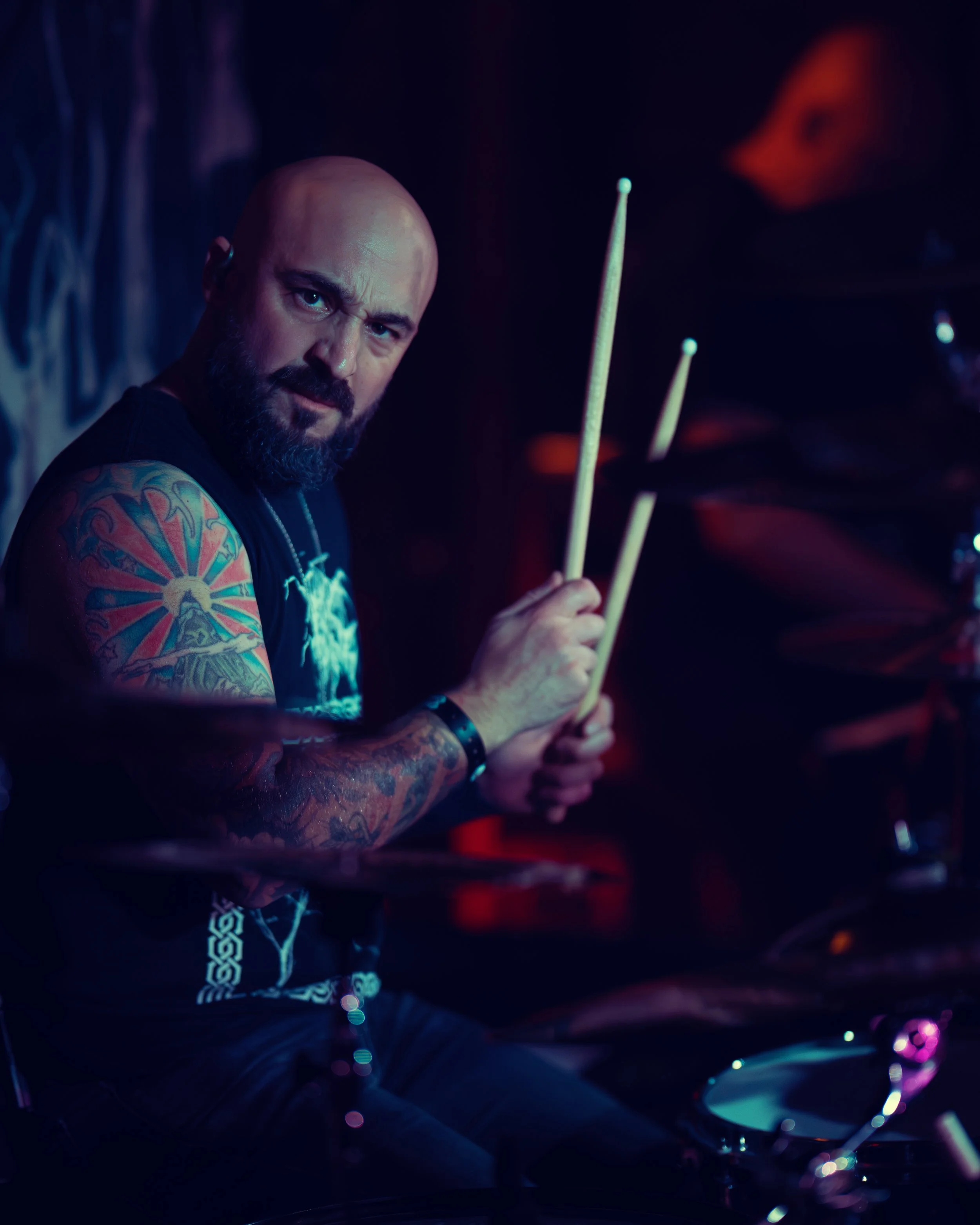
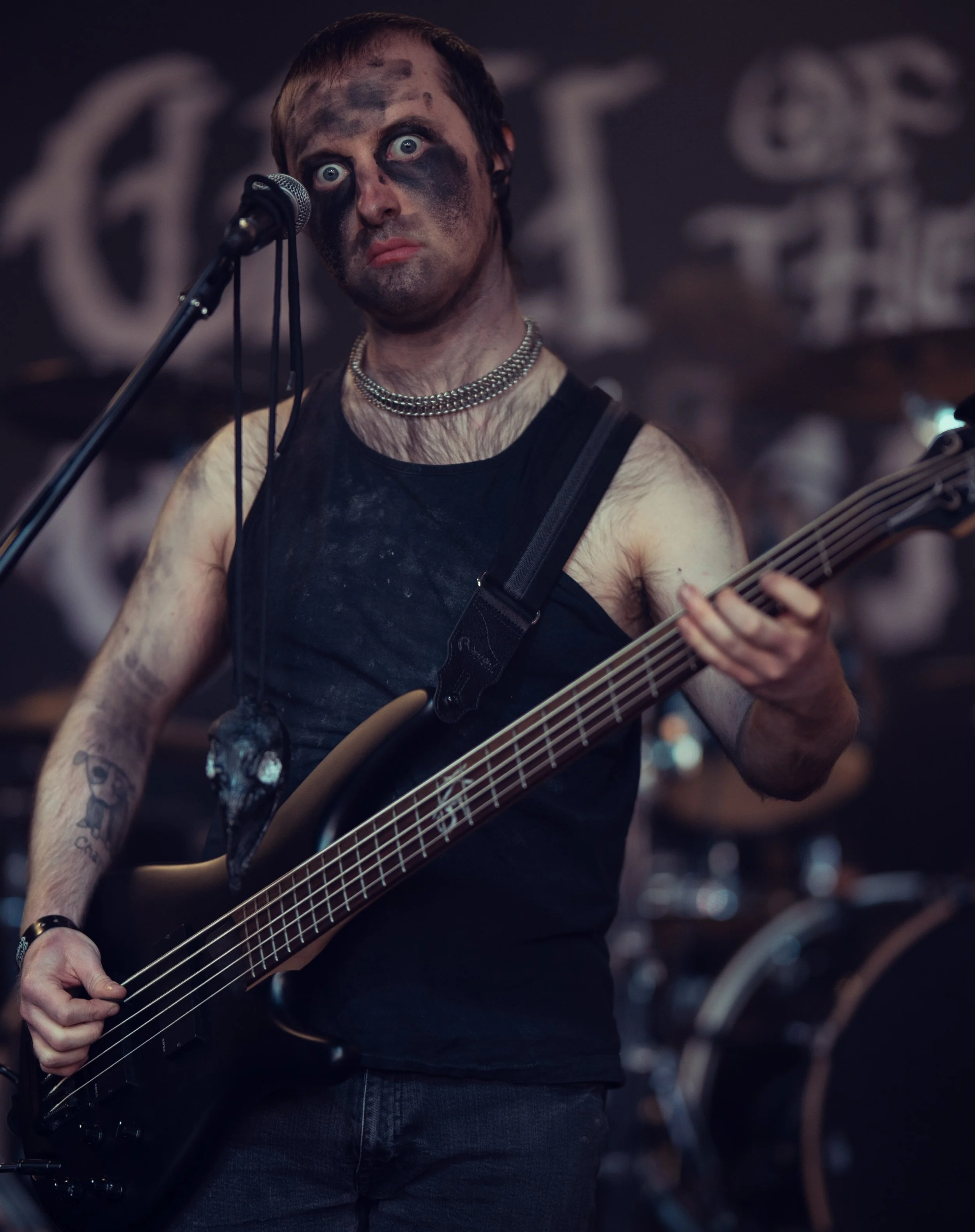
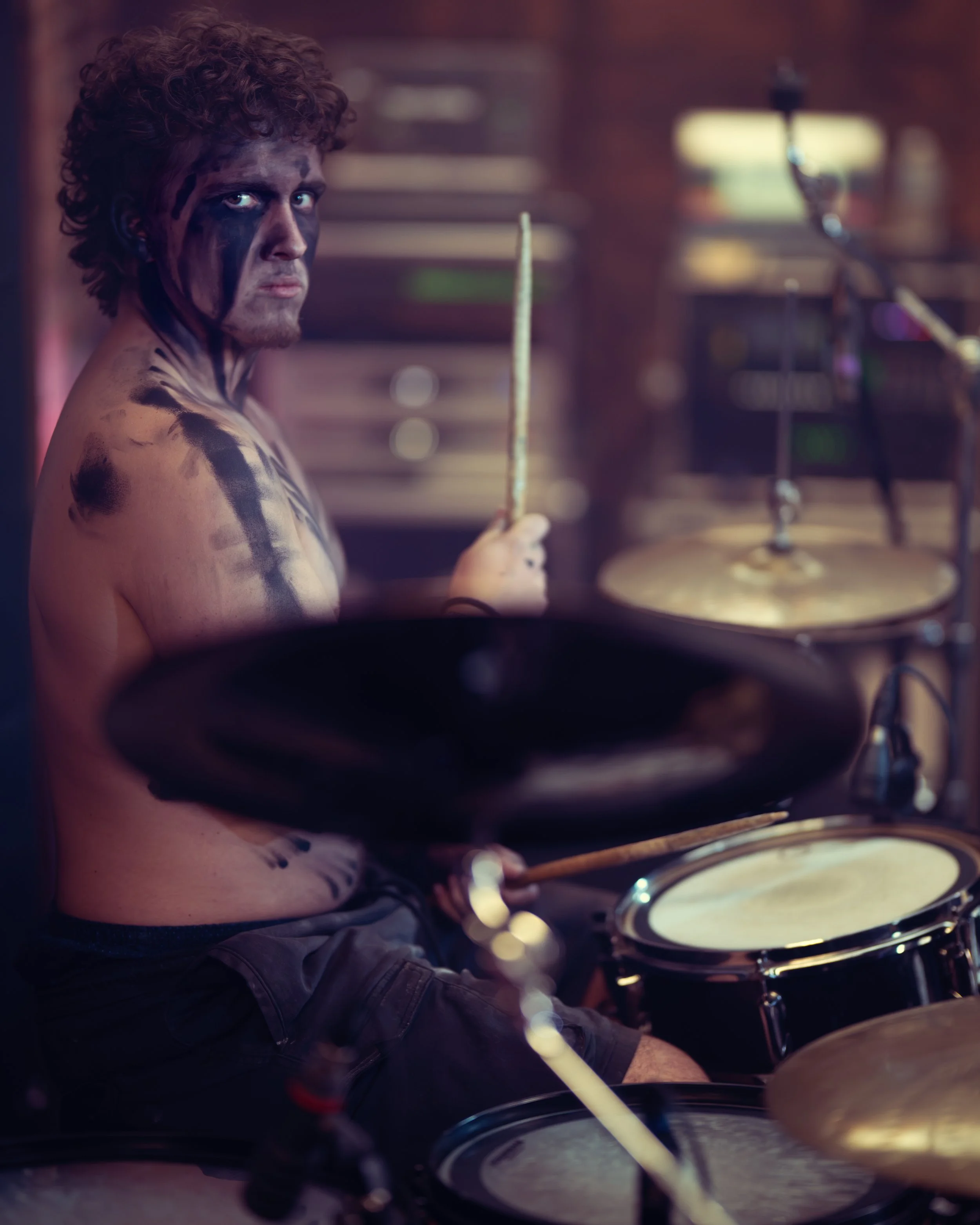
The care put into crafting the lineup was also evident from the less familiar bands. Their Last Stop (Ireland), playing the UK for the first time, brought a ridiculously intense energy to the start of day 2. You could tell from the way the band members contributed to the vibrancy of the crowd during the rest of the weekend just how much being here meant to them. Usually I love it when a musician looks straight down the camera lens, but this time I was genuinely a bit scared:
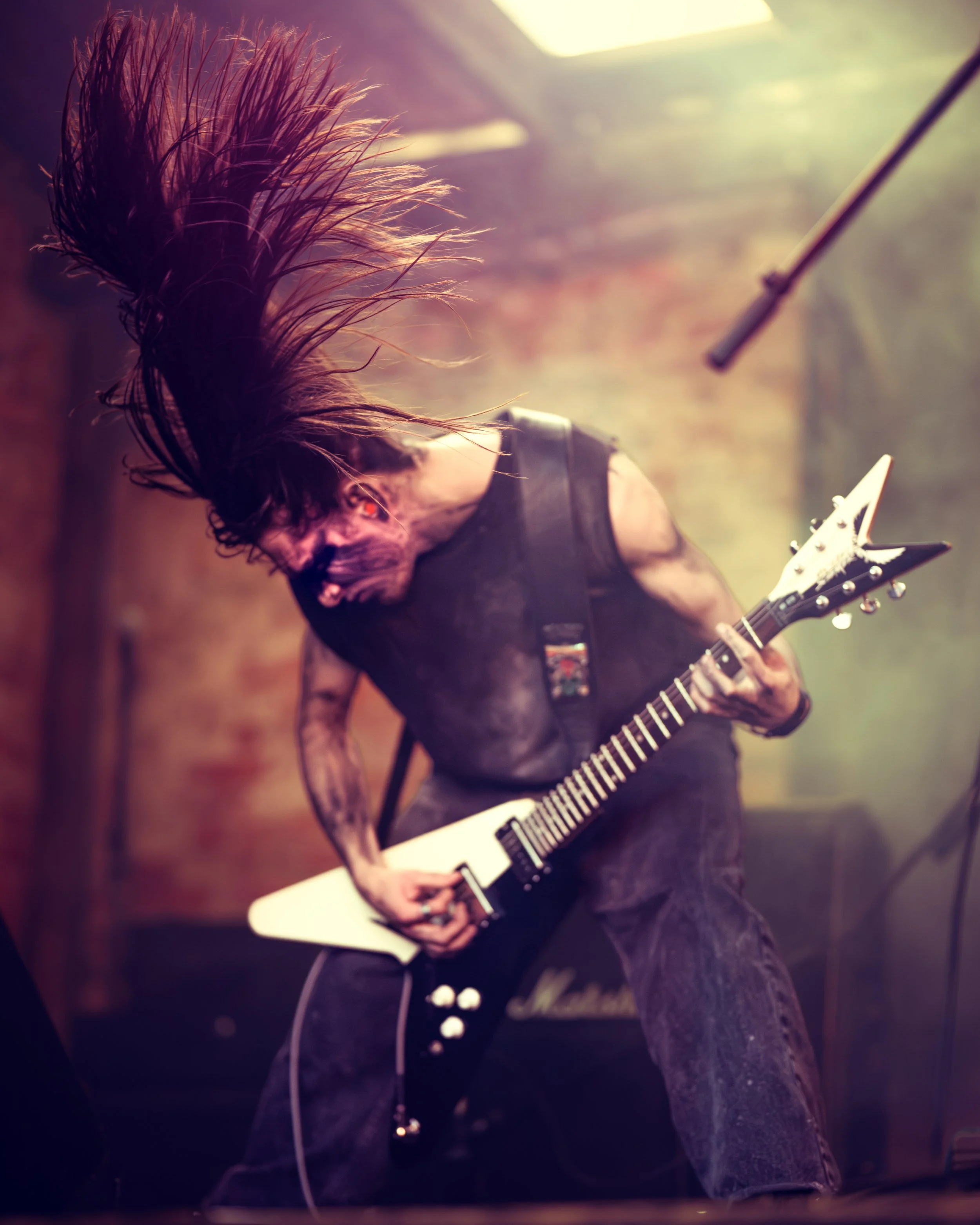
A little later, Ash Magick, a solo project from Turkey, built something unforgettably immersive from a blend of claustrophobic raw black metal and Anatolian occultism. This was the performance that made best use of the dark enclosed space of the main stage. Every member of the crowd seemed to forget the mid-afternoon sunlight they were standing in, drawn into the stage’s blackness and focused only on Helin's relentlessly mesmerising performance and presence.
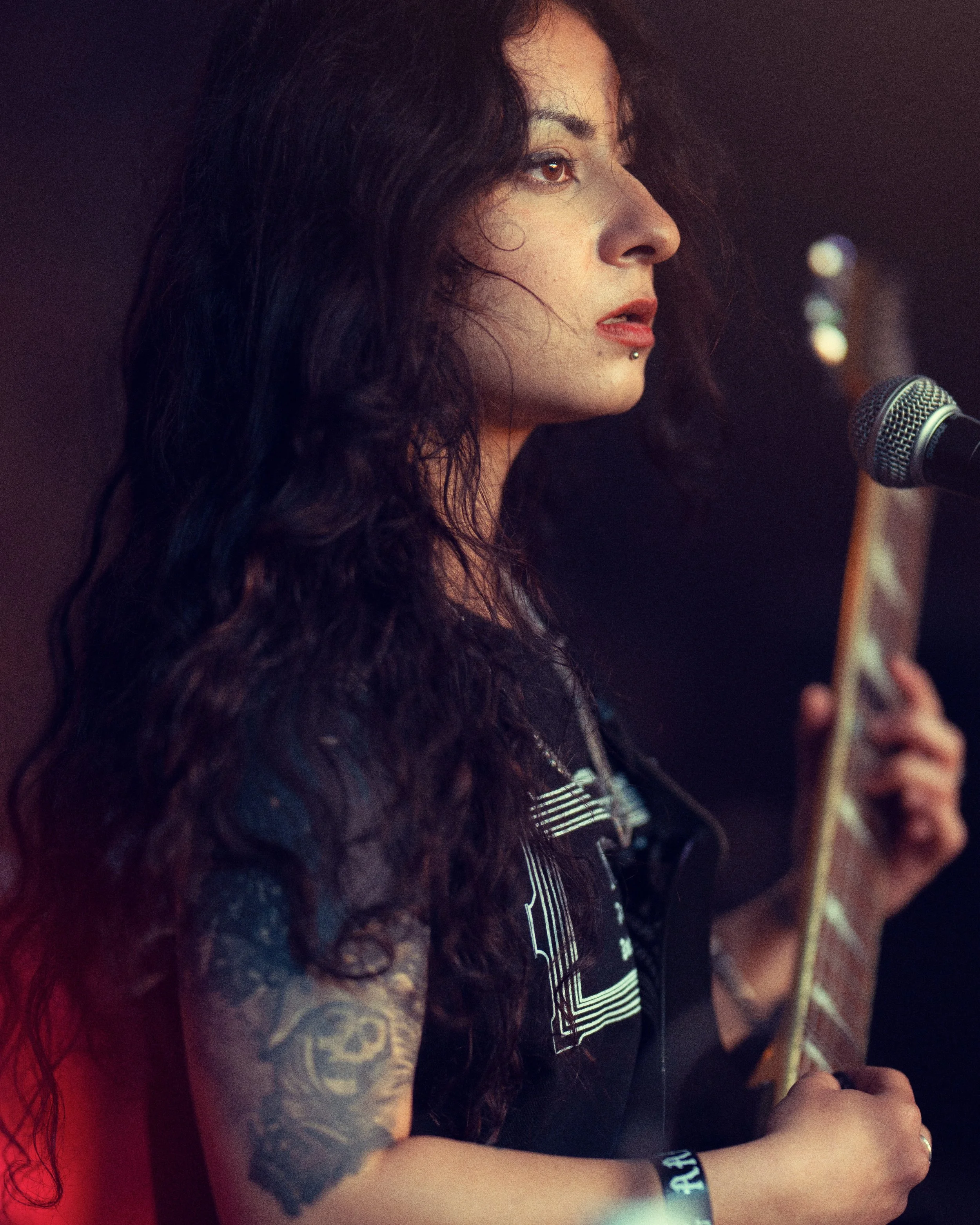
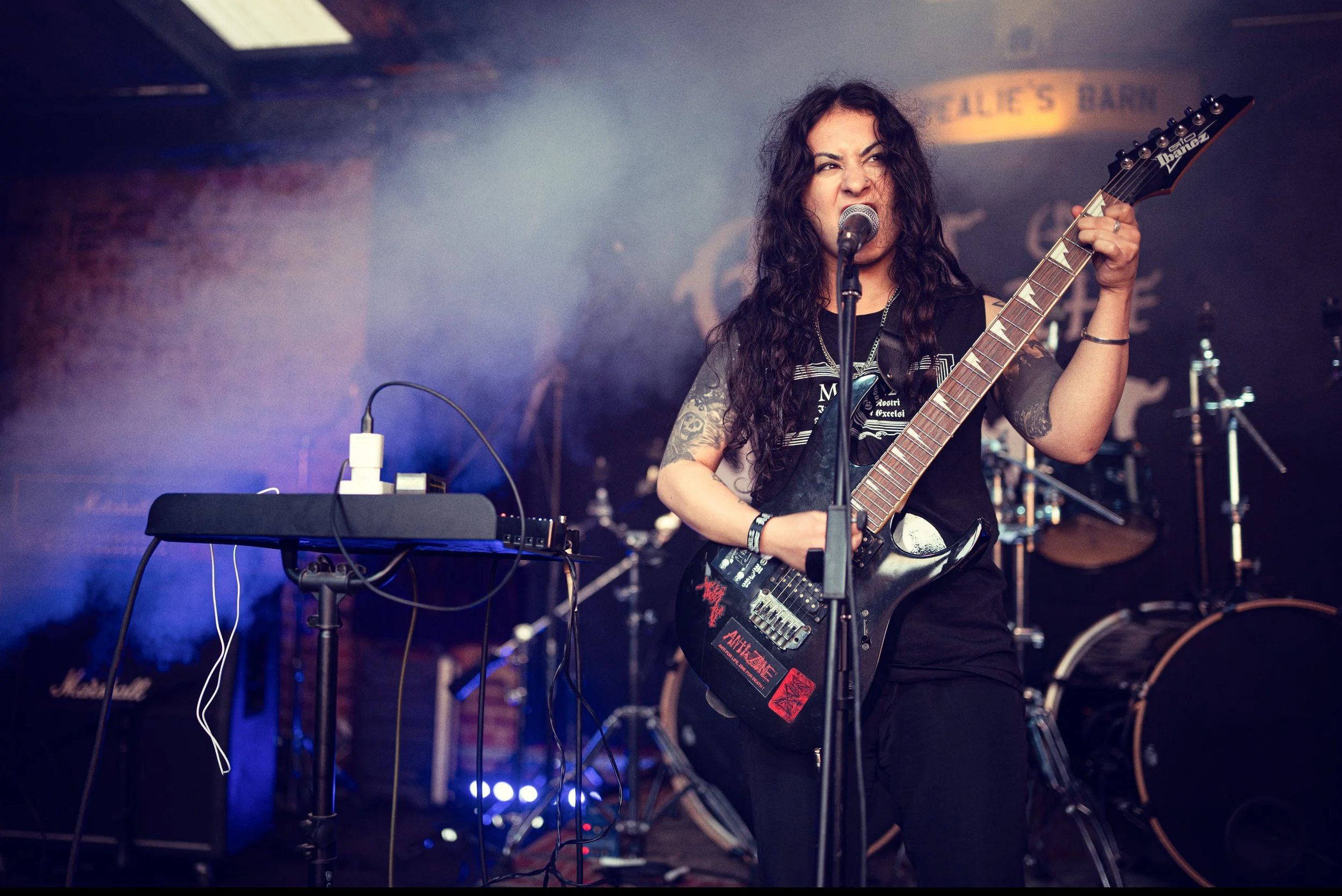
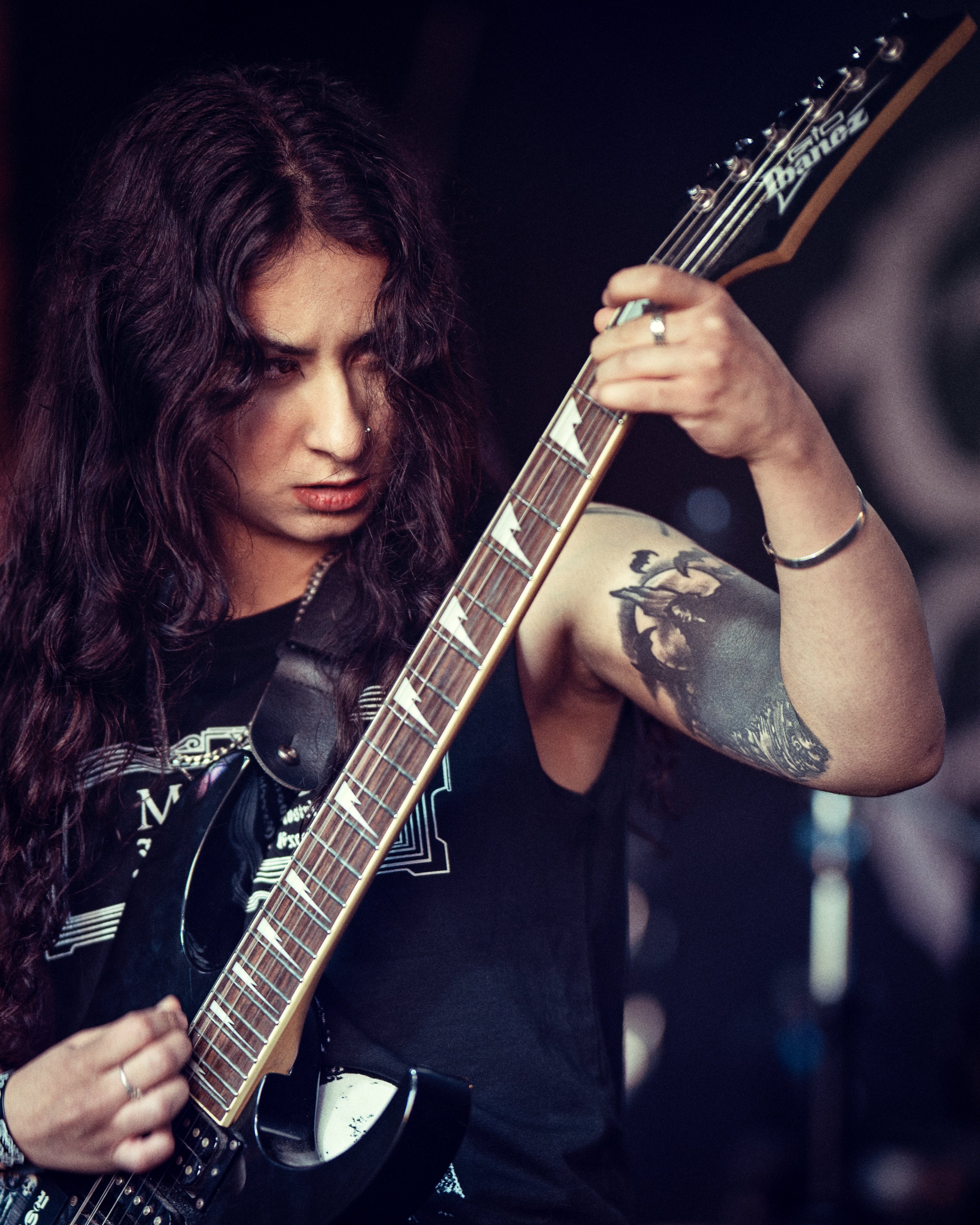
Other bands who completely blew me away were Miško Boba (Lithuania/Yorkshire):
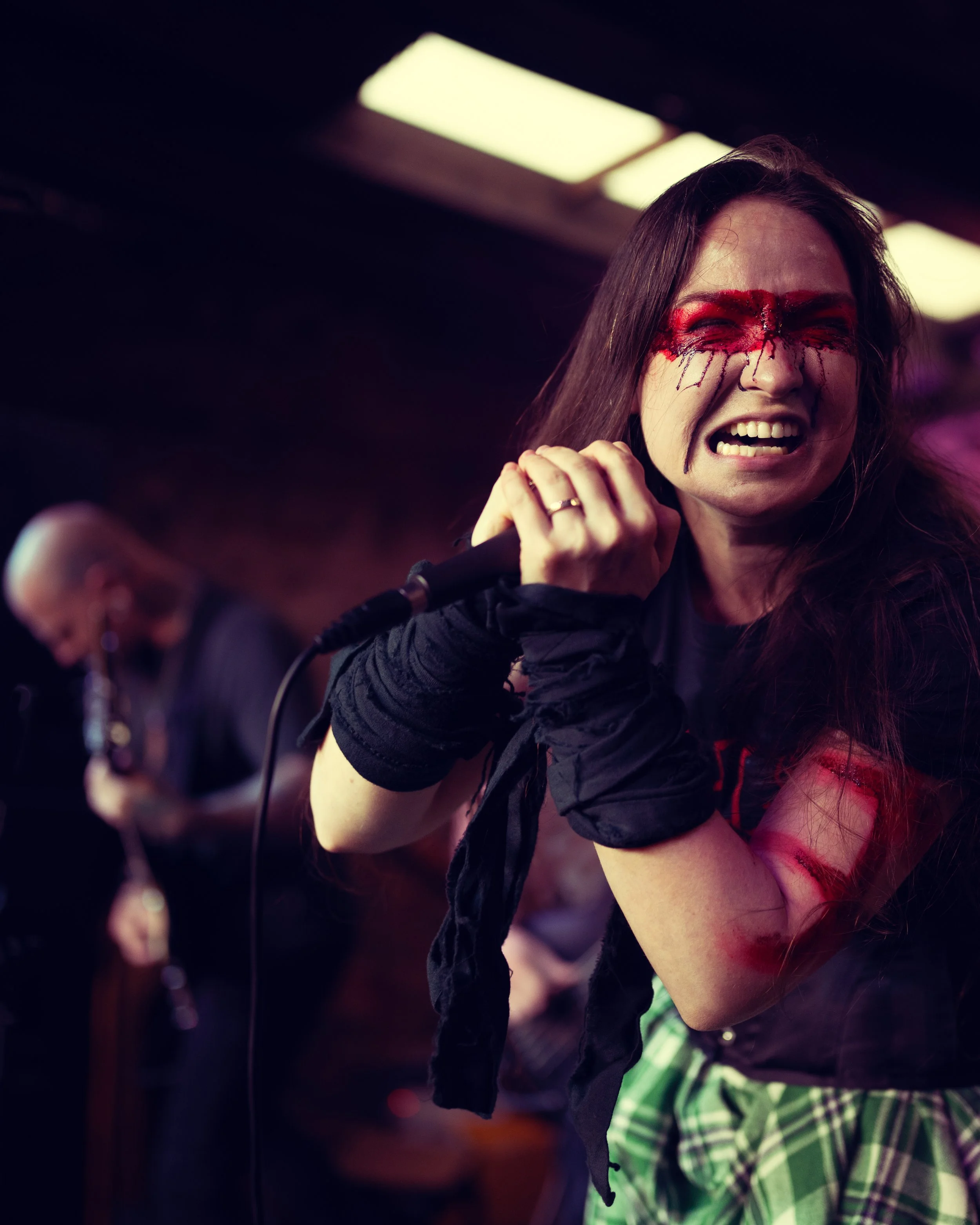
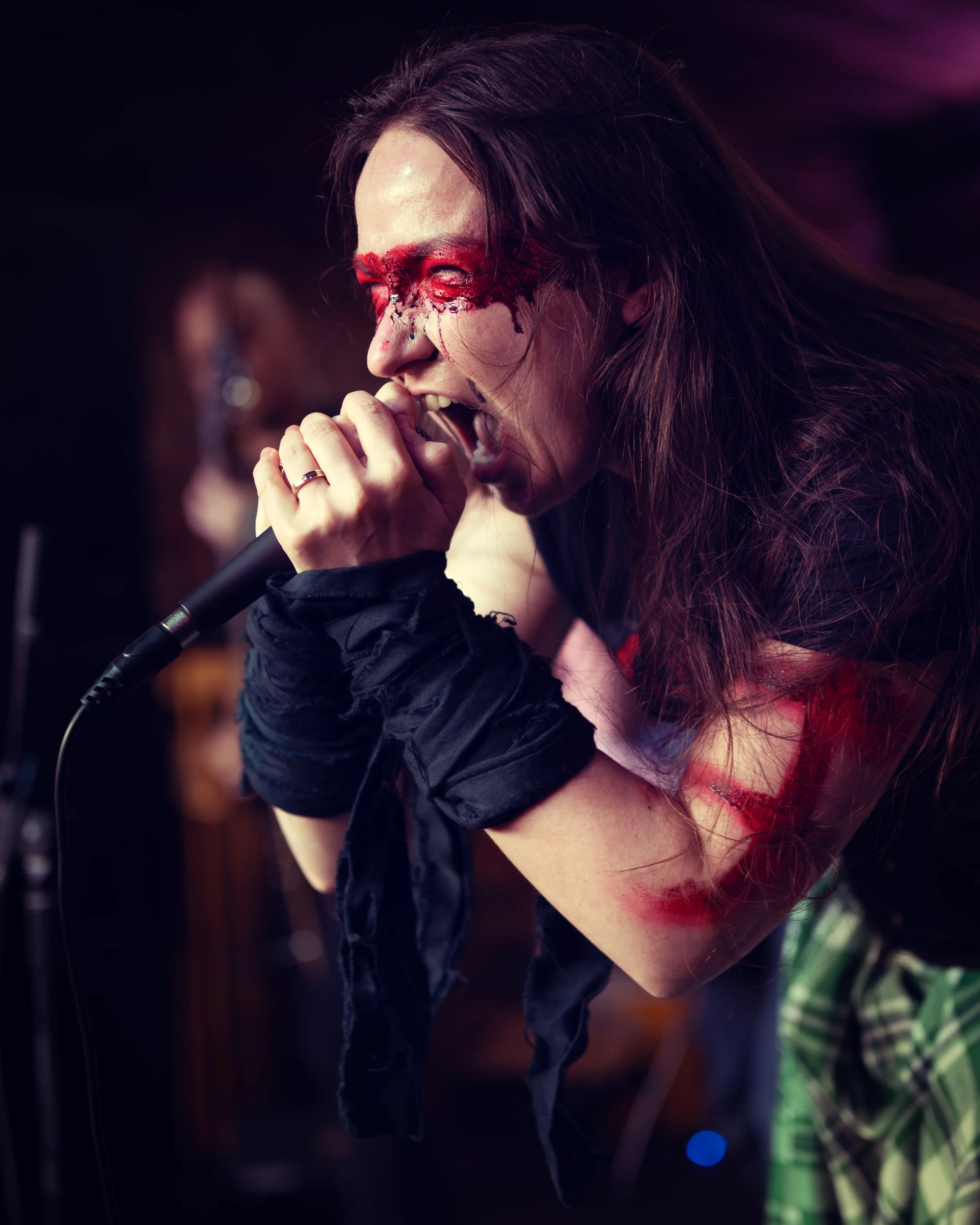
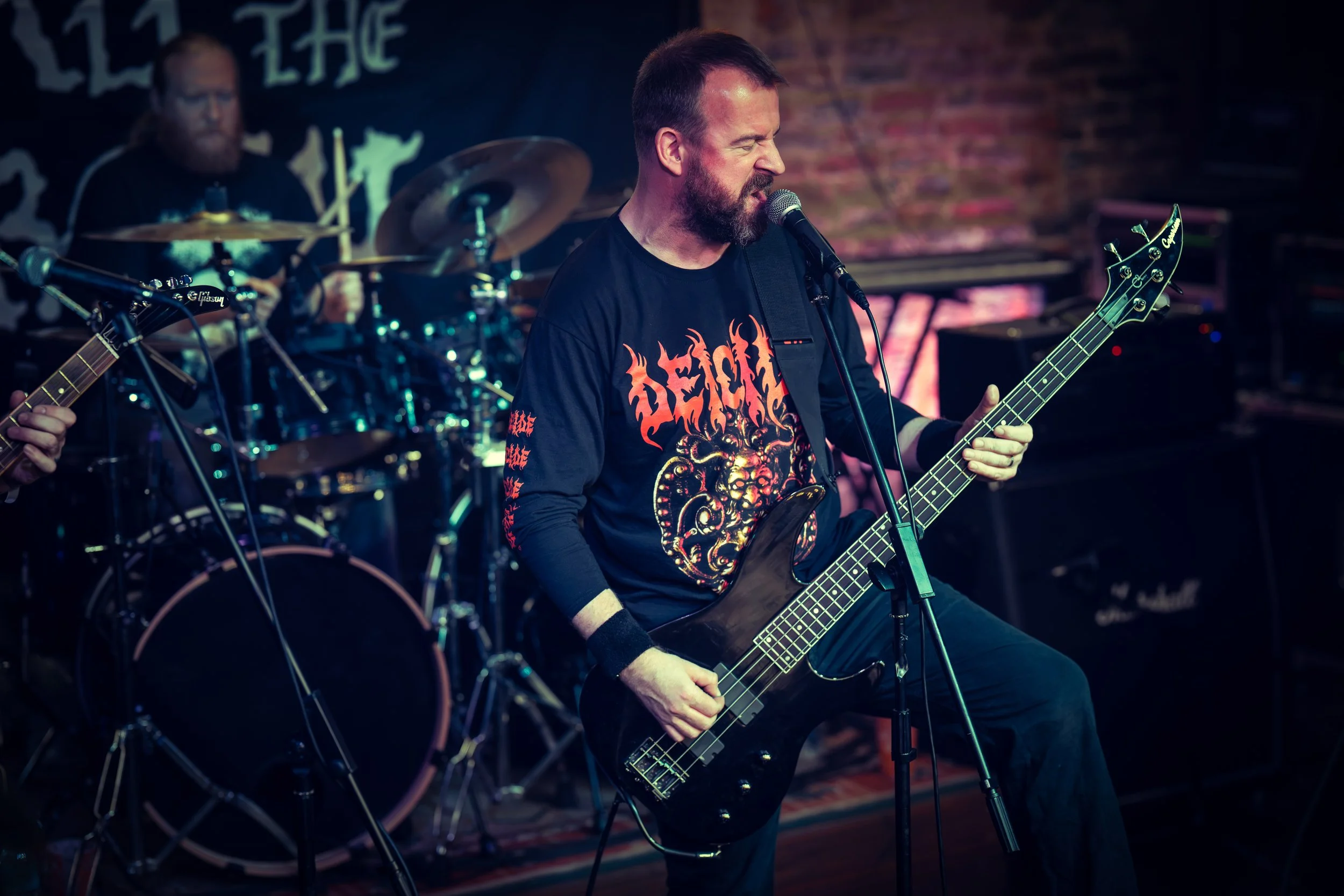
And Magnetar (one of those bands I’ve seen before who played out of their skins here):
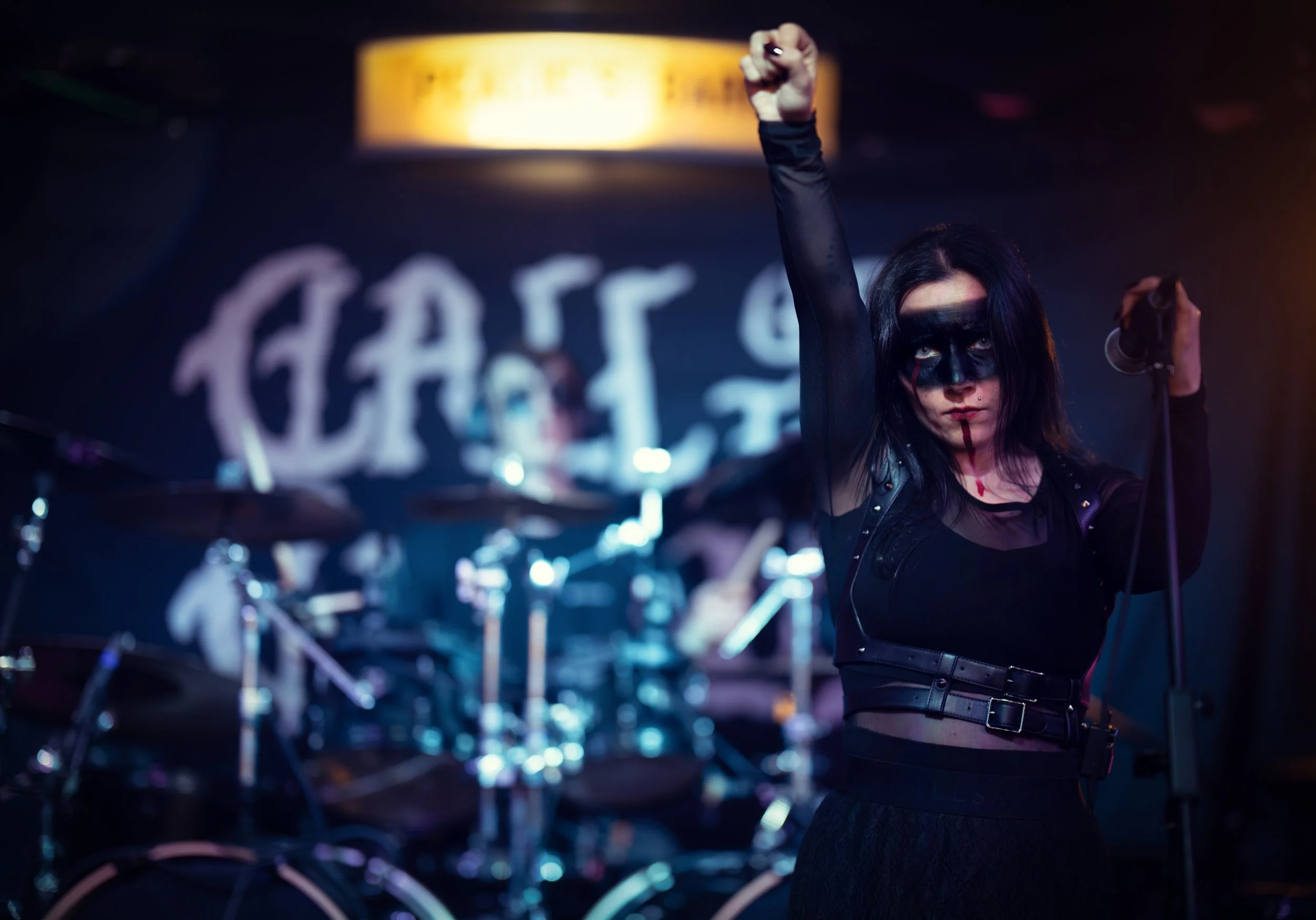
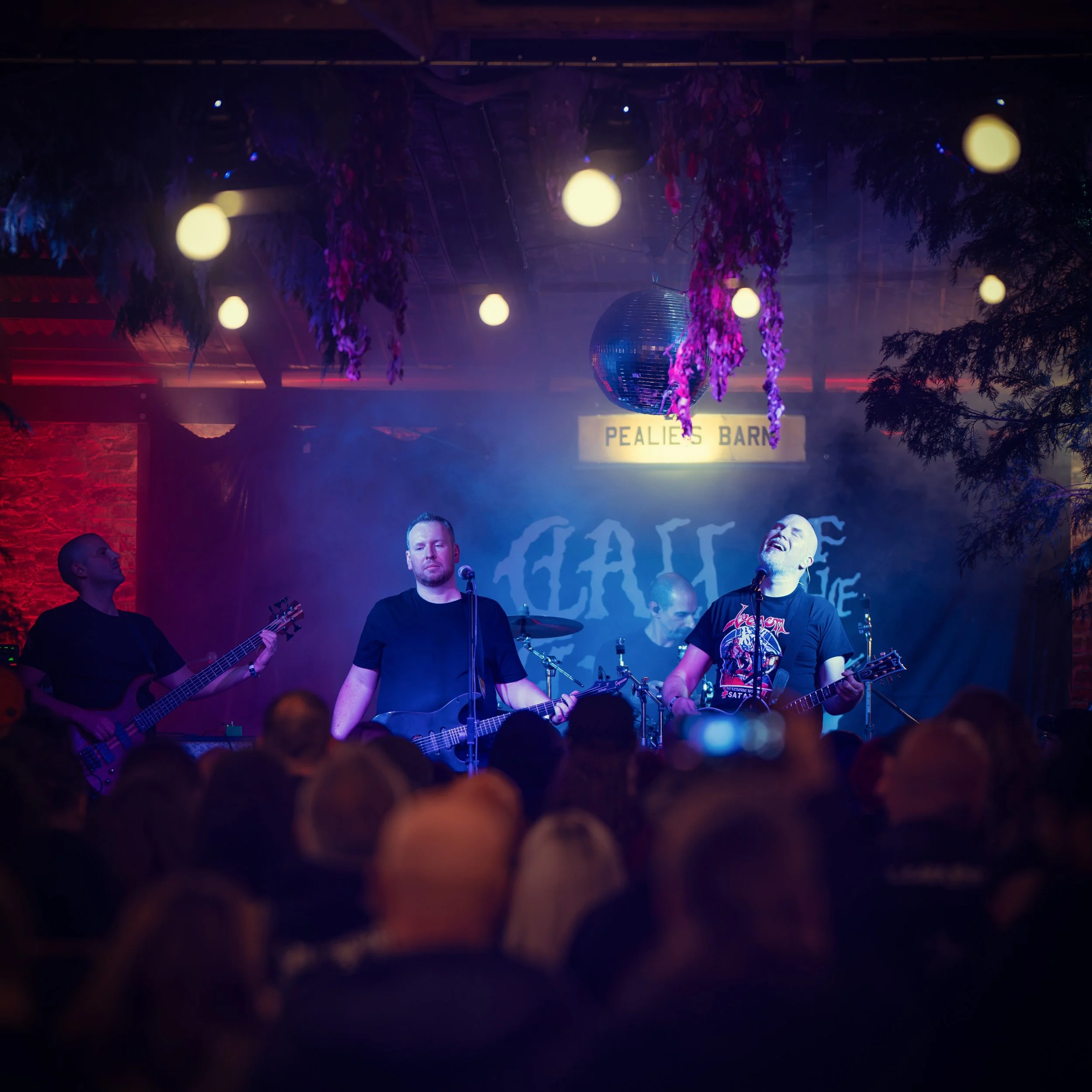
And Bianca and Patristic (both visiting from Italy)
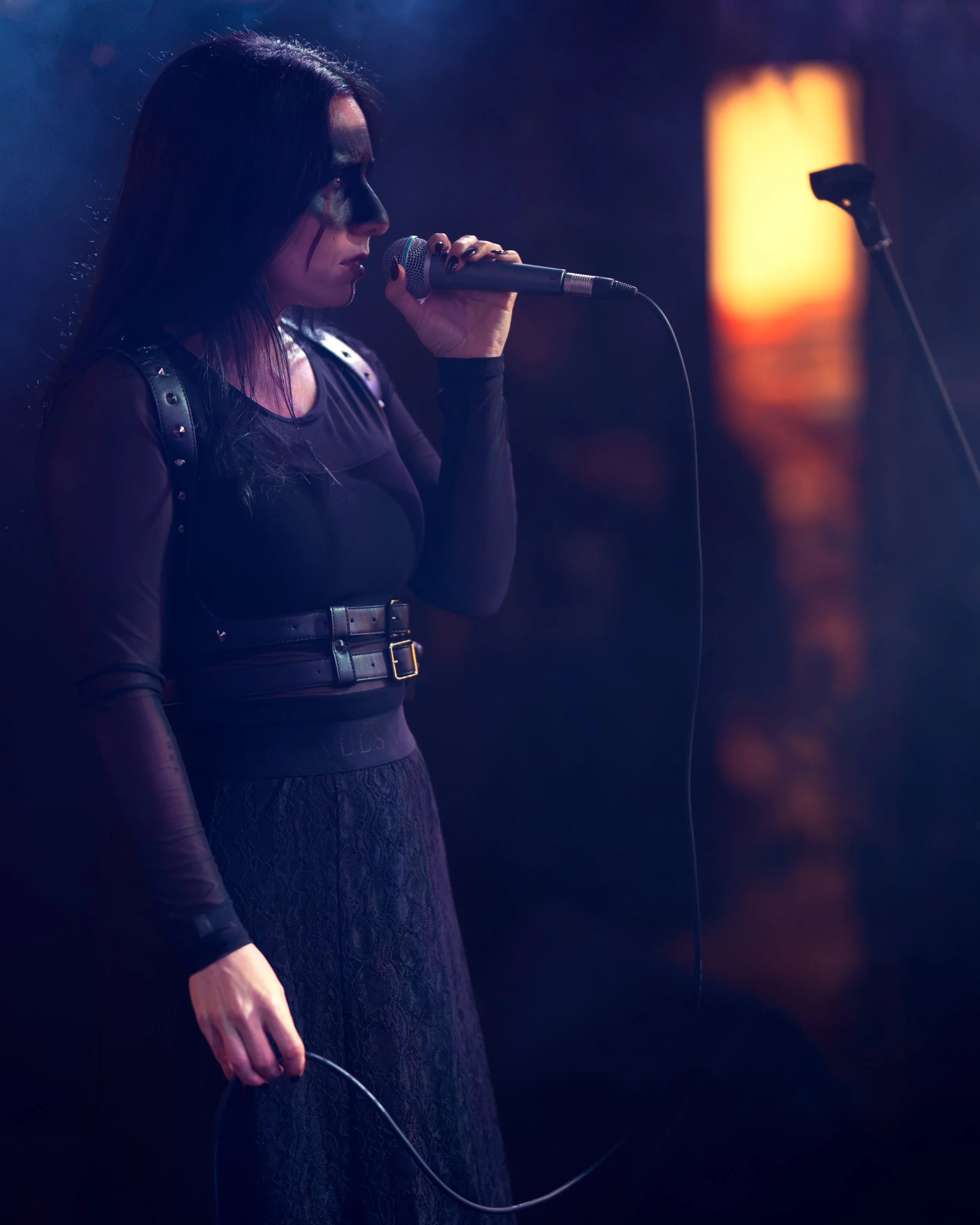
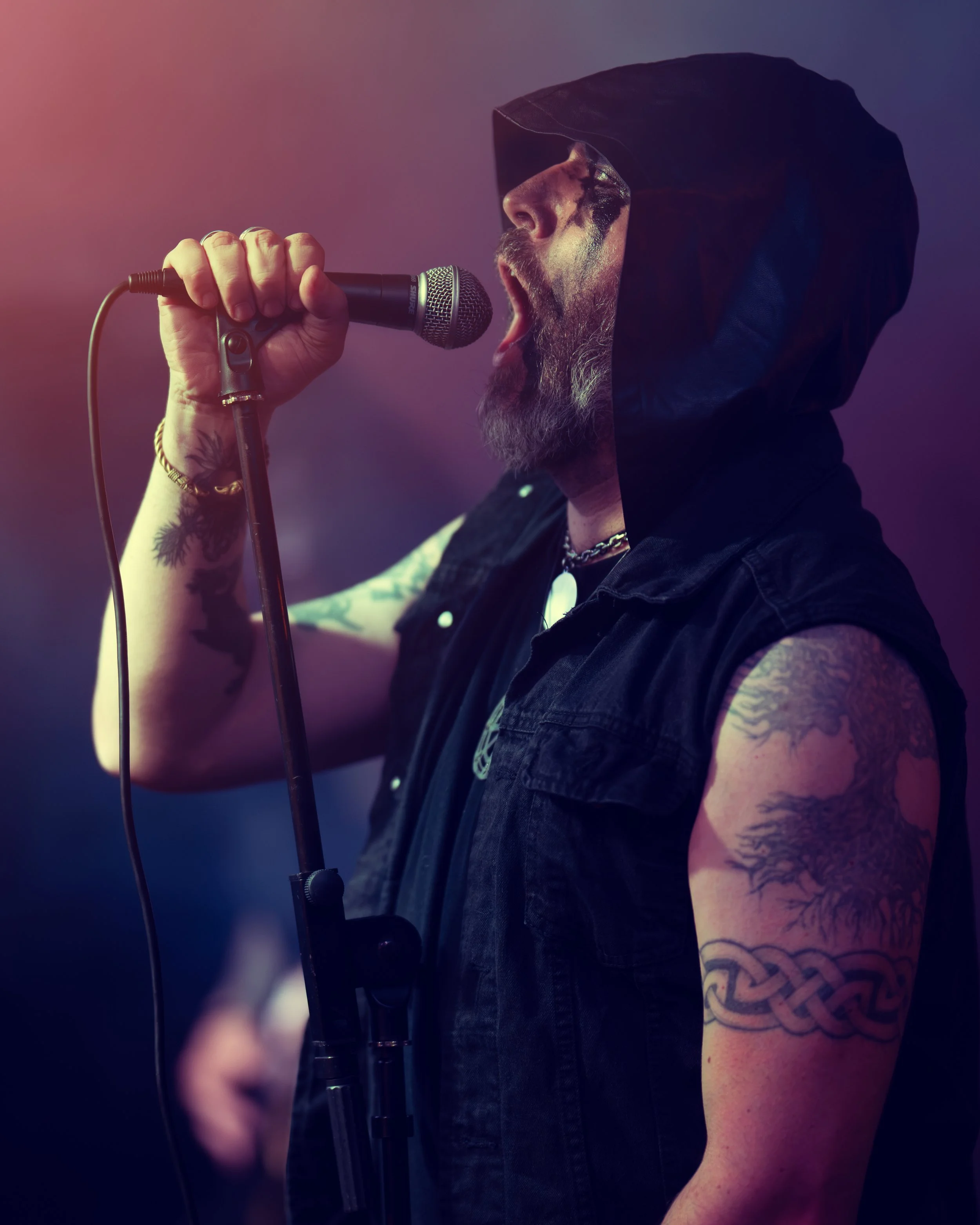
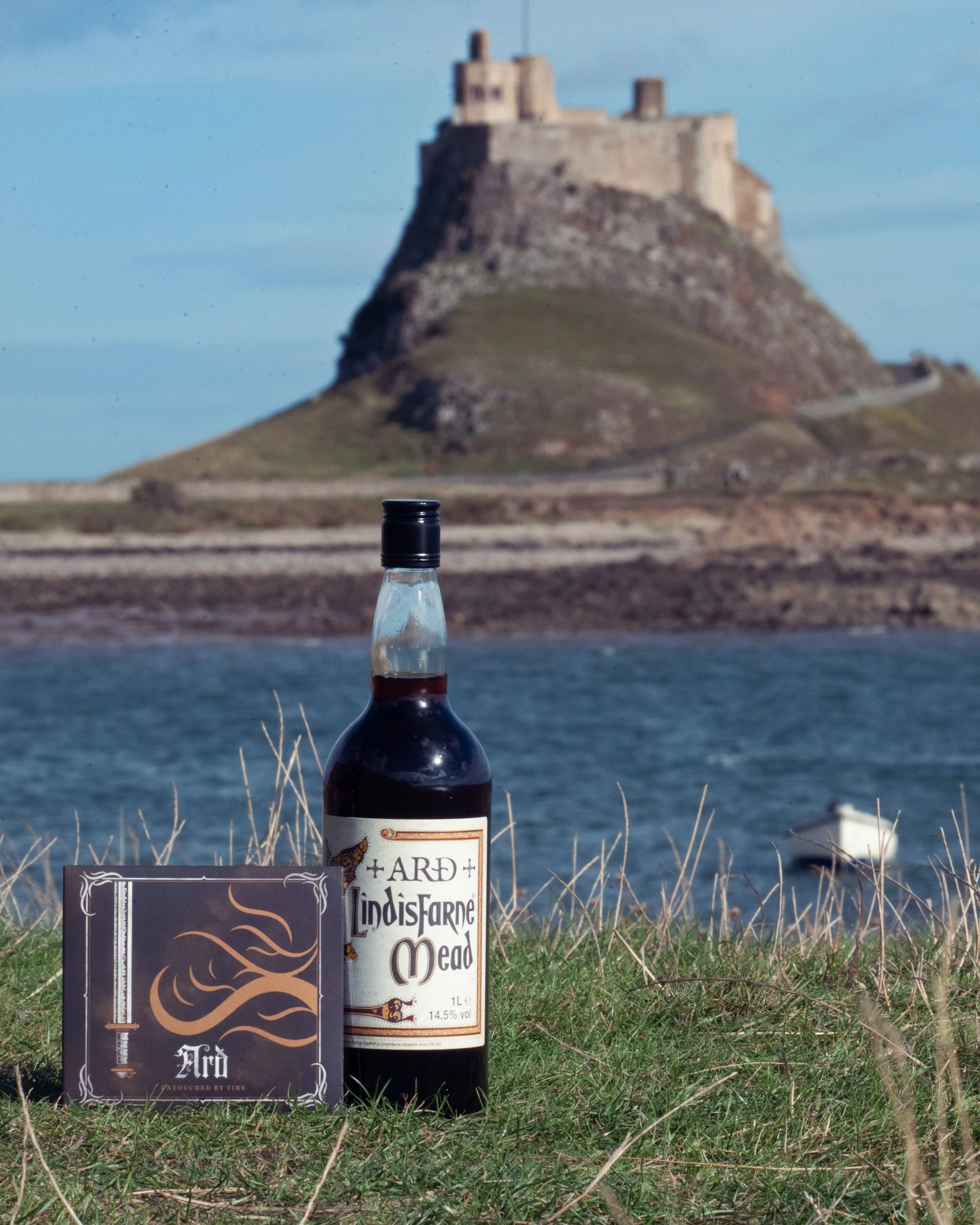
But one particular reason I’d wanted to be at this festival was the presence of the doom band Arð. Their two albums present bleak visions of Northumbrian landscapes and history. The latest makes the life of Saint/King Oswald in a war-ravaged North into a series of bleak and gloomy songs. The first interprets the many years over which monks carried Cuthbert’s, remains from the Holy Isle of Lindisfarne down the Northumberland coast and into Yorkshire, not as the sacred privilege Christian tradition presents it as but as a grim ordeal that took place in the dank Northern weather that British doom is built from.
My dayjob (I’m a historian) involves lots of time on coasts and at sea. I write books, like these…
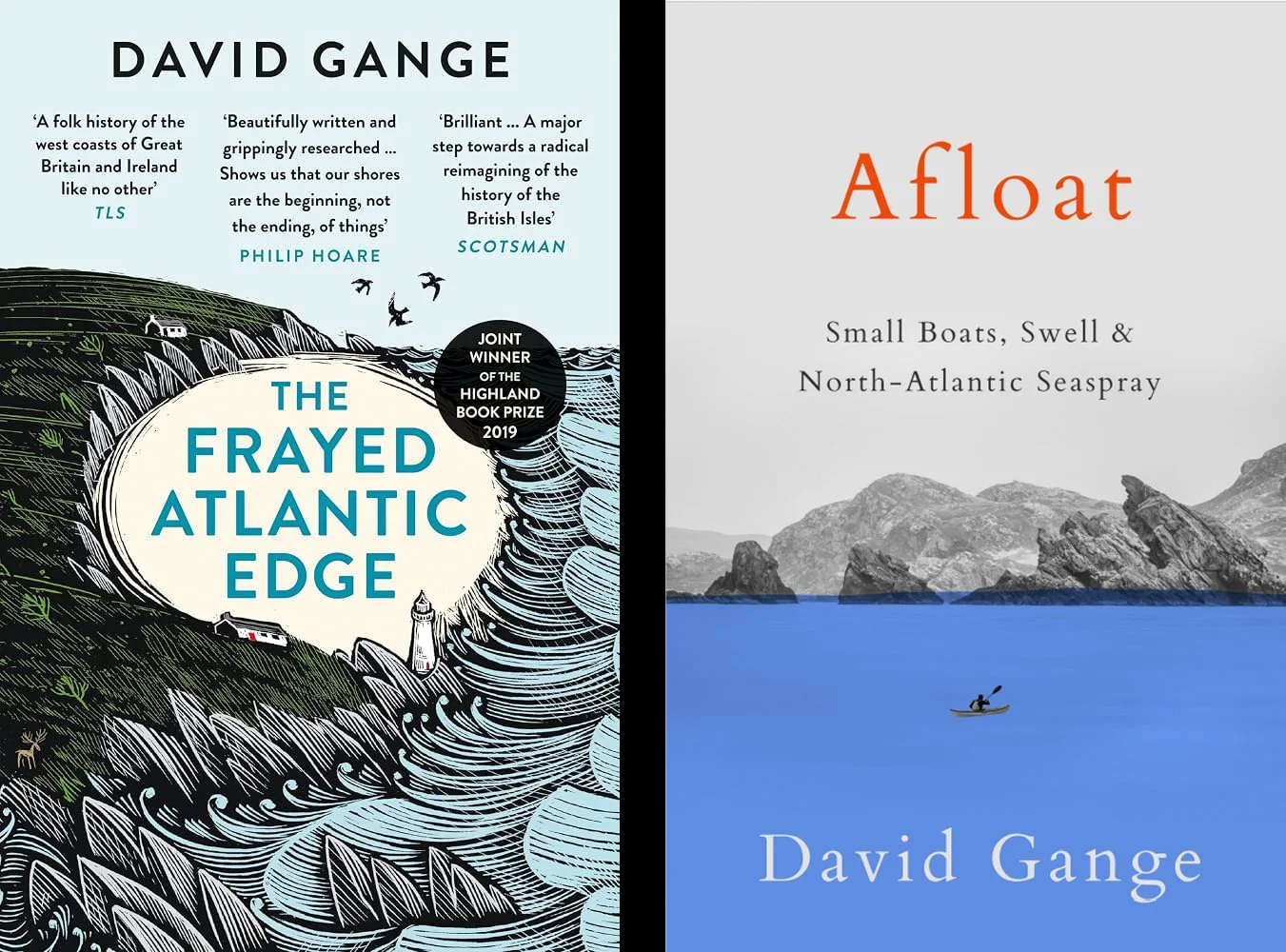
…which involve rowing and paddling small boats long distances to research coastal cultures and their interactions with the ocean.
One of the things I’m writing at the moment is about how metal bands express their connection to places – particularly about how they use rural landscapes and wild scenes (thinking in terms of extremely local connections rather than national frames). So in the run-up to Call of the Crow I went, with my partner, Morgan, on a bleak wet pilgrimage to the sites of Arð’s music – out among the seals, gannets and peregrines to Cuthbert’s chapel on the Farne Islands…
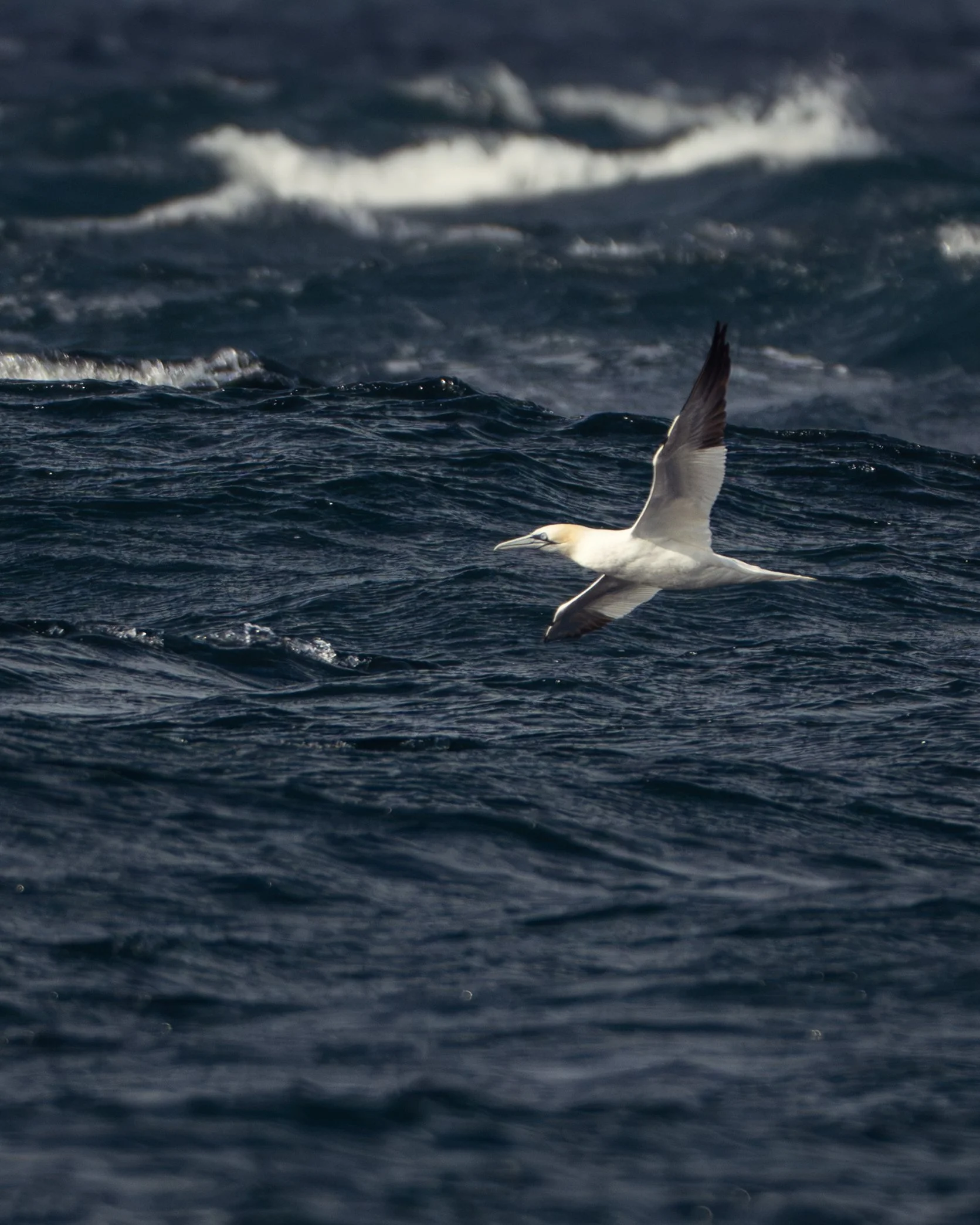
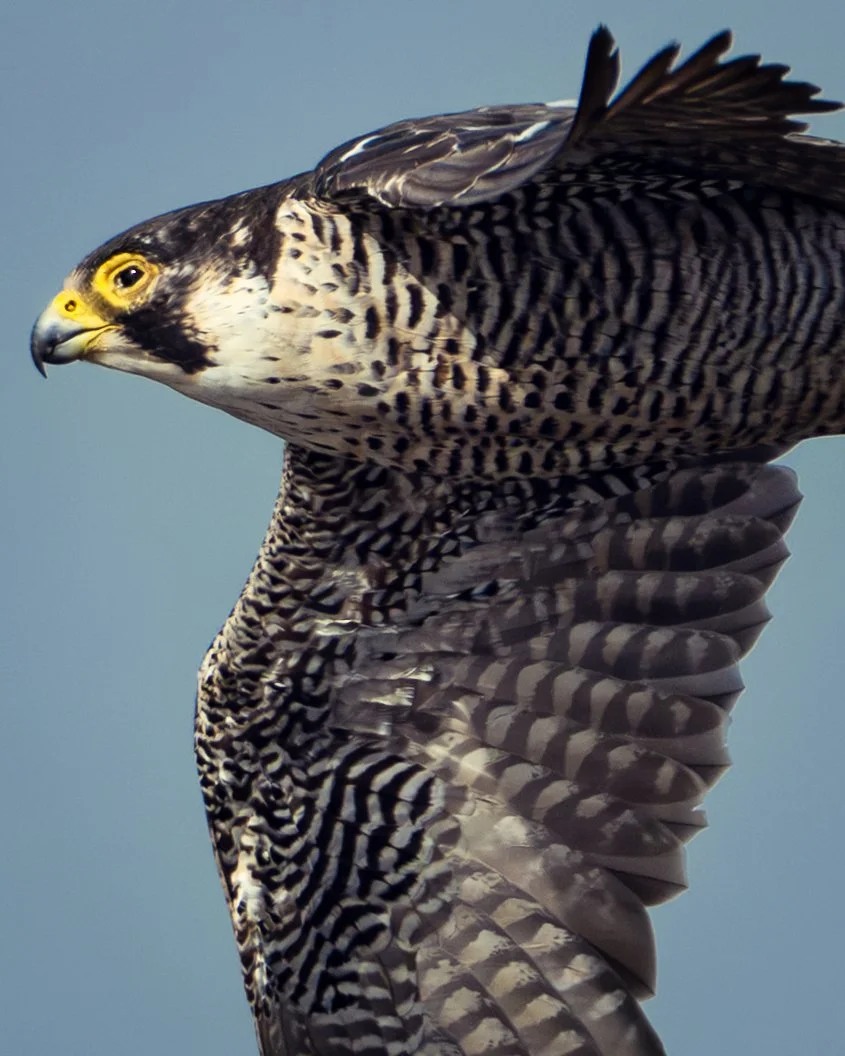
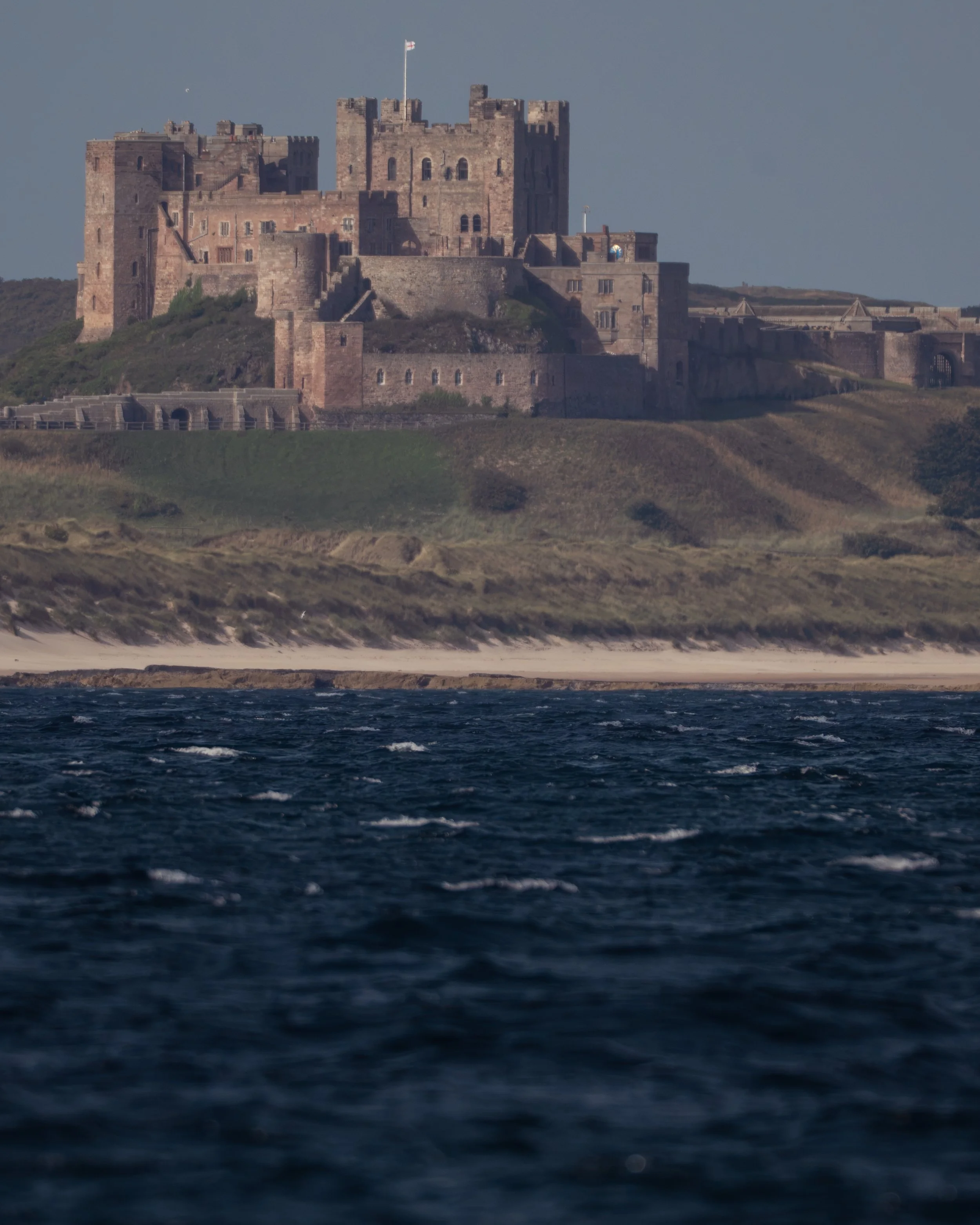
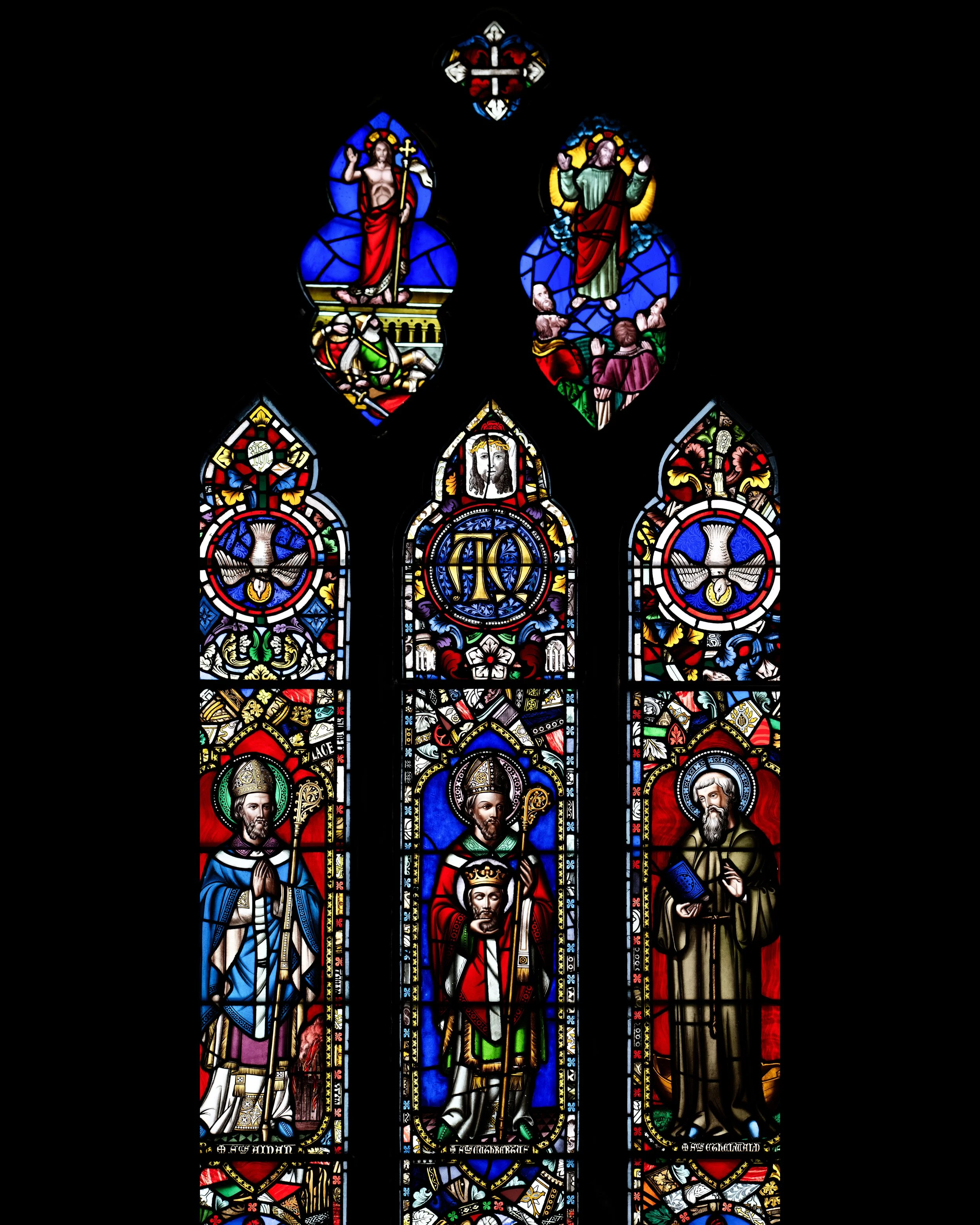
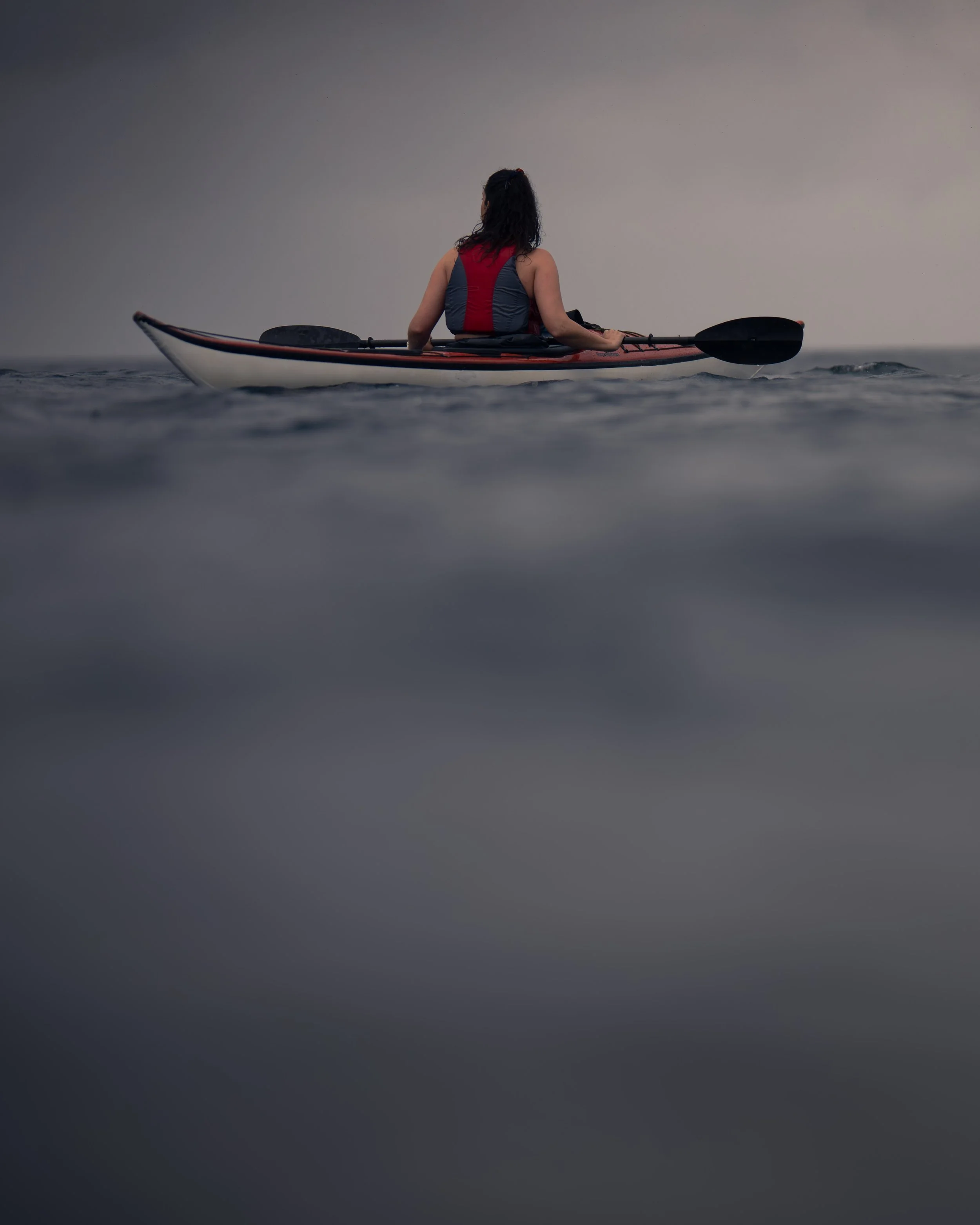
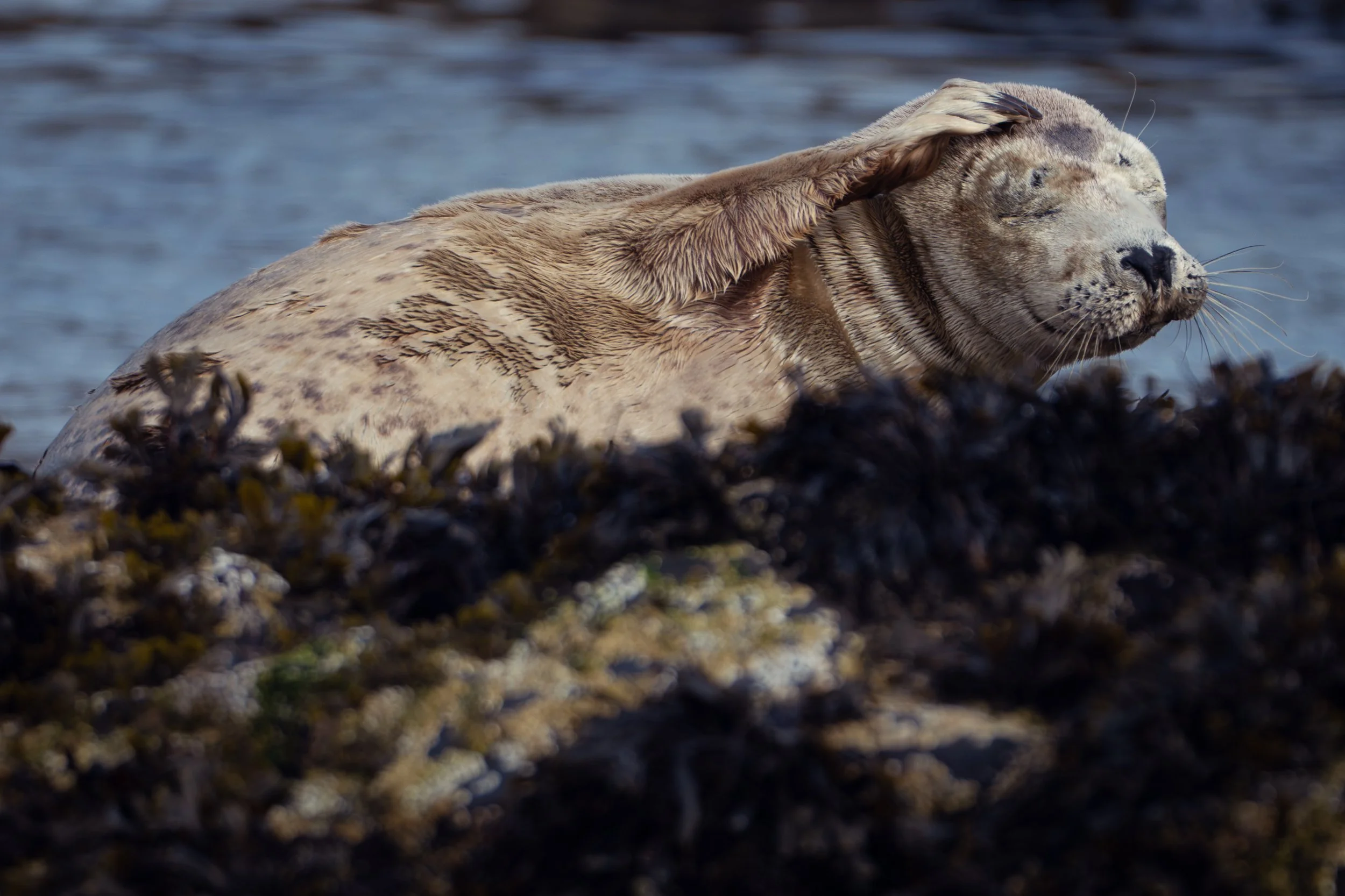
…then to Holy Island where I got some Arð mead (one of the most unlikely product tie-ins for a metal band I’ve seen) and drank it while listening to the albums in situ.
We then wandered with the tent (before setting it up on the Call of the Crow campsite) across the hillsides where the bones were carried.
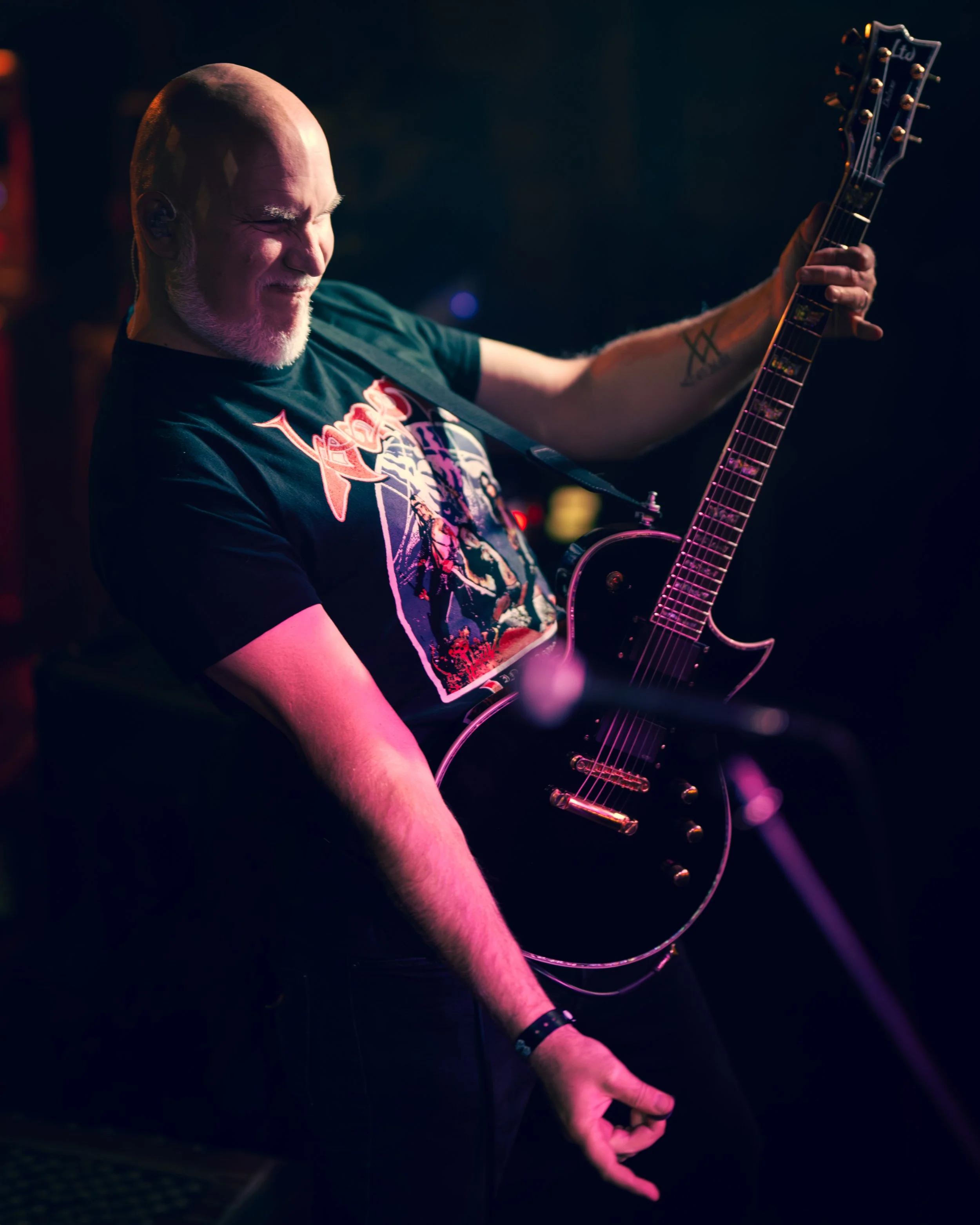
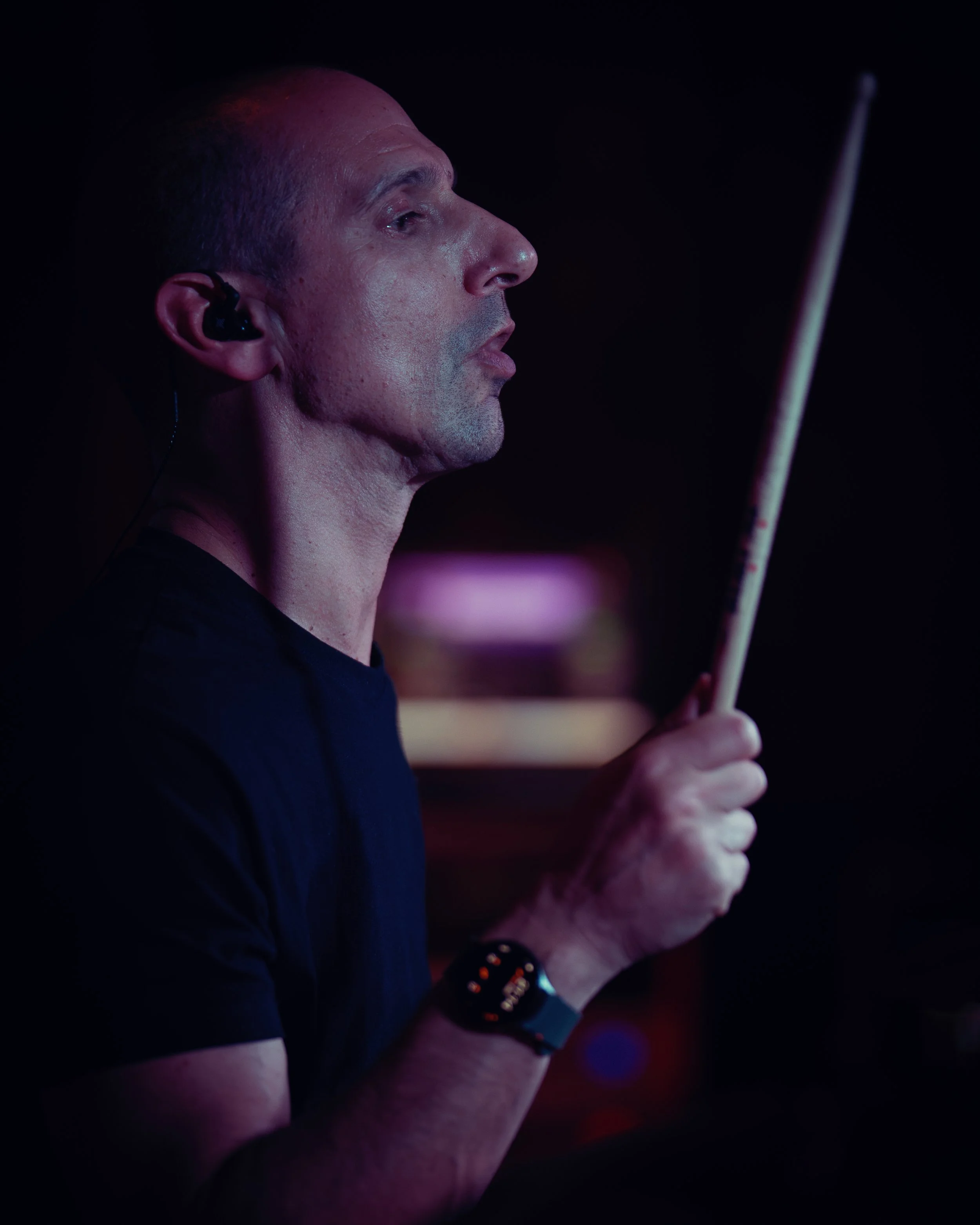
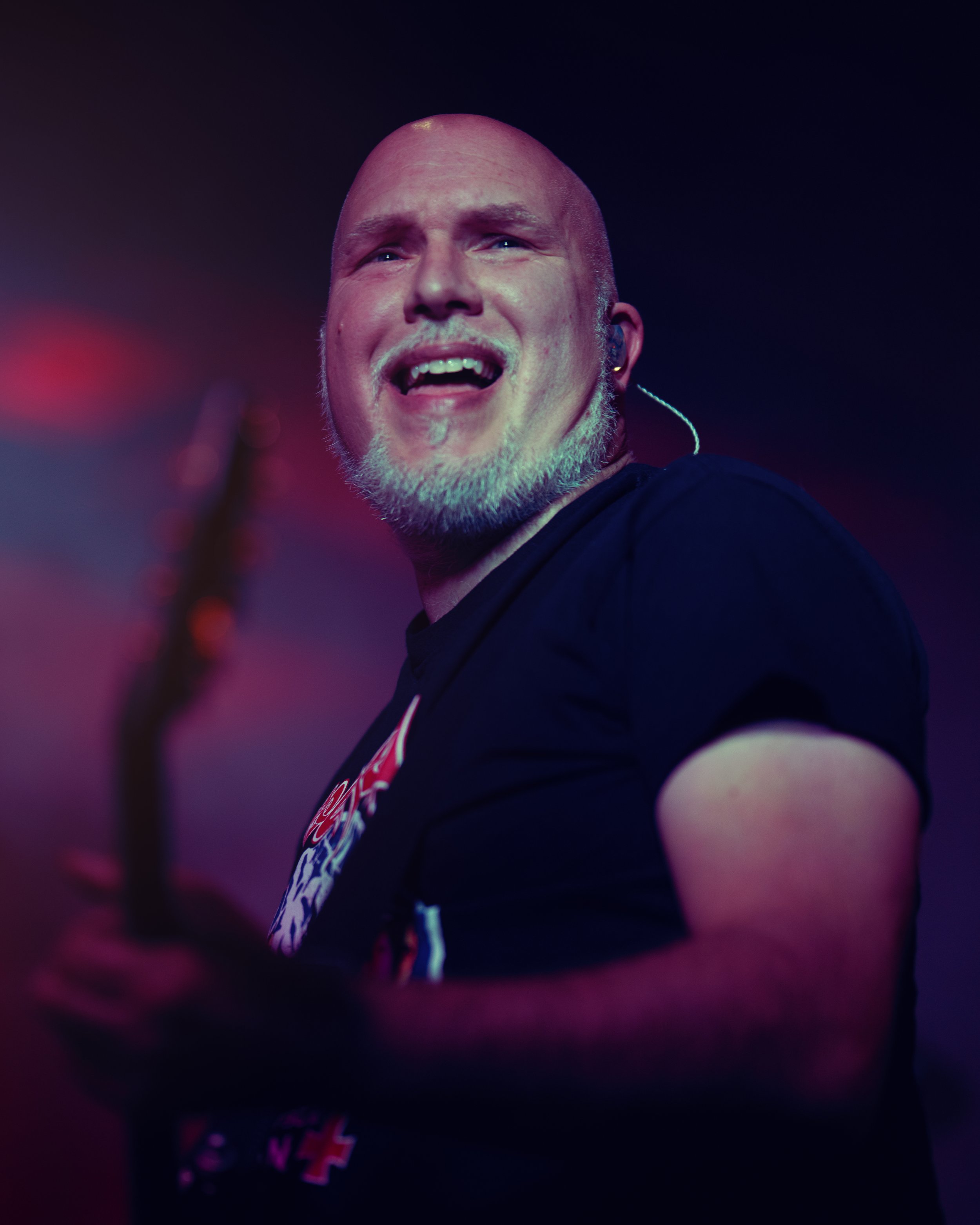
At the festival, I interviewed Arð’s Mark Deeks (more on the interview in a future post) and shot their show. This was another deeply immersive set, the monkish chants (Mark has run choirs for decades and written his choral knowledge into the fabric of Arð) were ideal for the historic setting. The band Deeks gathered round him, including Paradise Lost’s drummer (Jeff Singer) made this rare Arð performance a spectacular occasion.
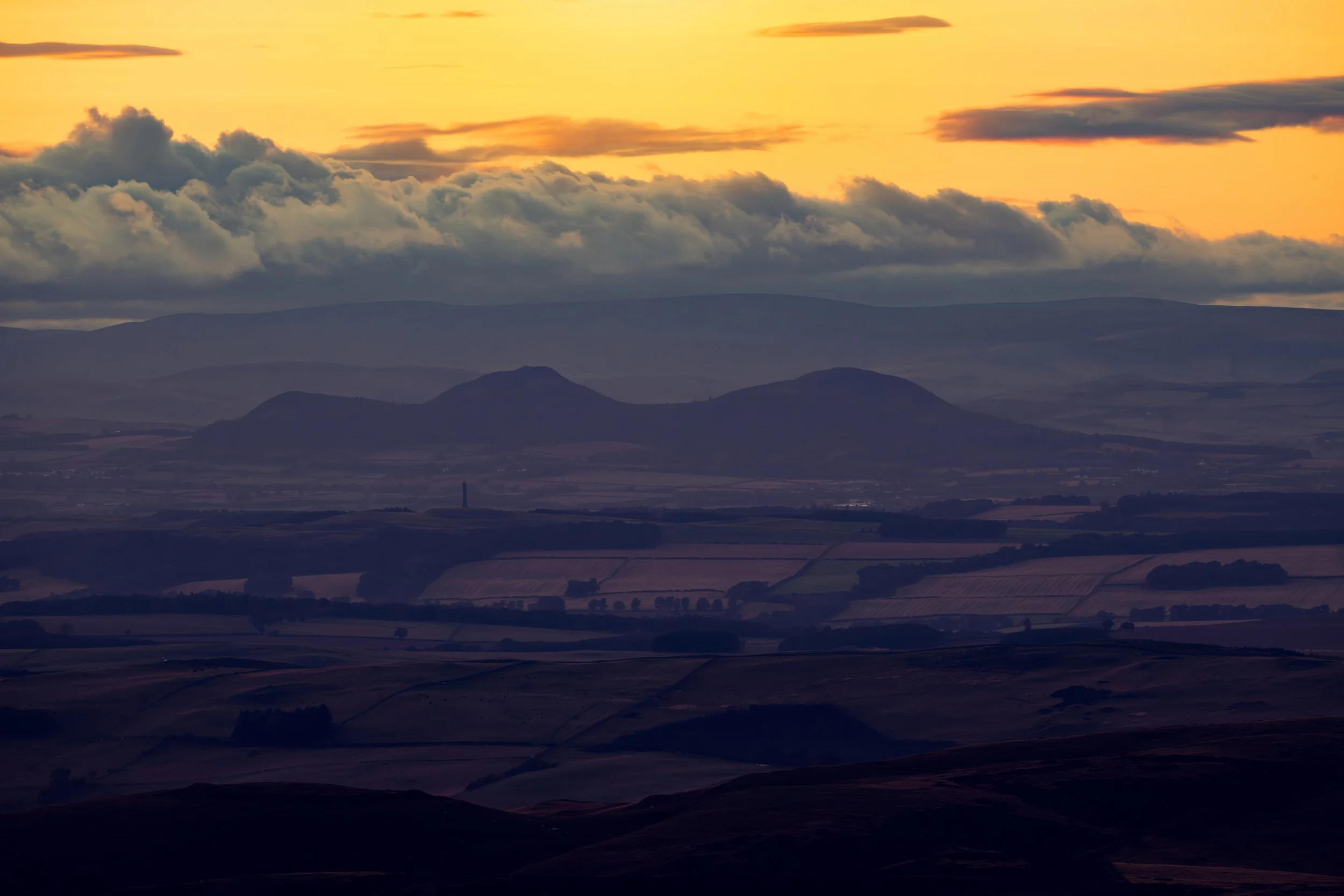
Next morning I went with one of the other photographers, James, on a quest for ruins near the festival site. This was when we discovered that a local disused church was on the site of a spot the monks with Cuthbert’s bones had rested. With a bit of local assistance we managed to get to the top of the locked church tower and survey the local landscape, hanging our battle jackets from the medieval pinnacles and crockets.
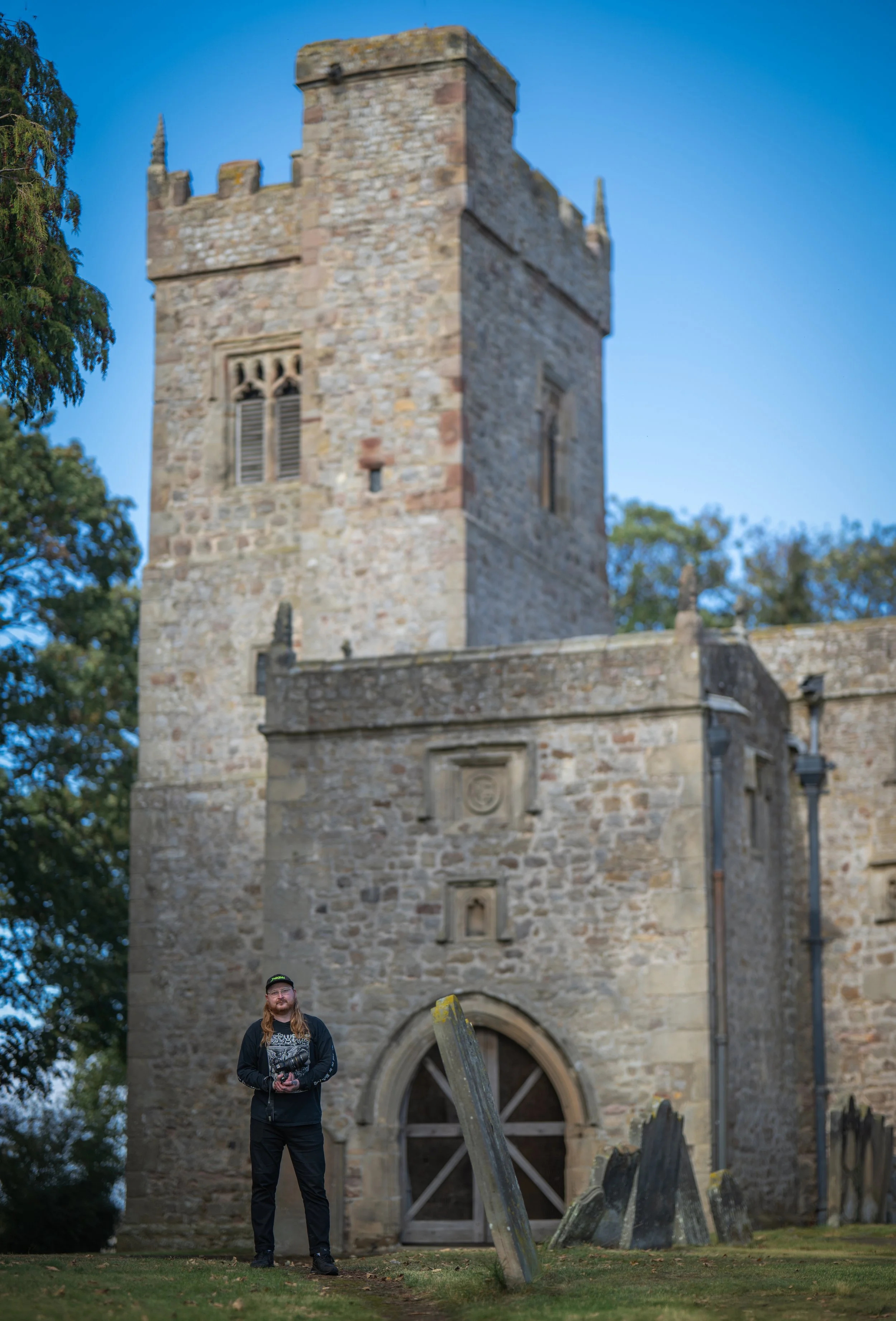
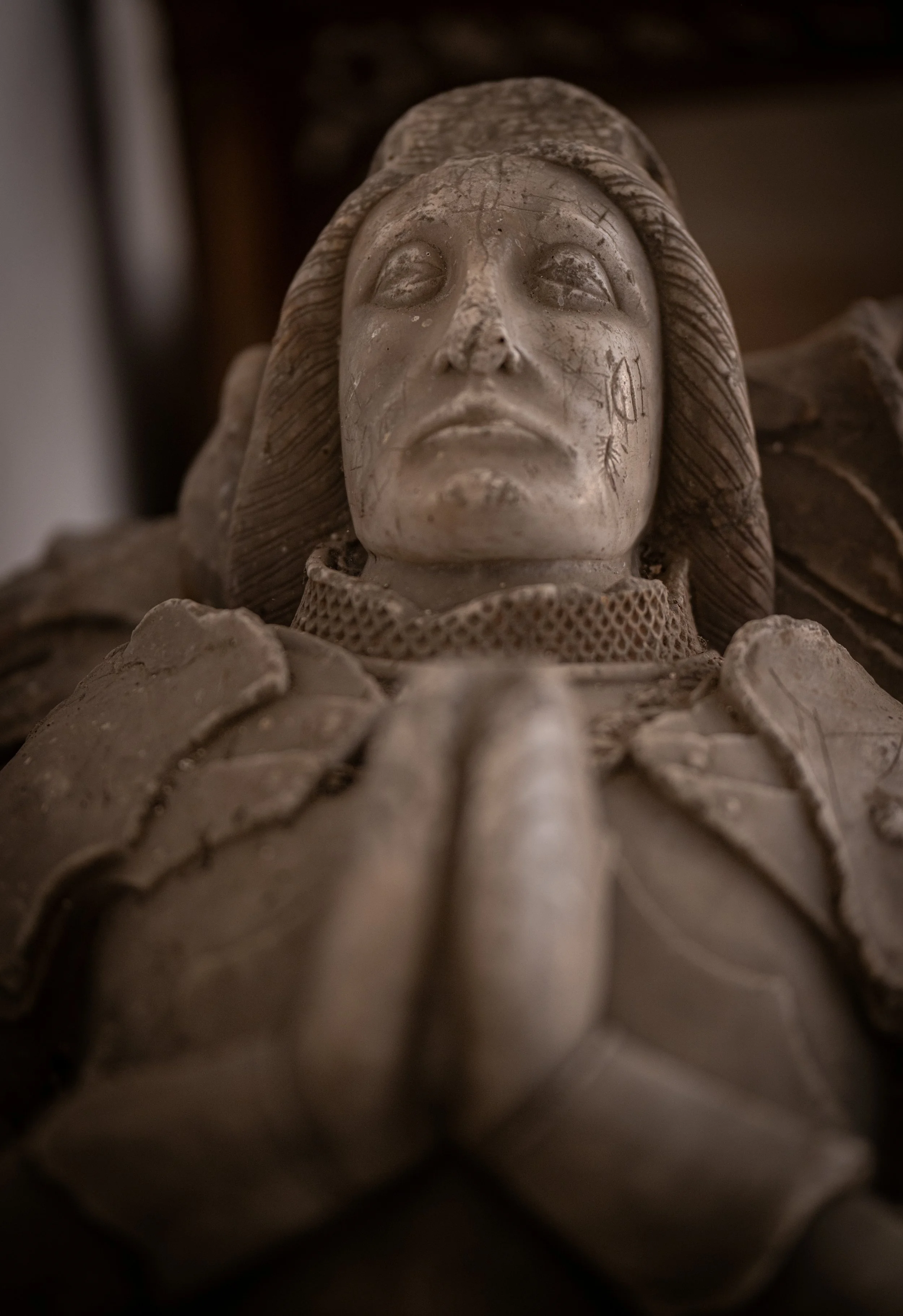
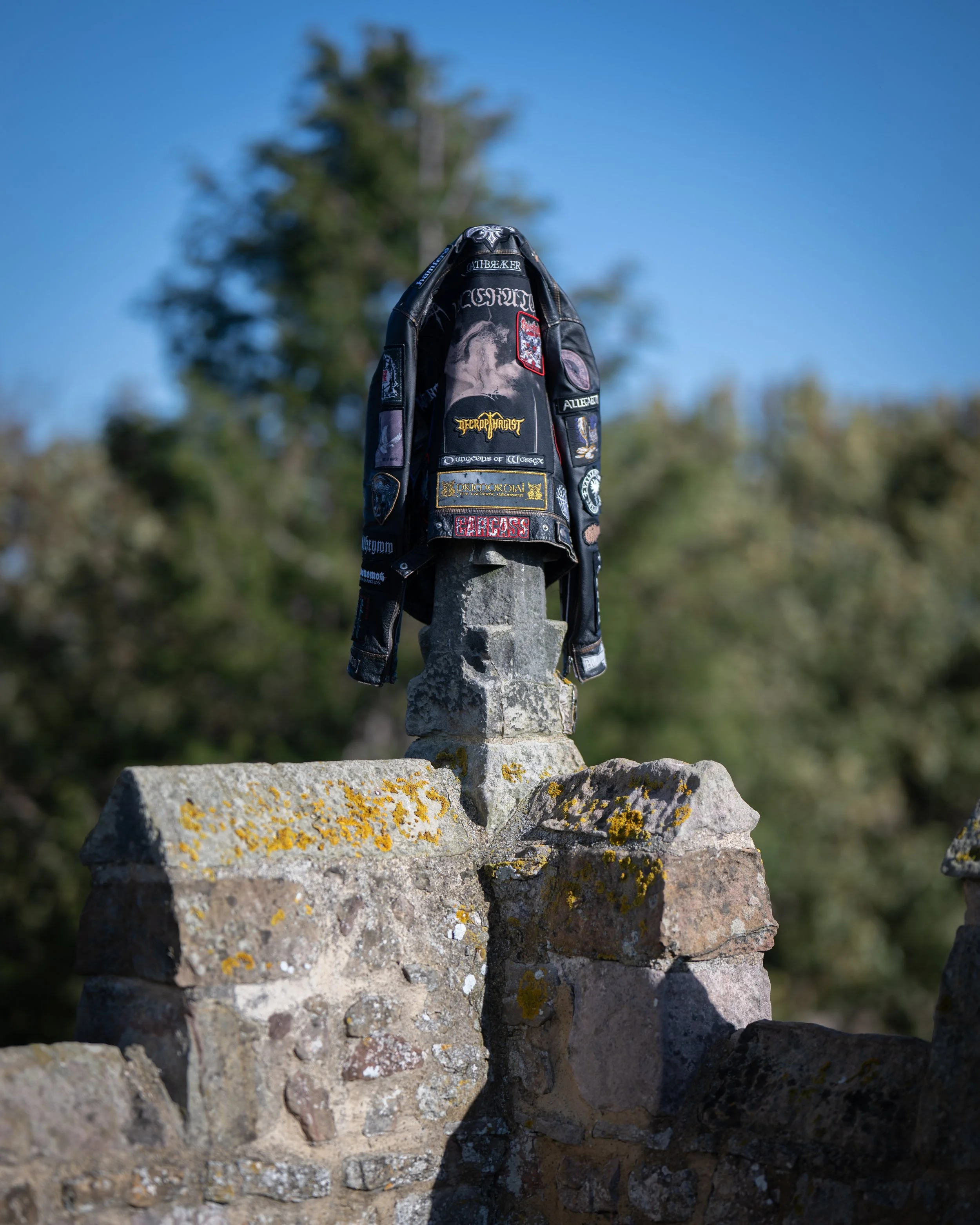
There were so many more amazing bands at Call of the Crow who deserve mentions, from the folkloric metal of Old Corpse Road, to Burial’s Northwest Forest Black Metal, and old school occult black metal from Black Altar.
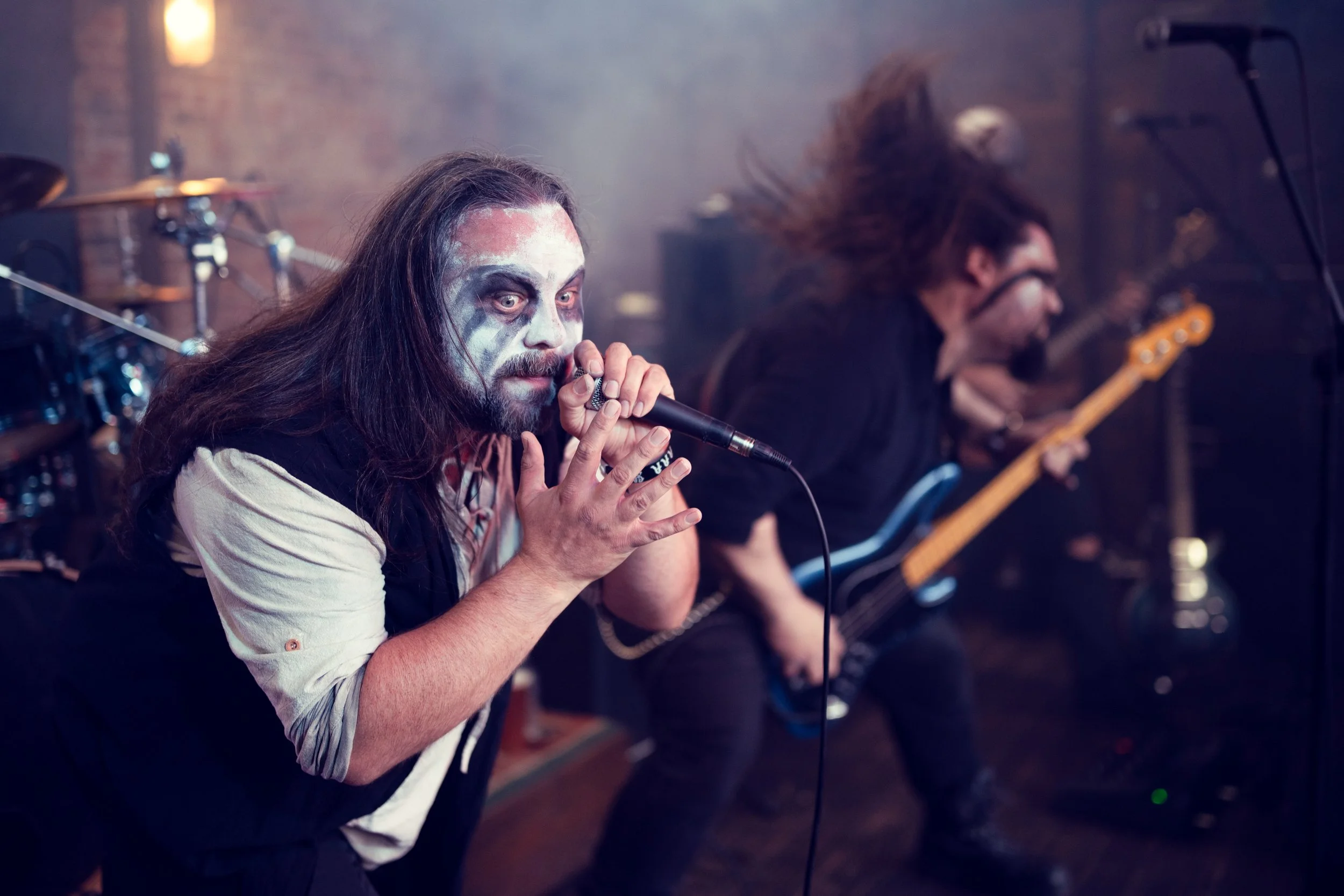
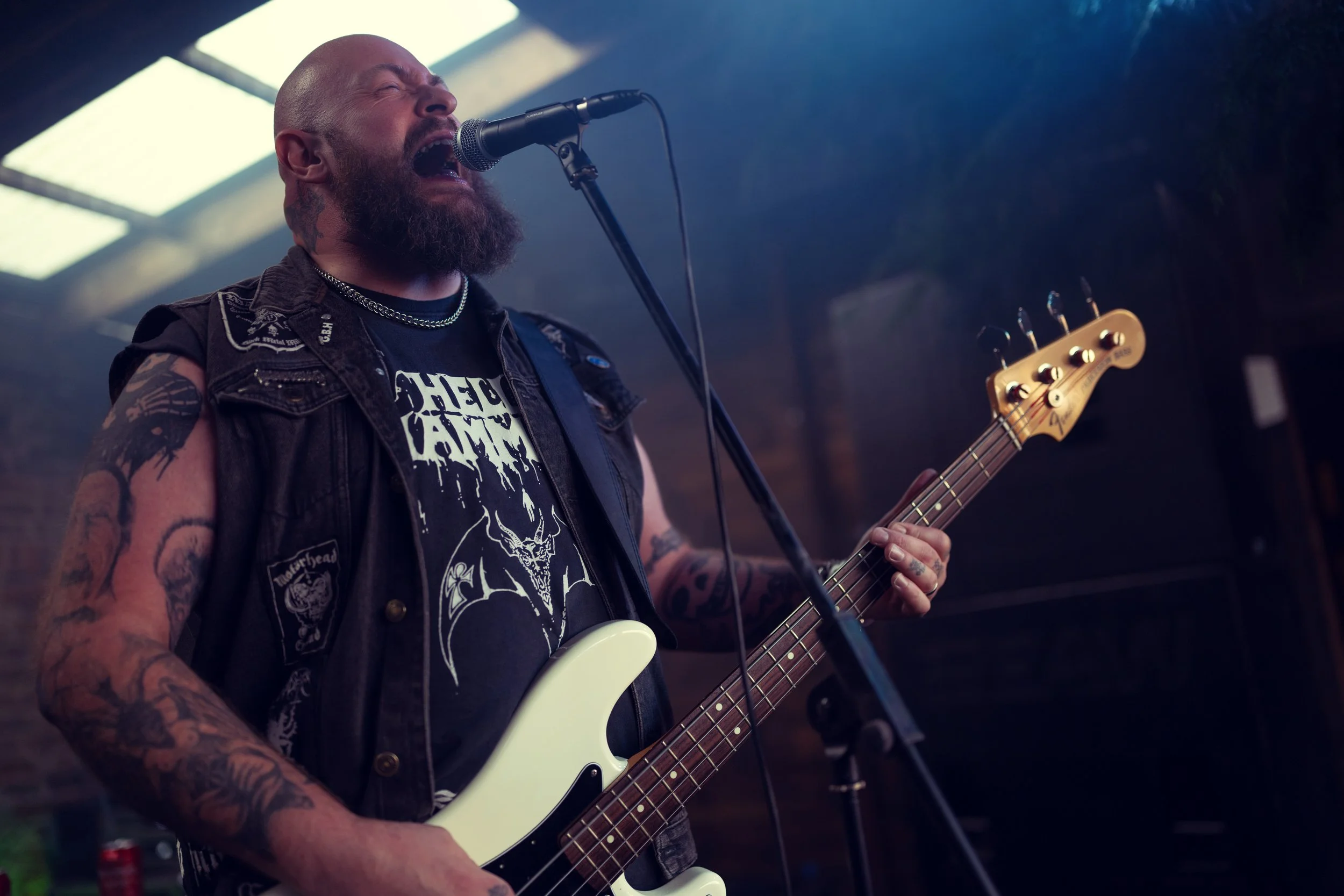
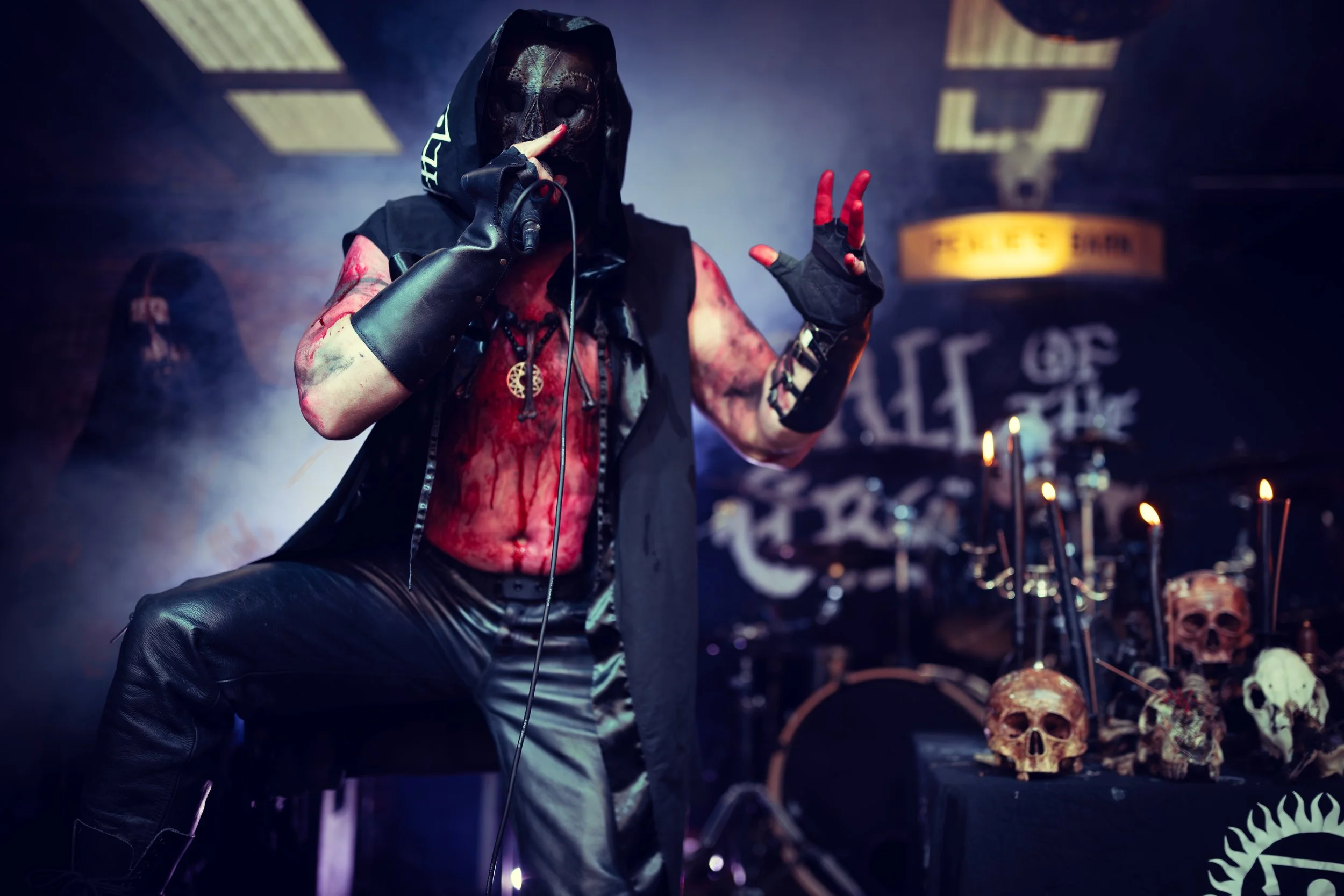
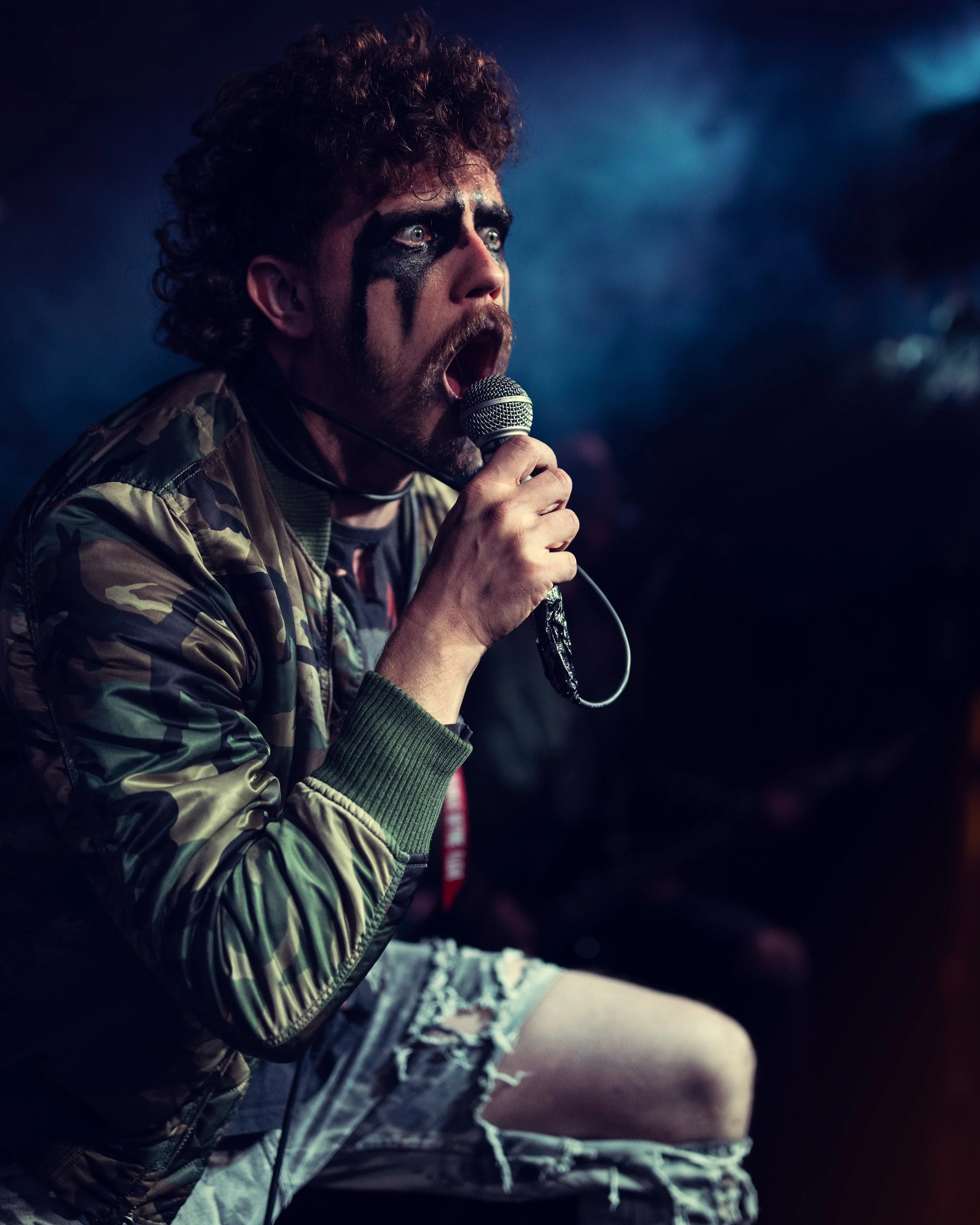
But the ending of Call of the Crow, after Owls Woods Graves’ riotous headline set (their first ever UK show), was particularly special: another masterstroke of festival pacing.
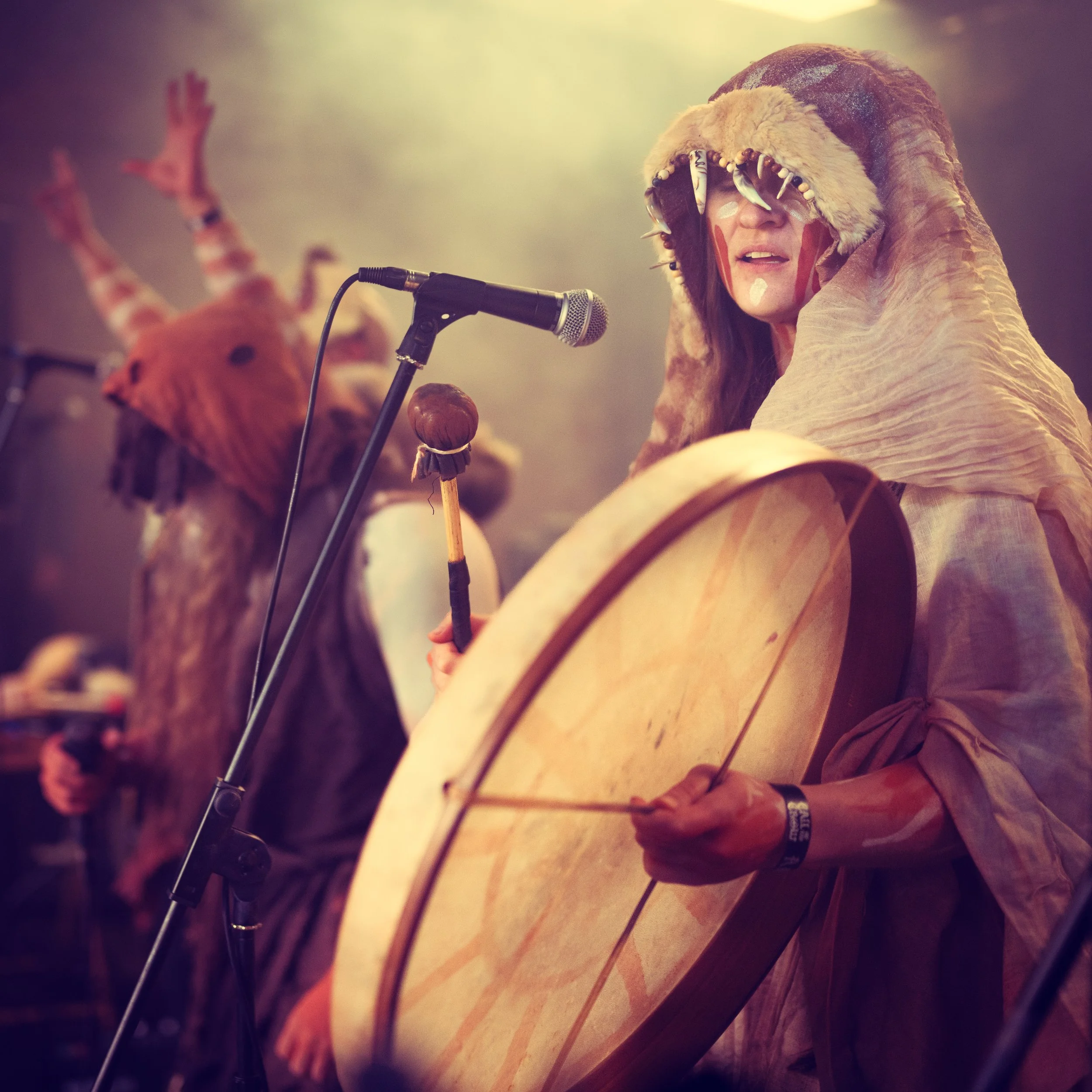
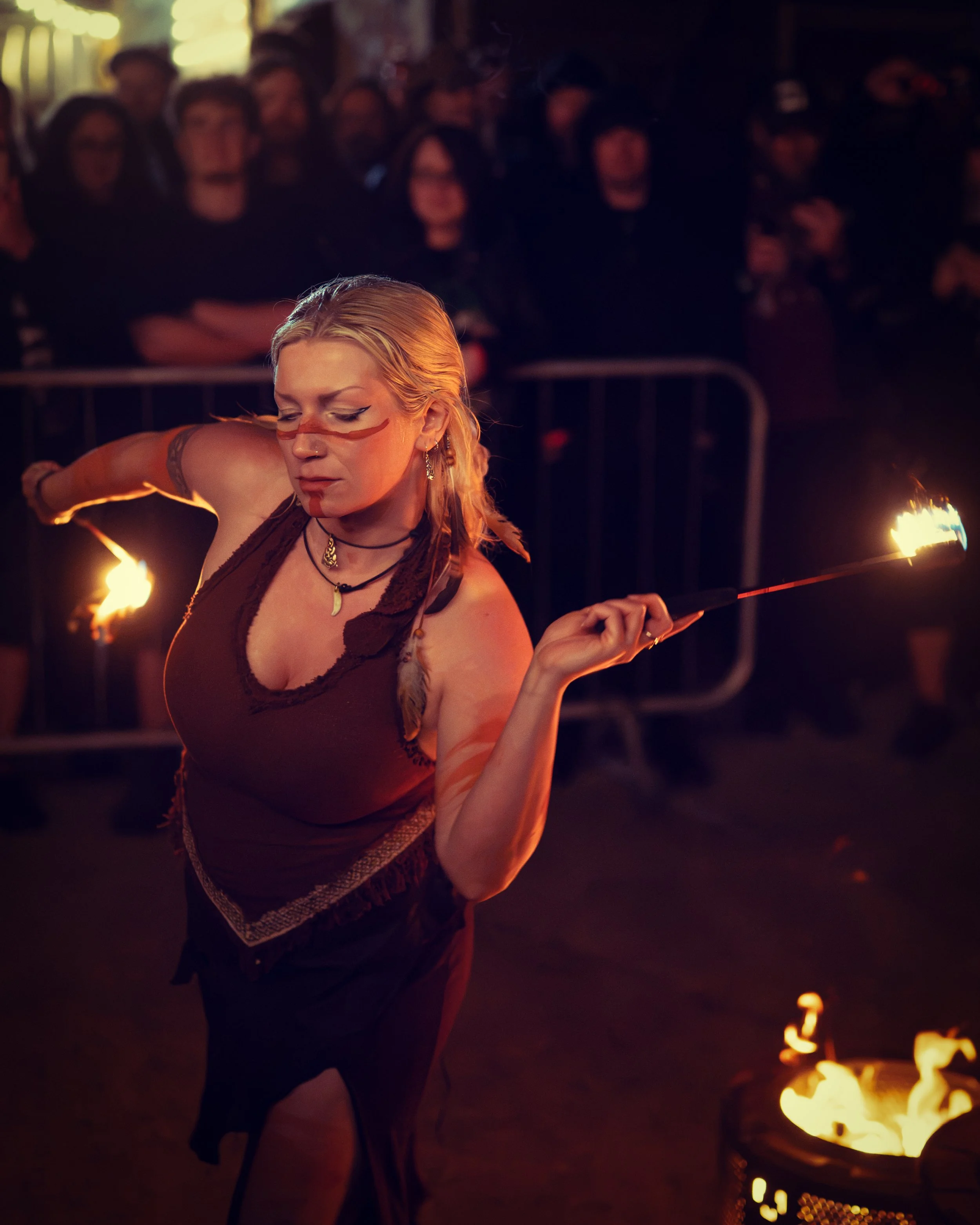
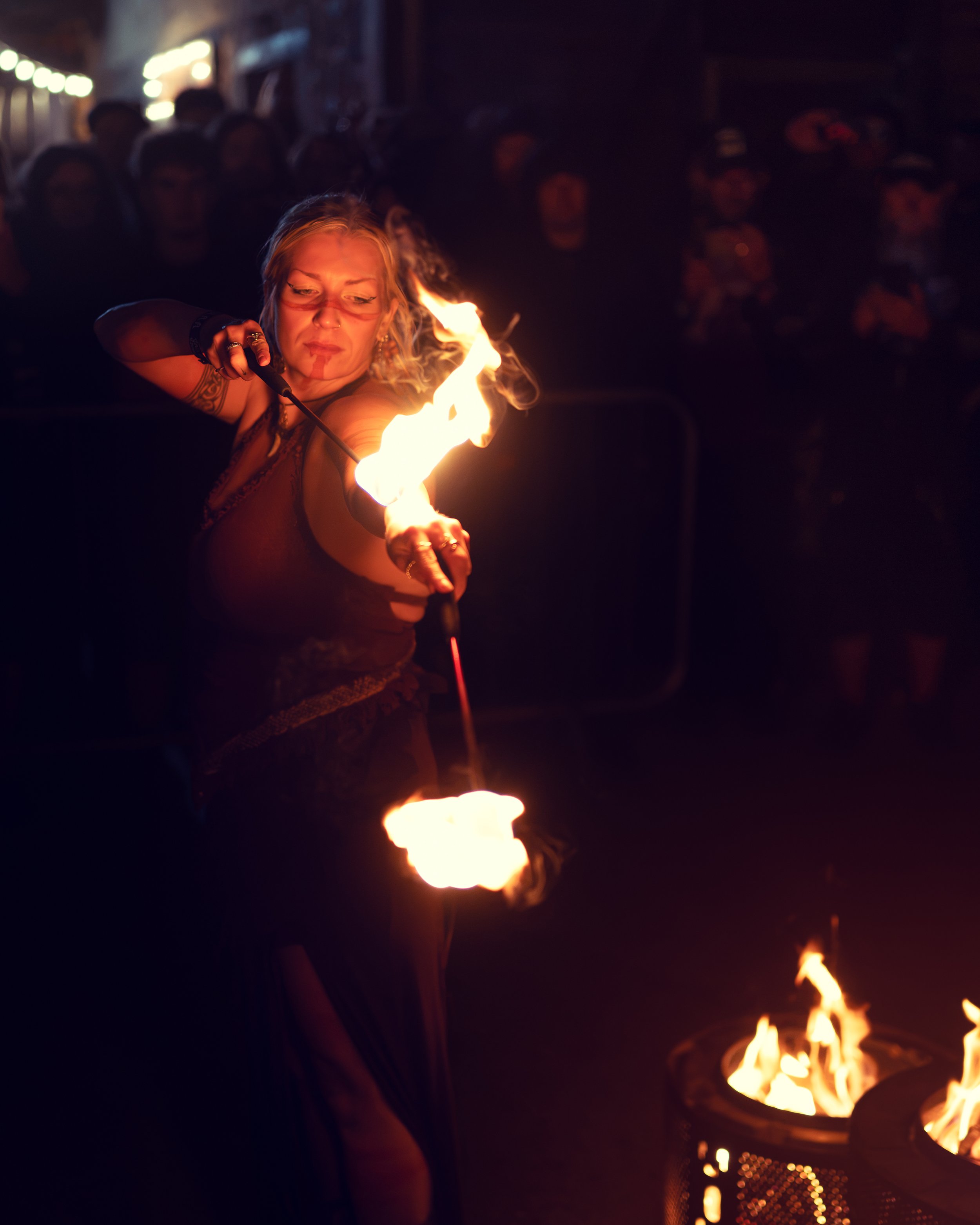
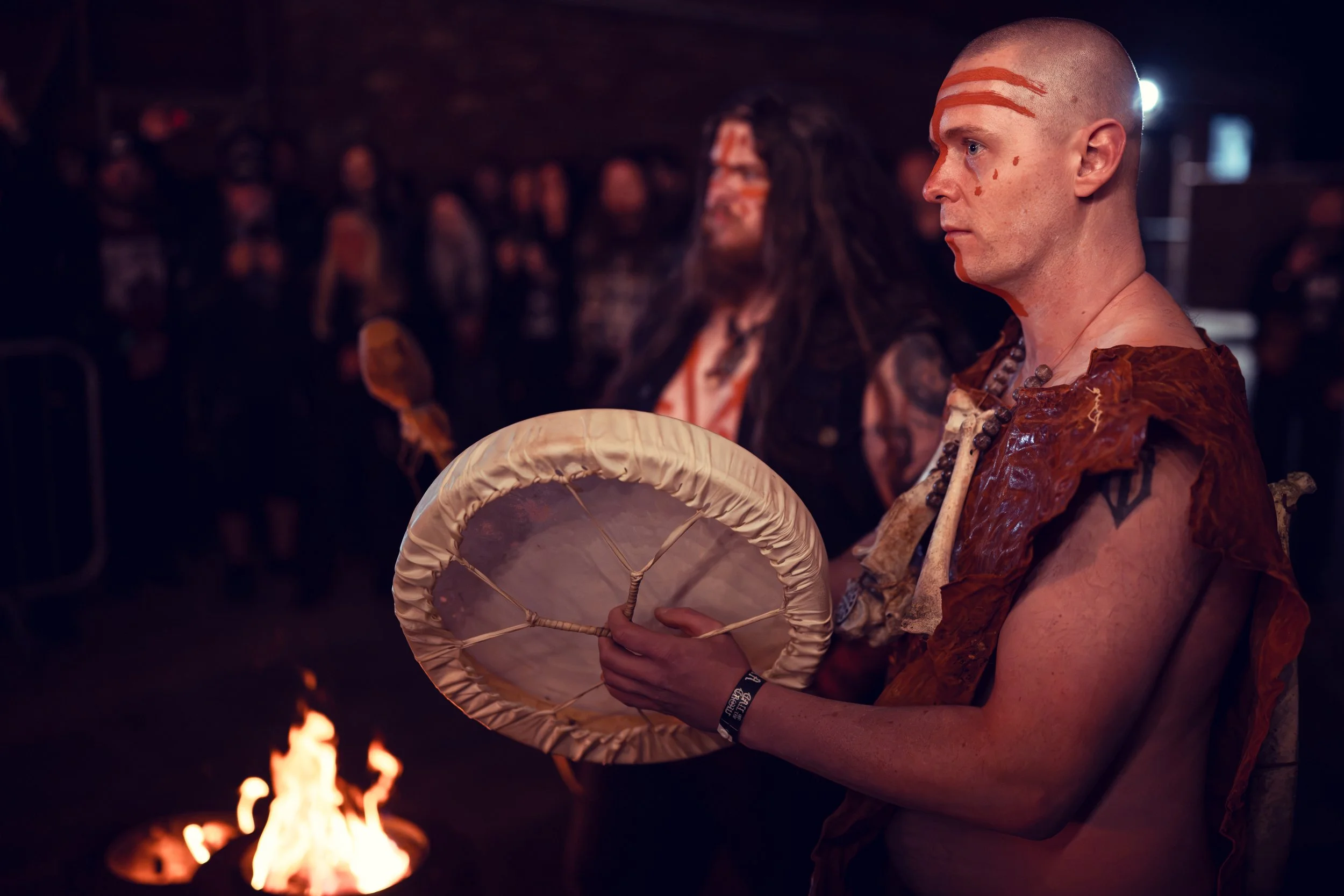
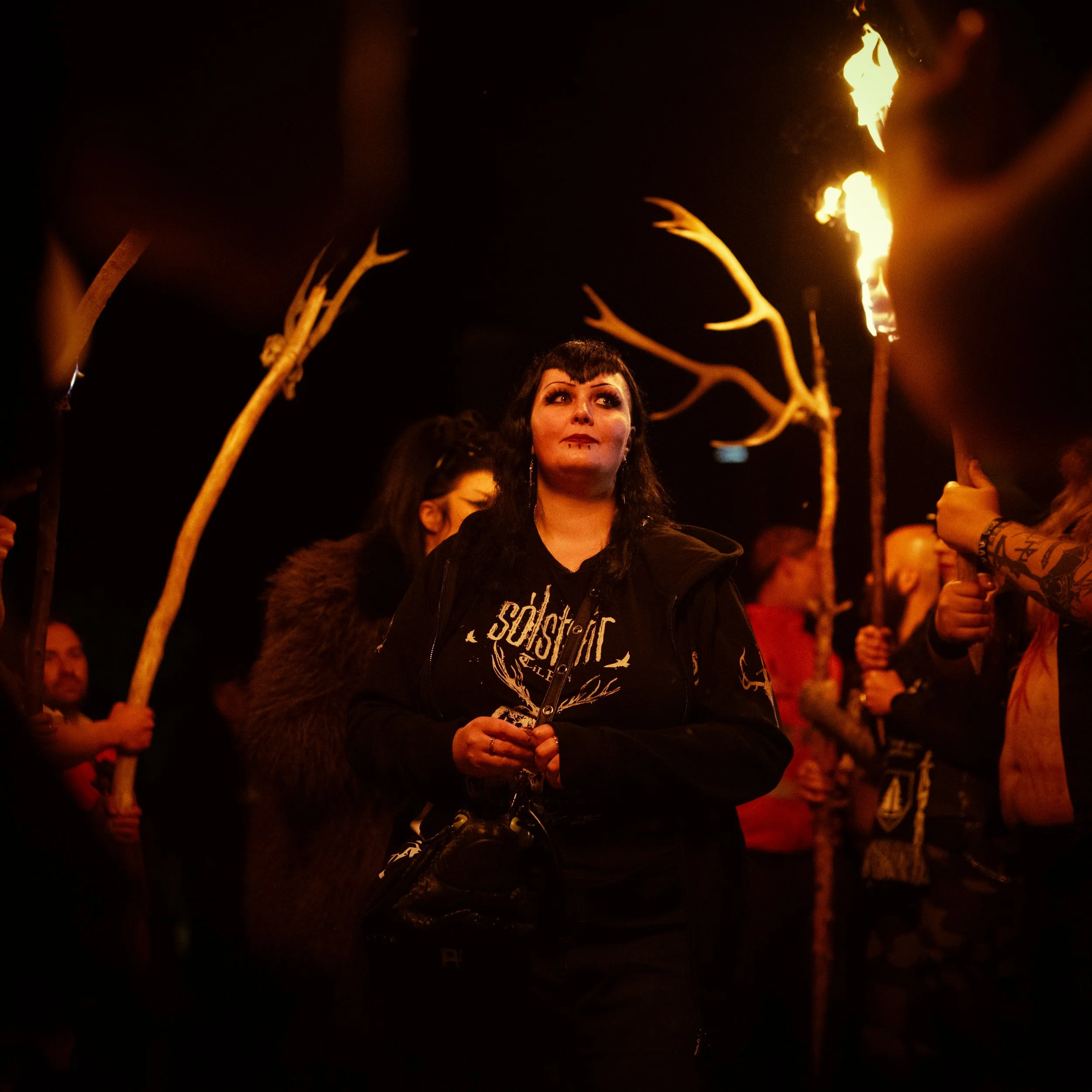
Wyrdstaef’s prehistoric ritual black metal had been a highlight of day 2, and the band took the lead in a fire ceremony that acted like a space for communal processing of everything that had just happened.
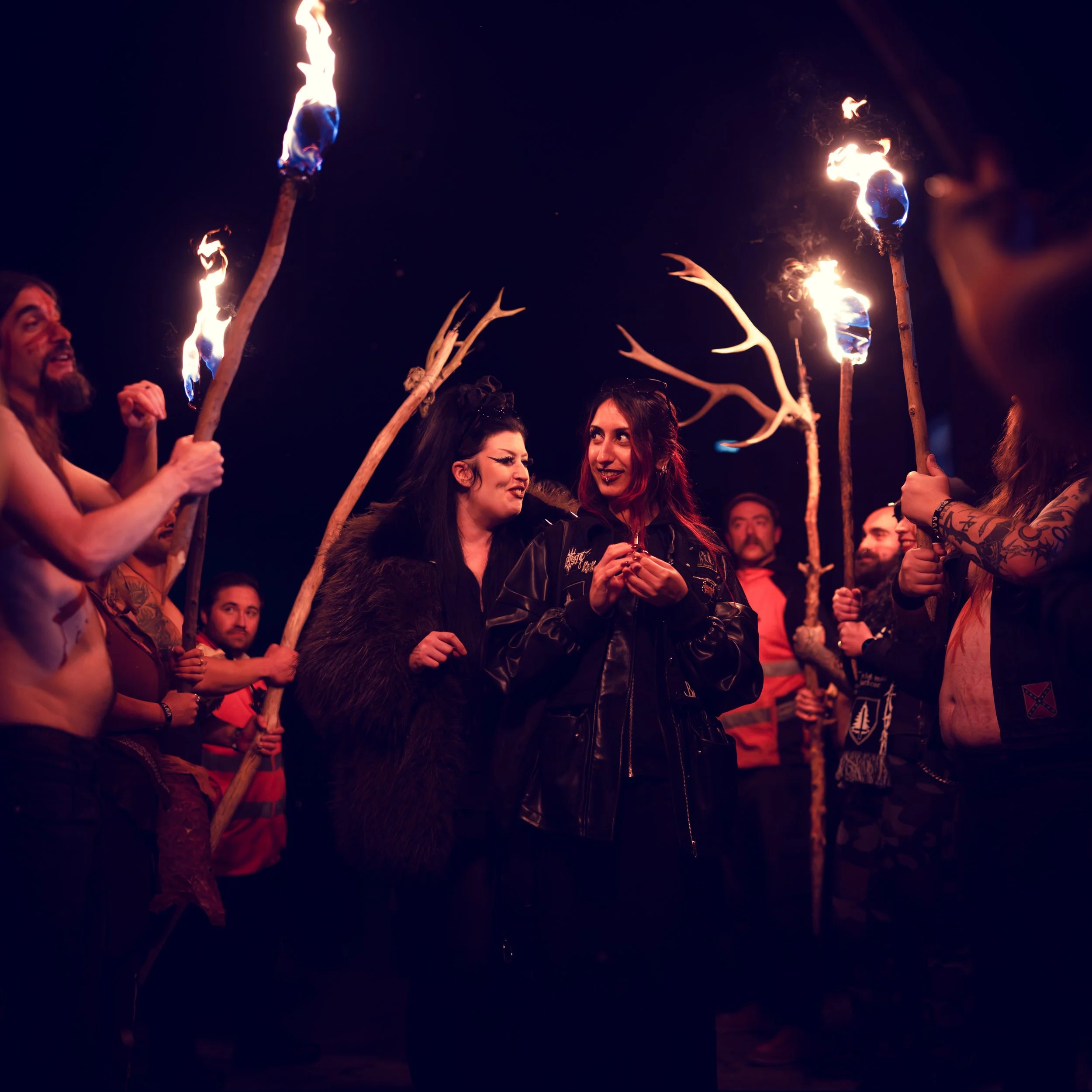
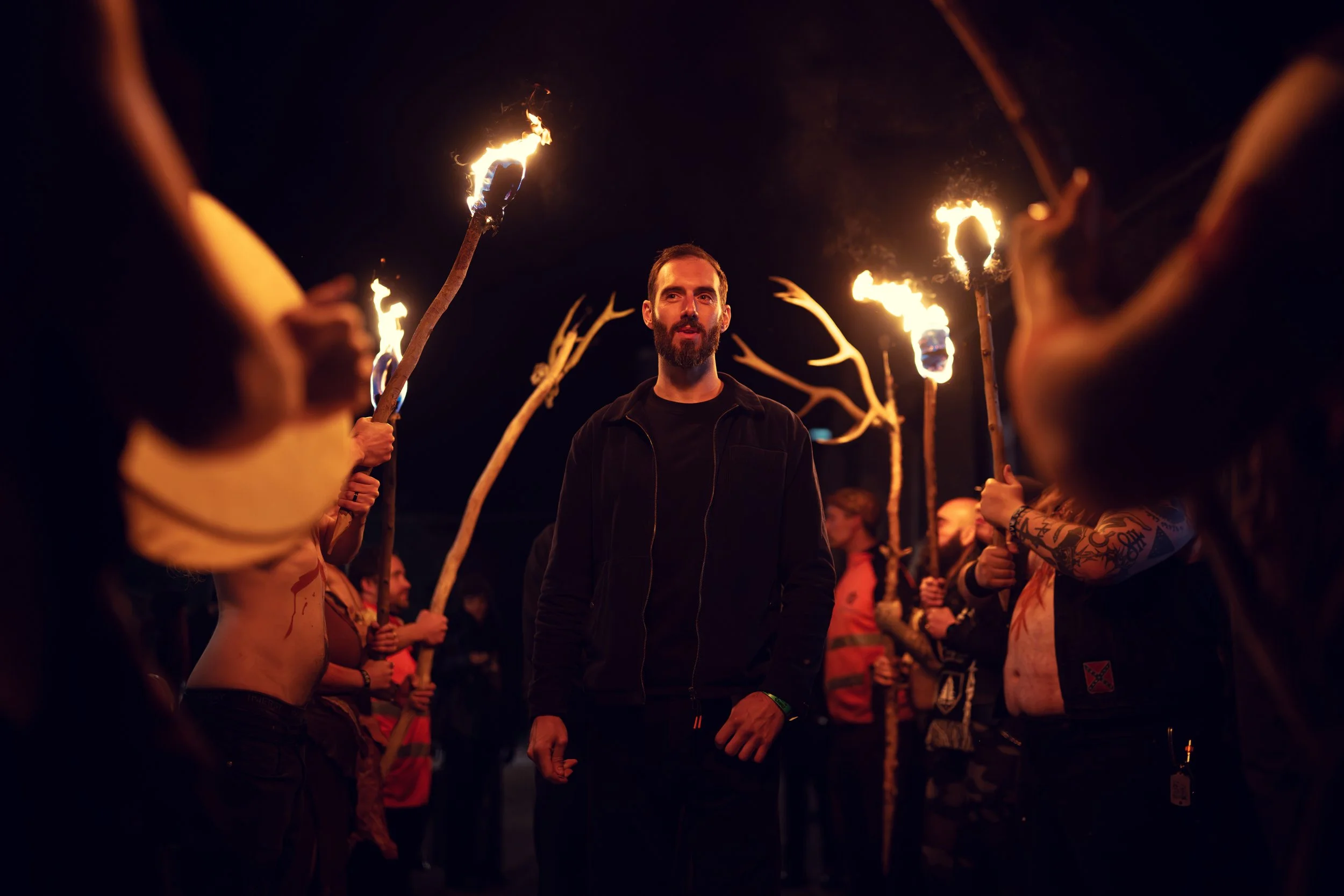
After a fire dance, the crowd passed beneath an arch of flaming brands to throw wooden tokens, representing any negativity we had, into two firepits. Thanks were then offered to everyone who’d made this event what it was.
One of the things that means I’d be a terrible writer of proper reviews is that I always come back from good festivals feeling like they were the best thing that’s ever happened. I don’t have – or want to have – any distance from the things that made it feel fantastic. But even with that said, Call of the Crow was completely unique. Nothing here felt casual or accidental. Everything was part of a coherent vision born out of love for black metal and everything it evokes. Long may crows call over the ancient graves of South Cowton. And thanks so much to Becky, Necrow events, and the Pealie’s Barn team, both for having me along and putting on such a spectacular show.
If you get the chance to go to any Necrow event, do make sure you take it.