
People of the Pit:
Places & Faces of West-Midlands Metal

People of the Pit is a collaborative project, between two writers and photographers involved in the Birmingham metal scene (Nat Sabbath & David Gange). You’ll find the full project outline below. It’s hosted temporarily on Why Metal Matters while we build a site for the project itself.
You can find both of us on instagram - @whymetalmatters & @nat_sabbath - if you’d like to be involved in this project, or just to give any feedback, please do contact us there or through this contact button below.
All Midlands metal stories very welcome!

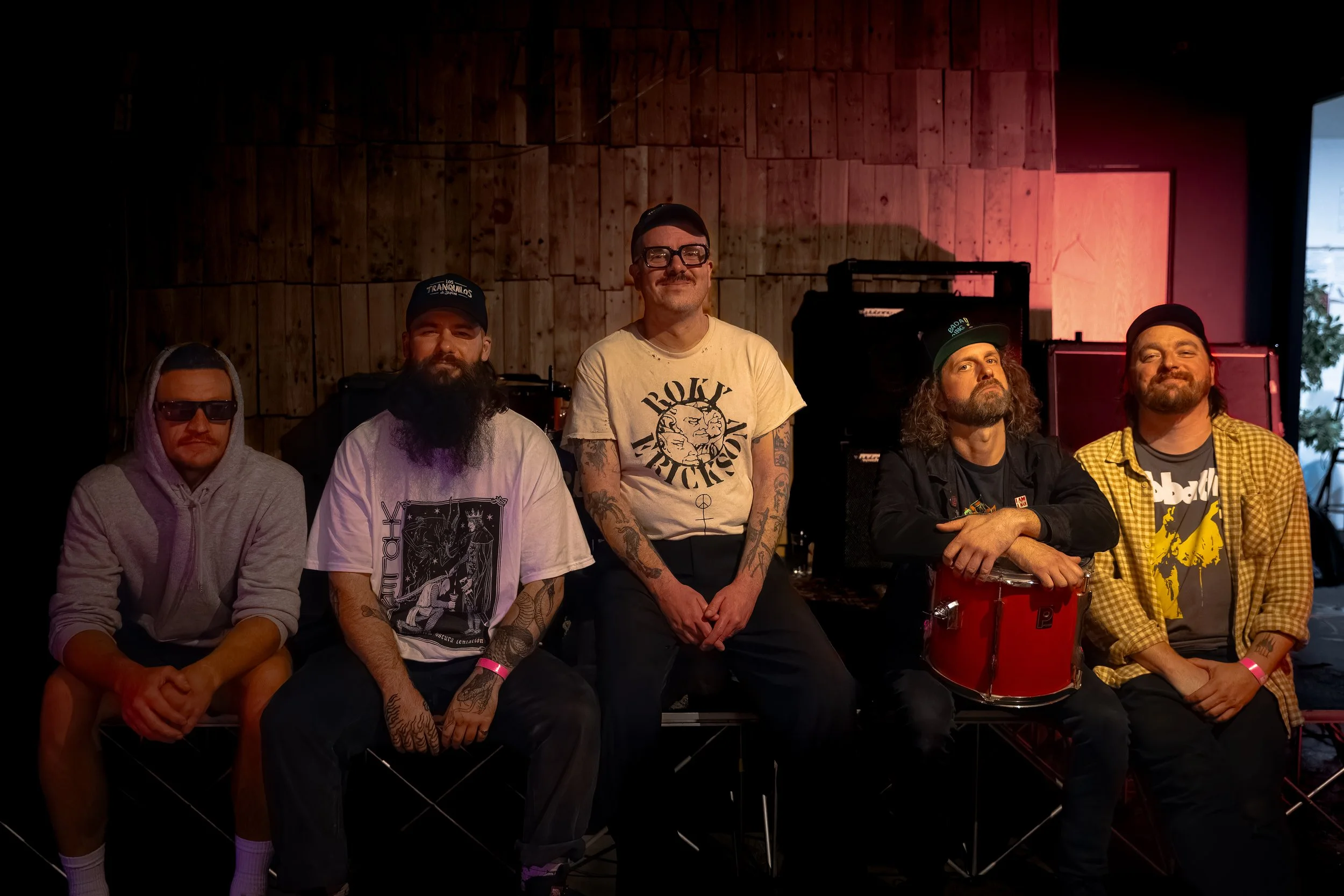
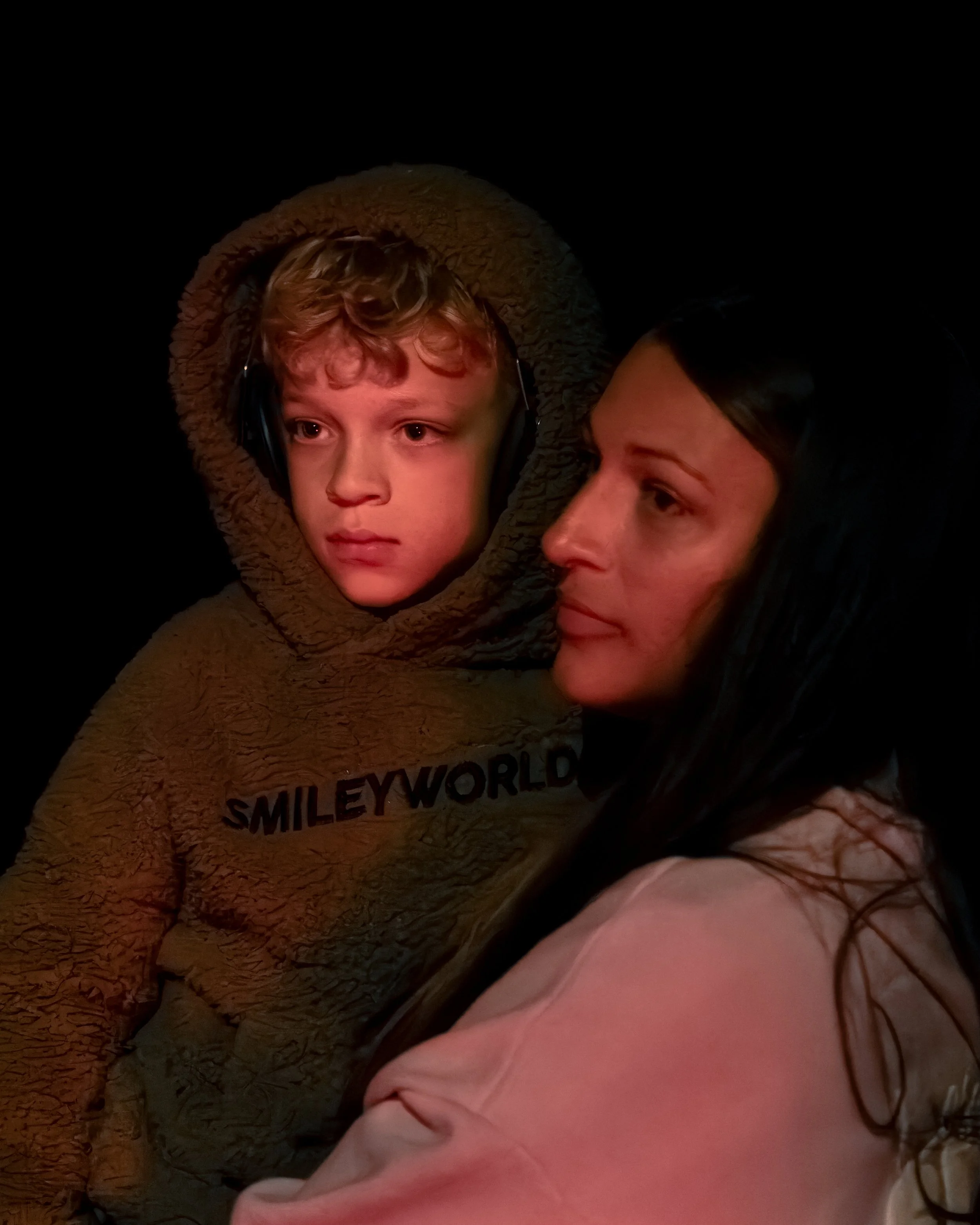
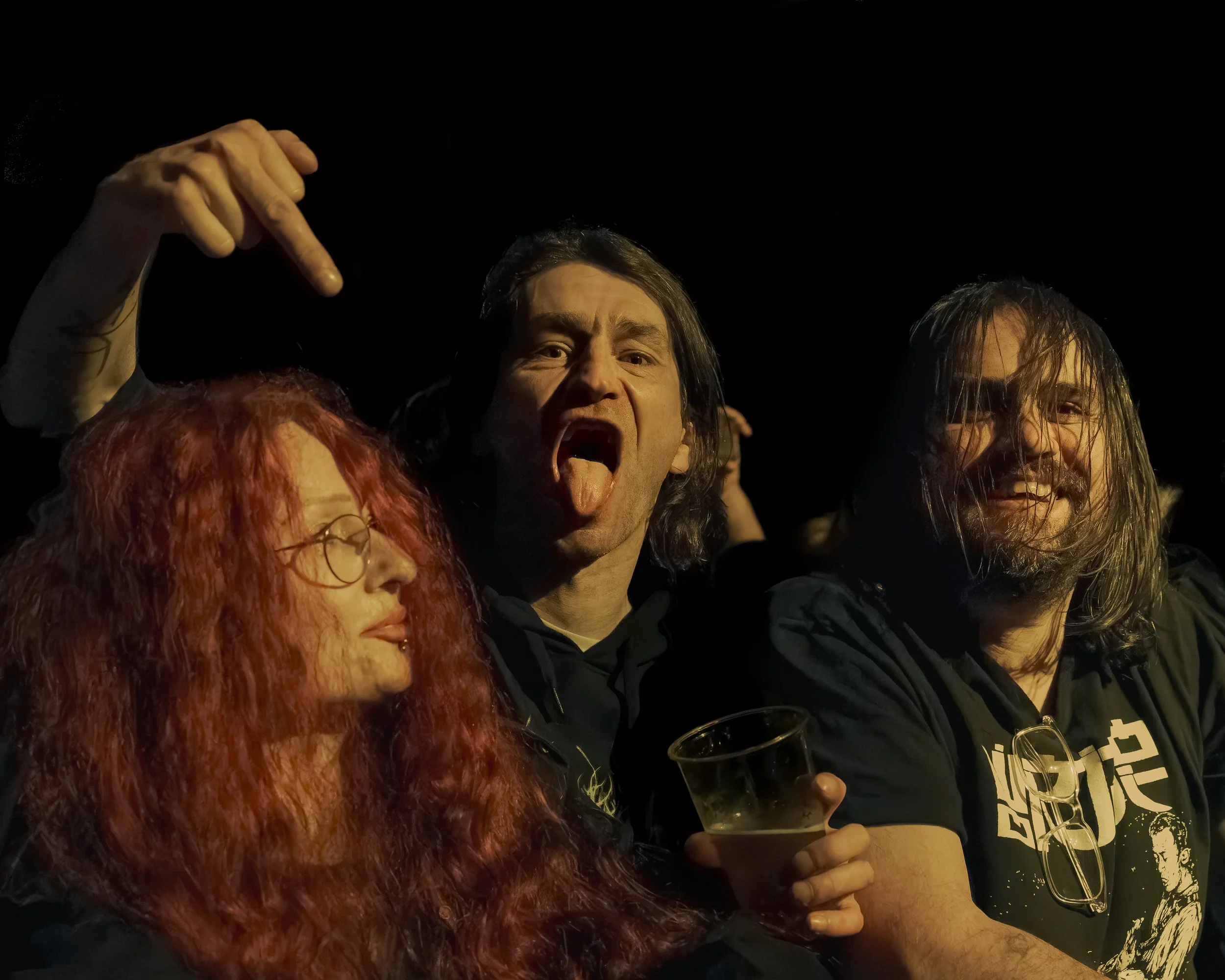

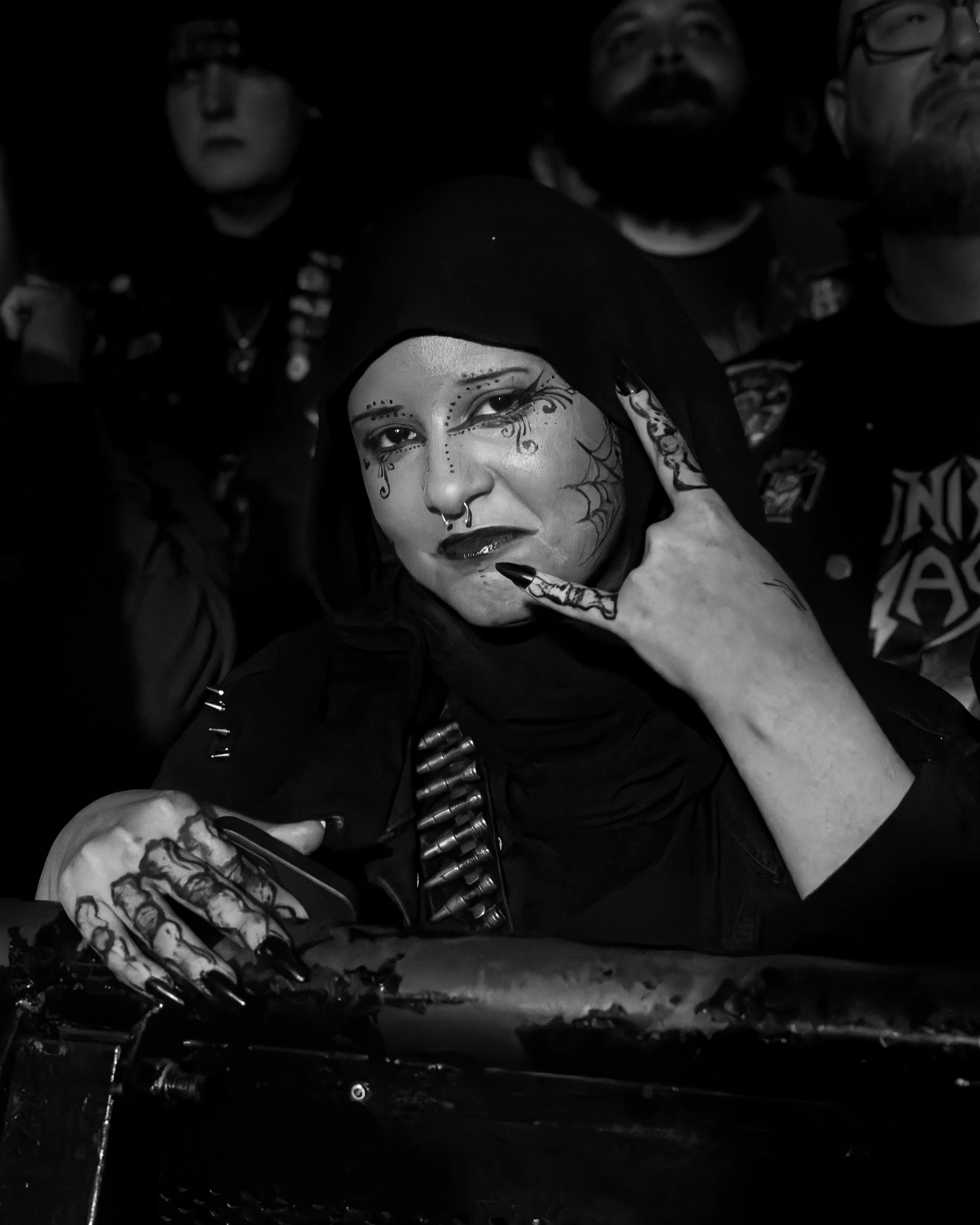
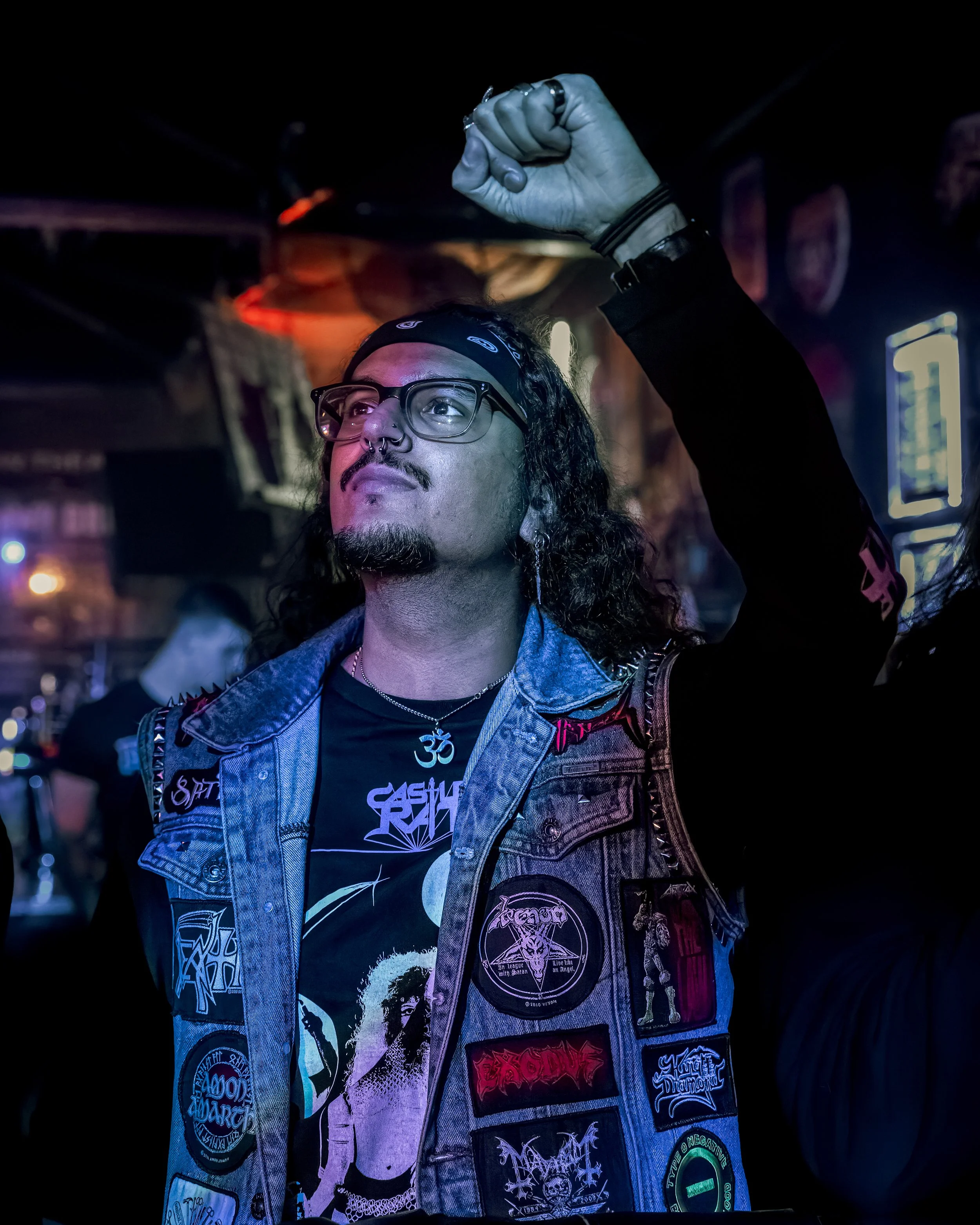
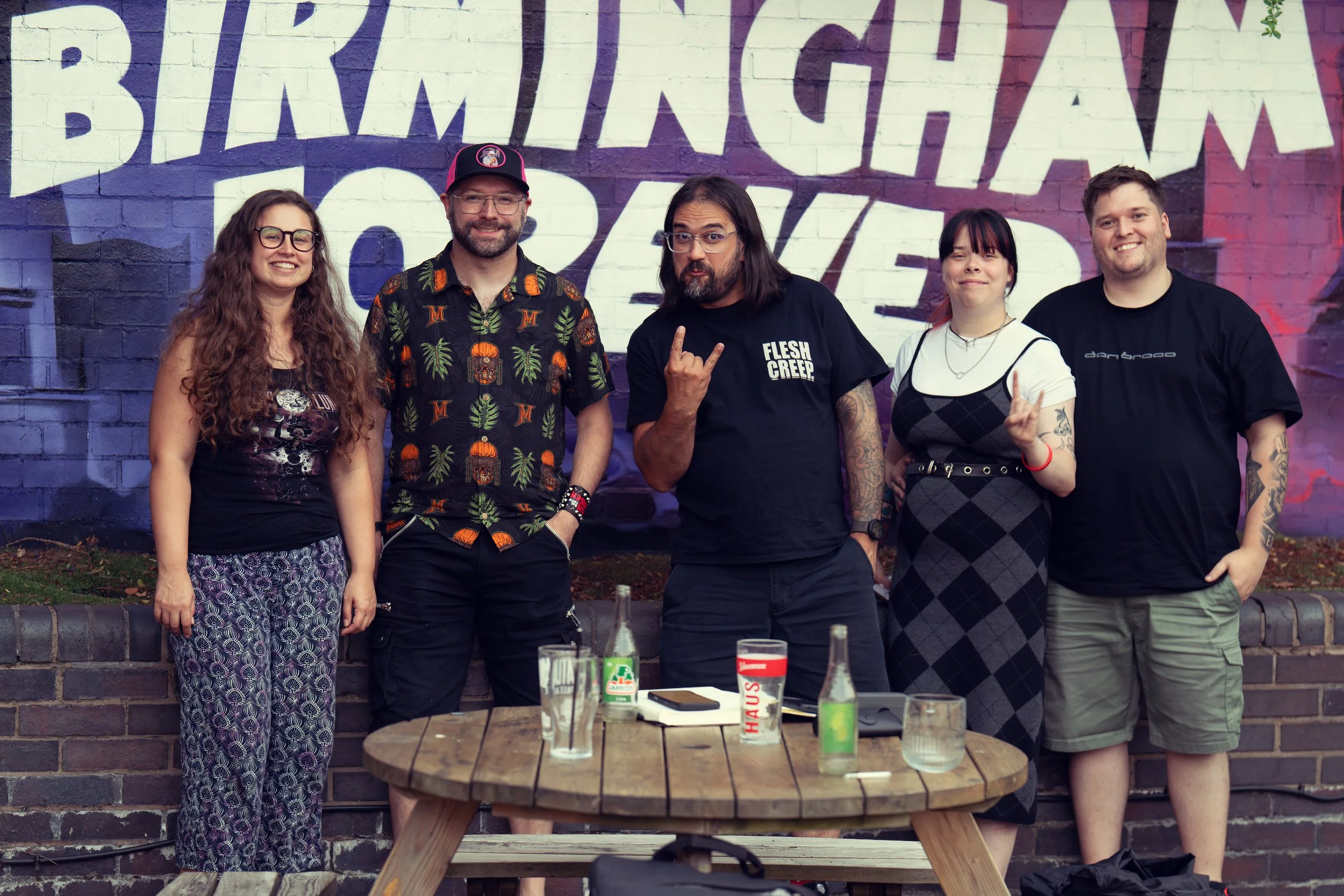
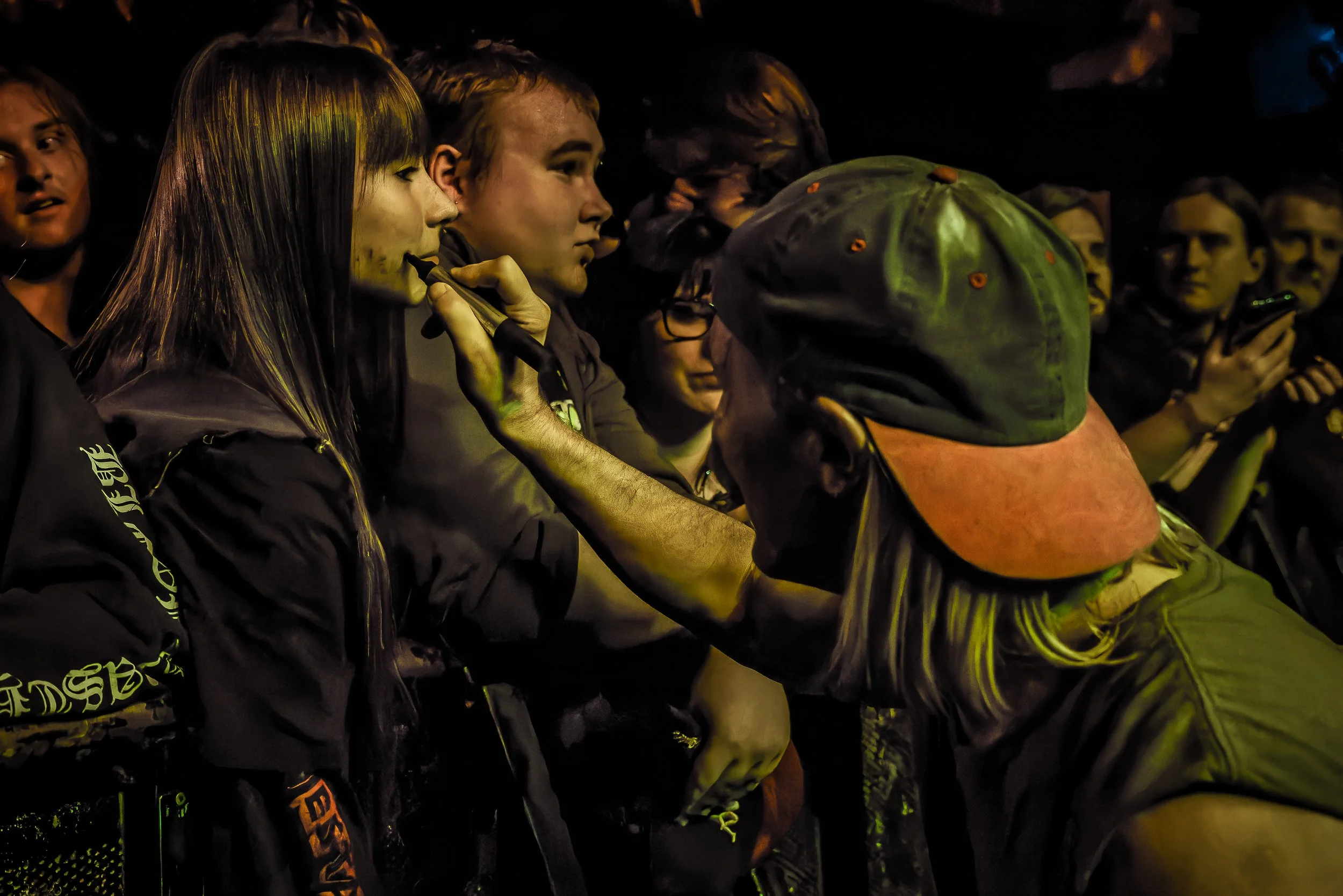
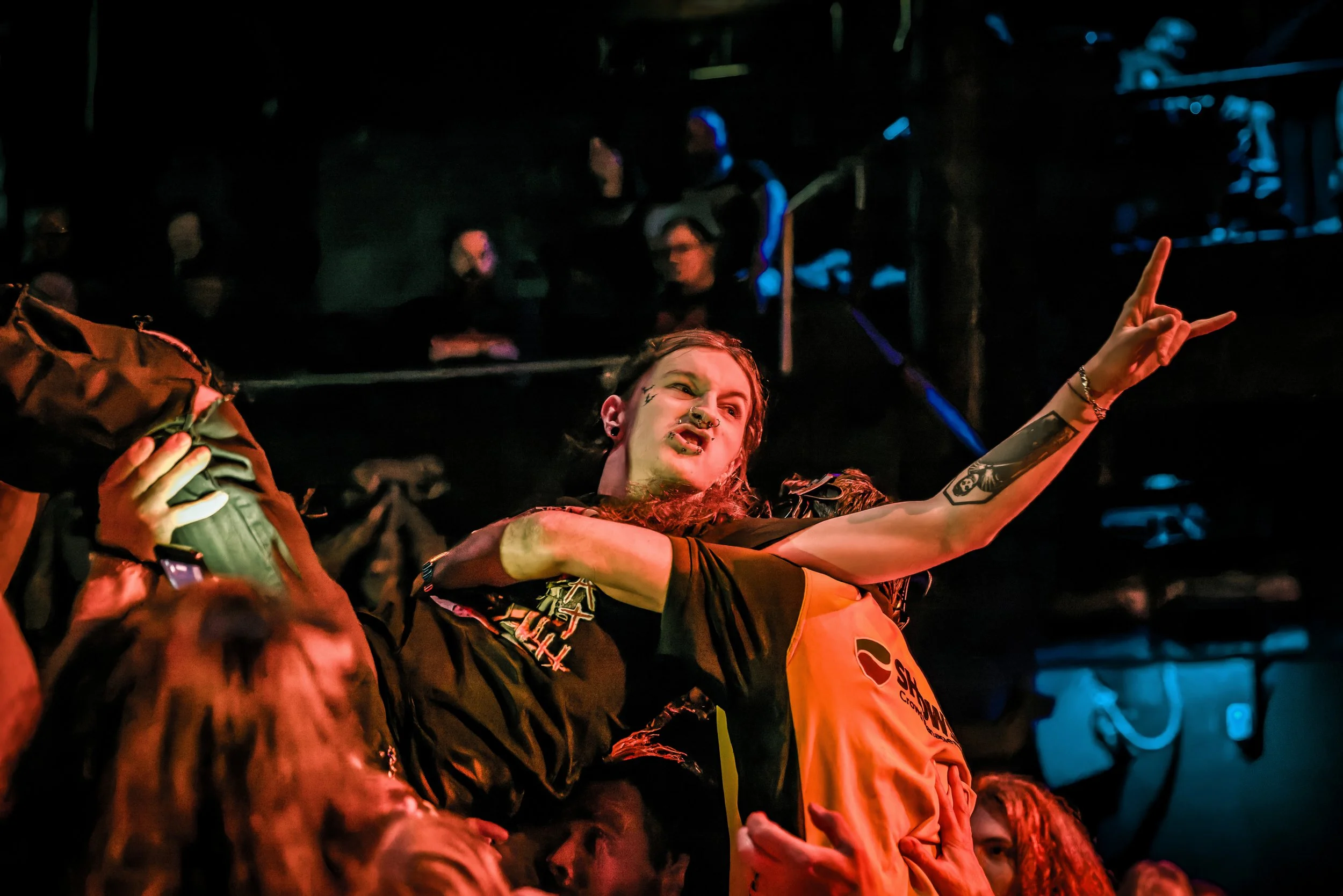




Take Part
If you’re a band, fan, promoter, venue or anything else metal, we’d love to hear your stories &/or take your portrait. Let us know if you’d like to be involved by clicking this button:
Overview
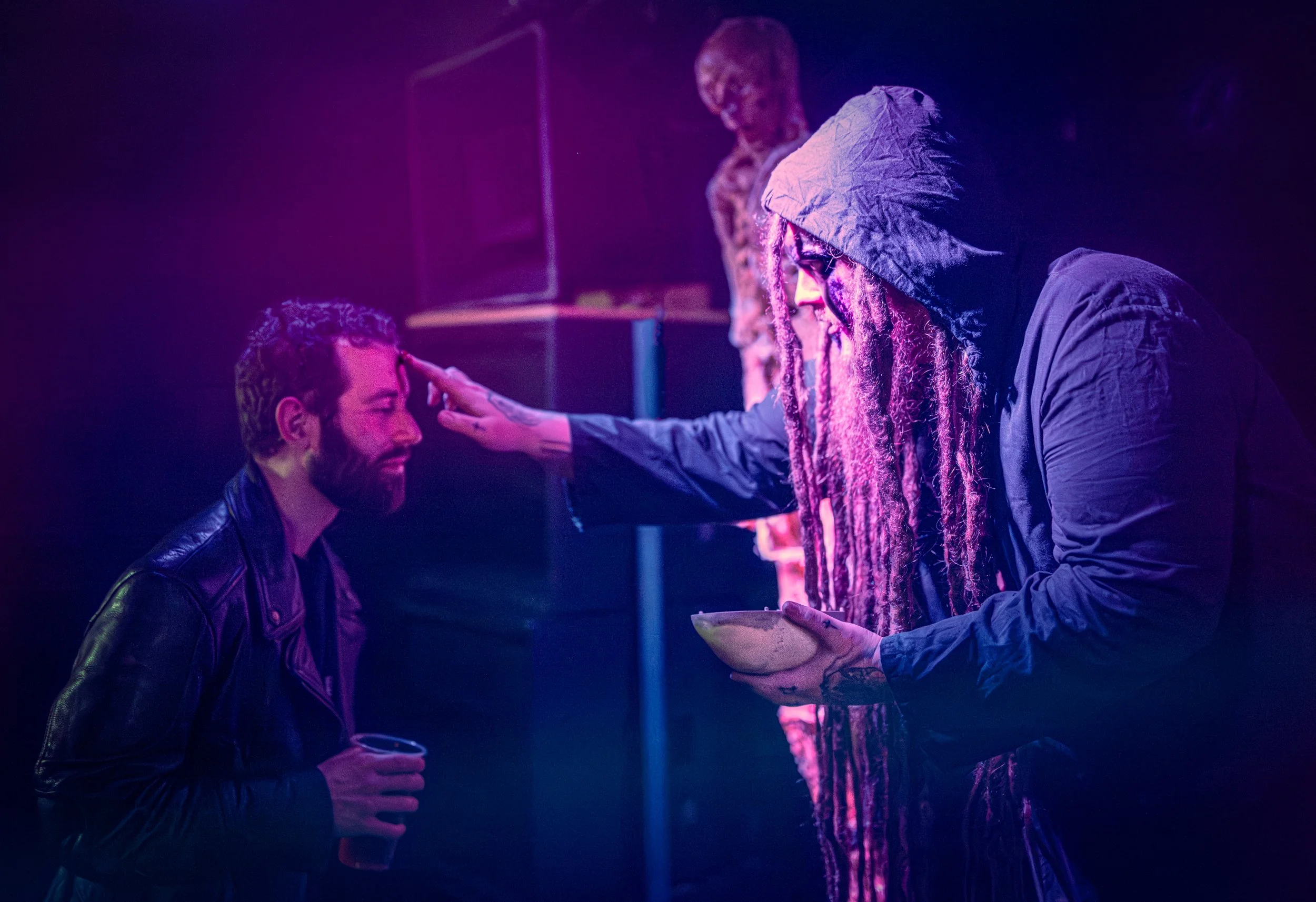
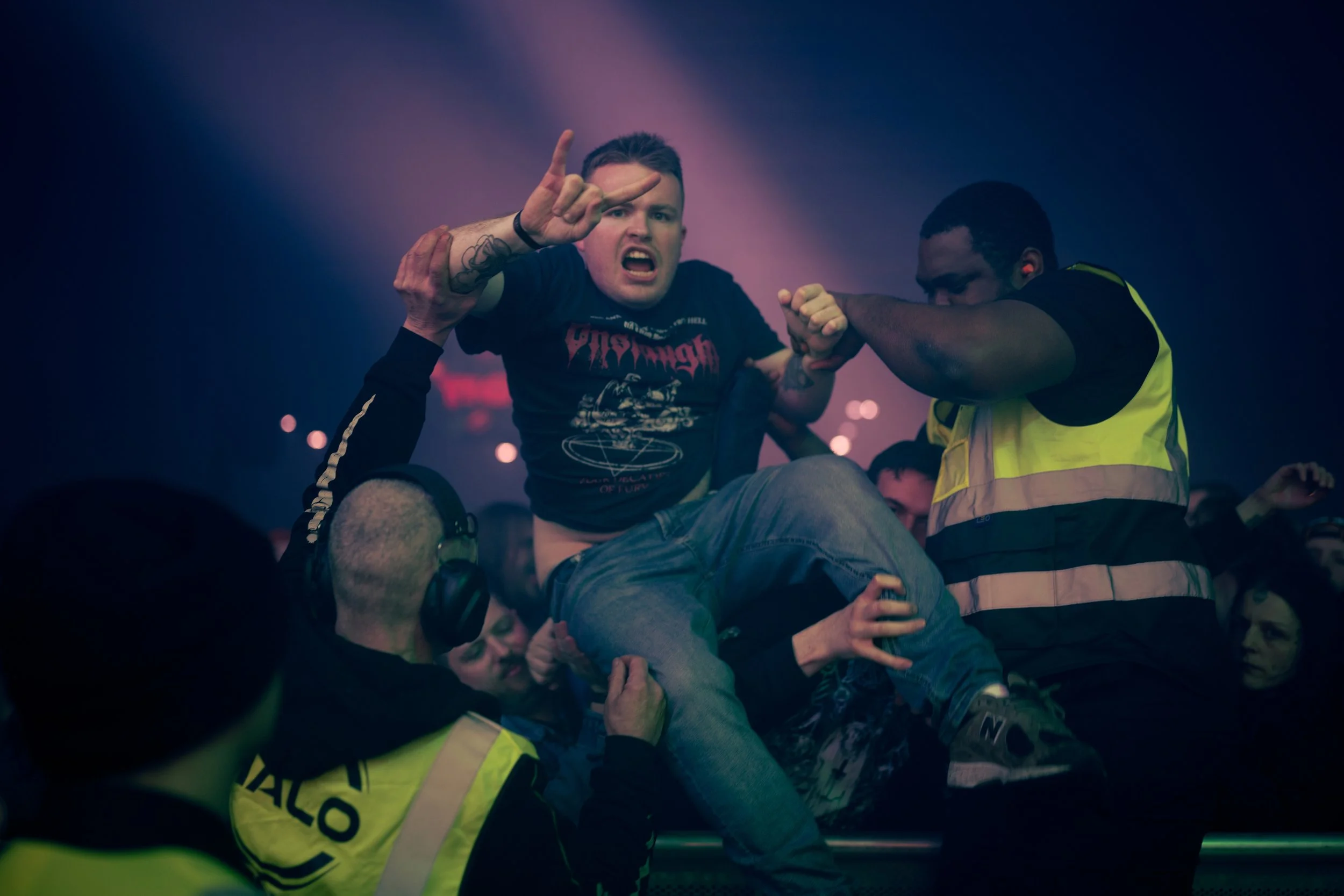
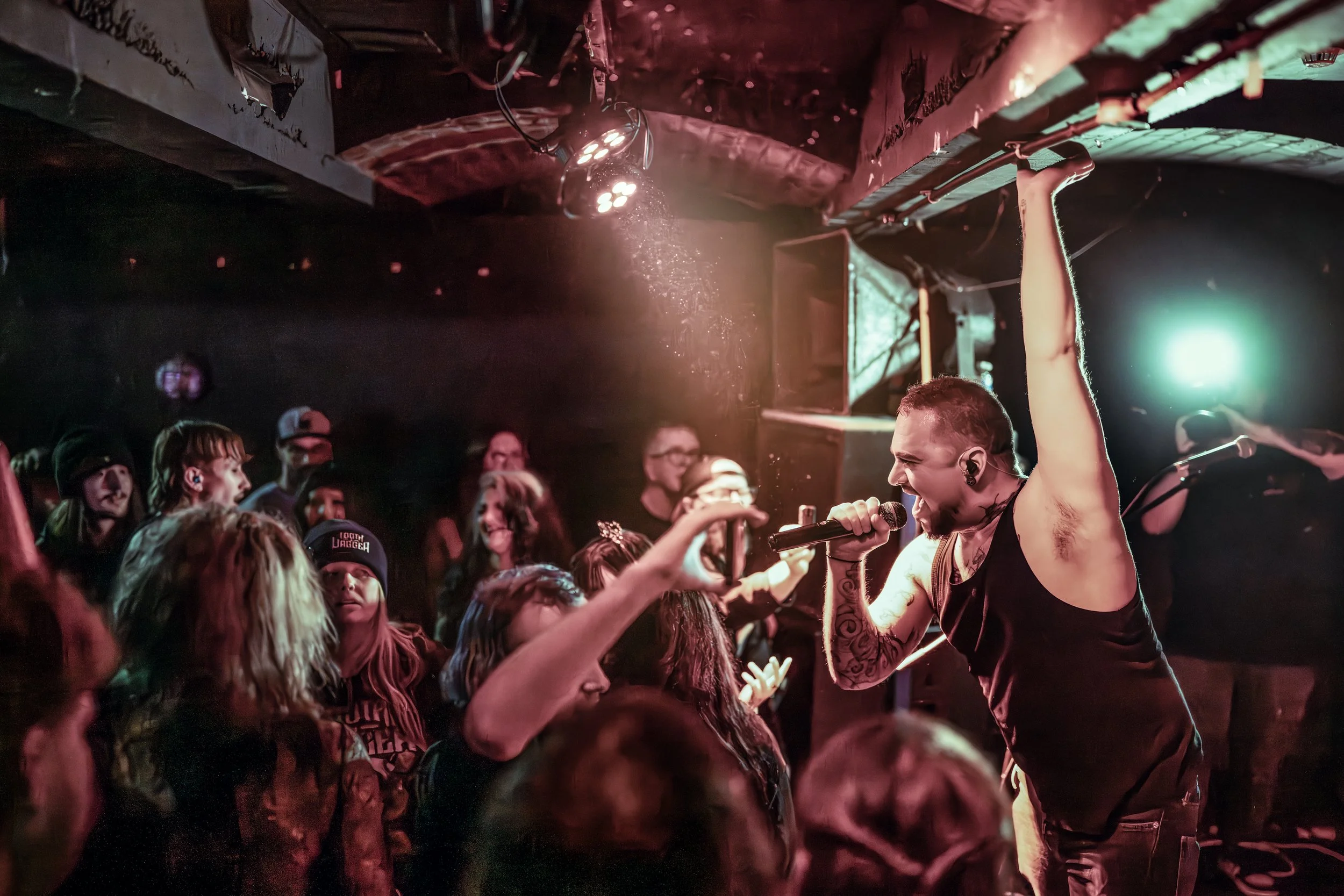
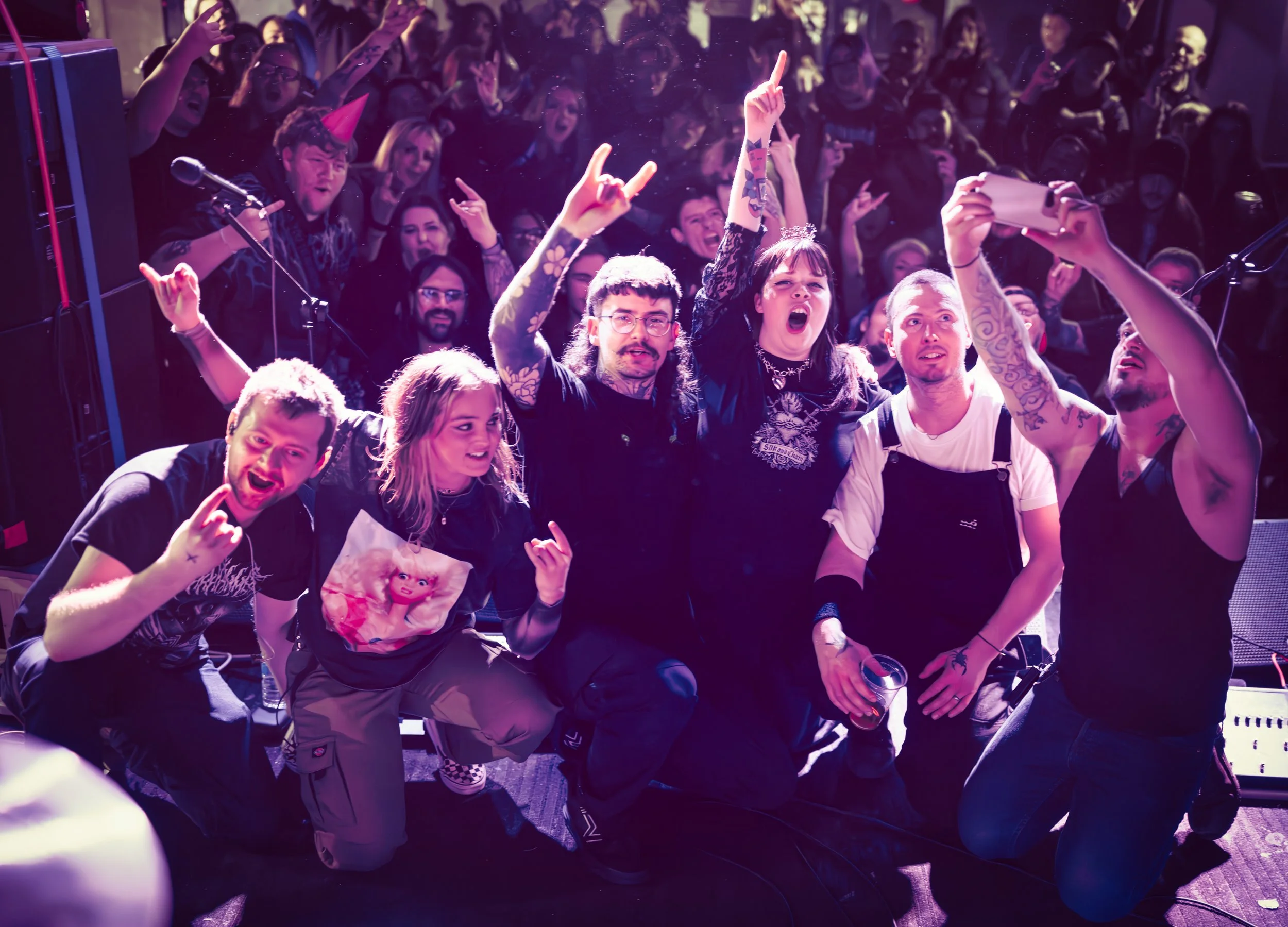
People of the Pit is a not for profit, long-form cultural documentation project exploring the Birmingham metal scene as a living, intergenerational, inclusive cultural ecosystem, sustained not only by bands, but by people, spaces, labour, memory, and shared practice.
The project is deliberately present tense rather than commemorative: it documents what is happening now and how legacy remains alive through repeated faces, ongoing collaboration, and the everyday infrastructure that makes a scene possible. It explores how people interpret and explain the meanings that metal, and the metal scene, have in their lives.
Although Birmingham remains the anchor, the metal scene operates in lived practice as a West Midlands circuit with shared audiences, bills, crews, routes. Wolverhampton’s venues are part of the shared ecosystem of West Midlands metal and the project maps these geographies as people use them, rather than respecting civic boundaries.
Through embedded photography, long-form writing, and oral history practices, supported by cultural analysis and a reciprocal, consent led approach, the project showcases the power of heavy music to build communities.
Purpose / Aims
The project aims to:
· Document metal as living culture
· Centre the people who sustain the scene: intergenerational fans, bands, students, promoters, organisers, technicians, venue staff, educators, record shop workers, and community connectors
· Explore knowledge-passing and mentorship (how experience, craft, and confidence move between bands and scene practitioners)
· Highlight the scene’s inclusivity and intersectionality, including strong links with LGBTQ+ communities and chosen-family structures
· Trace Birmingham and Wolverhampton as global points of connection and pilgrimage (people travelling to the region for shows and landmarks; and the region’s fans travelling to other metal sites internationally)
· Understand how people narrate their relationships to the scene’s pasts and present
· Produce work that gives back to the scene, amplifies it responsibly, and avoids extractive or transactional dynamics
Audience & Community Benefit
The project serves multiple audiences:
· Participants and the Birmingham metal community itself
· Wider regional and national heavy music audiences
· Cultural and heritage institutions
· Researchers, historians, and future generations
Above all, the project is intended to benefit the community it documents by recognising its cultural contribution, preserving its stories, and creating work that participants recognise as authentic representations of their lived experience.
Core Questions
1. What keeps the metal scene alive, and who does that work?
2. How do people enter, stay, leave, and return and what does metal provide across the life course?
3. How are values, skills, and knowledge passed on between bands, promoters, engineers, and organisers?
4. How do venues, bars, studios, and record shops function as cultural infrastructure?
5. What makes Birmingham not only a birthplace, but a continuing node in global metal culture (pilgrimage, identity, mythmaking, connection)?
6. How do people conceptualise and express the relationships between the city, the music, and their own identities?
Scope & Focus Areas
People (the heart of the work)
· Intergenerational fans and repeated faces
· Students and newcomers who relocate to the region to be closer to the scene
· Musicians across career stages
· Promoters and community organisers (e.g., platforms, nights, networks)
· Sound engineers, lighting technicians, venue managers, crew
· Educators/mentors and “scene builders”
· Individuals or groups who play a timebound role in the scene through “pilgrimage” to the city inspired by its musical past and present.
The work focuses on musical journeys and belonging: why people choose this culture, how it holds them, and how it shapes identity over time.
Spaces (venues as arteries, not backdrops)
We foreground an ecosystem of rooms and cultural spaces across the region and treat them ecologically rather than hierarchically. This includes (non-exhaustive):
O2 Institute, O2 Academy, Hare & Hounds, Centrala, Castle & Falcon, Dead Wax, Subside, Scruffy Murphy’s, The Flapper, The Asylum, The Sunflower Lounge, The Night Owl, XOYO, Mama Roux’s, The Victoria, Muther’s Studio, plus the wider West Midlands circuit including KK’s Steel Mill, and The Dive (Wolverhampton).
We also include record shops and “cultural glue” spaces such as Polar Bear and Ignite (and other relevant hubs as they emerge).
Collaboration & Knowledge-Passing (scene as a commons)
A central strand documents how the scene evolves through:
· shared bills and touring circuits
· collaboration across recordings and live work
· long-term relationships with producers, engineers, visual artists
· informal mentorship and practical knowledge transfer
· collective aesthetic formation (how shared values and craft emerge)
We can reference international collaborative models (e.g. Church-like collectives: see Amenra/ Church of Ra) purely as a comparative lens for understanding how scenes behave like cultural commons rather than competitions, without implying equivalence or importing a framework.
Pilgrimage & Global Connection
Birmingham functions as both home and destination:
· fans travelling to Birmingham for landmark sites and significant shows
· the Black Sabbath bench as a story-gathering site (memory, grief, gratitude, belonging)
· reciprocal “pilgrimage culture” (e.g. Birmingham ↔ Norway black metal landmarks), exploring how metal creates transnational identity and shared myth
Method & Outputs
Method
· Embedded photography across venues and scene spaces
· Long-form narrative writing and essayistic reflection
· Informal oral histories (e.g. conversations at venues/shops/bench)
· Light-touch social documentation used to amplify, not exploit
Outputs
We keep the form open so it can emerge ethically from the work, but likely outputs include:
· A series of photo-led essays / long-form articles (public-facing, accessible)
· A living archive: people + rooms + routes + labour + stories
· Social amplification (care-led, consent-based) that gives back to the community
· Potential future containers (only if the project naturally evolves there): curated print work / publication / exhibition / public talk series — approached carefully and transparently
We intentionally avoid locking into “book/exhibition” language early to remain responsive to the material and community.
Project Status & Timeline
People of the Pit is an ongoing long-term cultural documentation project that began as a concept in late 2025. Initial documentation and relationship-building are currently underway across Birmingham, and the wider West Midlands live music circuit.
The first public facing outputs will emerge in 2026, beginning with a photo-led essay and written vignette introducing the project’s themes, establishes tone, ethics, and invitation centred on “the circuit”: rooms, routes, repeated faces, and the labour behind the scenes. This will include the first community call for stories and a clear consent statement. Documentation, writing, and archival development will continue on an ongoing basis, with future outputs shaped by the material gathered and the relationships formed.
The project is designed to operate over multiple years, allowing for sustained, ethical, and embedded documentation of the scene as it evolves.
Ethics & Values
This is a not-for-profit project. Ethical practice is the methodology.
Principles
1. Consent is ongoing, not one-off
· Consent sought before/during/after documentation
· Separate consent for images, text, quotations, and social sharing
· Participants can withdraw without explanation at any time
2. Participation is collaborative, not extractive
· Contributors are treated as collaborators
· Story-gathering is dialogic; no “gotcha” framing
· Option to review representation where feasible/appropriate
3. Care over capture
· No documentation in vulnerable moments without explicit consent
· Relationships take precedence over output
· Avoid sensationalism, stereotype, or mythmaking without people
4. Reciprocity and return
· Share images and writing with contributors
· Credit/visibility where desired
· Amplify venues, nights, bands, and scene builders responsibly
· Create work the community recognises itself in
5. Non-commercial integrity
· No selling/licensing of participant stories or images without explicit discussion and agreement
· Any future public outputs are developed transparently with ethical review
Simple consent tiers (practical & repeatable)
For images:
A. Image OK + tag OK
B. Image OK + no tag
C. Image OK only if face obscured
D. Archive only (not public)
For quotes/stories:
I. Quote with name
II. Quote anonymous
III. Paraphrase only
Archiving & Preservation
A central aim of People of the Pit is to create a long-term cultural archive documenting Birmingham’s contemporary metal scene. Photographs, written material, and oral histories will be preserved in accordance with ethical consent agreements, with the intention of ensuring future access for cultural, historical, and community purposes.
As the project develops, opportunities for partnership with appropriate archives, cultural institutions, or community led repositories will be explored to ensure the long-term preservation and accessibility of the work.
Future Development
As the project develops, opportunities for exhibition, publication, public programming, and archival partnership will be explored in ways that remain consistent with the project’s ethical commitments and community-centred approach. Any future outputs will be shaped by the material gathered and relationships formed, ensuring that the work remains grounded in lived experience, and cultural integrity.
Project Team
People of the Pit is a collaborative cultural documentation project created by Natalie Chew (Nat Sabbath) and Dr David Gange. Both collaborators contribute to photographic, written, and oral history elements of the work, drawing on long-term participation in the scene alongside cultural research to create a shared record of the people, spaces, and relationships that sustain the community.
David Gange grew up on the edge of Yorkshire when Bradford’s gloomy record label, Peaceville, was at its height. He moved to Birmingham in 2010 and has a particular love for death-doom and blackened-death metal. He is Associate Professor of History at the University of Birmingham and author of books including Dialogues with the Dead (Oxford University Press, 2013), The Frayed Atlantic Edge (Harper Collins, 2019) and Afloat (Harper Collins, 2026). The last of those books involved travelling the Arctic and North Atlantic and meeting an astonishing number of metalheads who wanted to celebrated Birmingham’s musical identity. Out of that, a project called Why Metal Matters was born and scholarly articles including “I Felt the Landscape Screaming Through the Music: Metal, Nature, and Environmentalism” are forthcoming. So far Why Metal Matters has been featured by BBC Online, BBC Radio, and Sky TV, and has involved appearing onstage alongside musicians including Tony Iommi and building an exhibition at the University of Birmingham.
Nat Sabbath was born and raised in Birmingham and has been part of the region’s heavy music community since her youth. She has a particular affinity for black metal and death metal, especially brutal death metal, which have long formed the emotional and cultural centre of her relationship with heavy music. She has spent years immersed in the live music environments, venues, and communities that sustain the scene. Working as a photographer in these spaces, she documents the people, relationships and cultural practices that shape Birmingham’s identity as a global centre of heavy music. She also works in Public Health focusing on Inclusion Health and underserved communities, where her practice centres on ethics, trust, and lived experience. This informs her consent-led and socially grounded approach to cultural documentation.
People of the Pit emerges from our commitment to preserving the present-day life of Birmingham’s metal community.
Research Context
Metal scenes today are both more exciting and more vulnerable than ever before. Musical creativity and fan commitment are at all-time highs: crowds turn out for metal with a reliability that’s the envy of other scenes and genres. But the challenges of running a venue, being in a band, or attending live music grow exponentially as personal and public resources are squeezed. Festival tickets sell out at record speed, but festivals tread economic tightropes and lose city spaces to gentrification and development. In the UK, organisers lack the institutional support they receive in places from Norway and Finland to Malaysia. The success of the whole scene is, therefore, built on individuals – whether organisers, musicians, or fans - whose commitment would seem, for anyone who doesn’t understand the passions heavy music inspires, to border on irrational.
Metal is also shaking off its stigmas. A growing body of research shows that the music has huge individual and social benefits.[i] It promotes community, can reduce risk that mental disorders will result in adverse outcomes, and it sustains the fraying night-time fabric of our cities. But in Britain, public institutions and the mainstream press still respond by instinct rather than drawing on research when judging the music and its fans in terms of risk rather than cultural and economic reward.
These contrasts are particularly intense in the West Midlands. In 2025, the unprecedented scale of Back to the Beginning and the turnout for the funeral cortege of Ozzy Osbourne illustrated just how closely metal and civic identity have become entwined. Extensive research conducted by Home of Metal has already revealed multitudes of ways in which the legacy of Black Sabbath and their peers is tied to both Midlands pride and the genre’s self-image. Built on this heritage, local scenes today are astonishingly active. Every fan has to choose between multiple events on almost every gig night. Battle jackets are seen on the streets in numbers that were never present in the 2010s. Yet venues such as The Hammer and Anvil, Devil’s Dog, and the Oasis alternative market have been closed, and the city council has enacted an unprecedented ban preventing musicians performing on city-centre streets. Many of the individuals whose commitment resists these challenges quickly become familiar faces to anyone who attends events. The community that has resulted in the region’s small venues is exceptionally resilient and vibrant but still under-celebrated.
Since the 1970s, this scene has been through many cycles of decline and growth, generating the stories, legends, and relationships on which a thriving community is built. Members of the scene’s founding bands, from Black Sabbath and Led Zeppelin to Bolt Thrower and Napalm Death, still appear in crowds, turning out for young musicians and binding the community’s identity across generations. This creates unique dynamics of continuity and change that few other genres echo. Although the music’s early years have been celebrated with the major exhibitions and international events organised by Home of Metal, the current shapes of the grassroots and underground scenes will benefit from further celebration. As the research on the social benefits of metal proves, amplifying the work of those who create the grassroots scene’s vibrancy is a public good.
Over the last decade, the range of work on urban centres and metal scenes has grown dramatically. Books on cities from Bogata to Detroit to Helsinki demonstrate the significance of photography and text to scene building. Beyond Home of Metal, the UK has less than might be expected. Ned Hassan’s Metal on Merseyside (2022) is a standout example, having grown into an ongoing collaborative project.[ii] One thing all these texts stress is that scene building is always an ongoing and inexhaustible project. In this period of uncertainty and change, much of the texture and richness of scene experience could be lost without further work to create spaces for metalheads to share their stories. At a time that is seeing welcome enthusiasm for celebrating vintage metal, it is also crucial to foreground the music and its communities as living, forward-looking, and as creative as ever before.
People of the Pit builds on growing cultural and academic recognition of heavy metal as a meaningful site of community, identity, and cultural production. The project documents Birmingham’s metal scene as it exists today, capturing its lived reality through embedded photography, interviews, and written reflection. In doing so, it creates a record that complements existing historical and academic work by preserving the present-day experiences, relationships, and cultural life of the community.
There is now a significant range of research into how music scenes form and develop, analysing the socio-economic roles of musicians, venues, promoters, record shops, and audiences.[iii] There is no research, however, on the roles of writers and photographers in scene formation and growth. This project will provide material for theorising how text and image can contribute to the success of music scenes, with significant potential implications for practice and further scholarship.
[i] e.g. Martikainen, P., Korhonen, K. & Tarkiainen, L., “Heavy Metal Toxicity and Mortality: Association Between Density of Heavy Metal Bands and Cause Specific Hospital Admissions and Mortality”, British Medical Journal (2021); Quinn, K., “Heavy Metal Music and Managing Mental Health”, Metal Music Studies (2019); Sharman, L. & Dingle, G.A., “Extreme Metal Music and Anger Processing”, Frontiers in Neuroscience (2015); Paula Rowe, Heavy Metal Youth Identities: Researching the Musical Empowerment of Youth Transitions and Psychosocial Wellbeing (Emerald, 2018)
[ii] Hassan, N., Metal on Merseyside: Music Scene, Community, and Locality (Springer, 2021); see also https://www.metalonmerseyside.co.uk/about
[iii] E.g. Wallach, J. & Levine, A., “I Want You to Support Local Metal’: A Theory of Metal Scene Formation”, Popular Music History (2011)