Coast to Blackened Coast:
From Fortress to Dungeons of Wessex
Metal festivals give the year patterns that end up feeling like they mirror the changing seasons. Late summer for me is big festivals and lots and lots of death metal (from Bloodstock to, this year, Helsinki Deathfest). Autumn is black metal, with festivals often themed round seasonal endings and decay (this year, Samhain in Bradford will even be part of a cycle called “The Turning”). Early summer never used to feel linked to specific music in the same way, but, thanks to two new festivals, it’s now among the most distinctive times of all. Summer this year began by the North Sea and then the Bristol Channel with atmospheric black metal and its ambient offspring, dungeon synth.
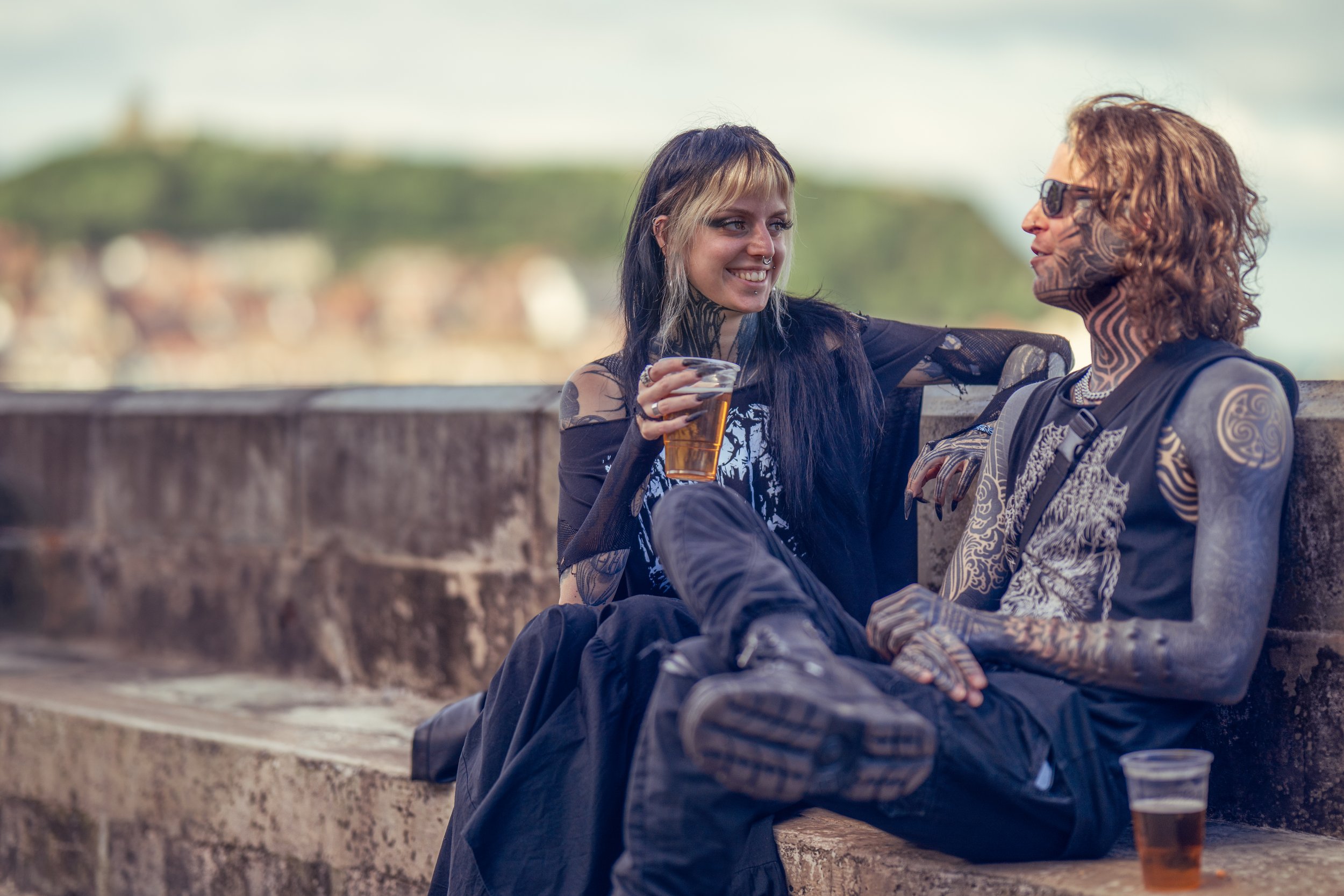
The locations, in opposite corners of English coasts, add to the lore. Each is a few hundred yards from castles that once protected landing sites, and each festival forms its imagery around that medieval link. Both blend urban settings with appeals to elemental forces. This ability to form distinctive, coherent, atmospheres is unique to small/medium-sized festivals and makes them, in my view, even better than the huge events: both Fortress (atmo-black, and this year also dungeon synth, in Scarborough Spa) and Dungeons of Wessex (dungeon synth in Moor Beer Co. Bristol) do it exceptionally well.
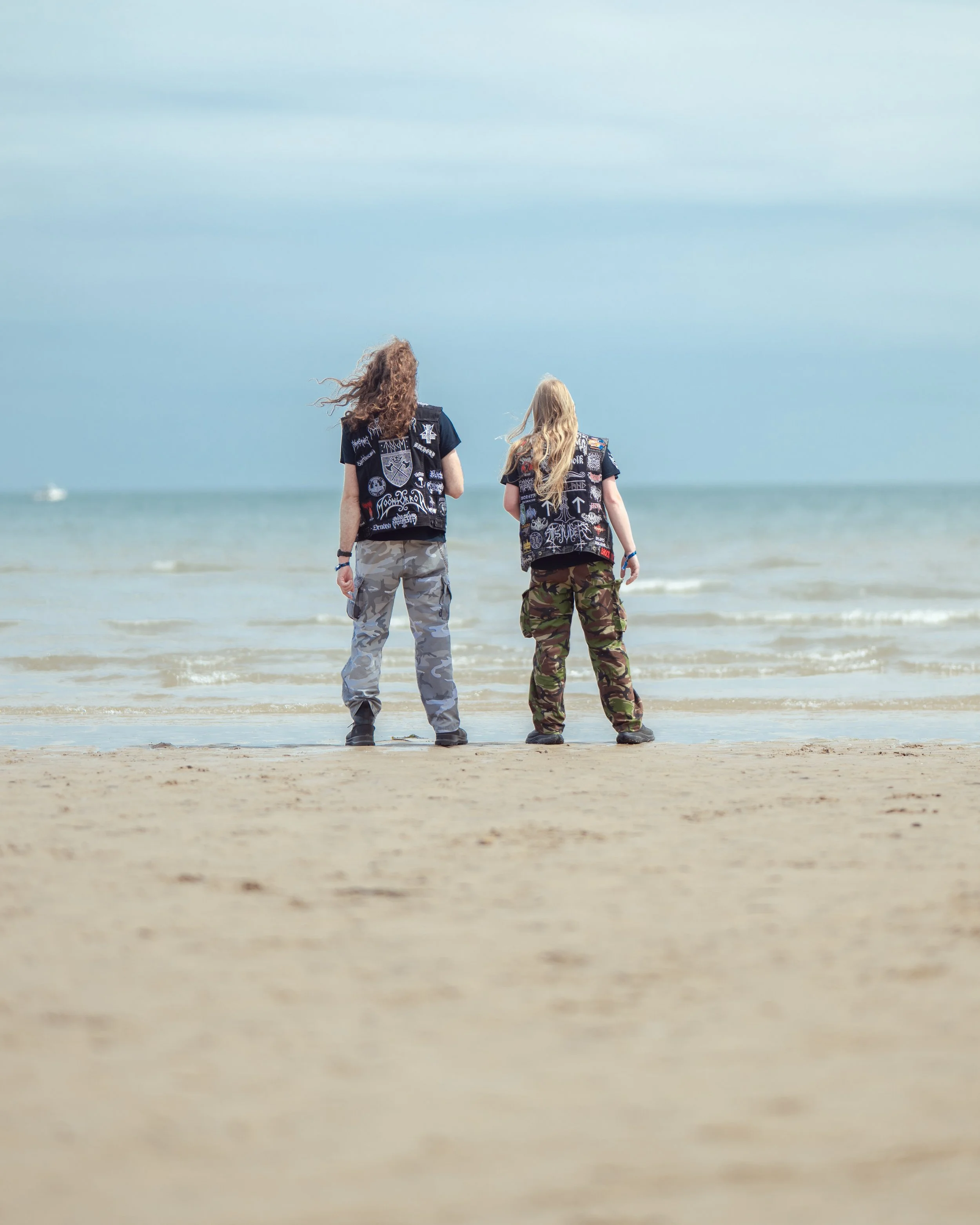
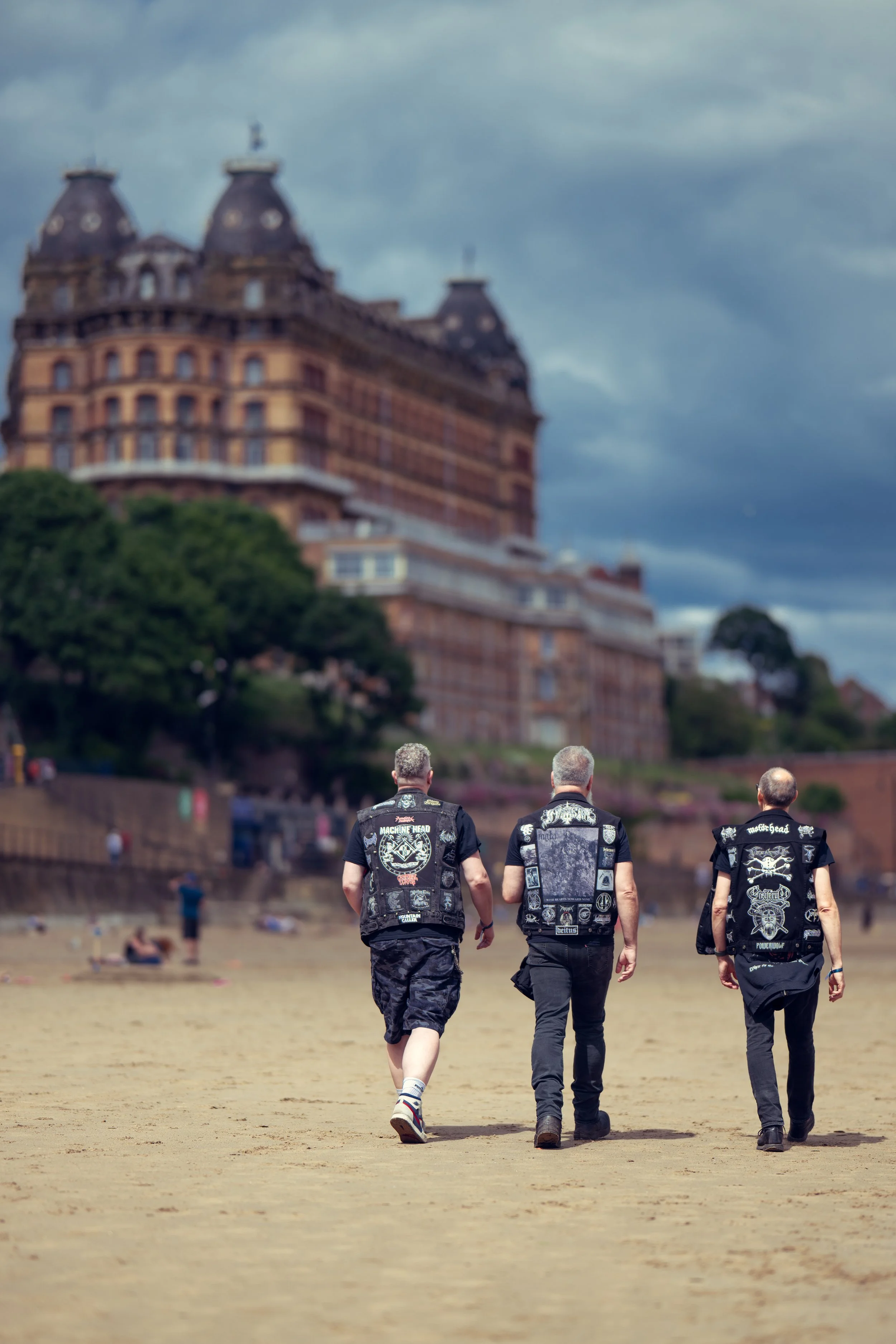
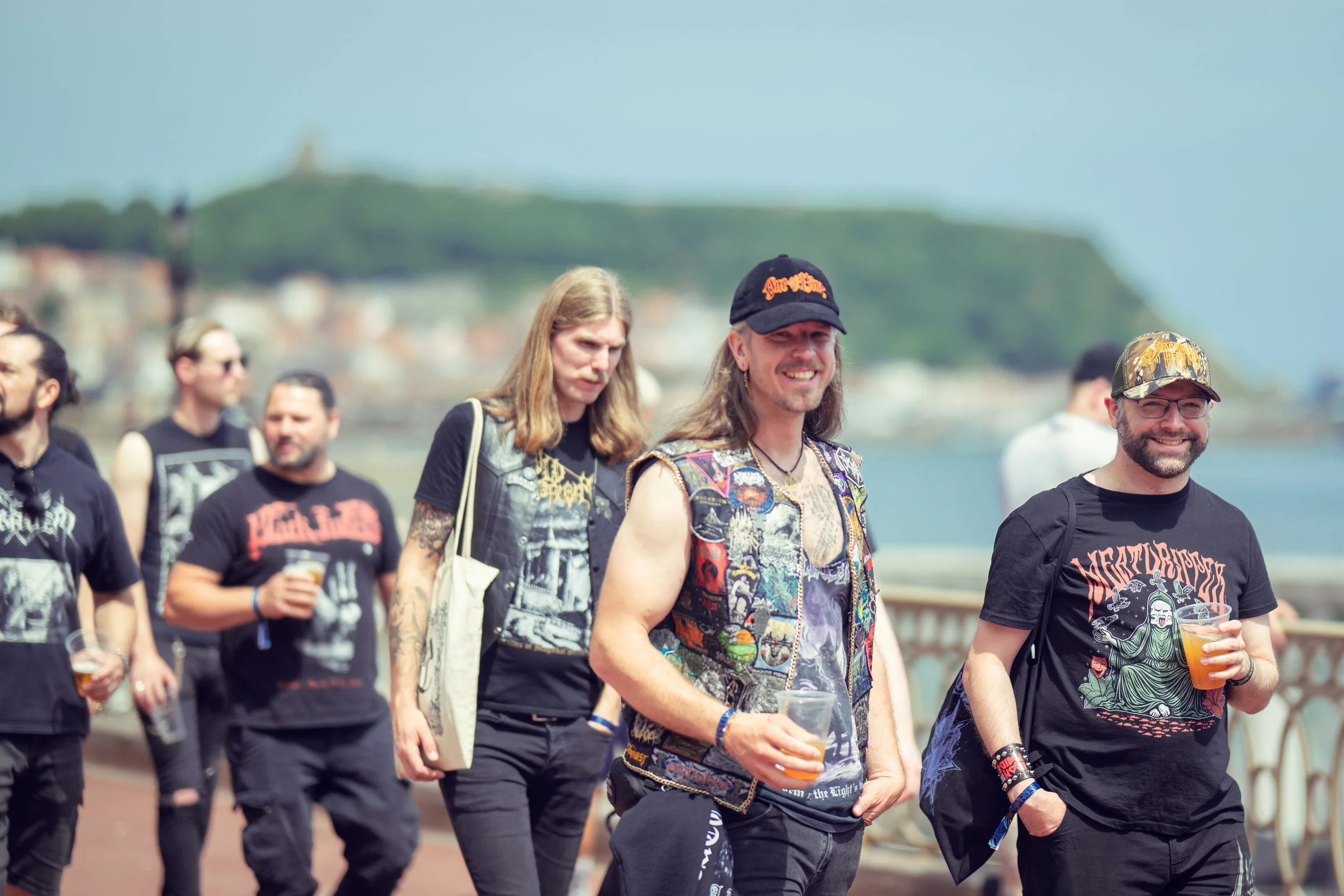
Fortress has become the one UK festival I’d most hate to miss. Next year will be better than ever, with personal favourites like Gris and Yellow Eyes alongside Emperor as headliners. I’ve already seen more of my favourite bands, like Ulcerate and Selbst, at Fortress than at any other festival. But the thing that makes it most special is the way the contrast between the bleak, crushing darkness of the stages and the relaxed serenity of the beach outside somehow combines into a coherent and unique festival mood. The sight of countless battle jackets and black-clad wraiths at the shoreline is part of the magic. So this year I made sure to photograph beach scenes as much as band sets (thanks to everyone willing to let me disturb their relaxation with a photo).
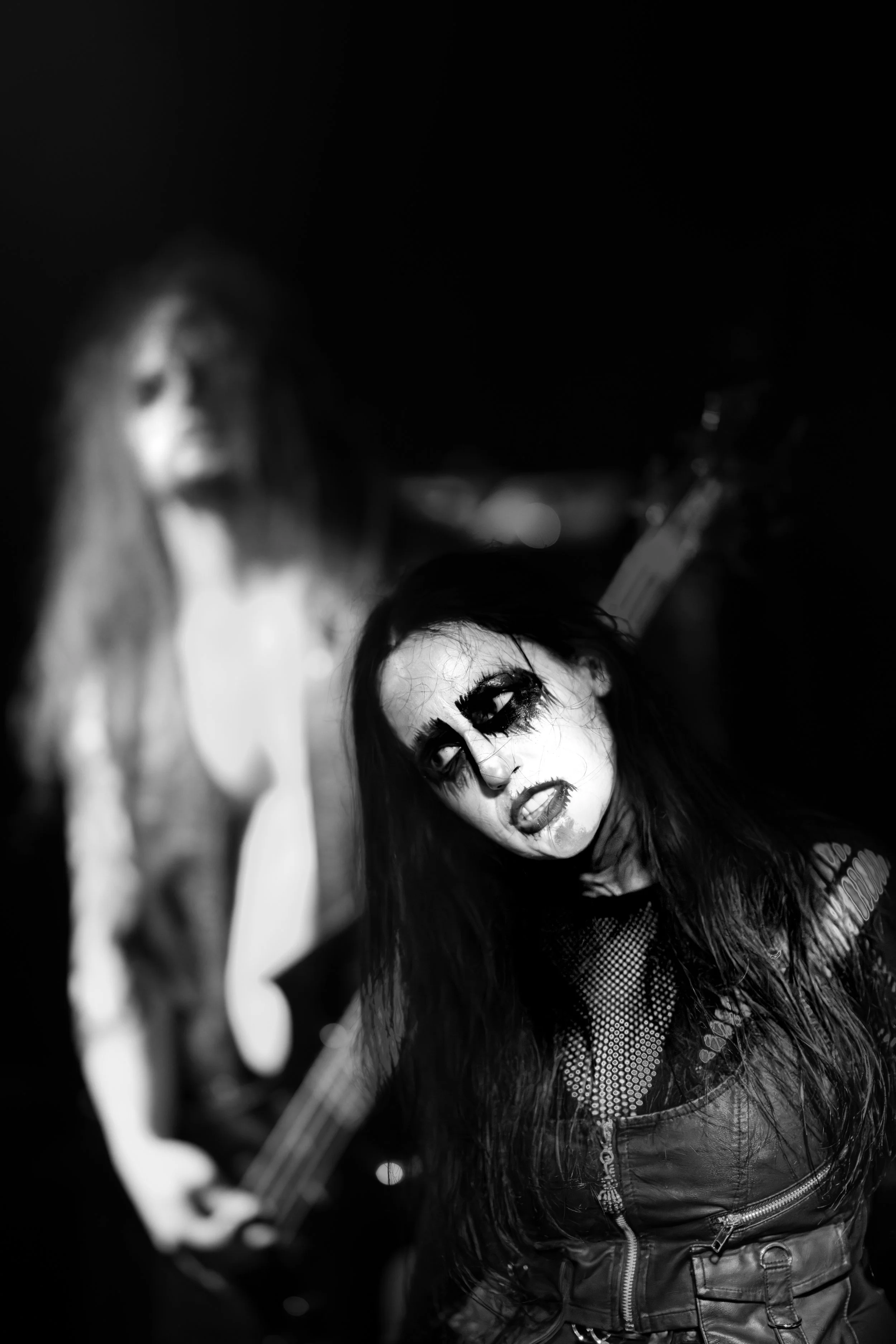
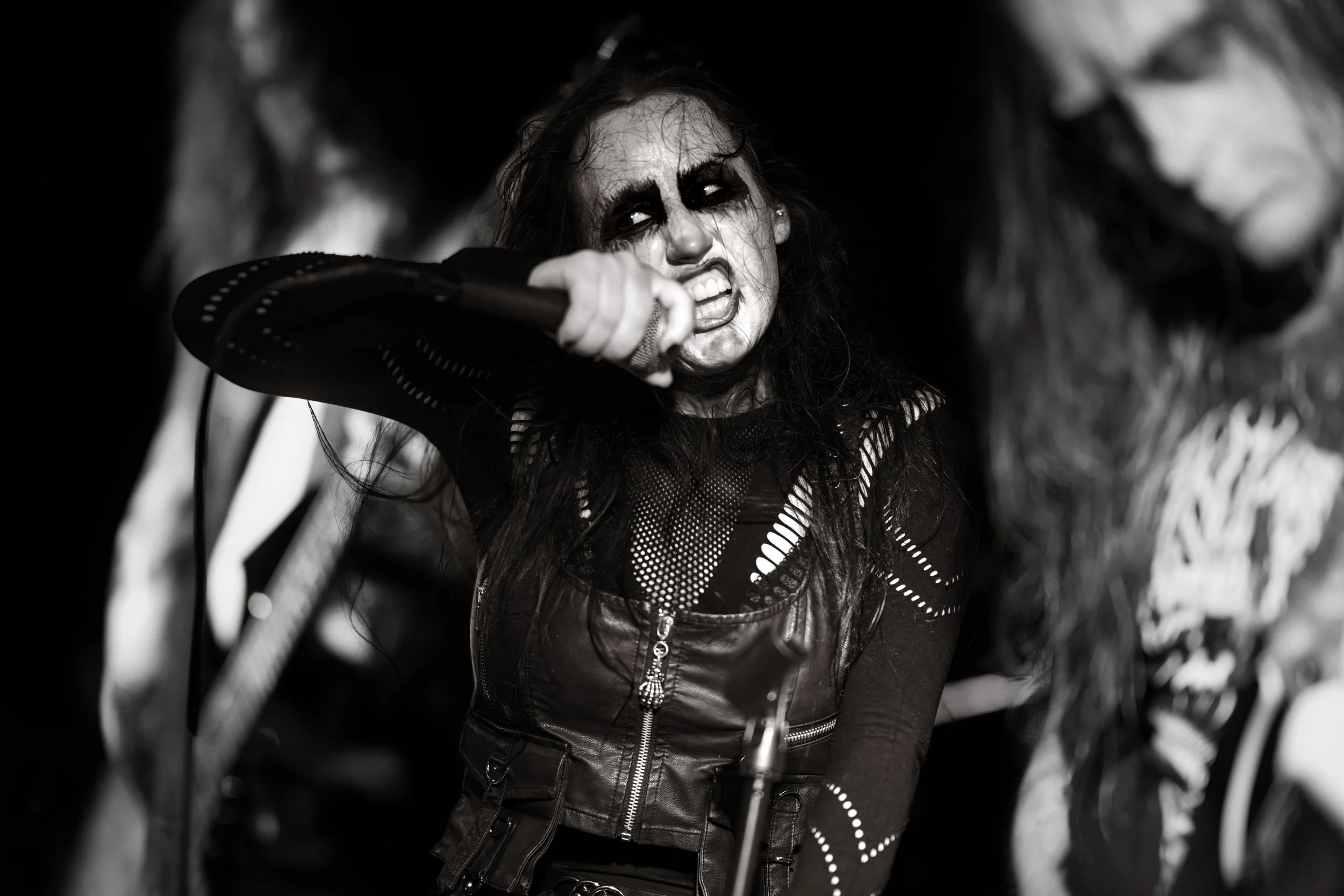
Another highlight was the addition of a pre-show on Friday night. Blood Countess kicked everything off and were one of the best bands of the weekend – frenzied magnificence from start to finish. I loved that the shared experience of the tiny pre-event meant everyone who met there treated each other like a group of extra friends all weekend.
There was plenty of music, like Antrisch’s ocean themed metal, that feeds right into my interests but that I only discovered here.
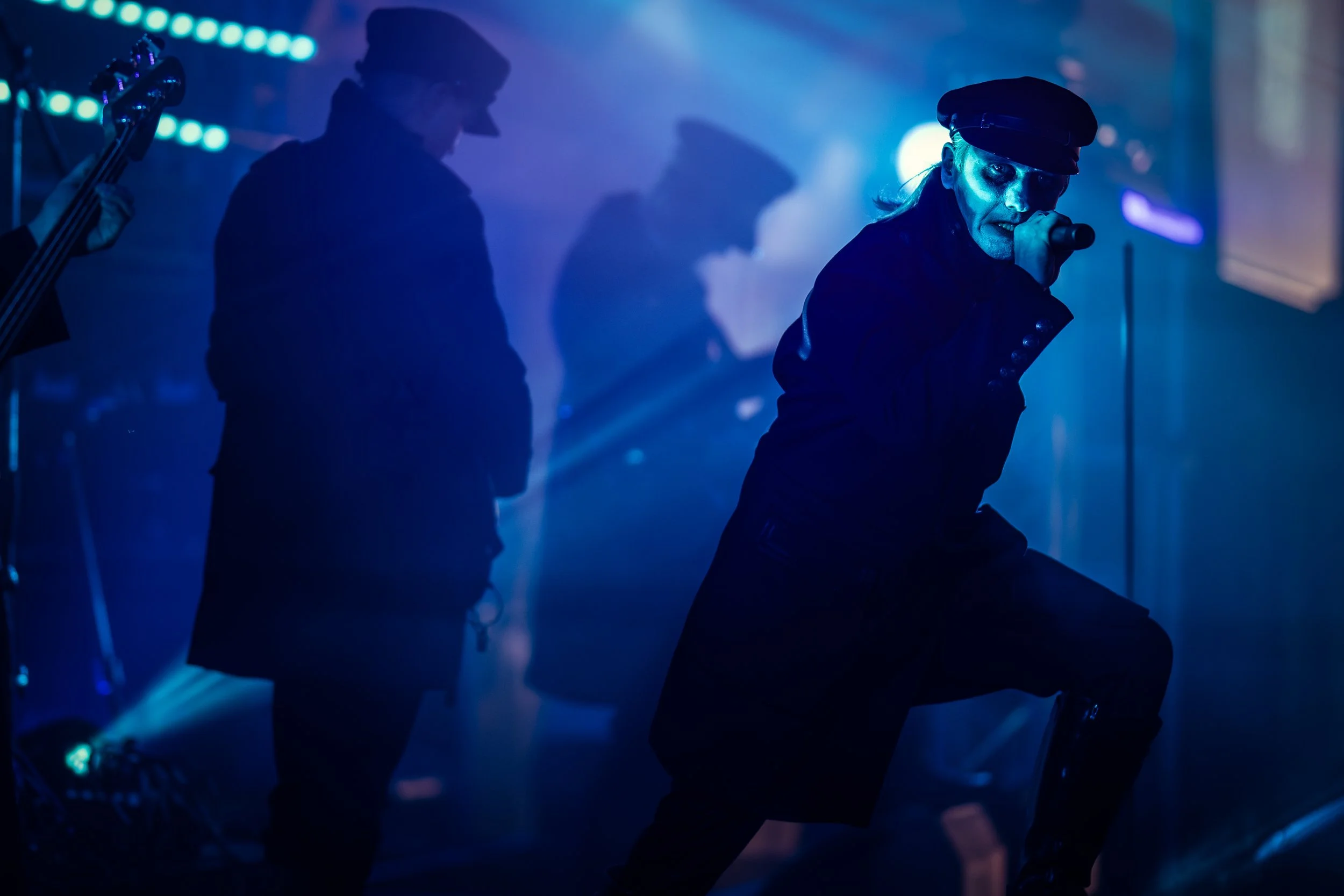
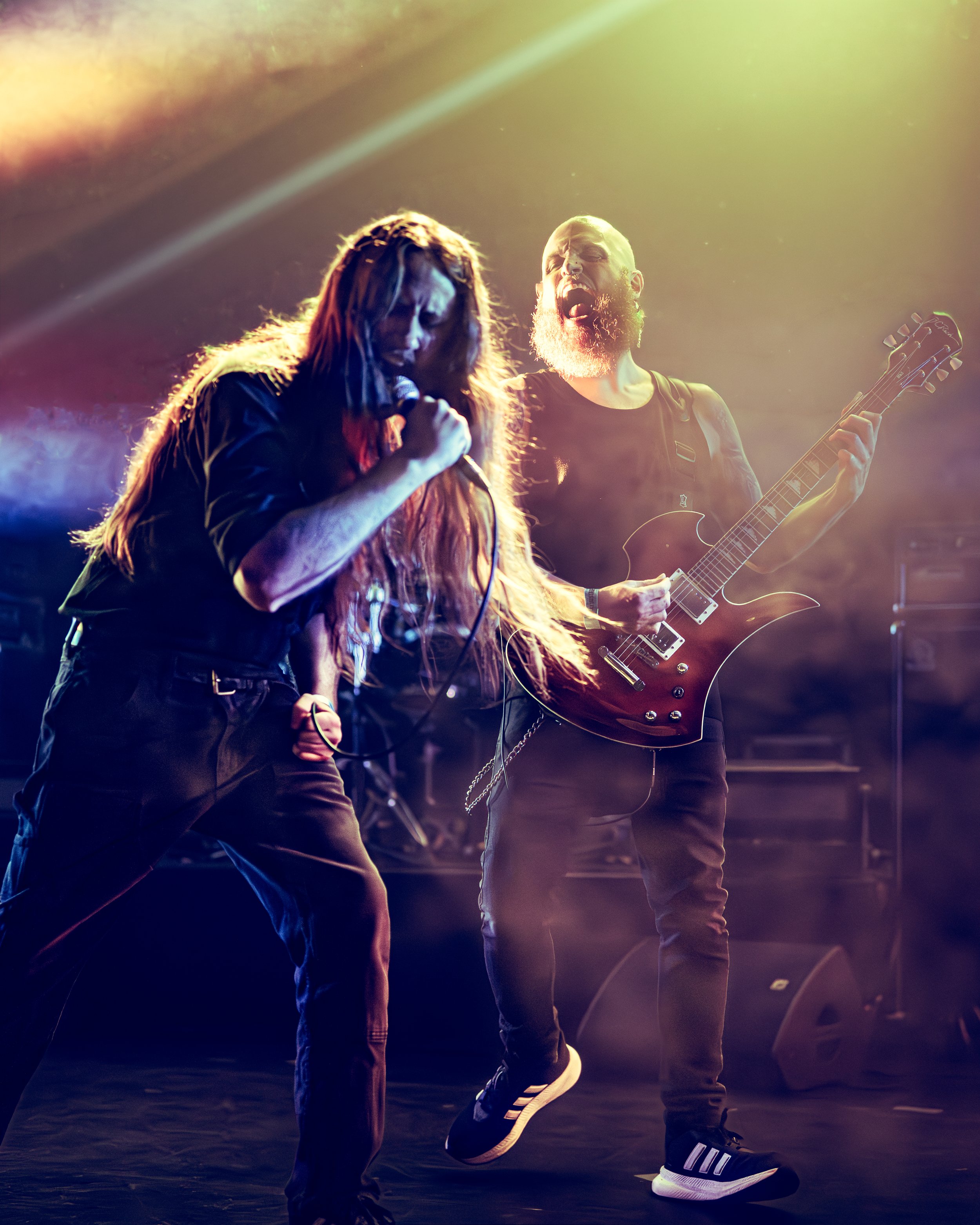
And completely unique possibilities, such as seeing the legendary Gallowbraid live (this was their only performance, ever), quickly become everyday Fortress experiences.
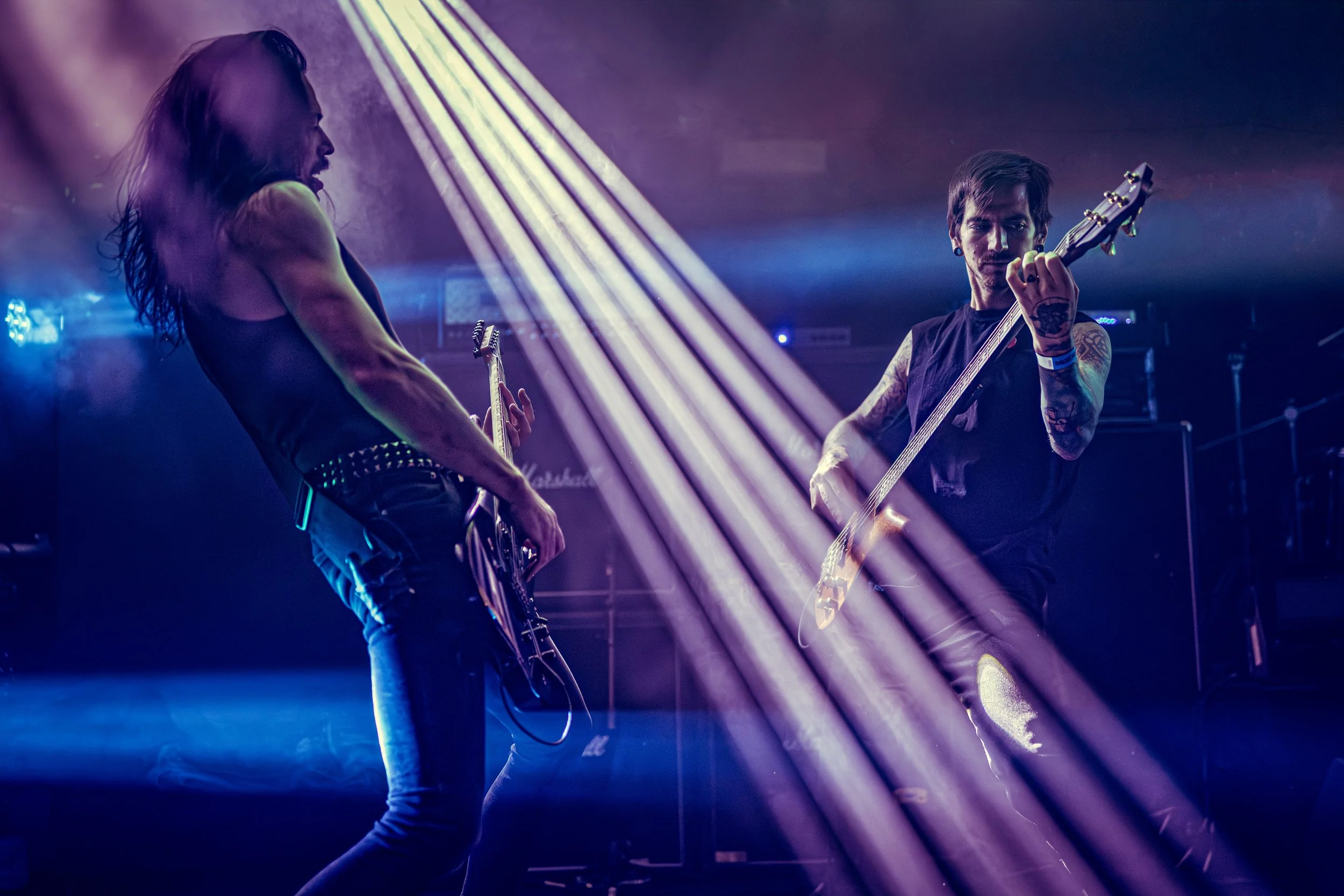
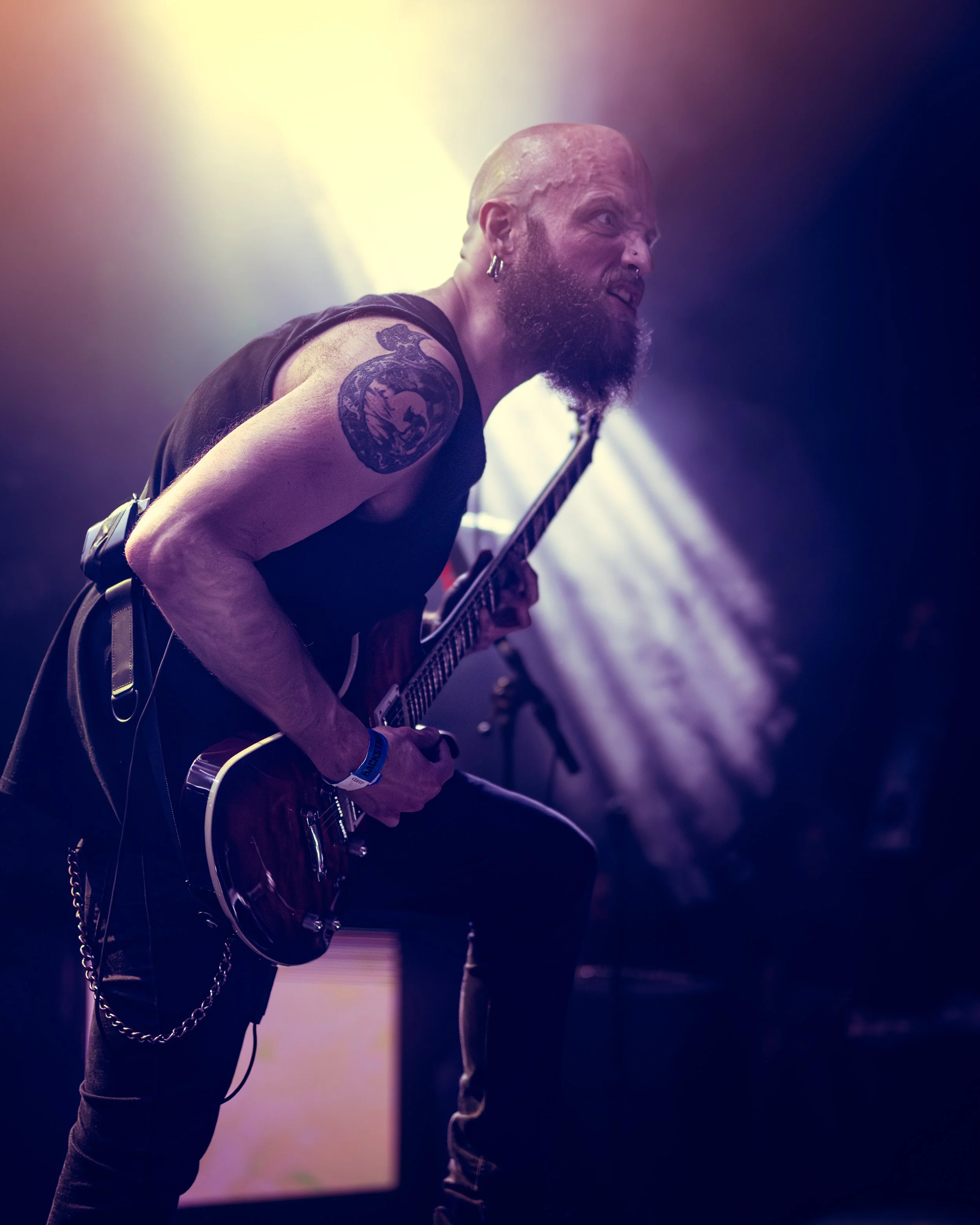
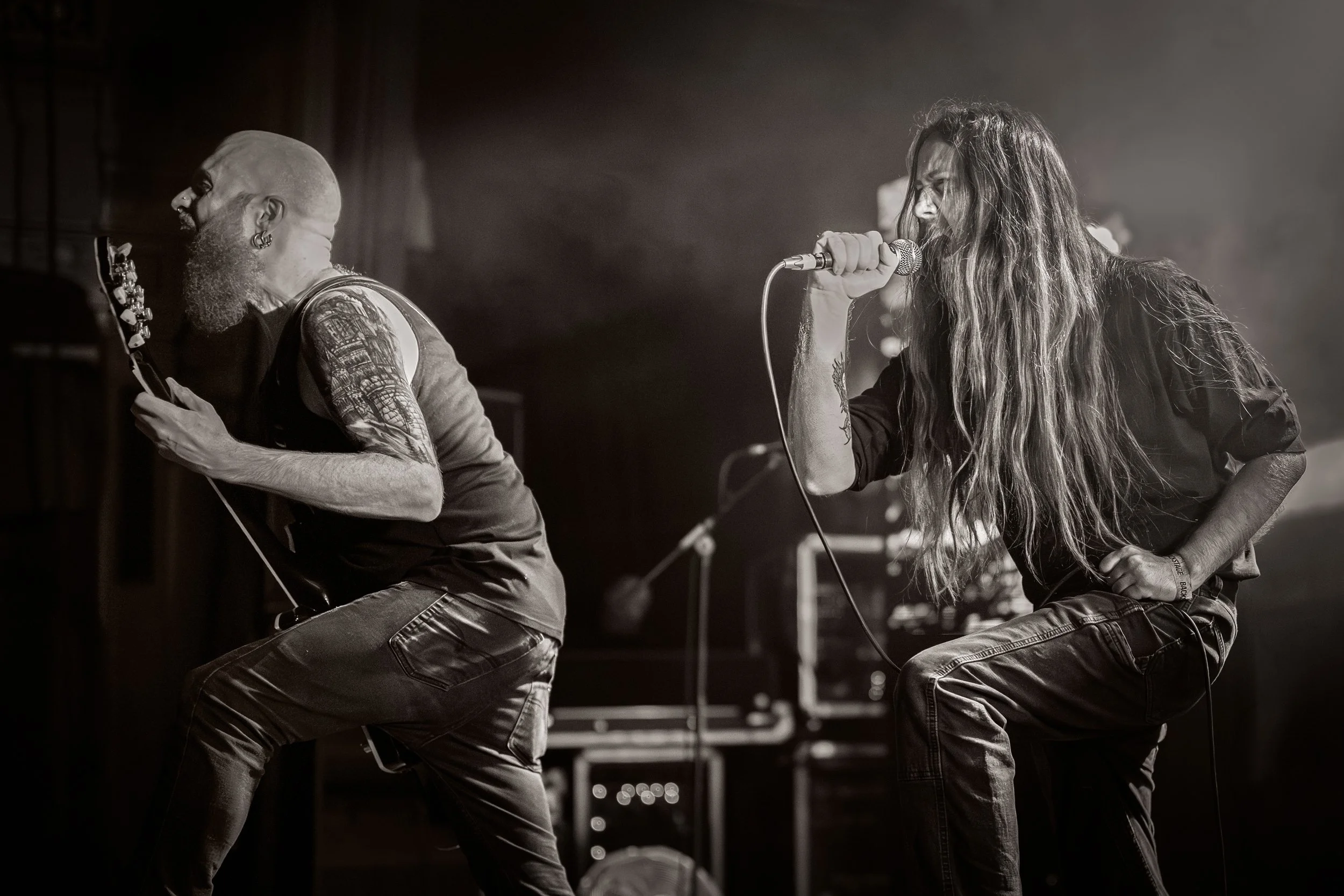
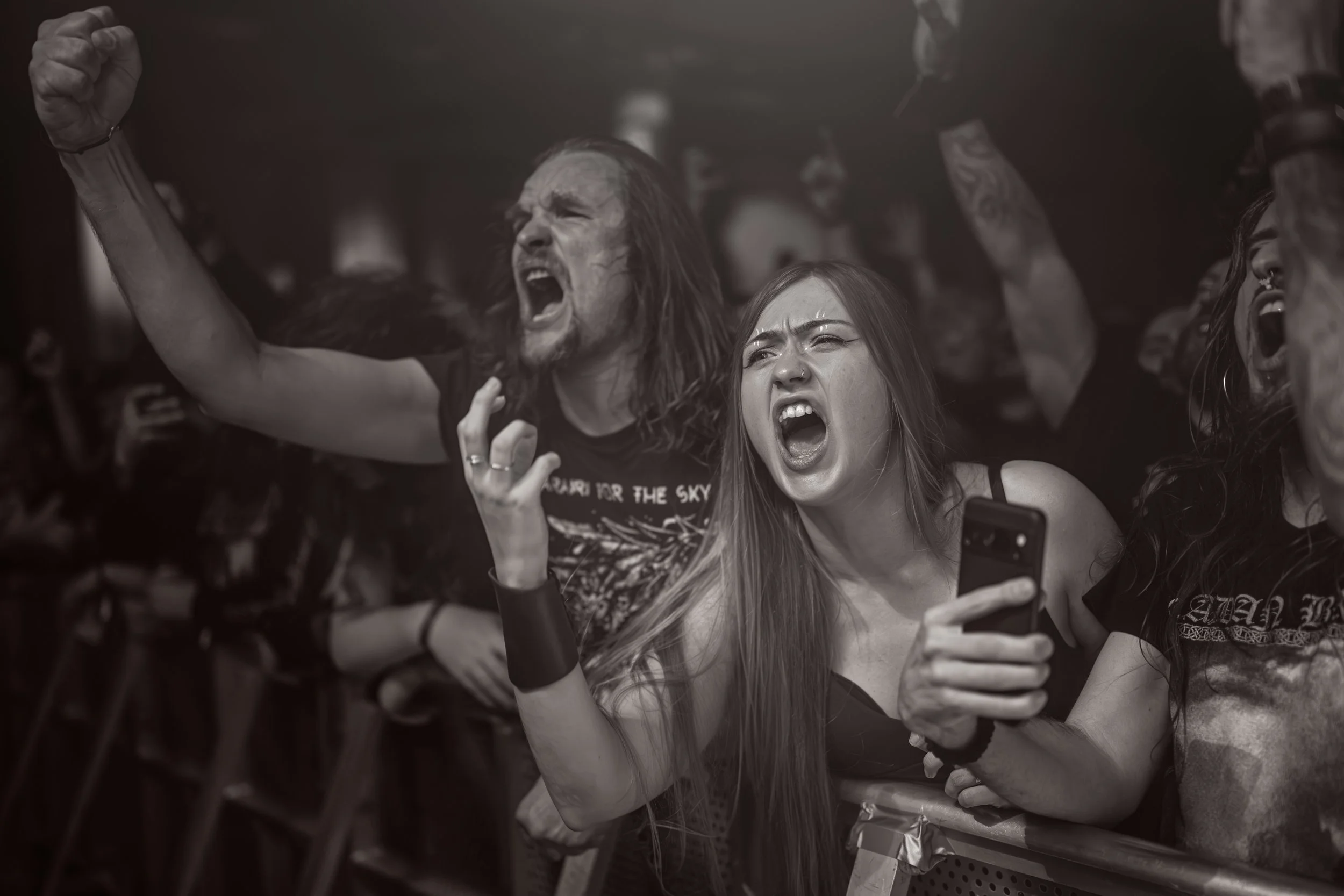
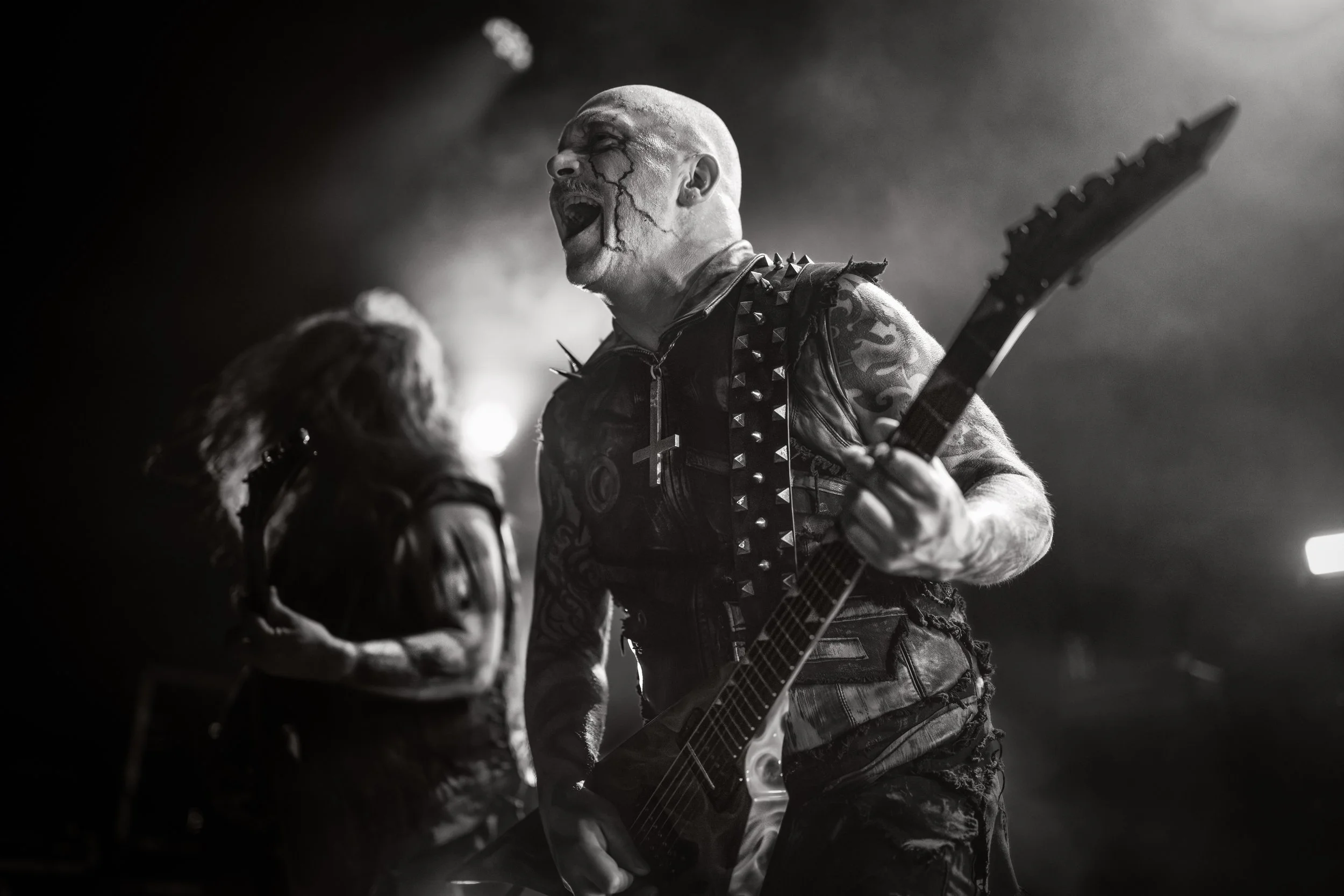
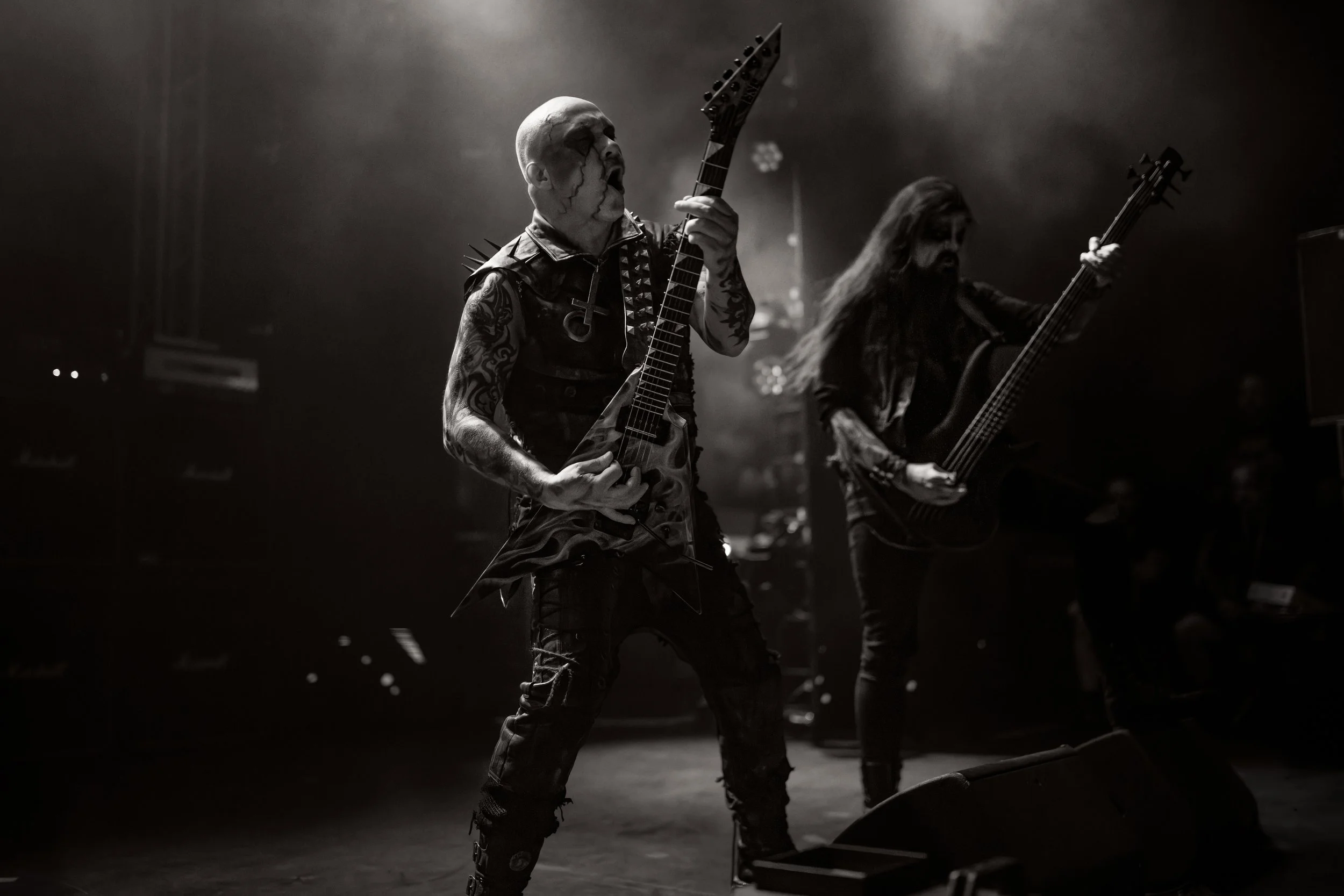
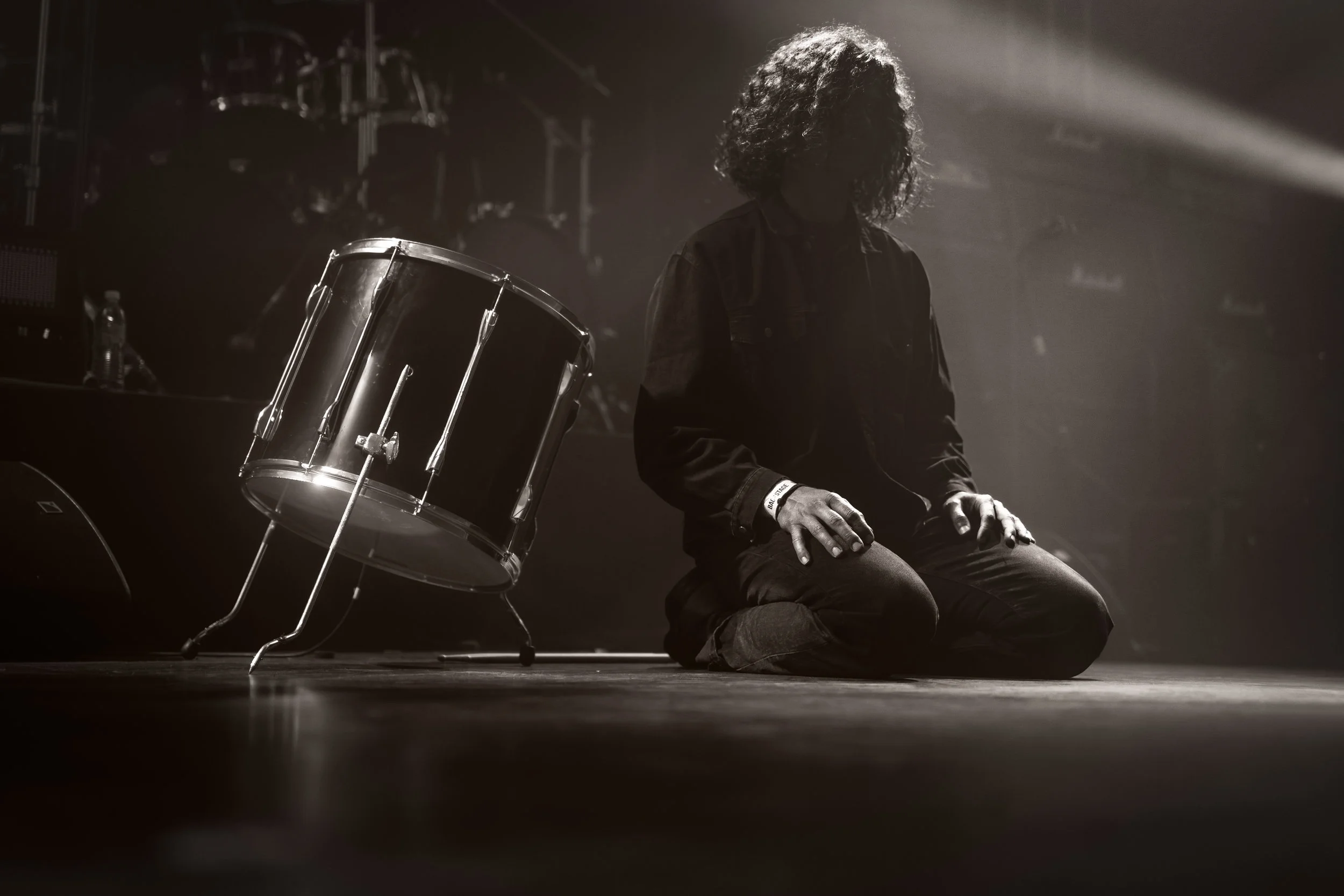
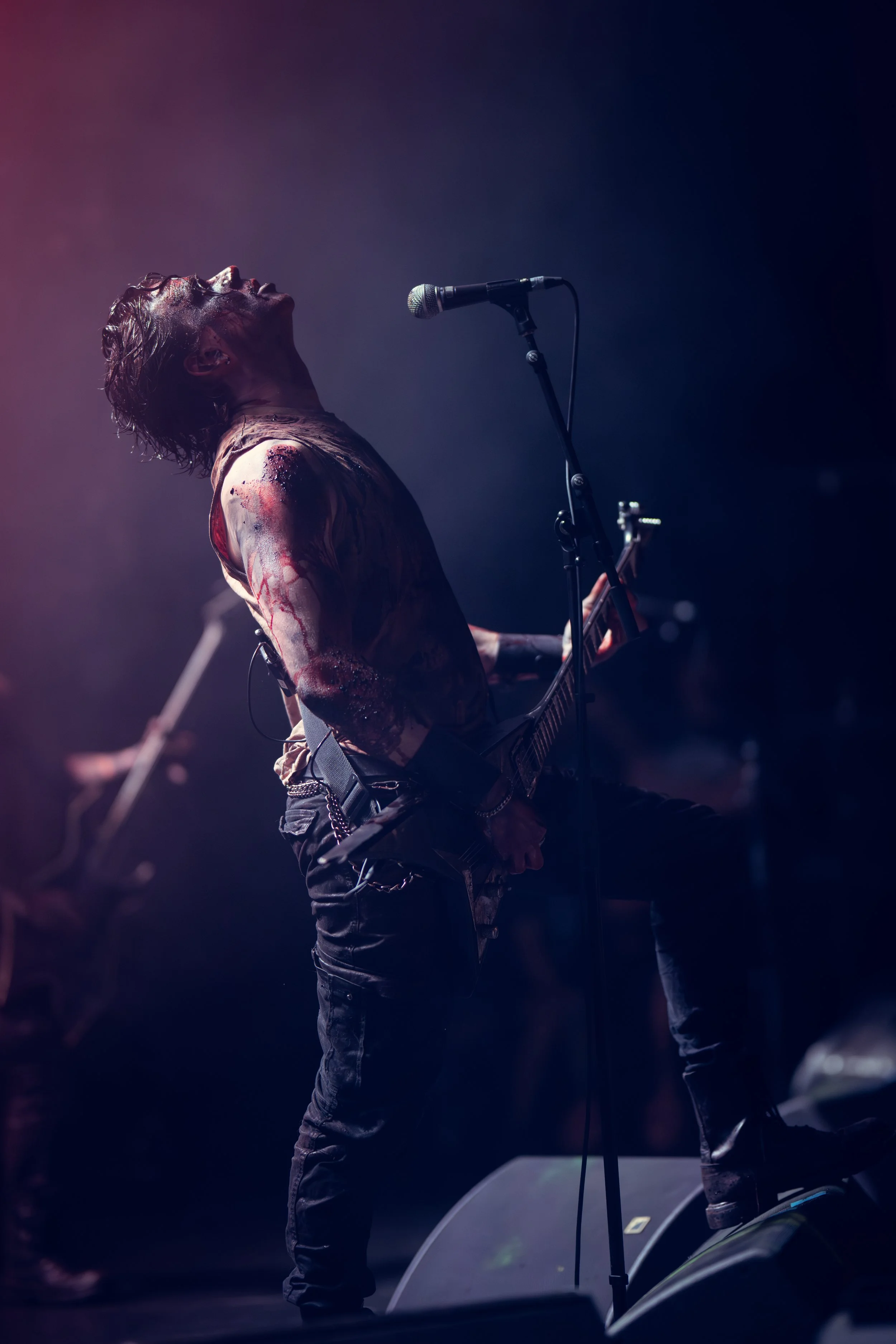
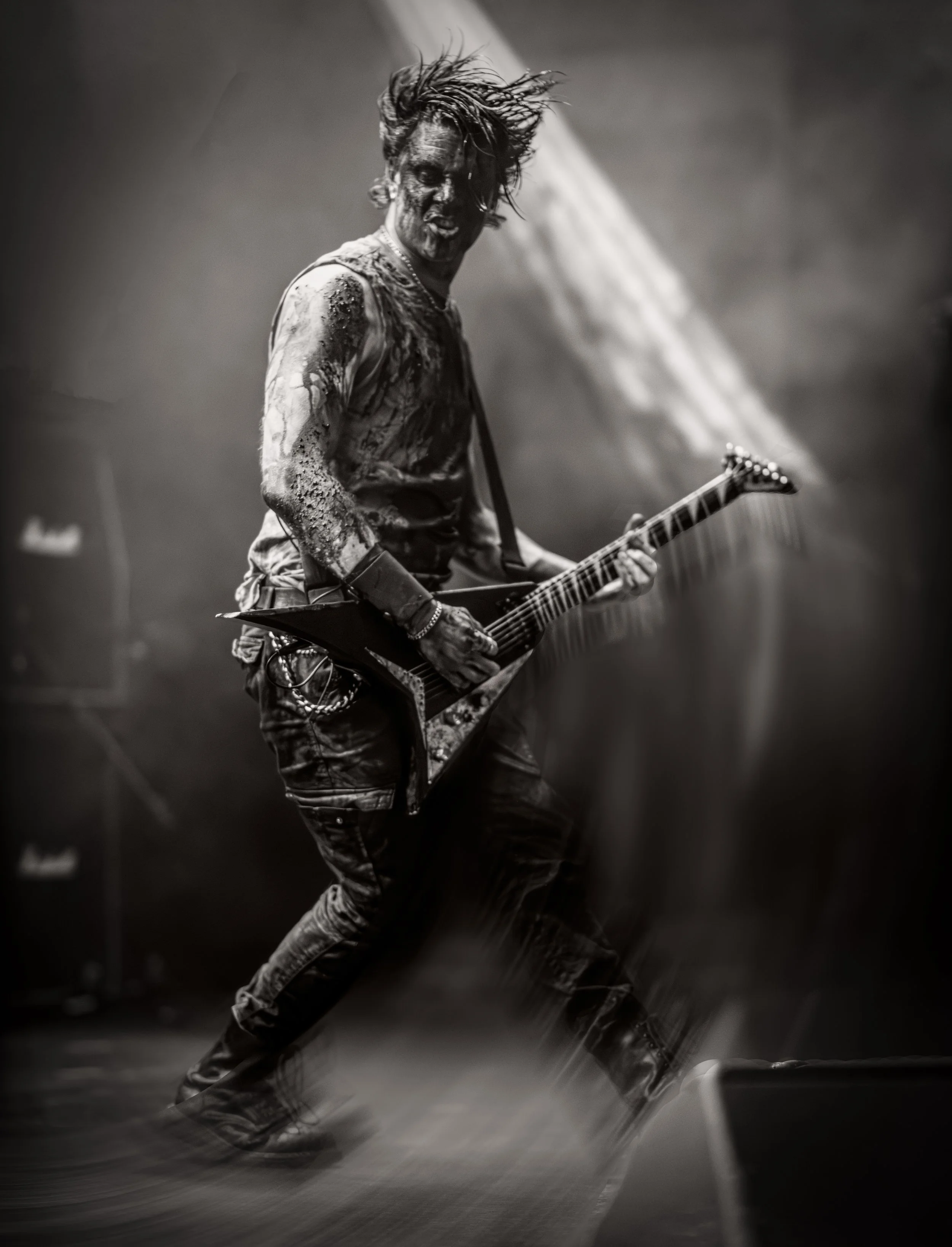
Other highlights included Old Man’s Child, Fluisteraars, and Misþyrming:
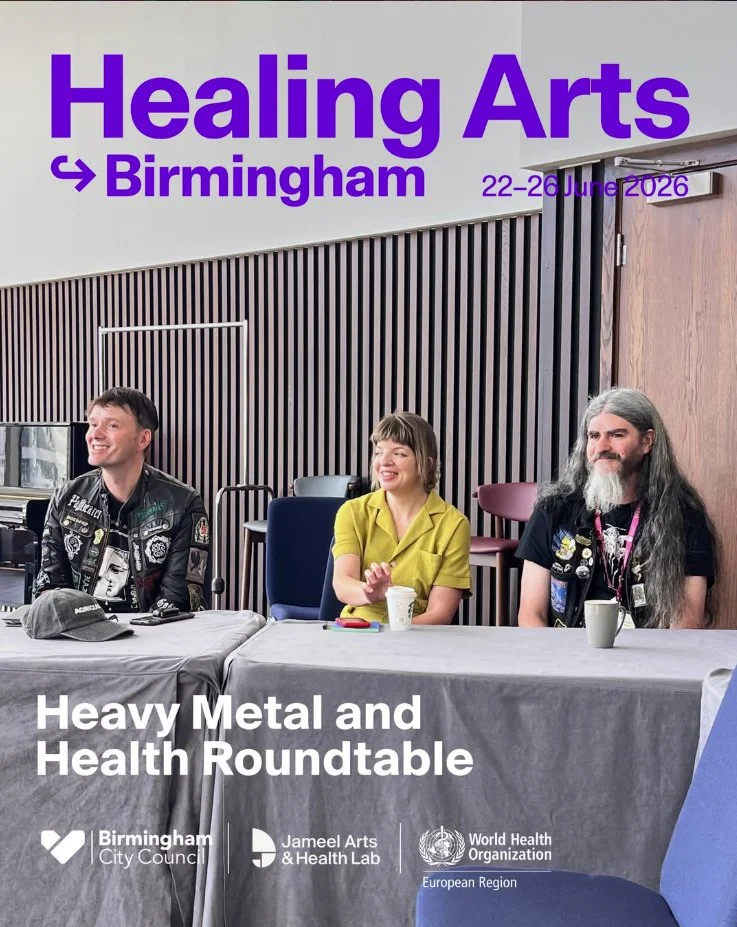
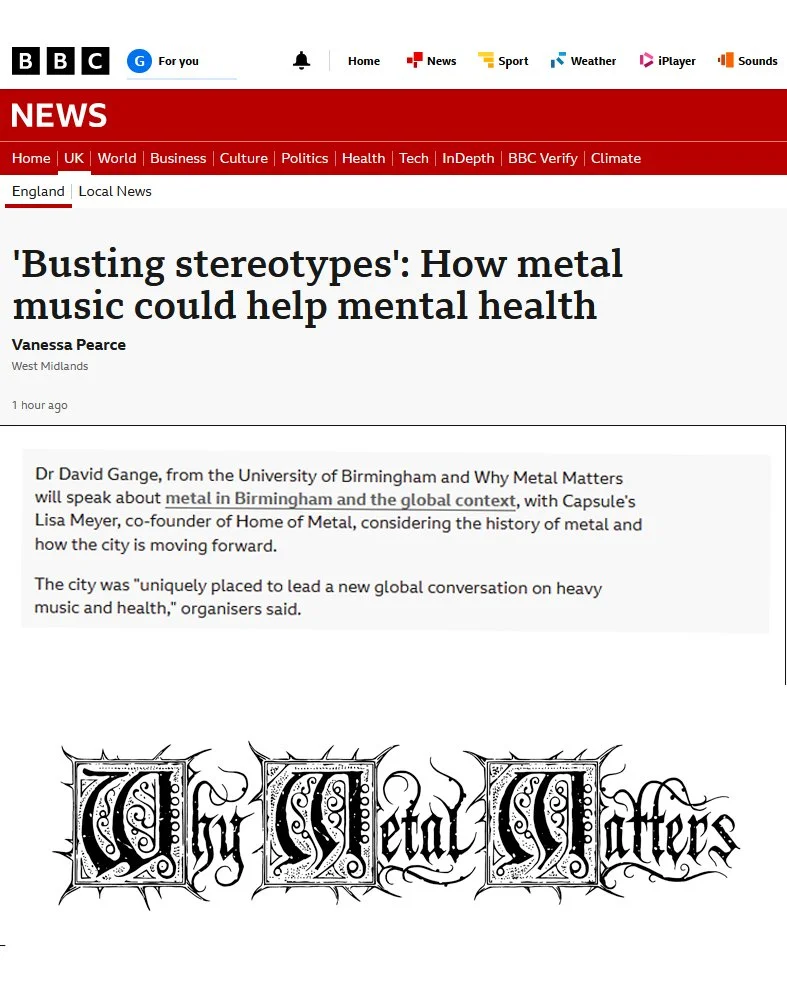
After coming back from Scarborough, I ended up doing a few pieces of work around metal scenes and health – including meetings with lots of council representatives, medical professionals, and metalheads, with World Health Organisation funding and the possibilities of some exciting sources of future support for the Birmingham metal scene.
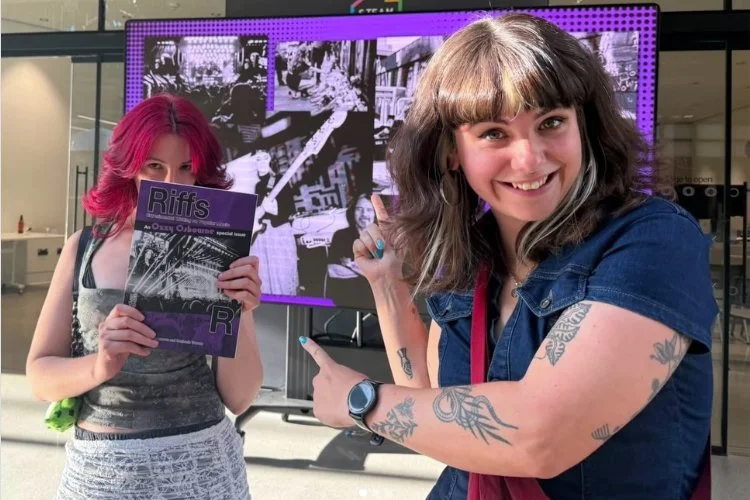
And the launch event of a special edition of Riffs Journal (that I contributed a chapter to) also placed emphasis on questions of how scene and community relate. I stupidly didn’t take my camera, but here are Meatdripper at the launch showing off the journal (photo by Meatdripper):
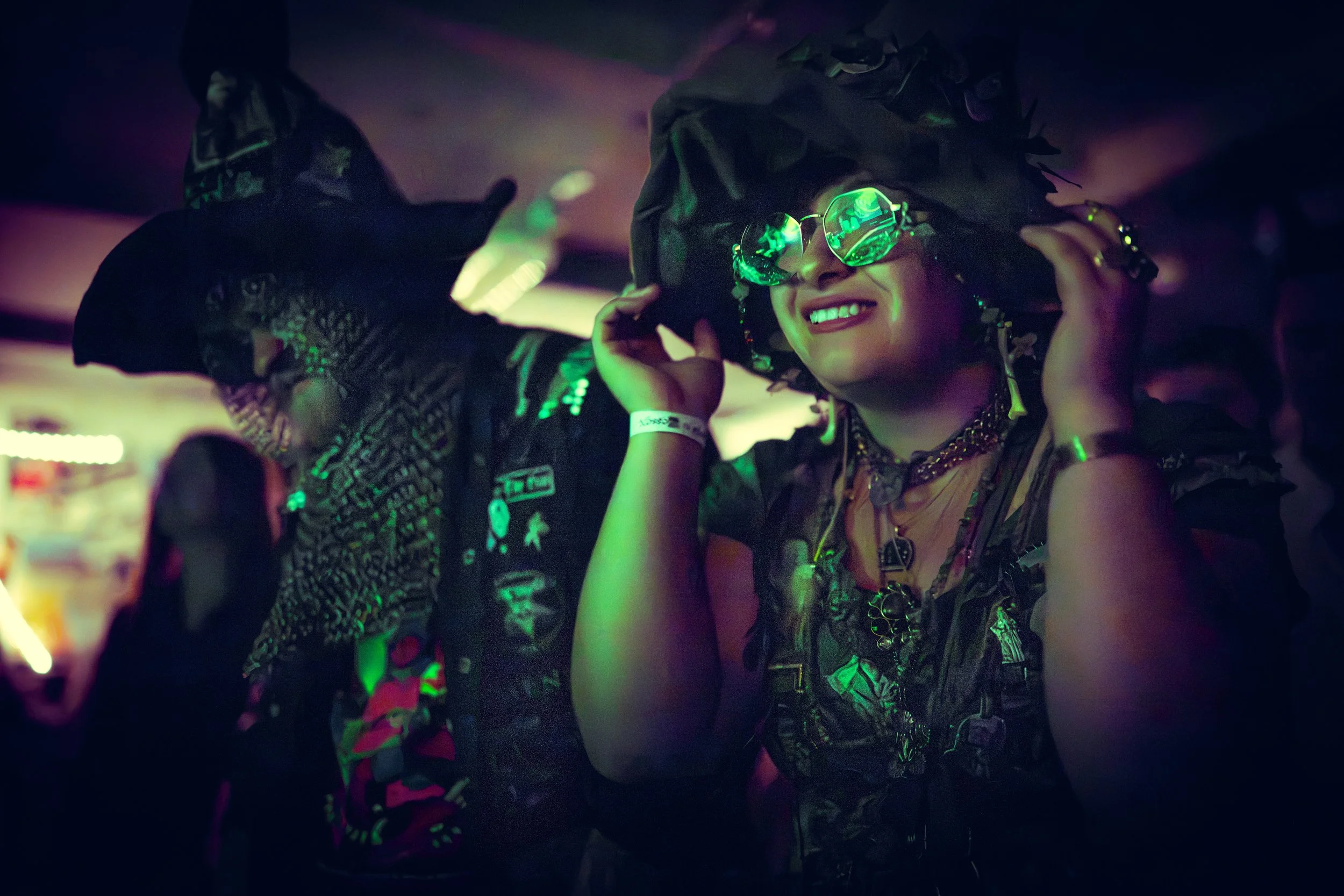
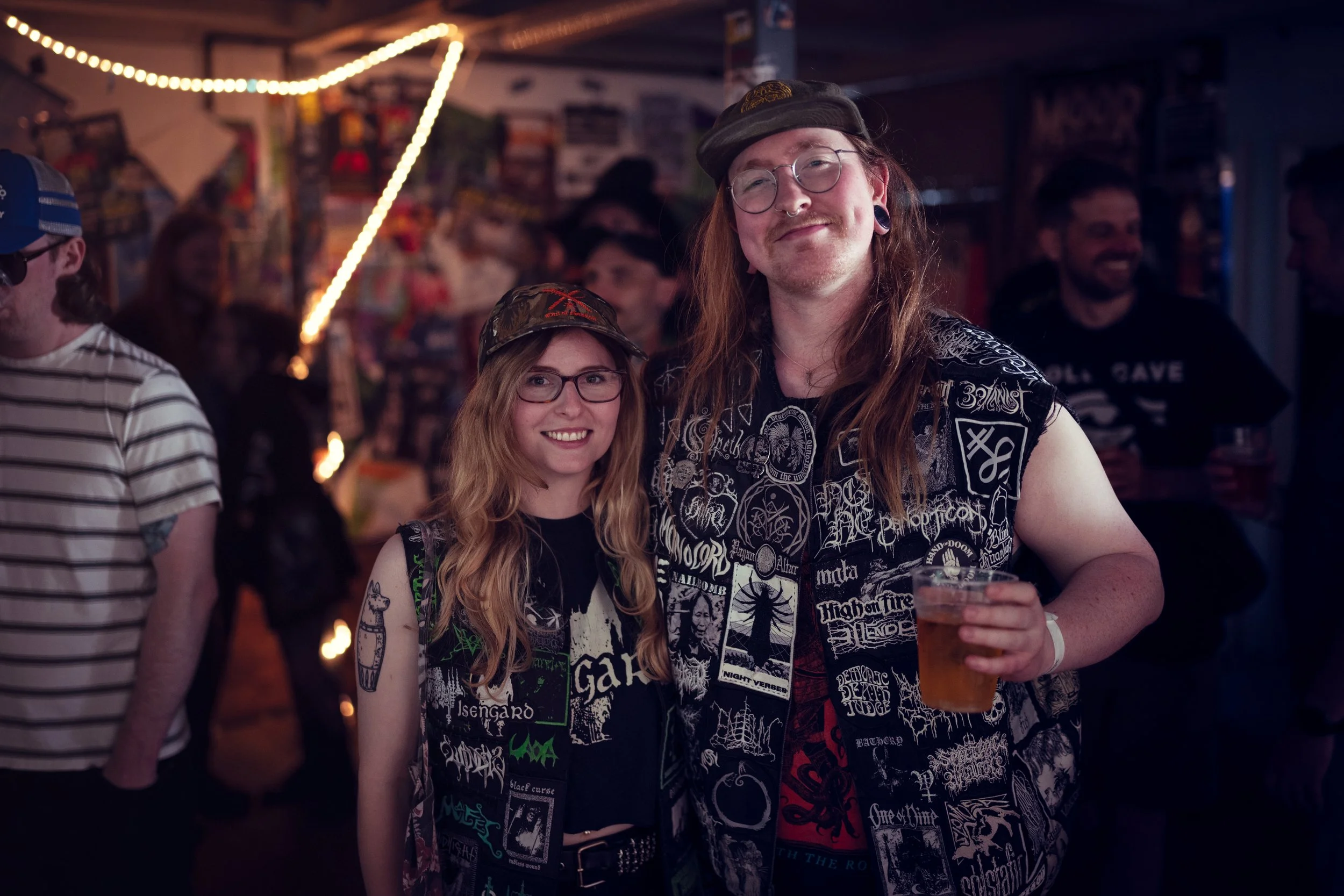
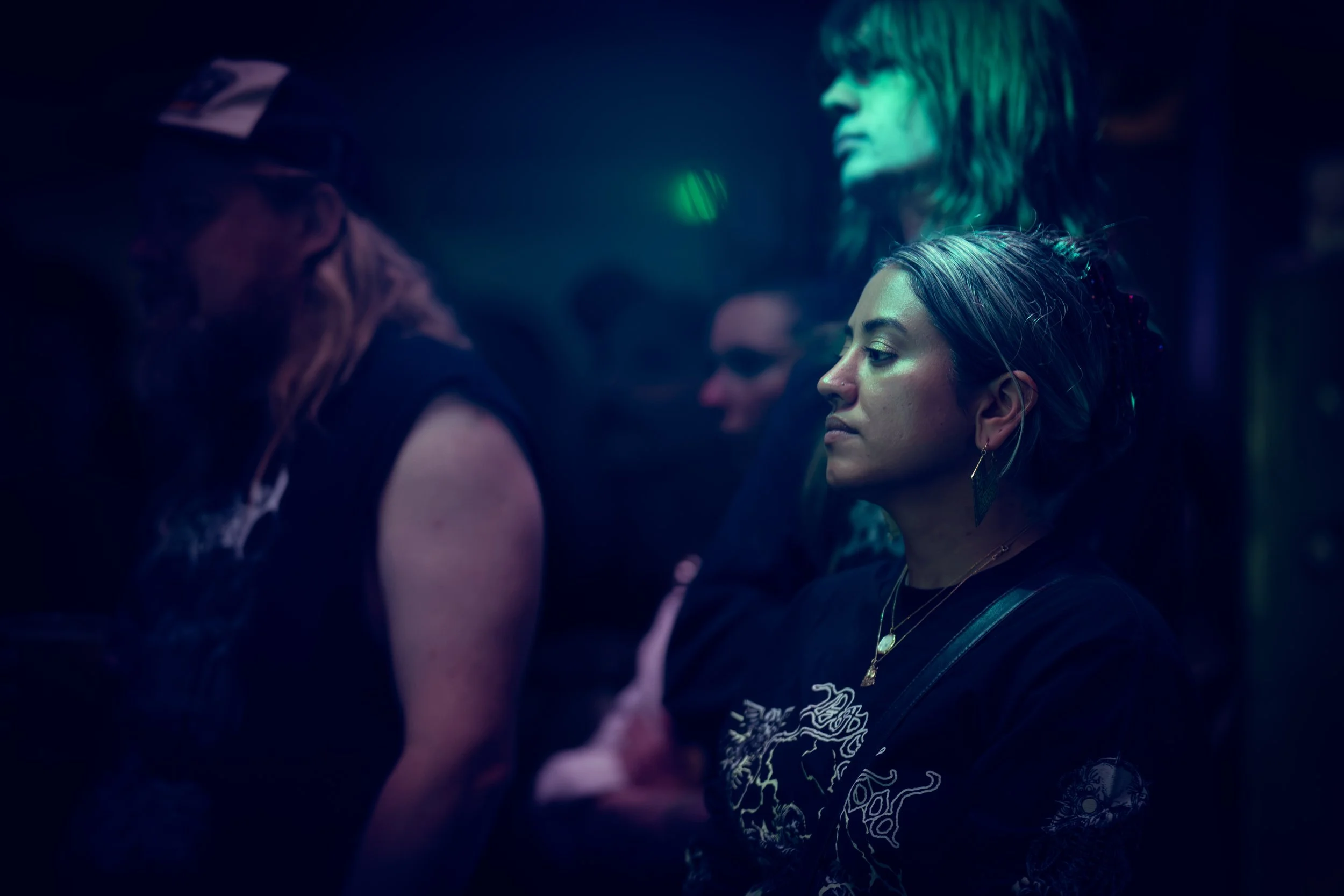
Throughout all these I was thinking of Fortress and the temporary communities festivals build, which tend to live on online and interact with local scenes in complex and interesting ways. Little could have made me return to those thoughts more intently than the experience of Dungeons of Wessex last weekend. This was the festival’s first year, but it generated such enthusiasm that it’s sure to be back far bigger next year. Here’s Bristol24/7’s excellent write-up with some Why Metal Matters photos. The Bristol crowd had gone all out to make the day feel like a portal to some mythical time far, far better than 2026: this was one of the best arrays of battle-jackets, battle-tabards, gowns and wizards robes I’ve ever seen. I spoke to several people who’d come to the brewery’s tap room by chance, not knowing there was a festival on, and whose jaws had dropped at the sight of elaborately dressed dungeon synth fans generating an atmosphere of the friendliest communal revelry.
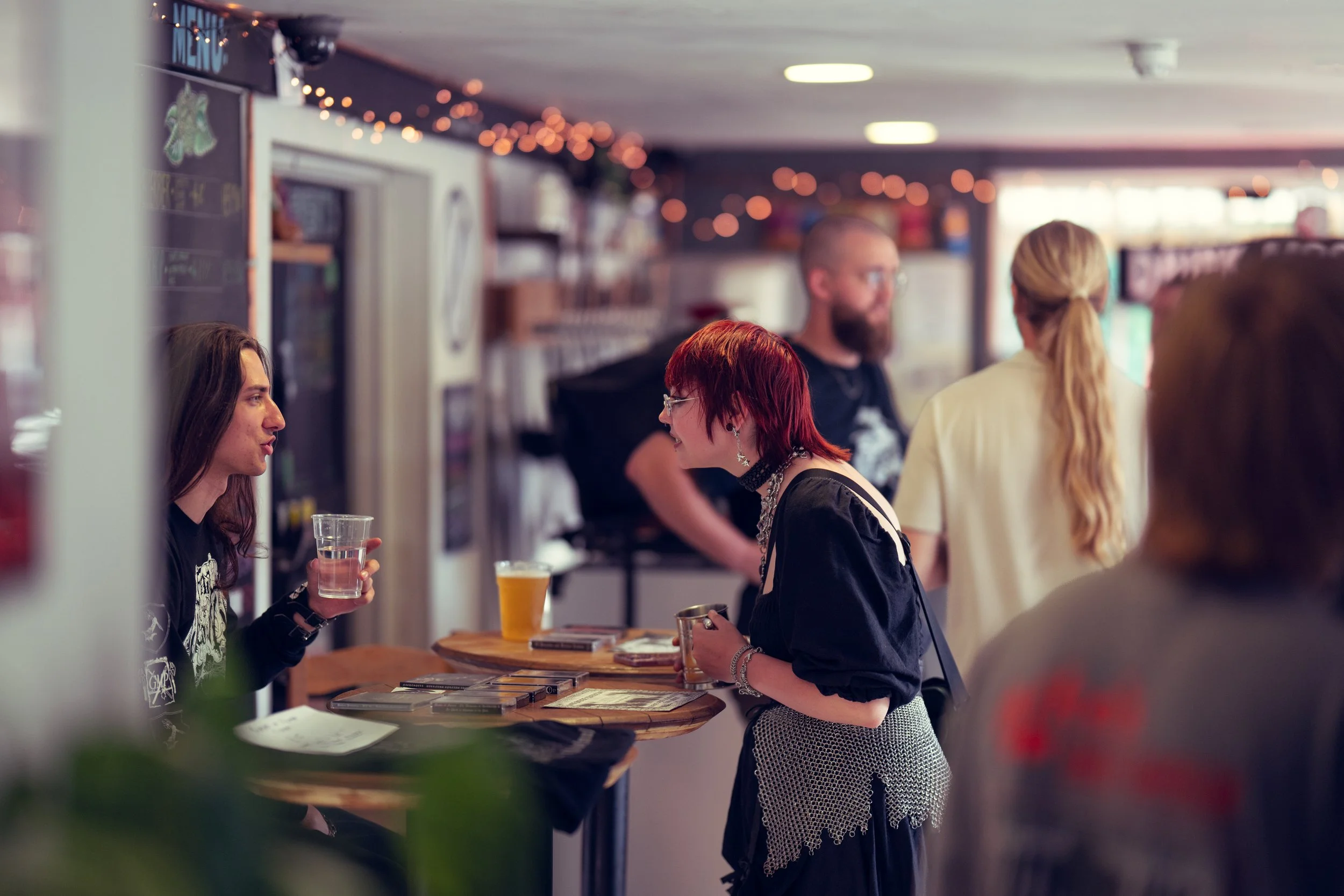
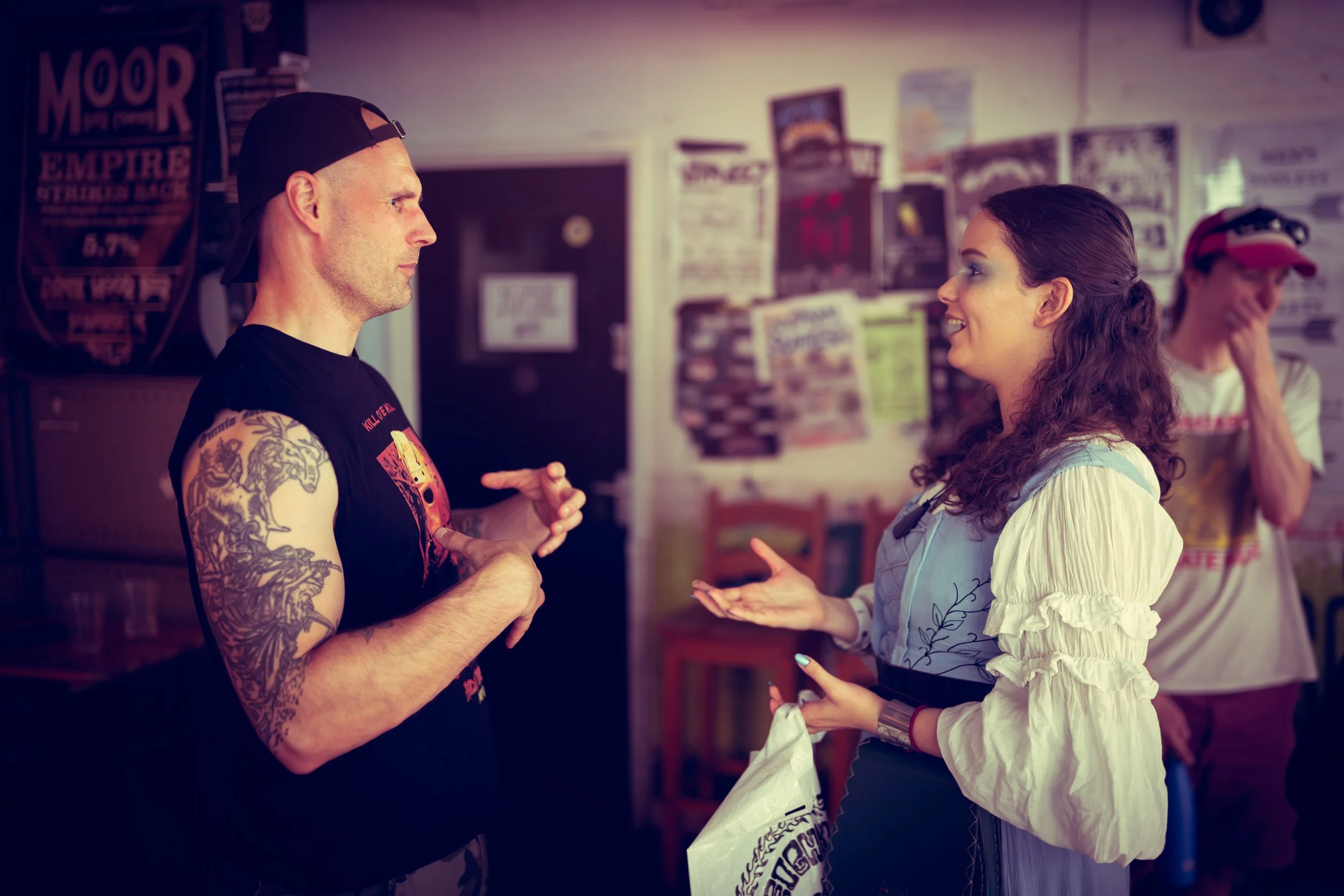
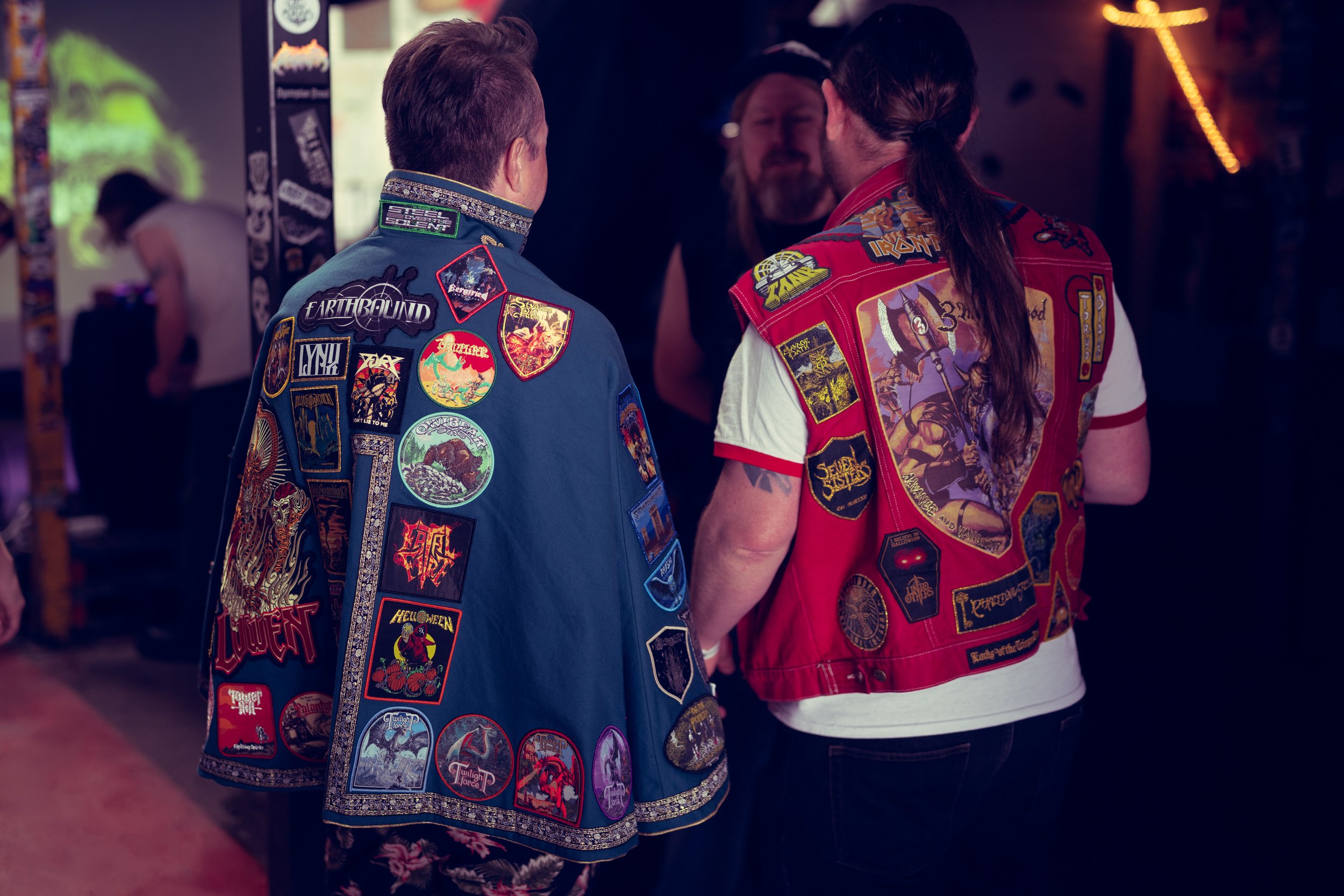
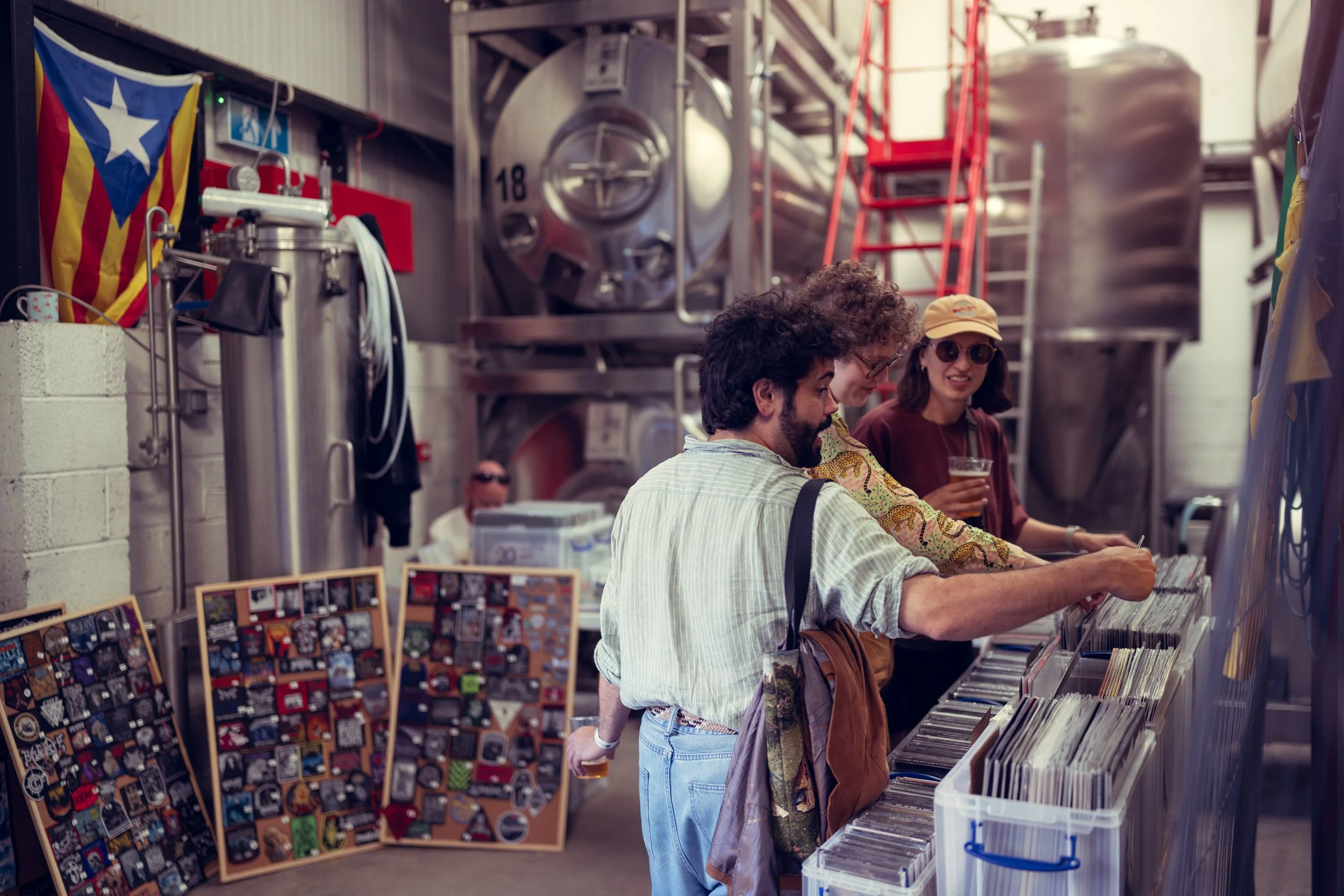
The brewery was packed with tables of t shirts, patches, handmade accessories, and (this being dungeon synth) hundreds of lovingly illustrated cassettes from tiny record labels.
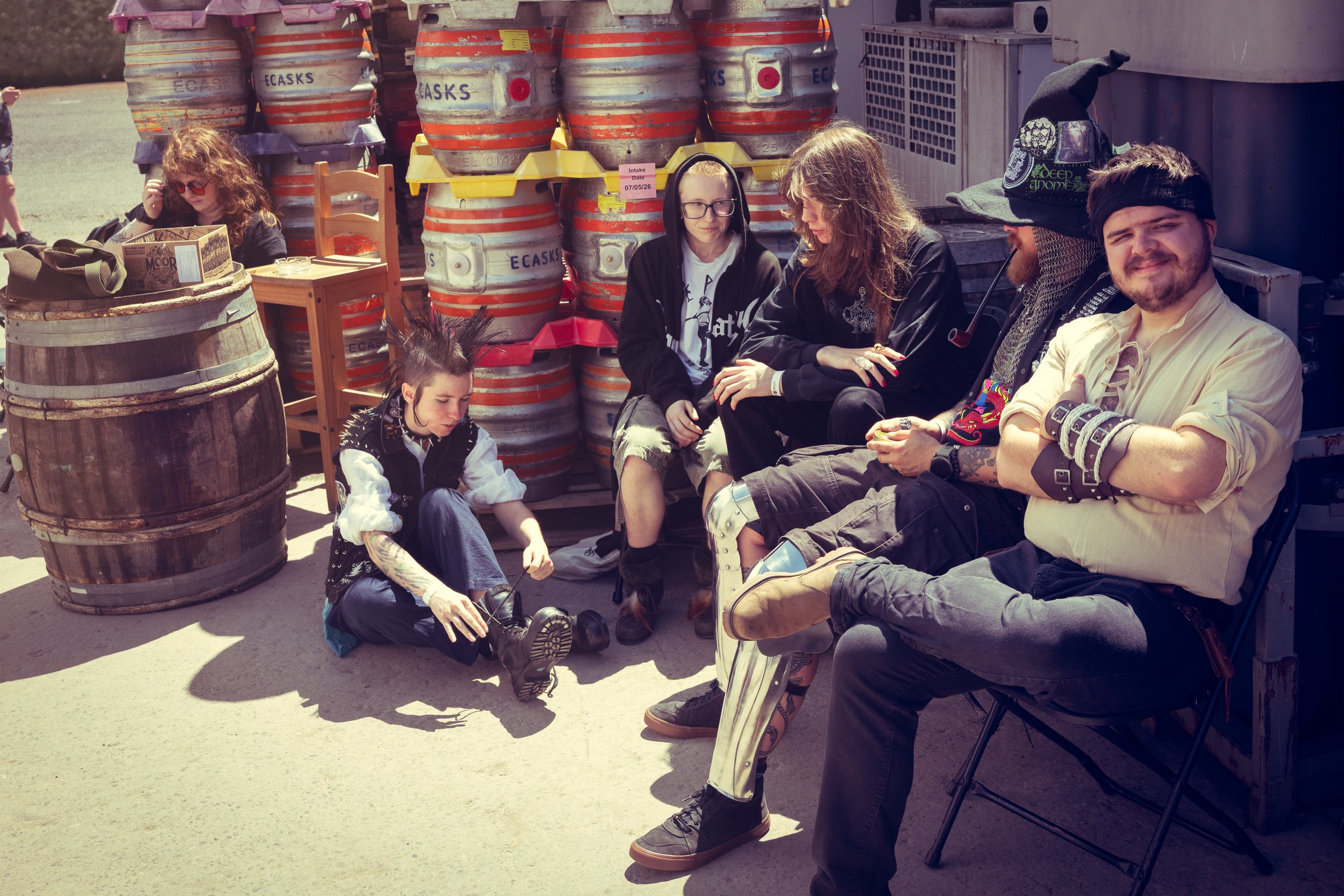
The fact it was in a brewery helped no end: where else should people who are dressed in slightly hobbity ways sit than surrounded by casks or sacks of grain?
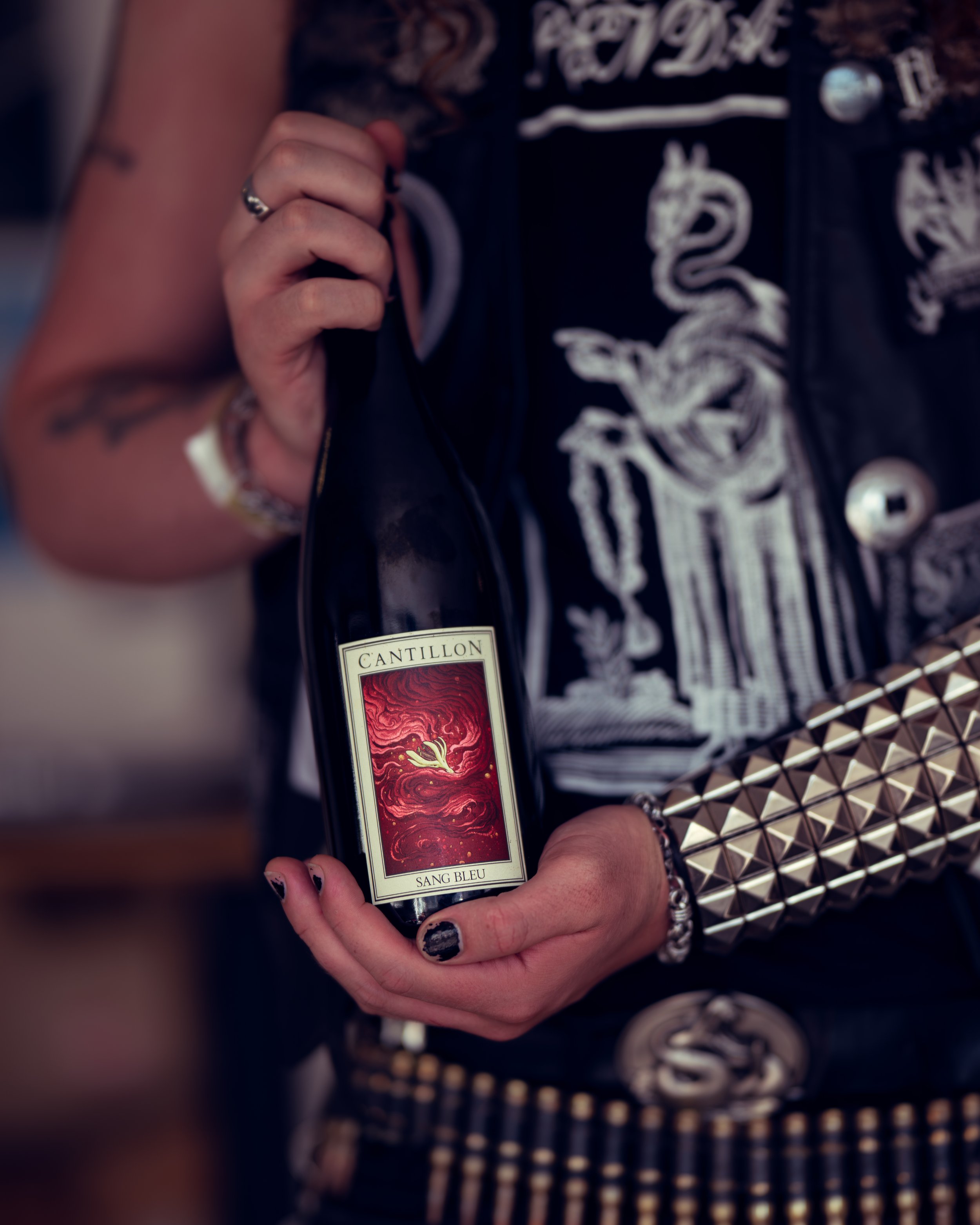
After Moor’s own timeless Brett Imperial Stout I decided to take advantage of their extraordinary row of different beers from Cantillon. Having the best beers in the world from deeply historic breweries to accompany dungeon synth felt like strange stars aligning: life goals achieved before they’d even been formulated.
This was the first event I’ve been to for a while at which there was no-one I’d met before (though plenty of people I’d seen wandering other festival sites and knew from their online avatars), but I exchanged so many cards, stickers, and contact details that I feel pretty confident some will now be part of my version of that extended festival community every metalhead has.
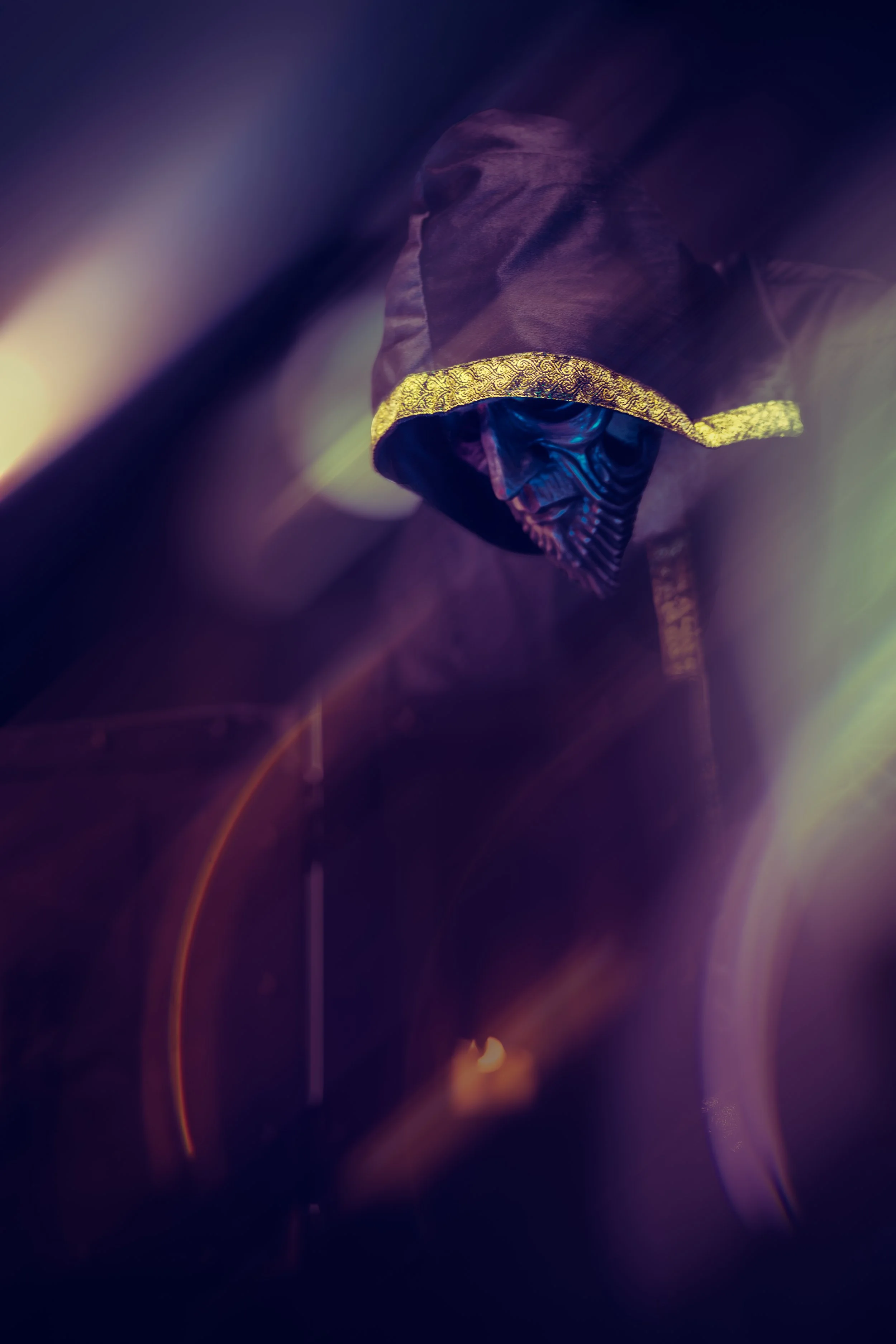
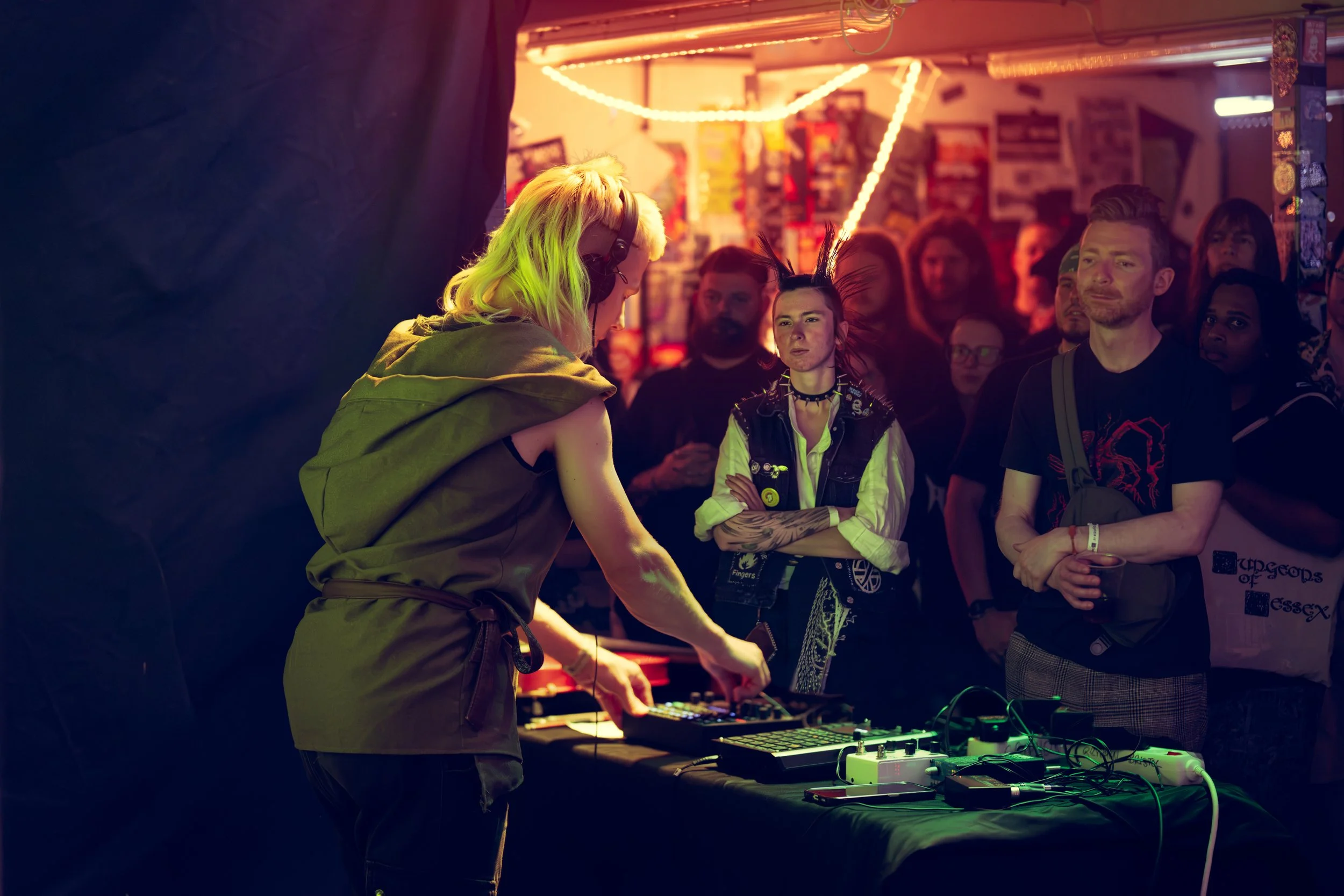
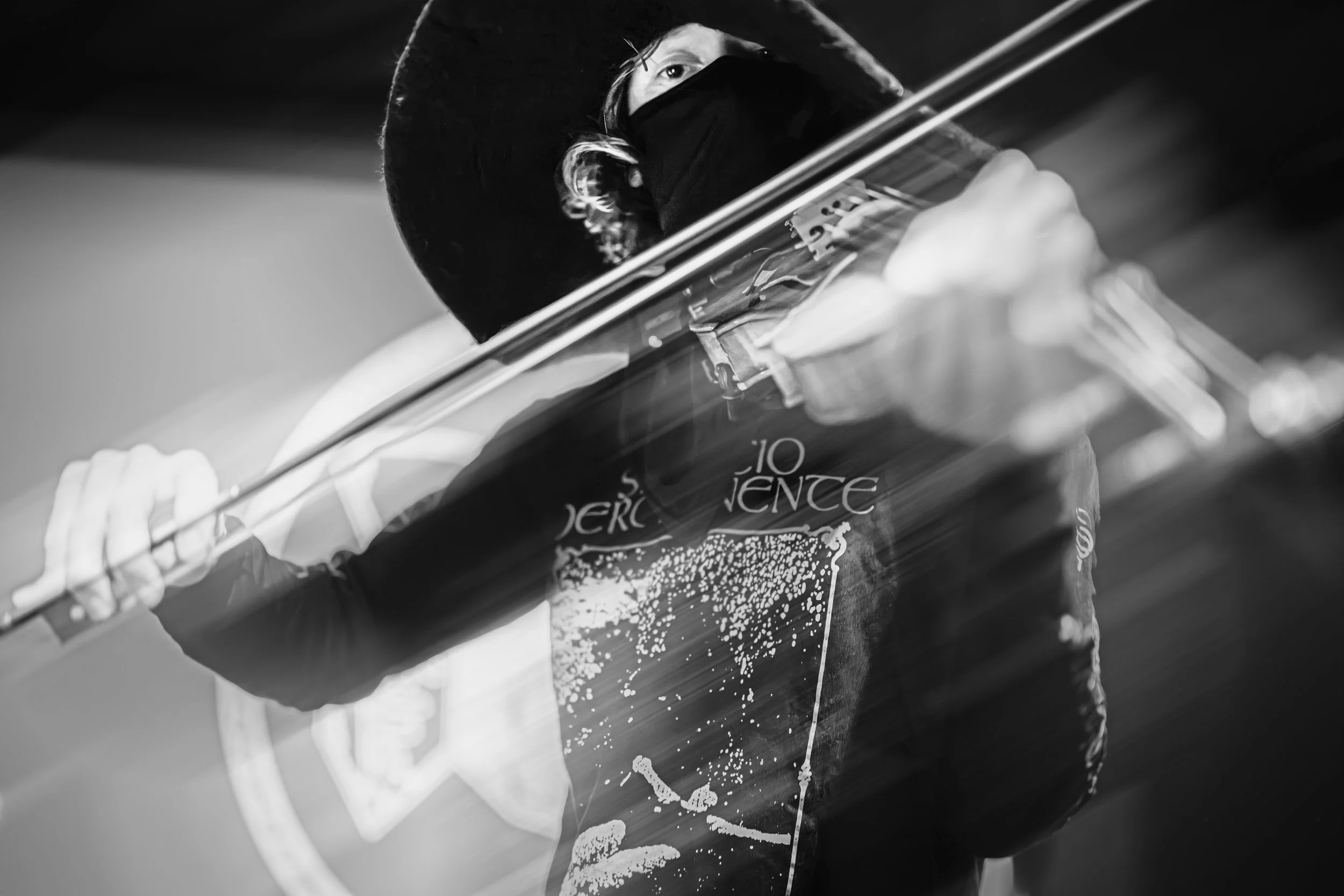
The music began with Undumë: a lone chainmail clad performer, whose immersive musical storytelling set the day’s journeys off. I loved that he (like most of the musicians) stayed till the very close and gave vibes of being the biggest dungeon synth fan in the room. Later, Final Heaven, a sword-wielding duo with corpse paint and black metal rasps, were sharp contrasts to Knight of the Sun’s “bombastic solar synth”, Radagast’s richly layered loops of violin, and Tales Under the Oak’s wizardy ambient folklore. Here’s a little gallery that I’ll add to as I edit…
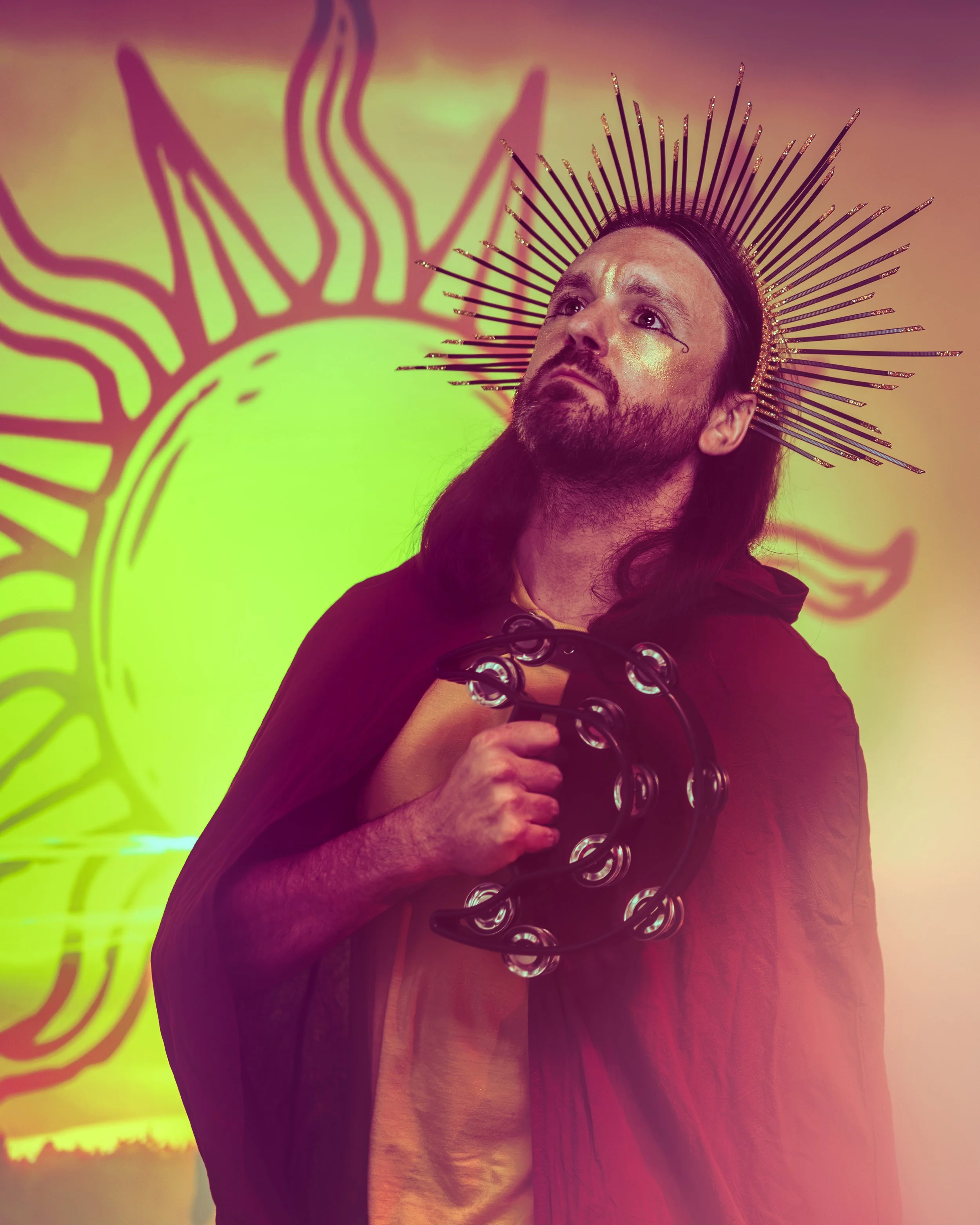
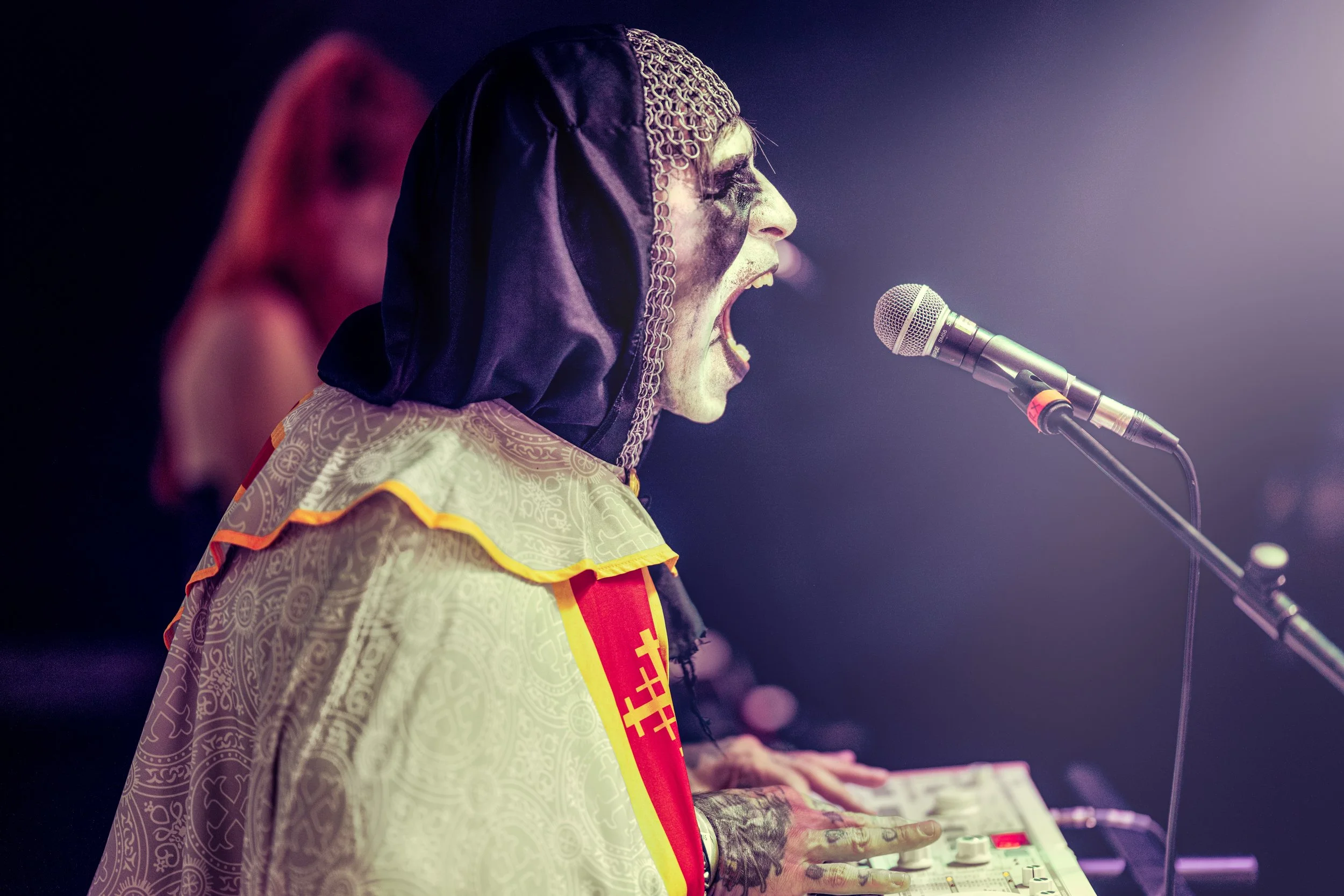
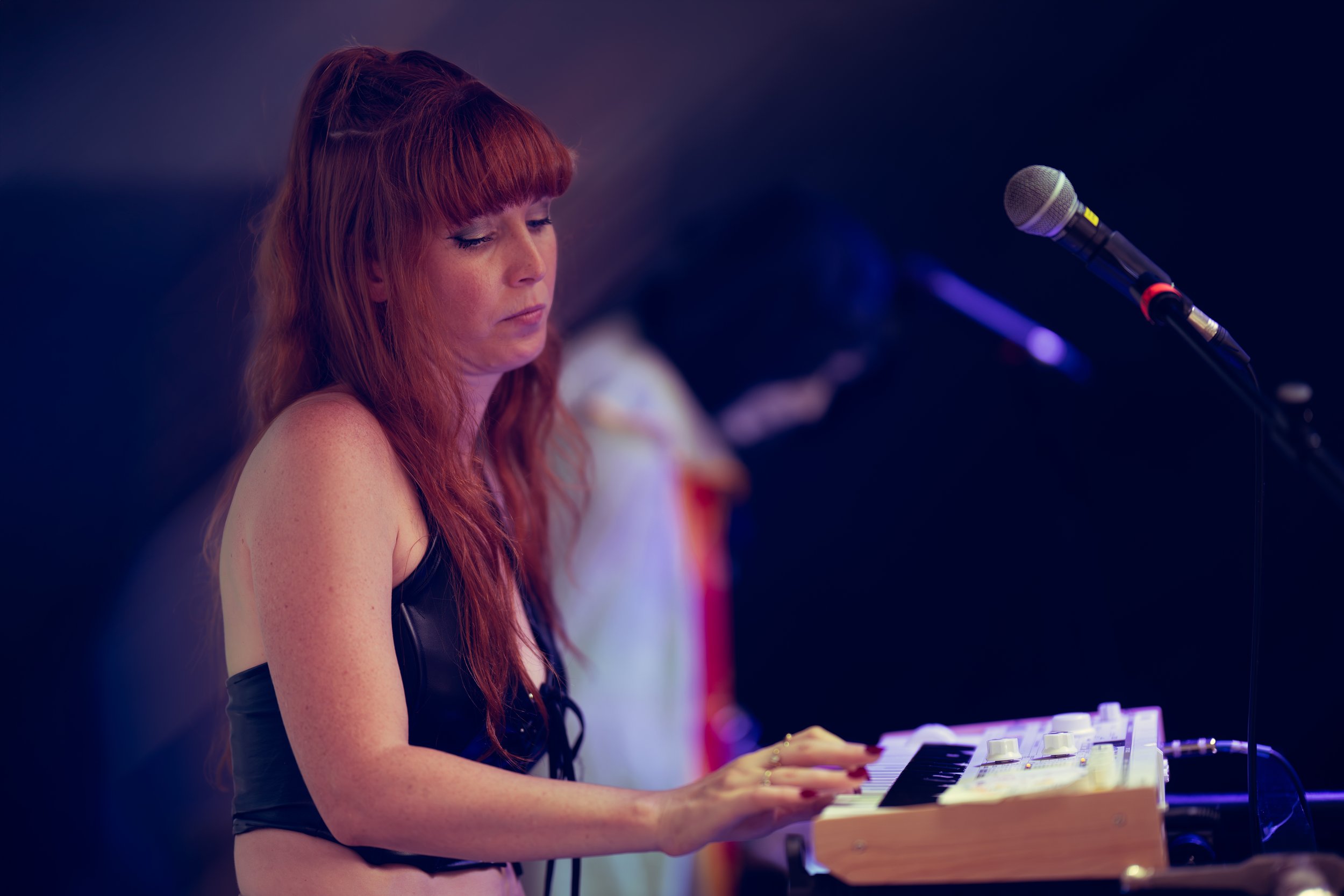
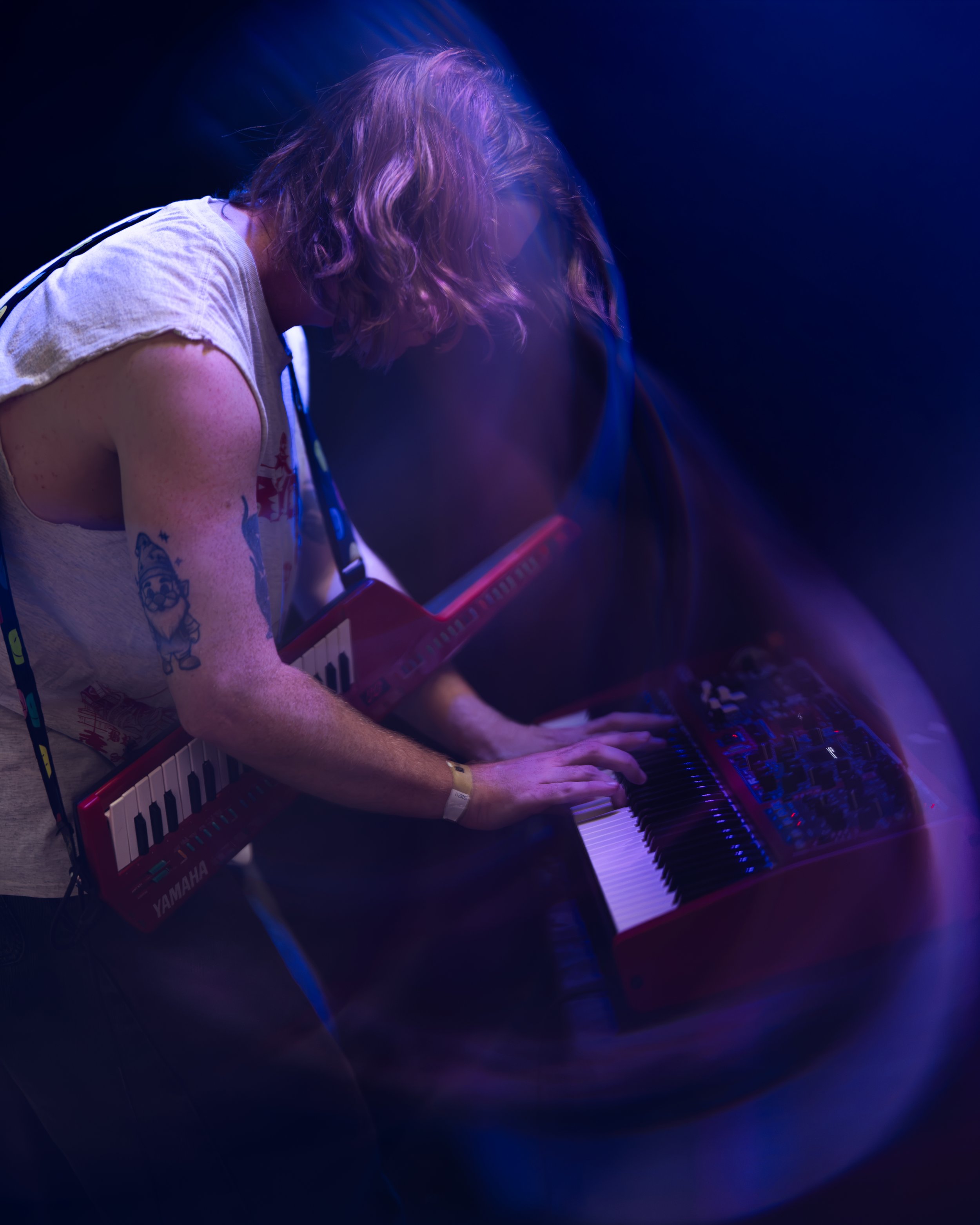
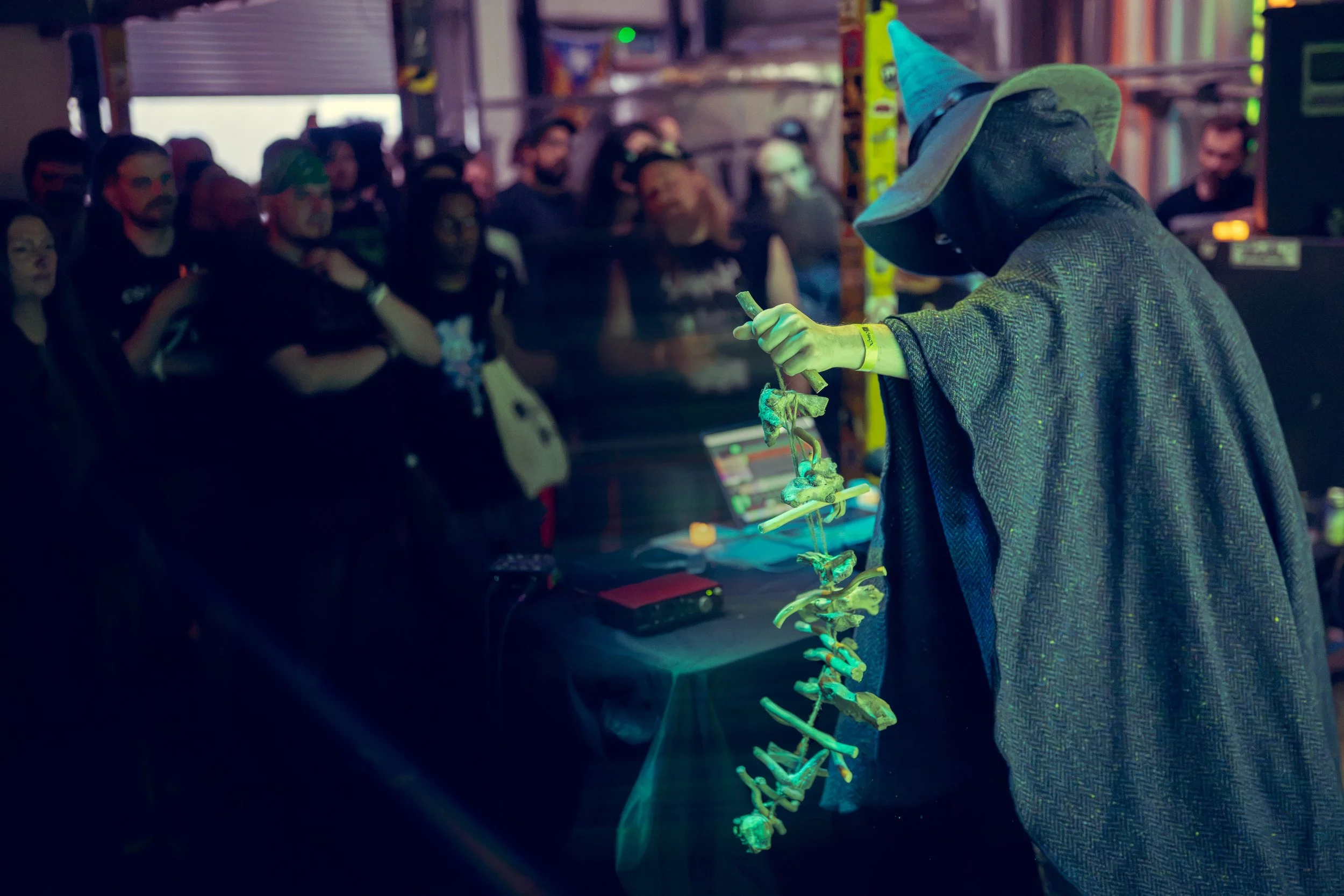
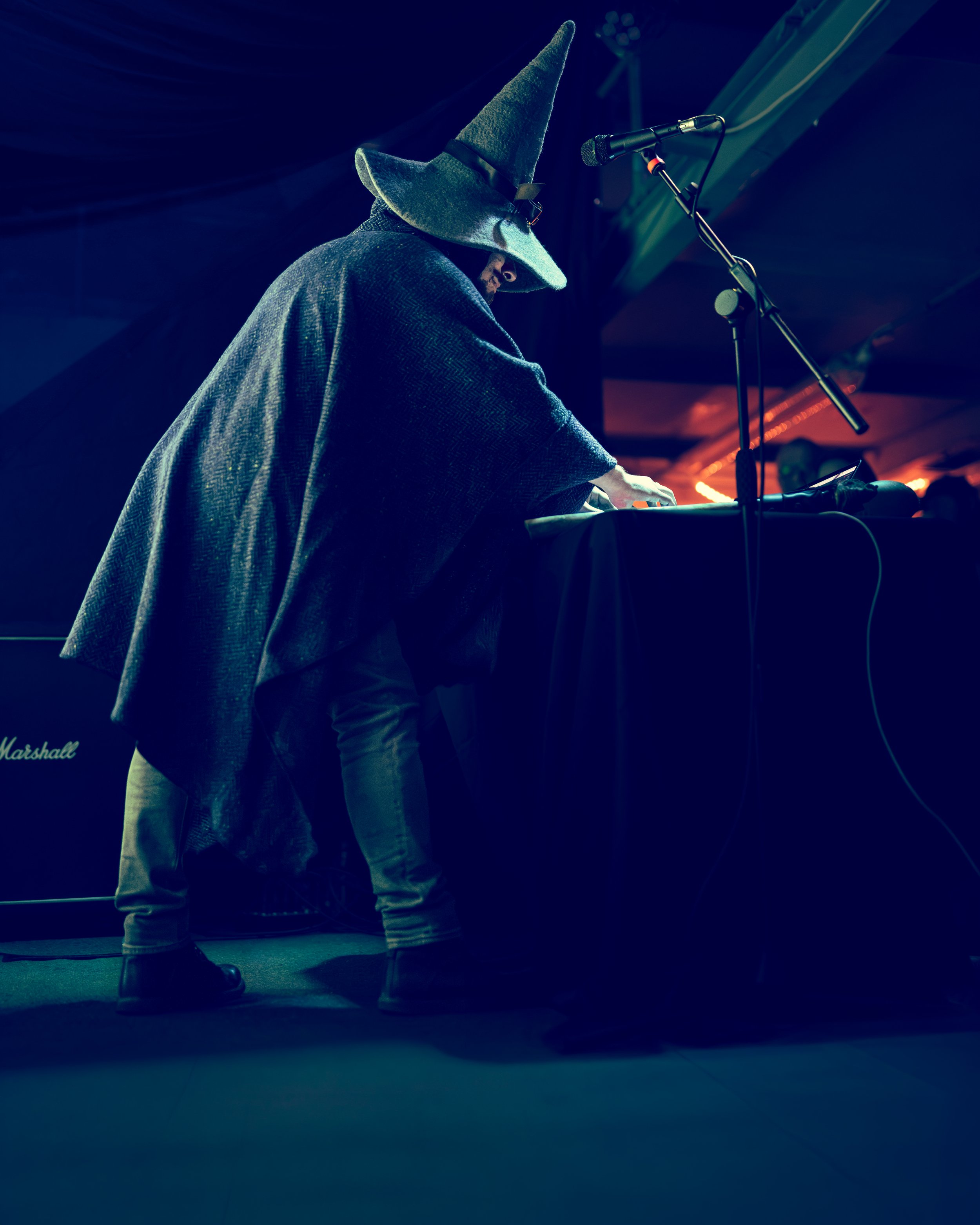
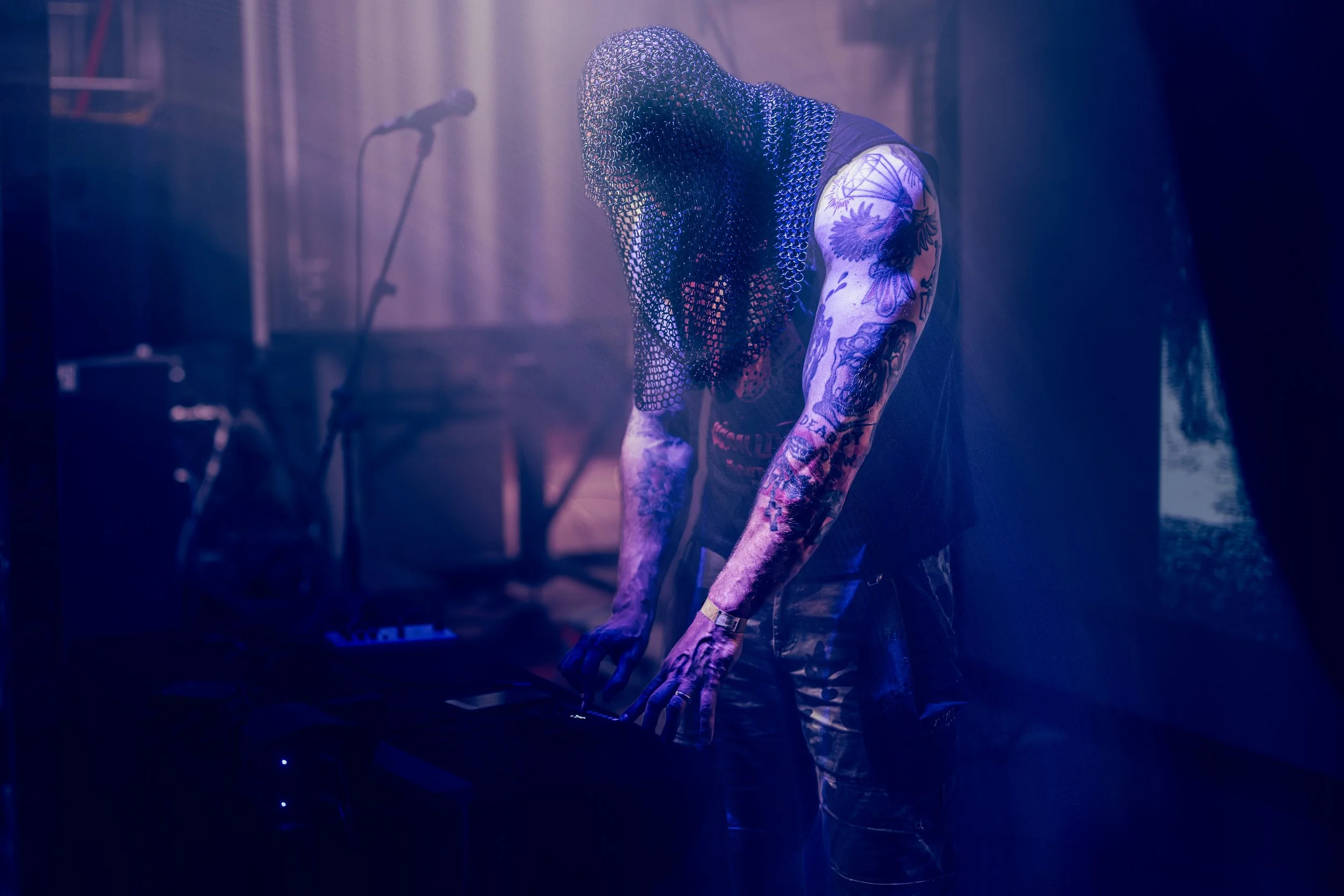
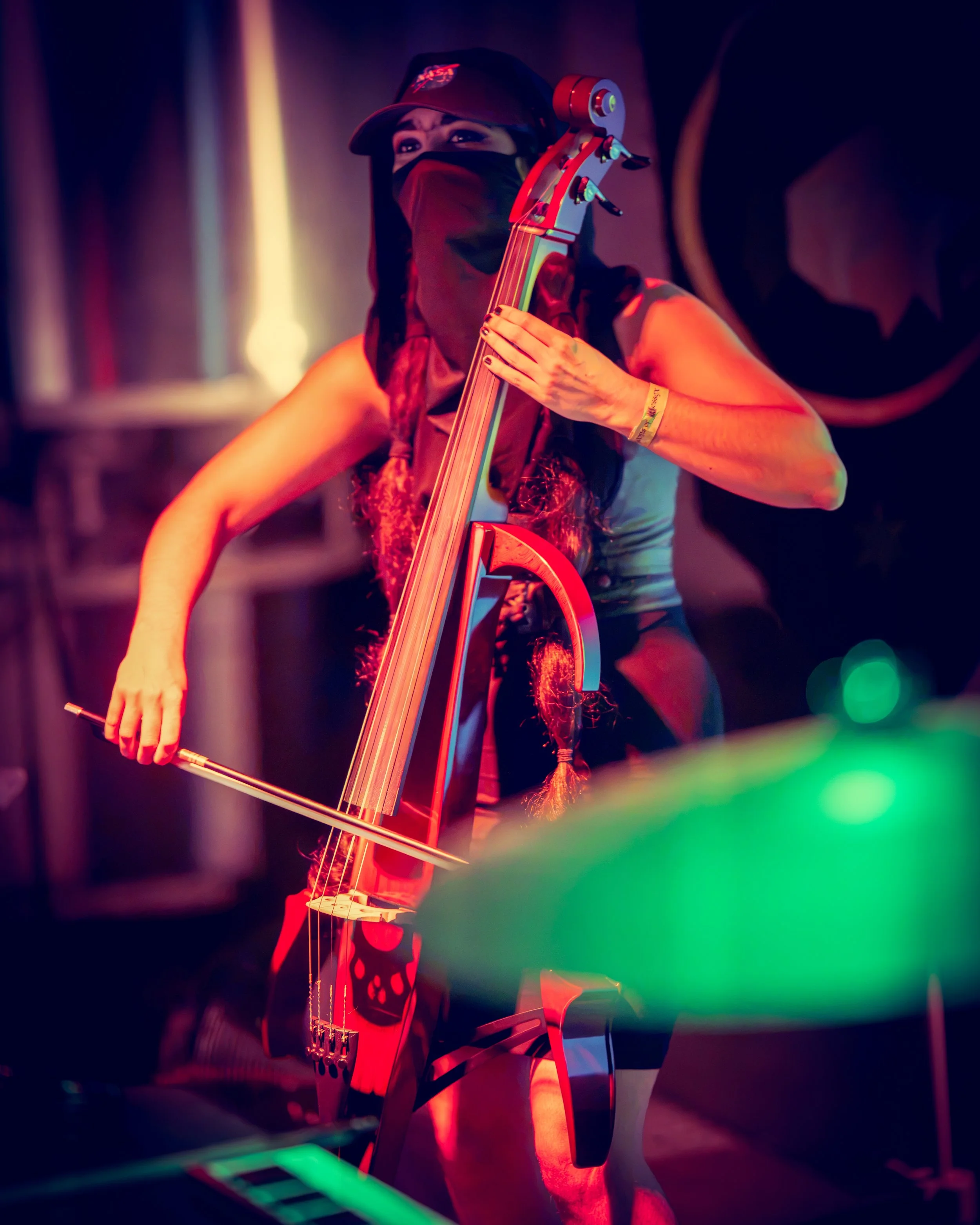
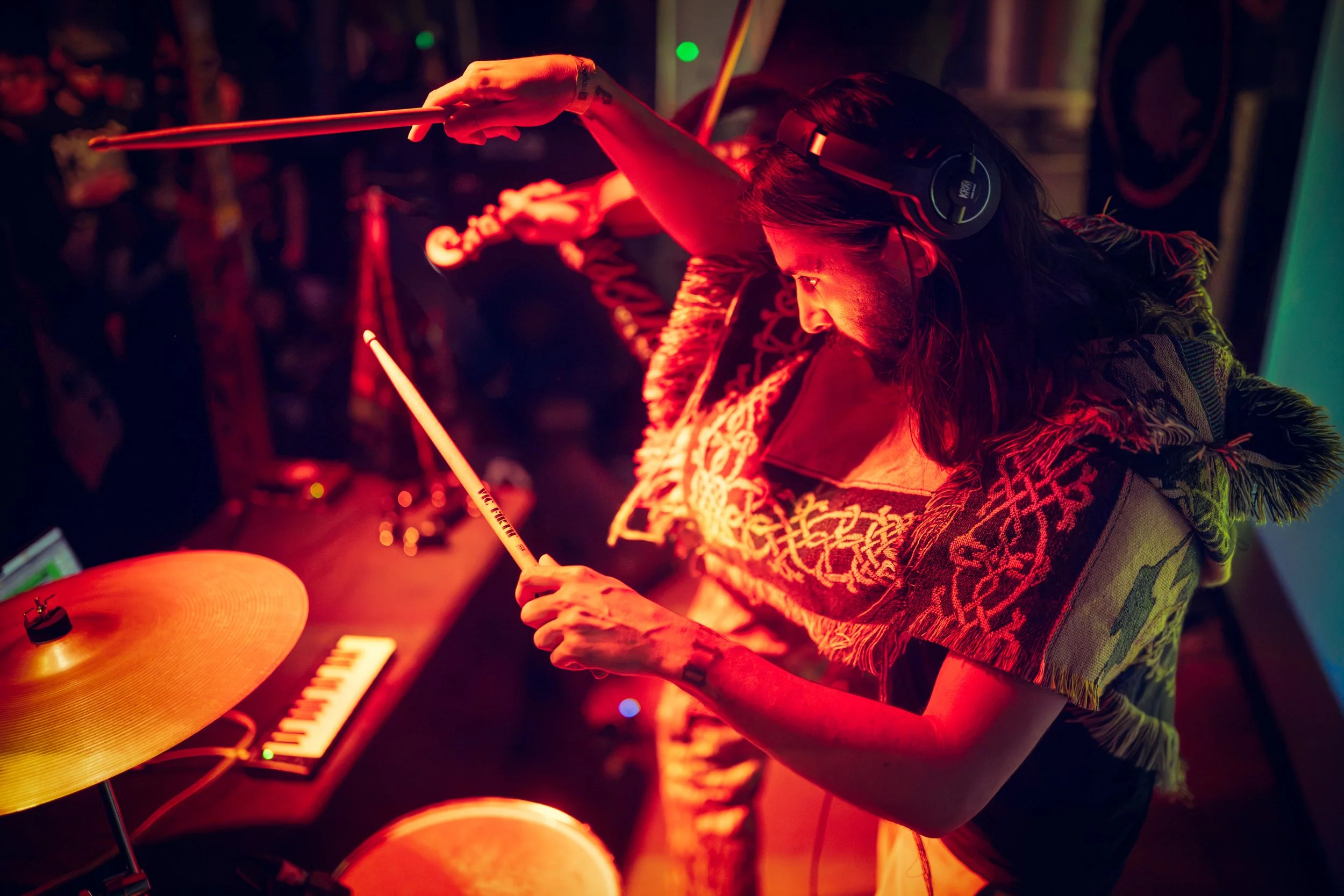
But the absolute highlight was the barnstorming finish from Flickers from the Fen. I’d wondered how a dungeon synth headline act might play out, but had no expectation it could be anything quite so frantically charismatic as this cello, violin, drums trio.
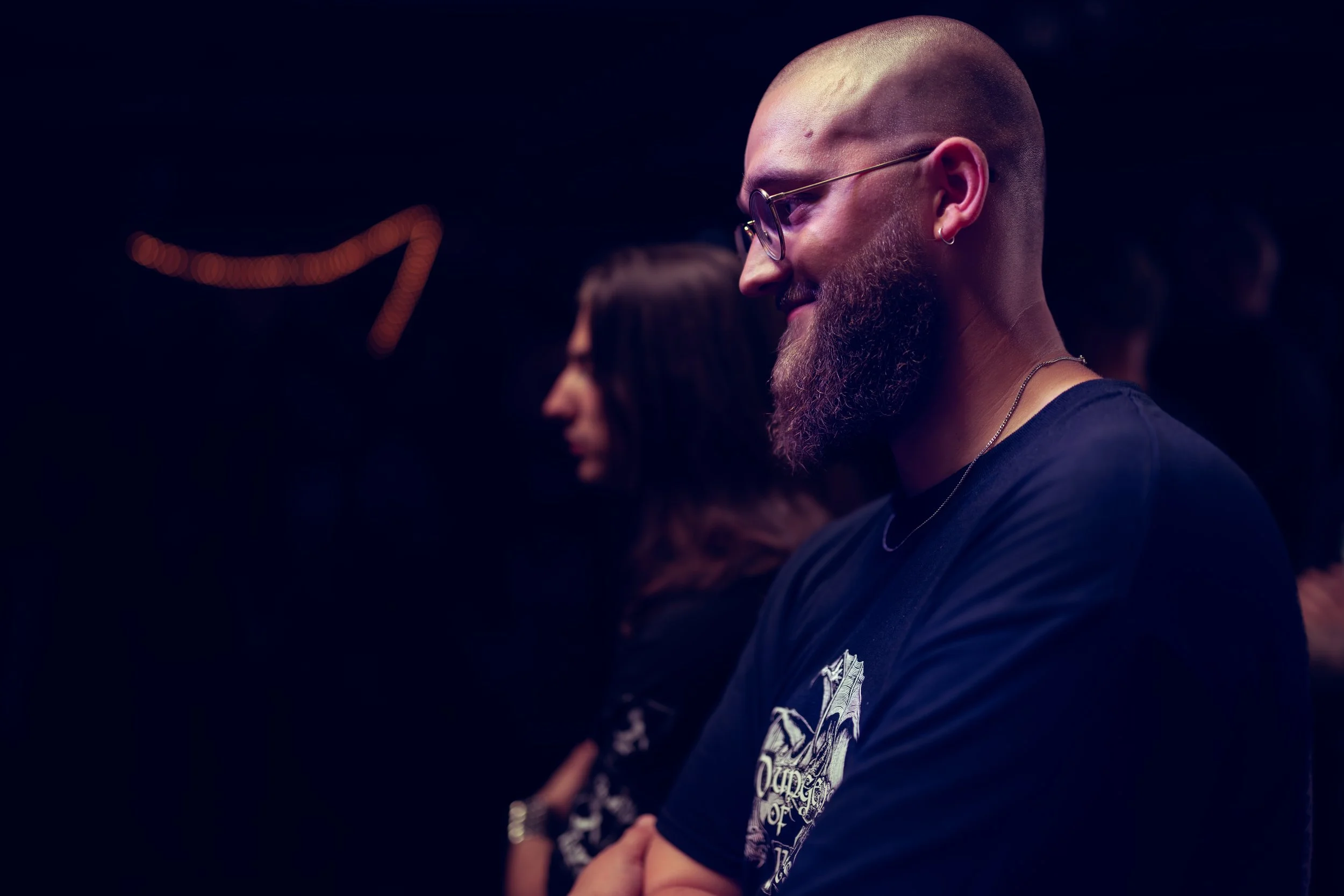
I left wondering what to make of a day that felt like stepping into a different world. The thing that struck me most was the constructive ways dungeon synth uses imagination. Everyone here was imagining the worlds they wanted to live in, and was using the music, the craftwork that goes alongside it, and the ways they interacted with each other, to actually build aspects of that world (as an aside, this is what arts & humanities scholarship is supposed to do too, though every year its power to do so is compromised more by its measurement in terms of blunt economic value - where academia fails, dungeon synth steps in?). The space felt community-centred and open, giving the impression that everyone’s imagined worlds had values in common. Dungeon synth itself exemplifies the ways metal and its spin-offs are exceptionally good at community building. The genre can be trusted to sprout countless subgenres, filling unforeseen new niches year on year, which means the feeling of shared discovery of new kinds of music is always available, always exciting, and a counter-argument to anyone who thinks metal’s glory days are behind it. Though Dungeon synth is far from new (its origins go back beyond the ambient dabblings of black metal musicians in the ‘90s to the very first moments of metal history, when rural village bells and ambient thunder rang out at the start of the first song Black Sabbath released), something new is definitely happening: the possibility of gathering this amount of creativity and crowd support to host a festival in Bristol feels like something that couldn’t have happened a few years ago. It must have taken quite the leap of faith for the organiser, Bacchus Presents (below), to bring the idea to triumphant life like this.
I’ve been thinking since about the fact that, in the amassing evidence of the personal and medical benefits of metal and related genres, there’s still a tendency to focus on individual listening experiences (“this is how this band’s music helped me”). That research shows how metal helps people make sense of their emotional worlds and can even sometimes help regulate emotions as effectively as medication or therapeutic practices. It sometimes doesn’t acknowledge, though, the ways those things are done socially. The bonds built through extremely niche, deeply passionate, interests are part of what makes scenes so significant and ought to be part of the discussion when we make the case that our threatened venues matter, our festivals deserve support, and our music has a value that far exceeds its balance sheets.
Next year, I’ll be looking forward more than ever to the season when, as the days get longer, the metal gets blacker and I can descend again into the dungeons.
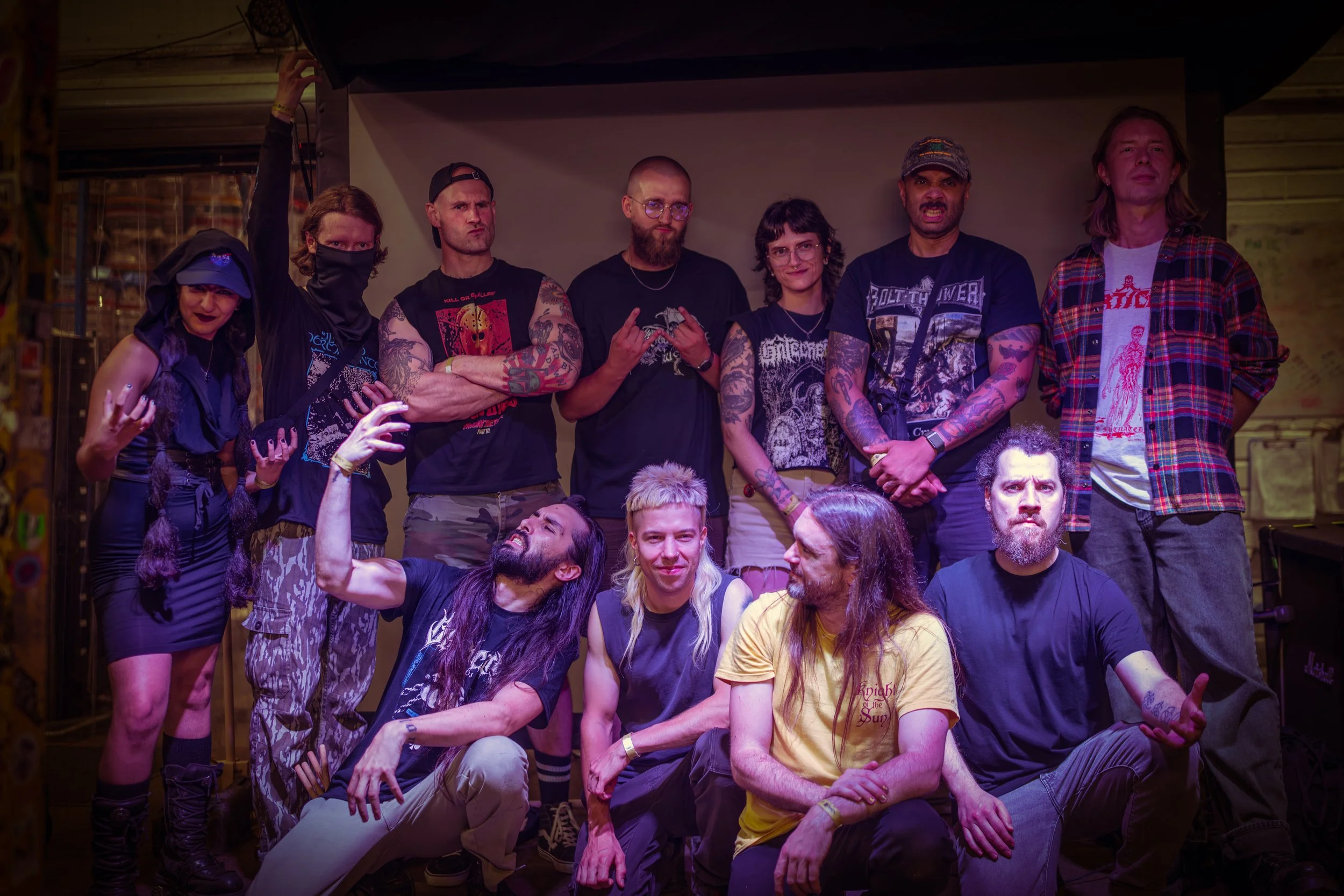
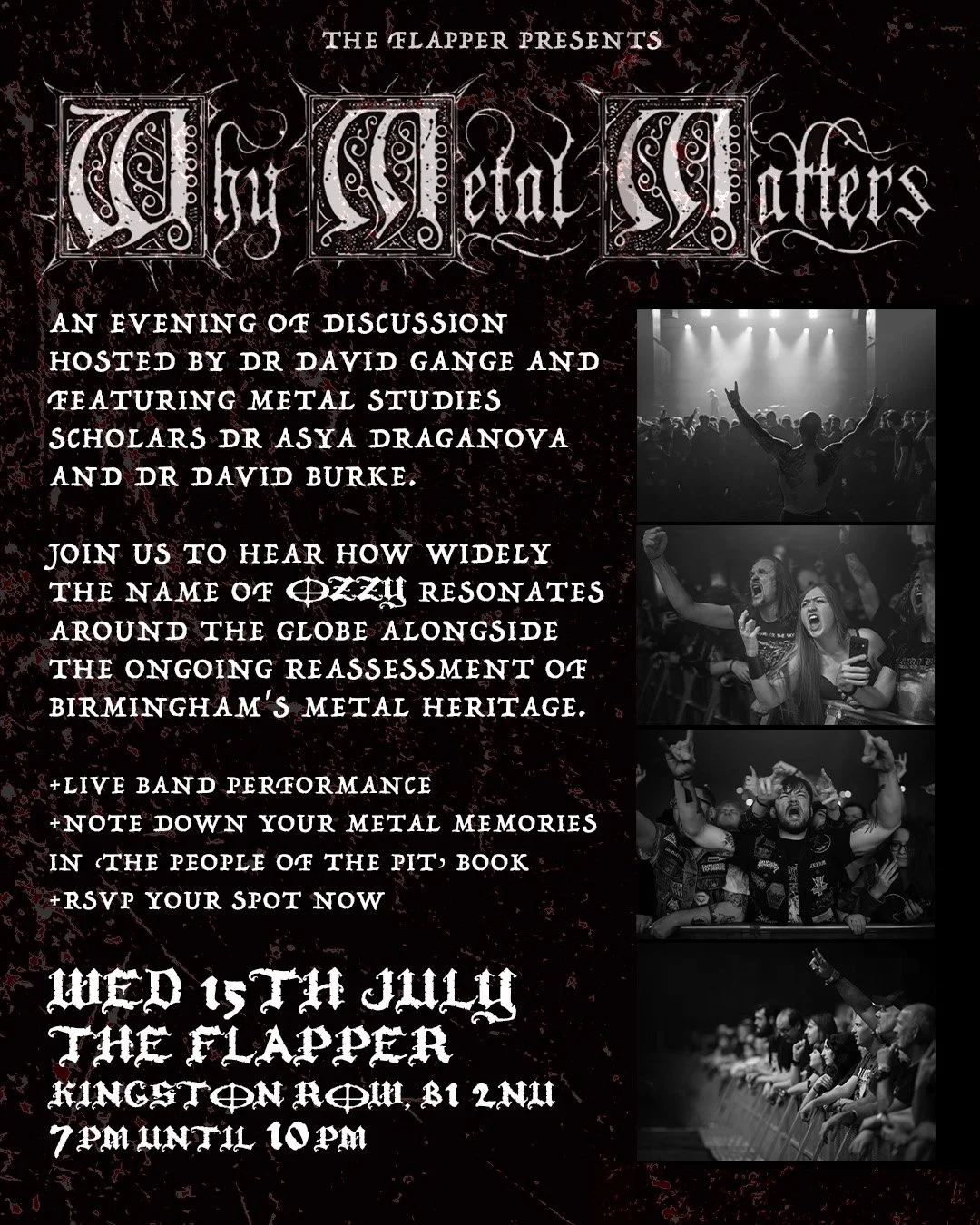
For now, though, I have an event to plan that’s going to touch on all these things. If you’d like to talk about metal scenes past and present and their personal and social significance, do come along to The Flapper - Birmingham’s most venerable metal venue - next week: