
Hellsinki:
Starting to Research Finland’s Metal
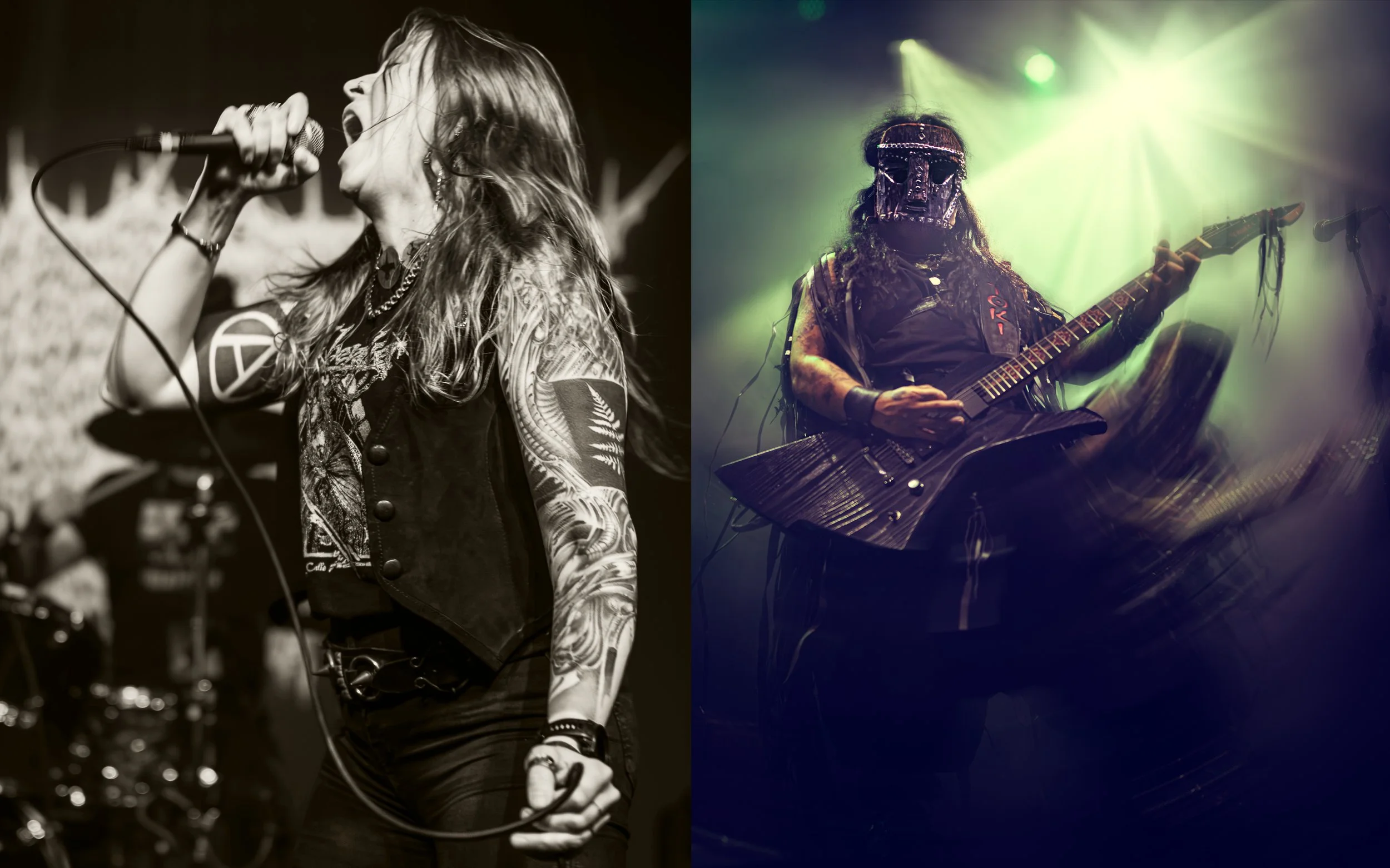
This summer I’ve been working to expand the Why Metal Matters’ research beyond the UK. This has involved interviewing musicians and promoters in urban Hong Kong and Indonesia, as well as rural Chile and Appalachia. Some of these interviews have been about trying to understand how people express the significance of heavy music in places with relatively new or precarious metal traditions, including dramatic situations such as that in Malaysia where local black metal has moved rapidly from being illegal to receiving state support as a distinctively Malaysian export.
I also wanted to learn about the places where metal is so thoroughly established that it’s often mentioned (even by Barack Obama) in relation to national and regional identities. So my task in August was to begin researching Finnish perspectives on metal.
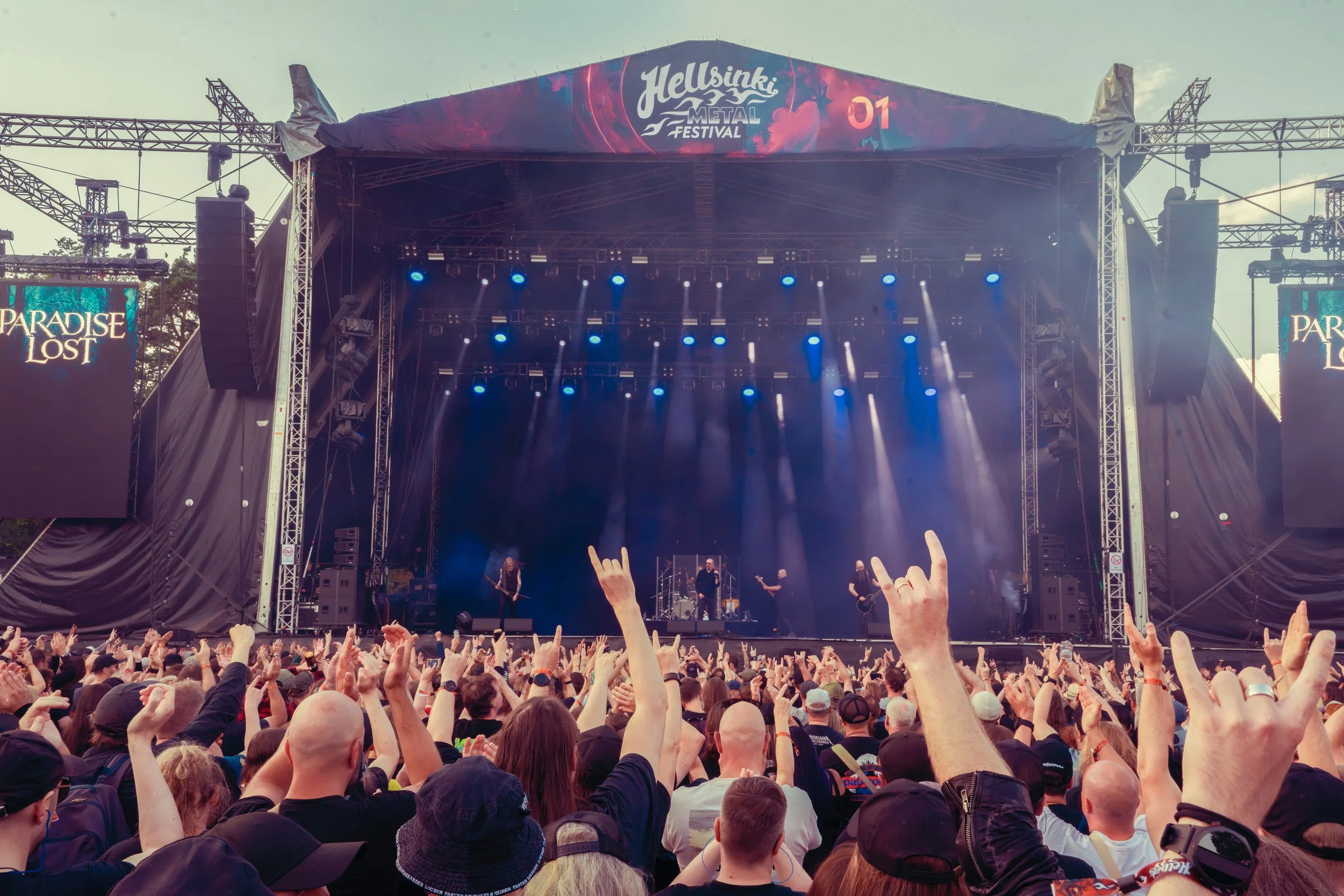
The plan was to get to one major international festival (Hellsinki Metal Festival) one more grassroots event (Helsinki Deathfest) and to immerse myself in both urban and rural sites of Finnish music and cultures.
The first festival was held at Helsinki’s Ice Hall, with the smallest stage in the hall itself and the two main stages in the vast car park. It had the best catering I’ve ever seen at a festival – seemingly infinite varieties of food and drink – and an easy-going, sunny vibe made partly by the number of people in antlers and foresty clothes, alongside plenty of more universal metal dress and elaborate themed groups:
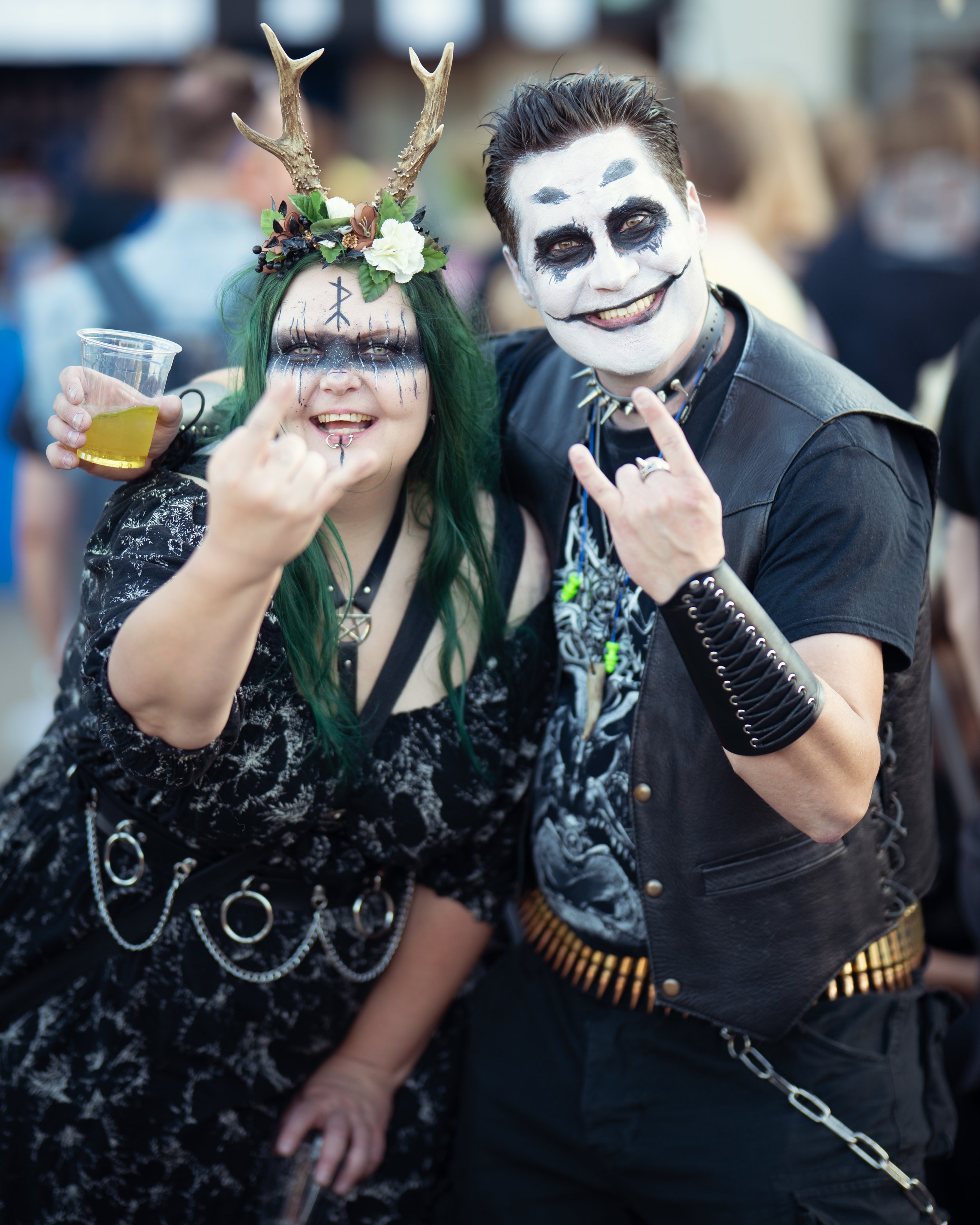
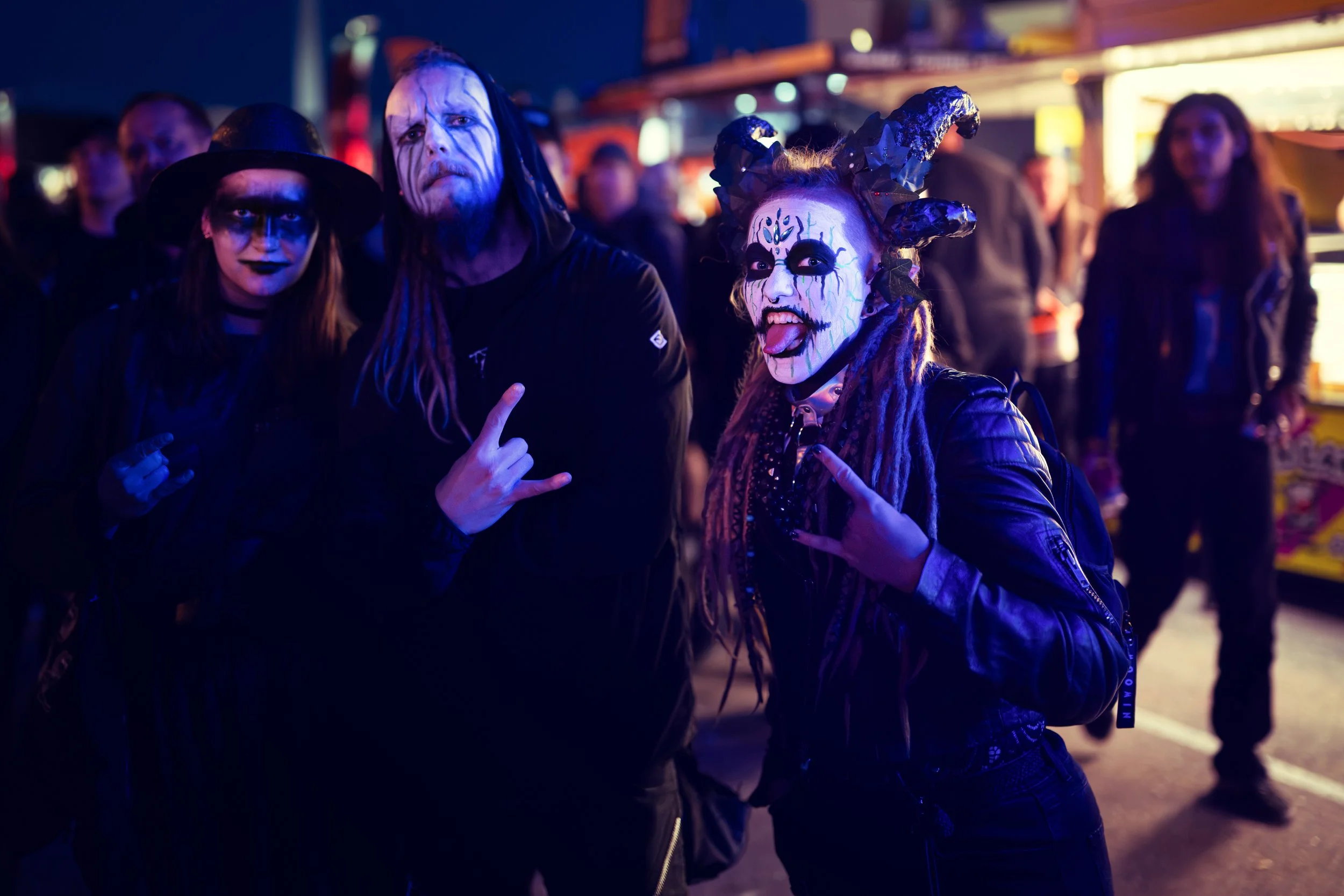
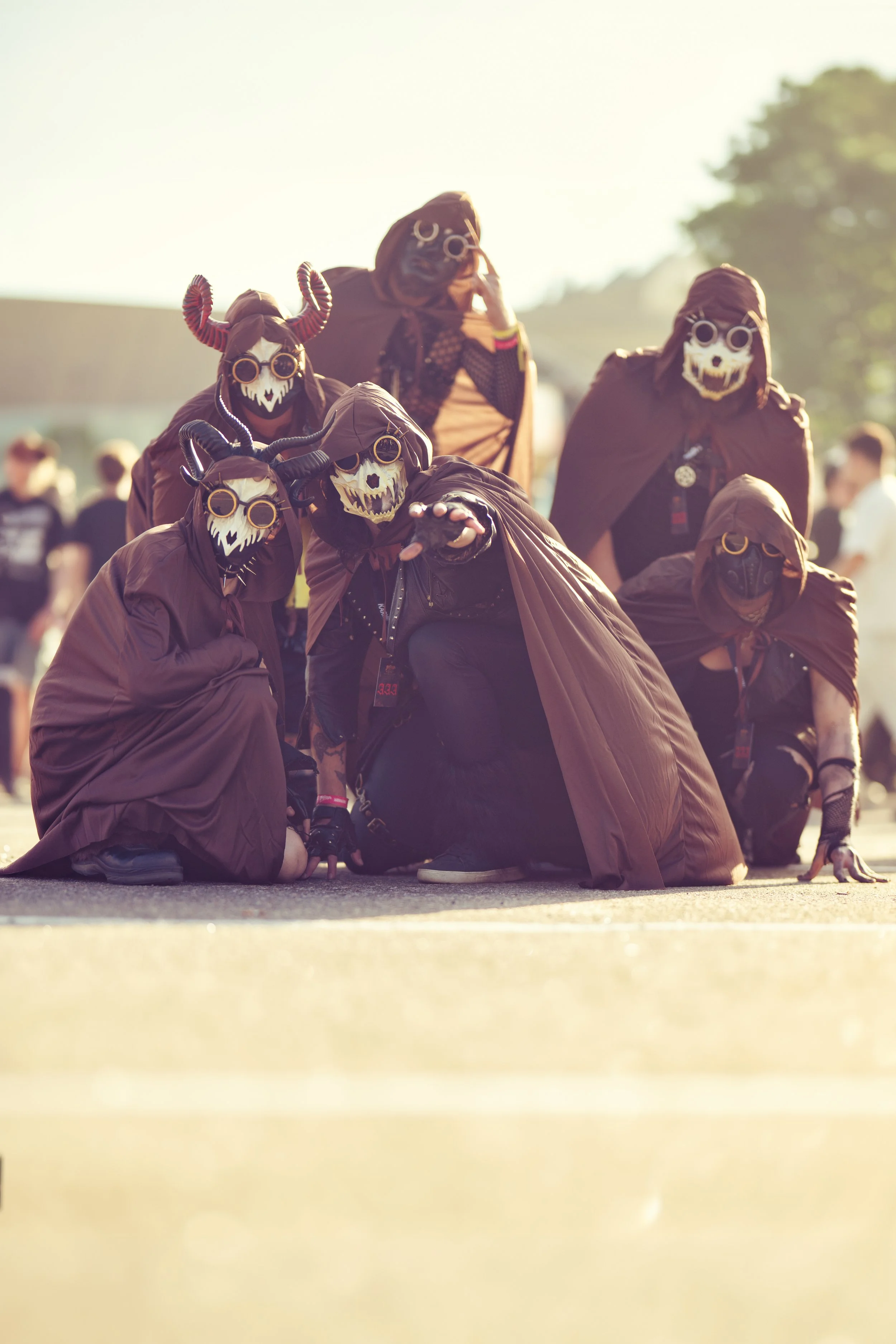
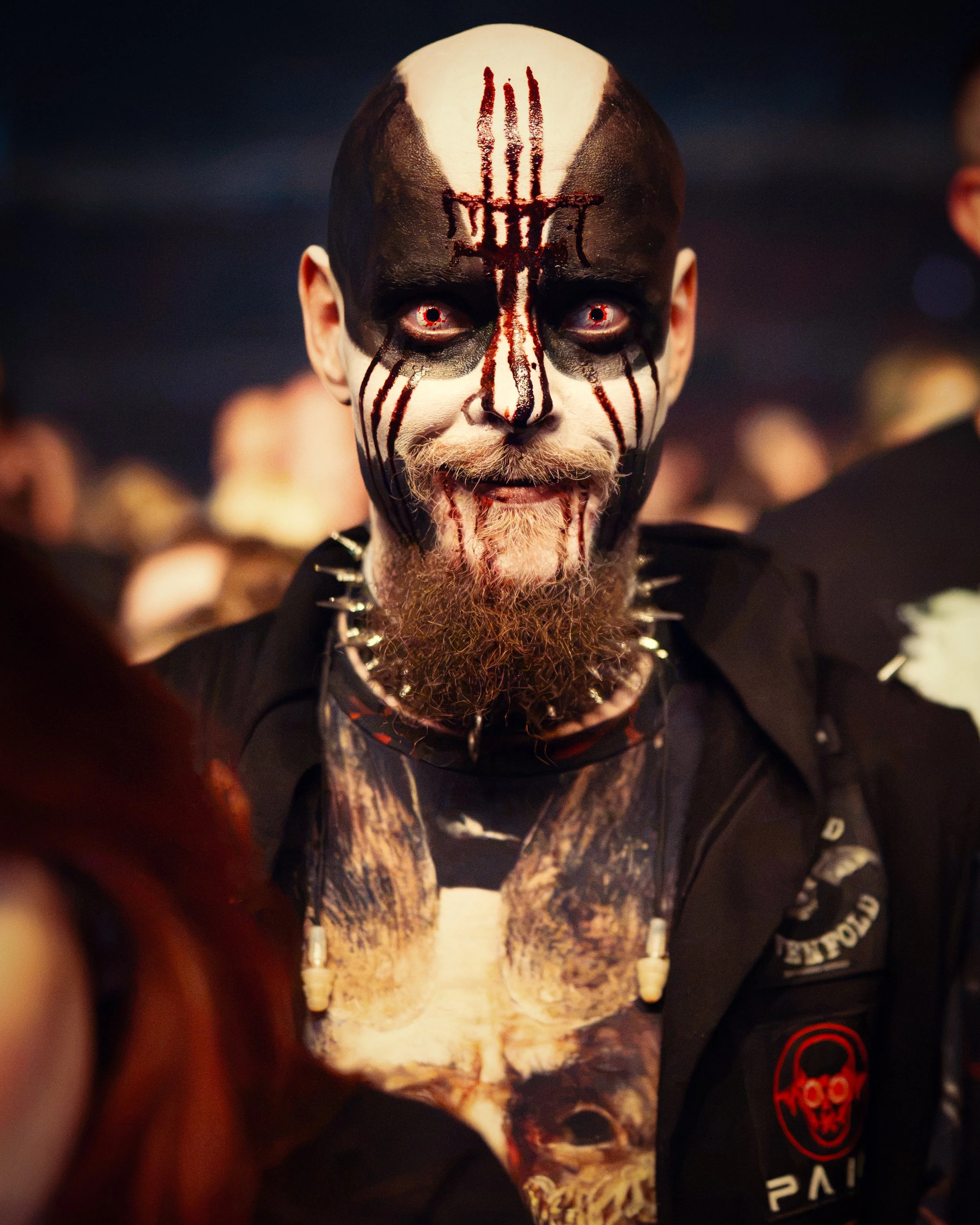
A focus on nature, alongside a contemplative and melancholic frame of mind, is one of the major stereotypes about Finnish culture that shape some parts of the scene and are utterly useless at explaining others. The nature-themed clothes were definitely more prominent here than at any other festival I’ve been to, and the number of nature-oriented bands playing was extraordinary too. These are part of what brought me to the festival. Getting to interview bands like Iotunn & Mawiza for my articles like “I Felt the Landscape Screaming through the Music” was invaluable. There were sets representing landscapes from North-American mountain ranges to the Faroe Islands to the Mapuche Nation in Chile. Here are Blackbraid, then Iotunn, then Mawiza - not just three highlights of the festival, but three of the best performances I’ve ever seen:
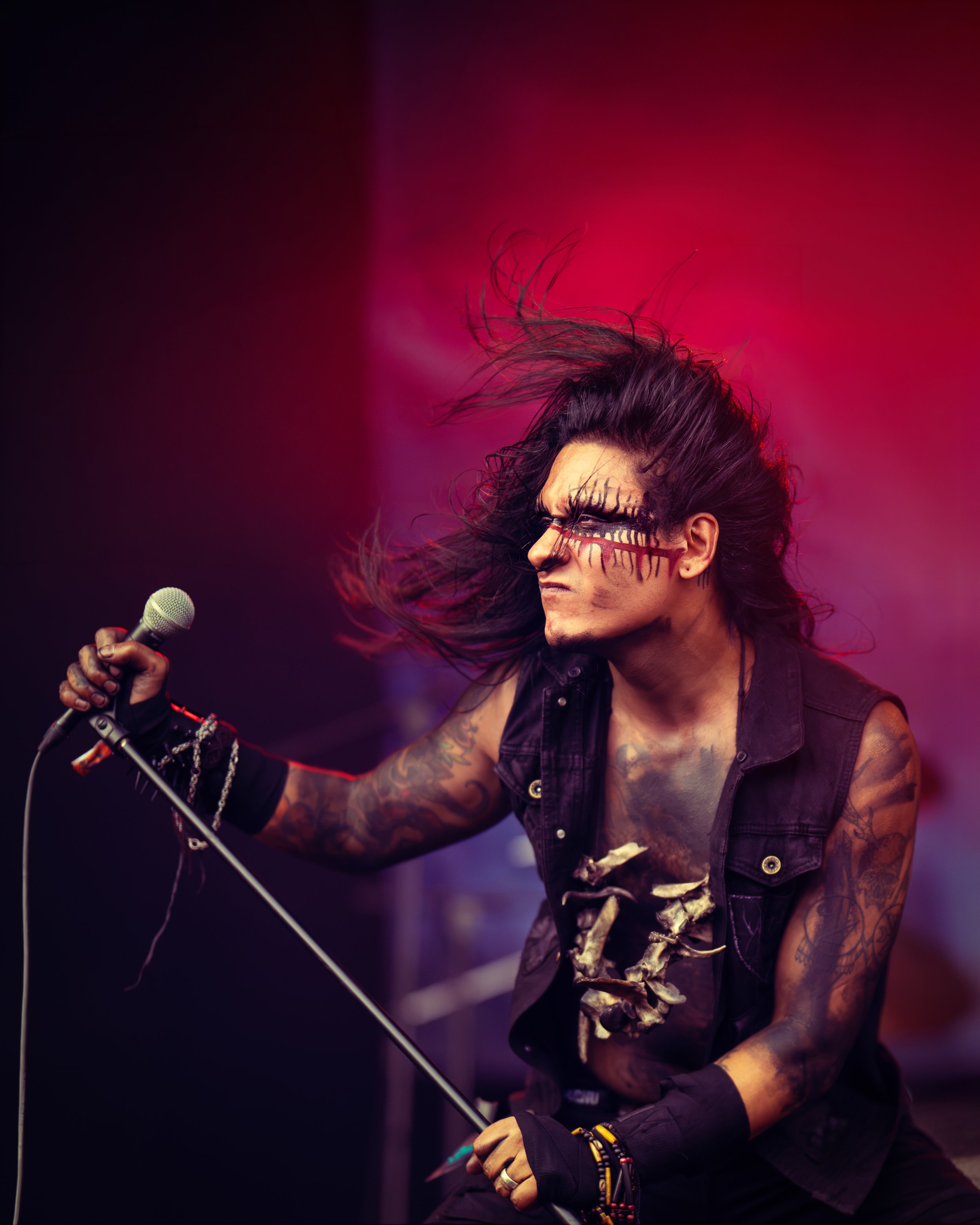
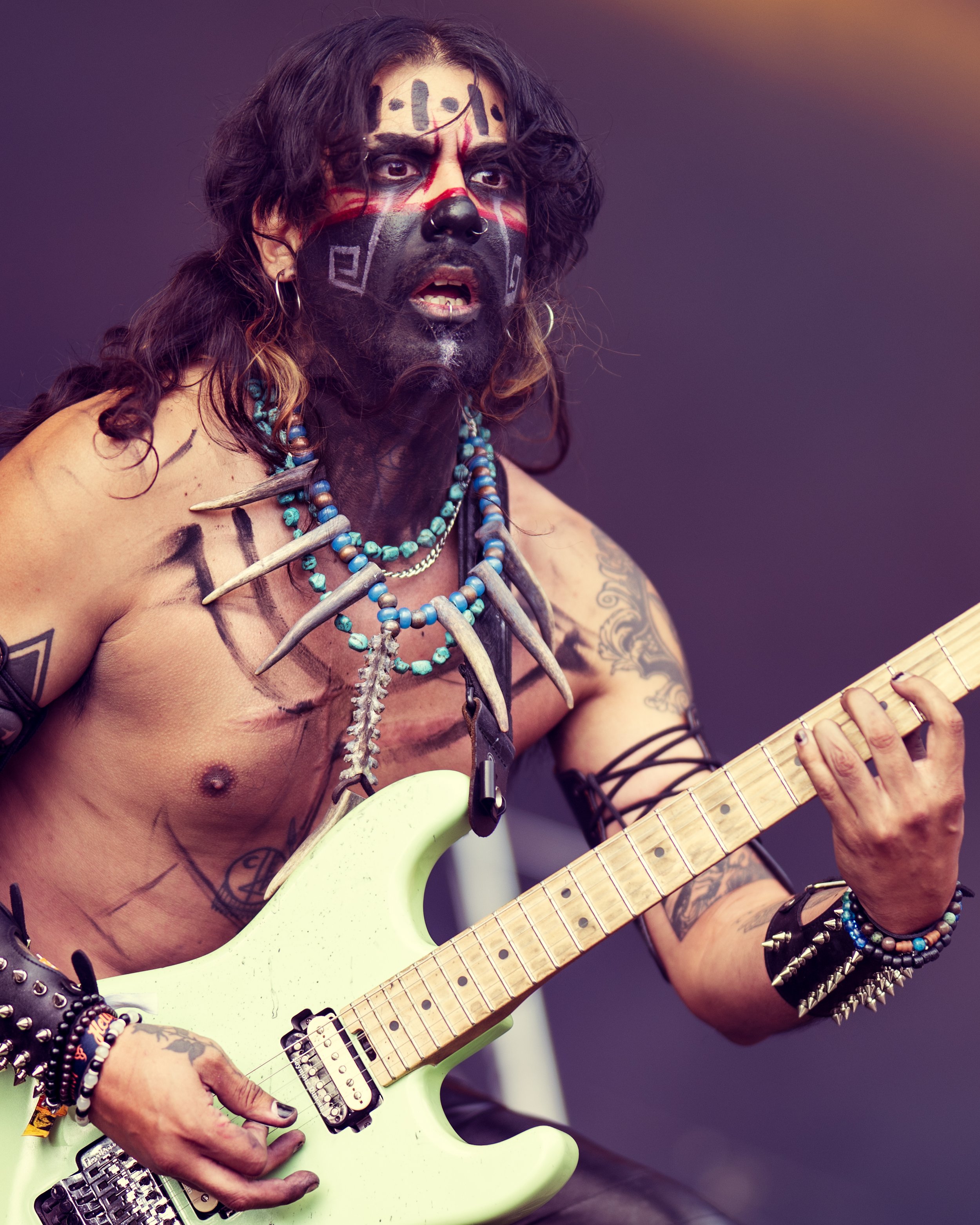
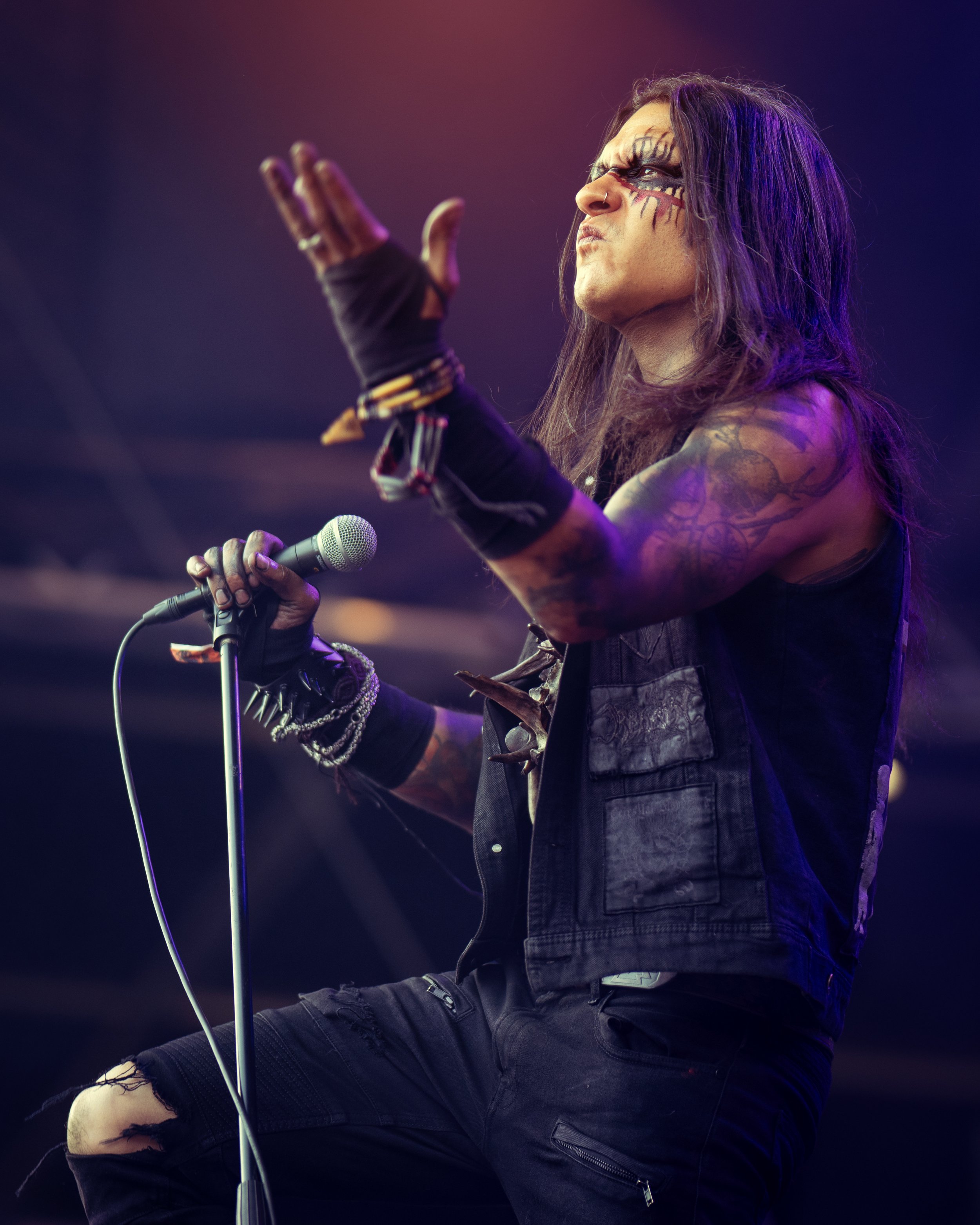
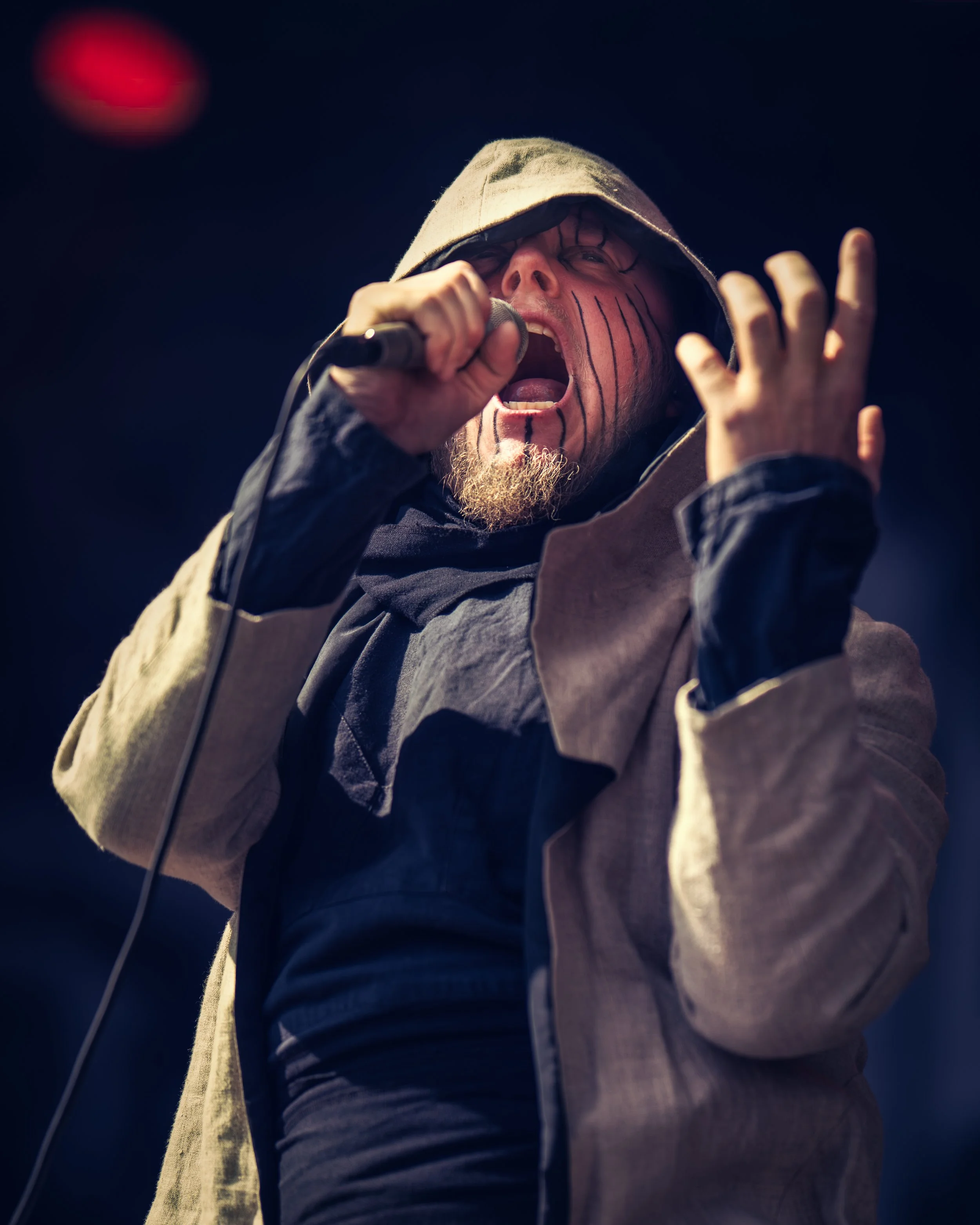
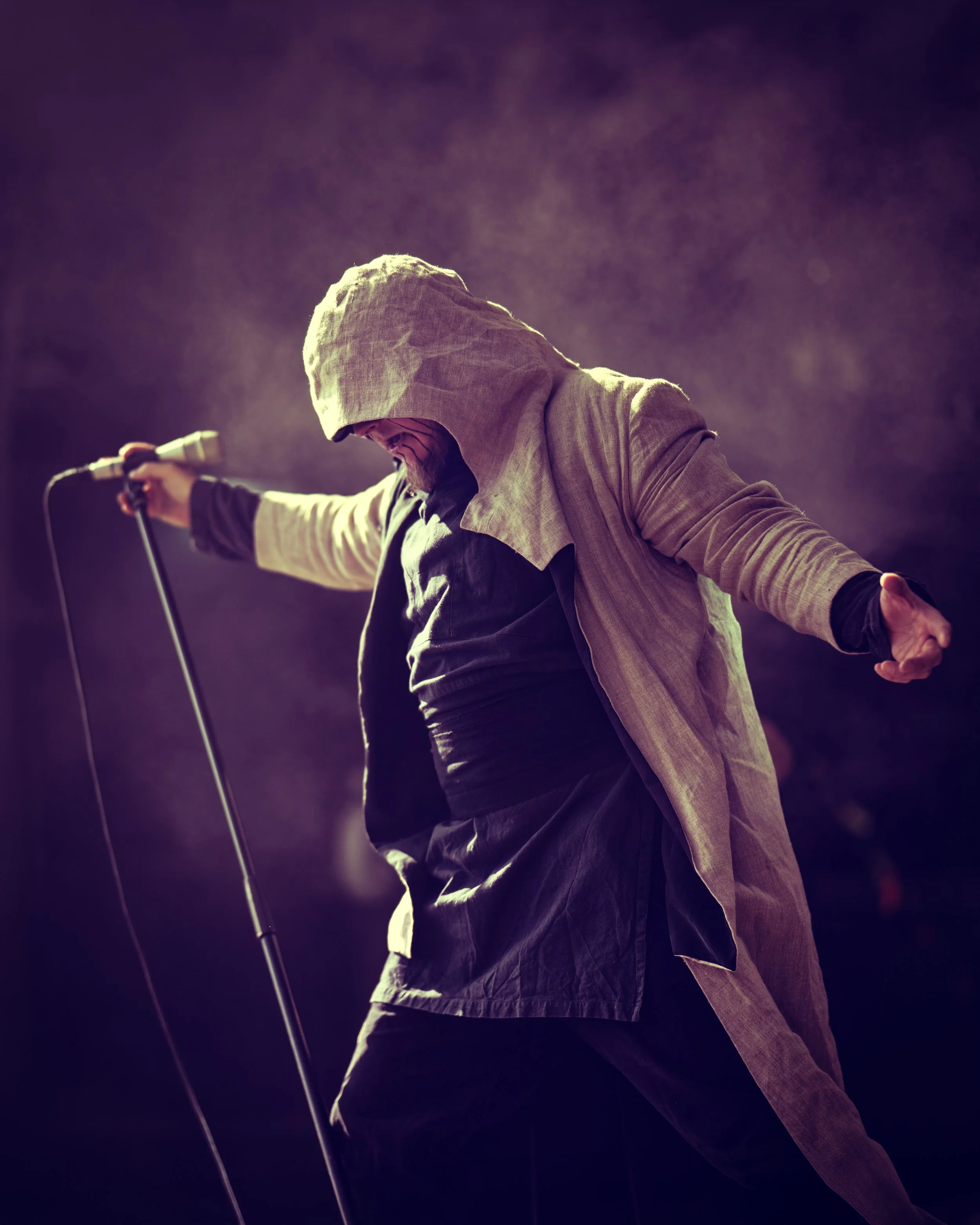

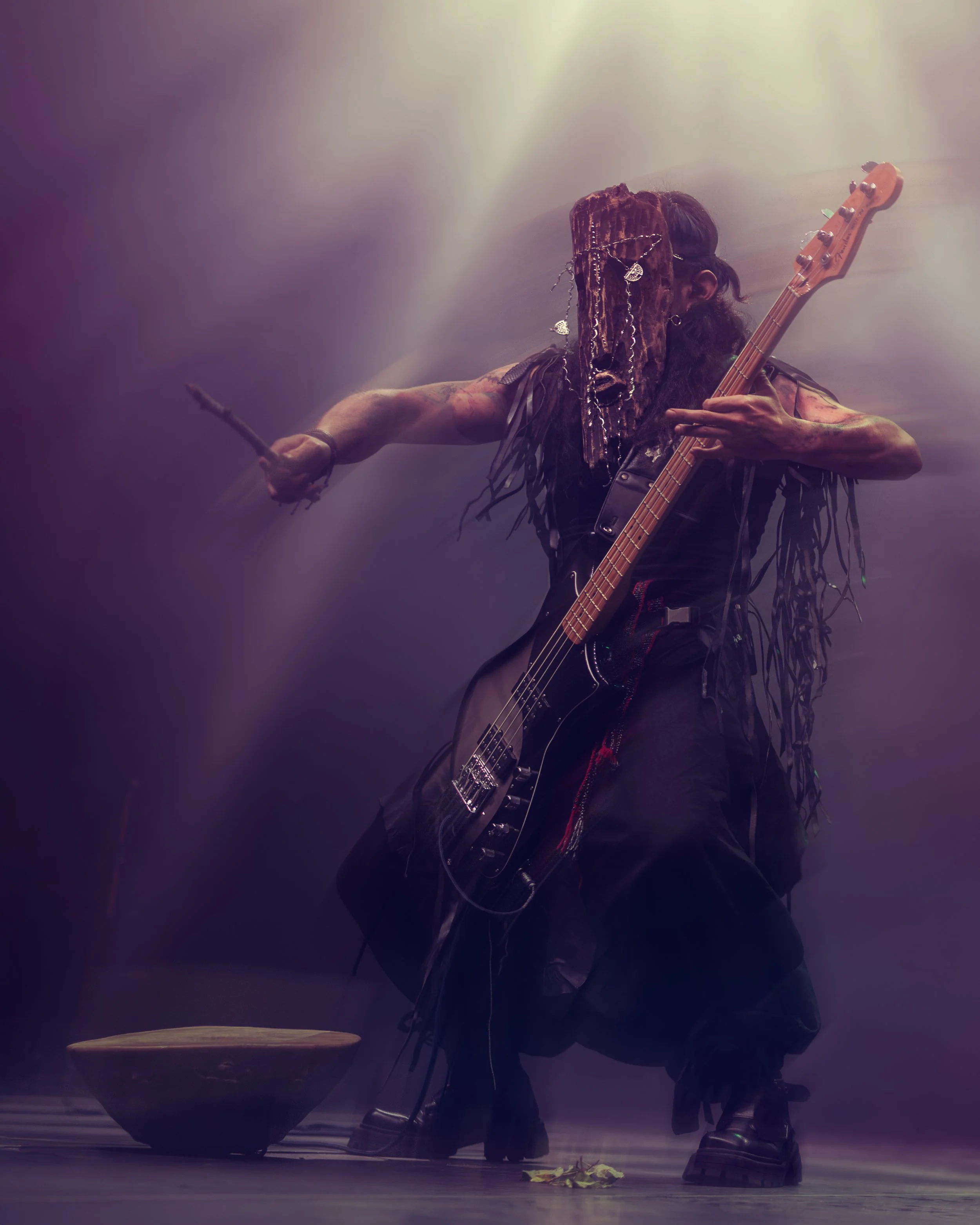
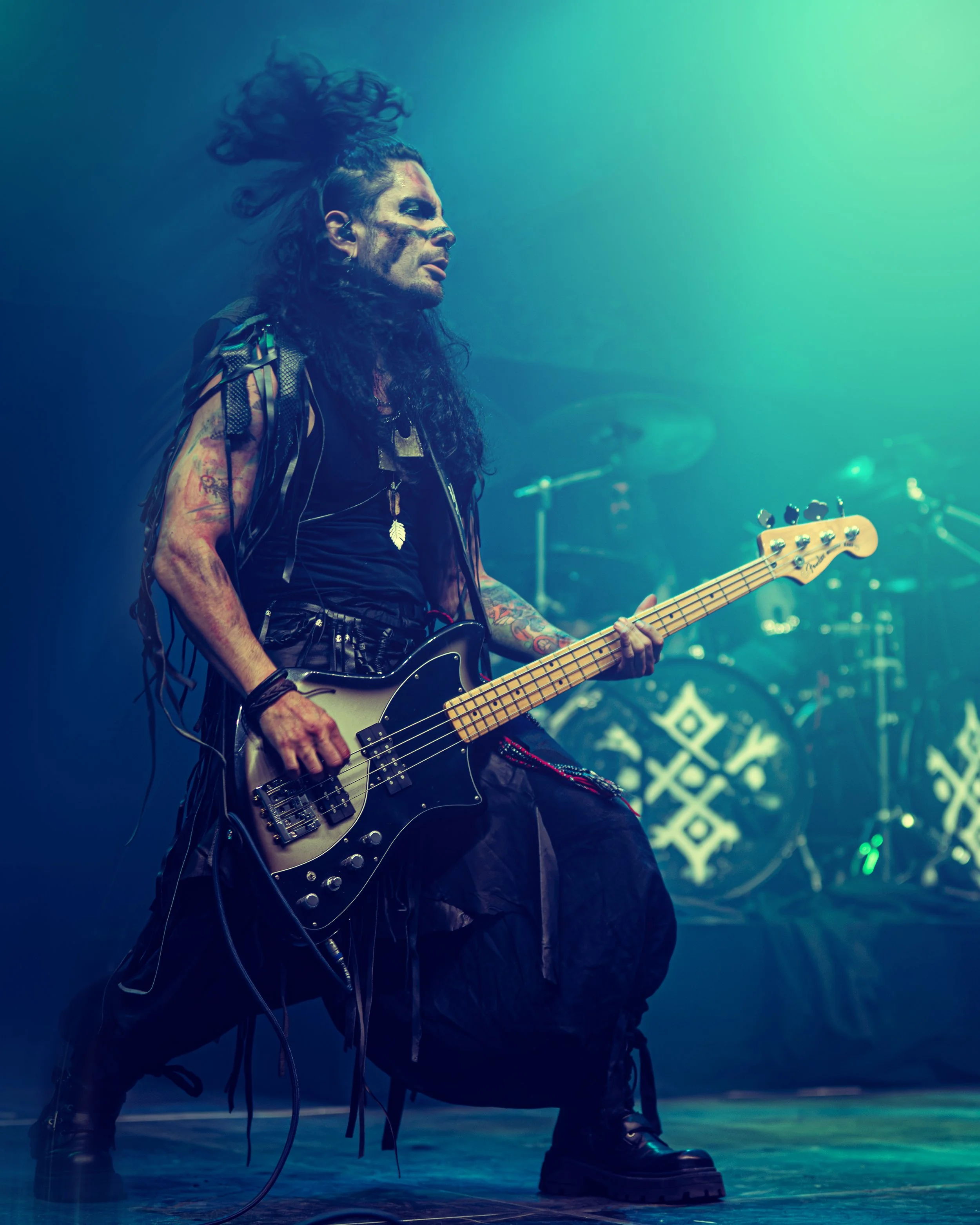
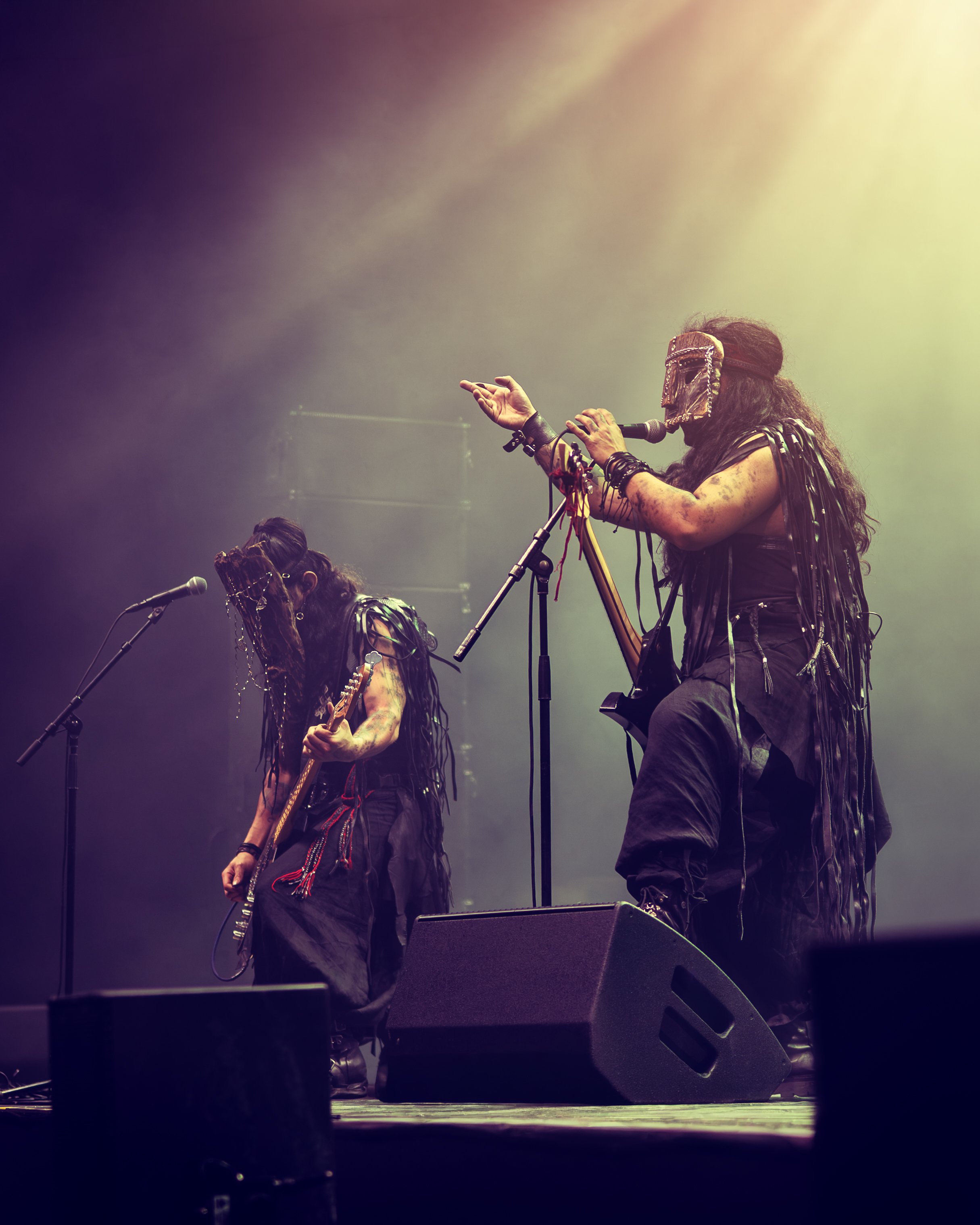
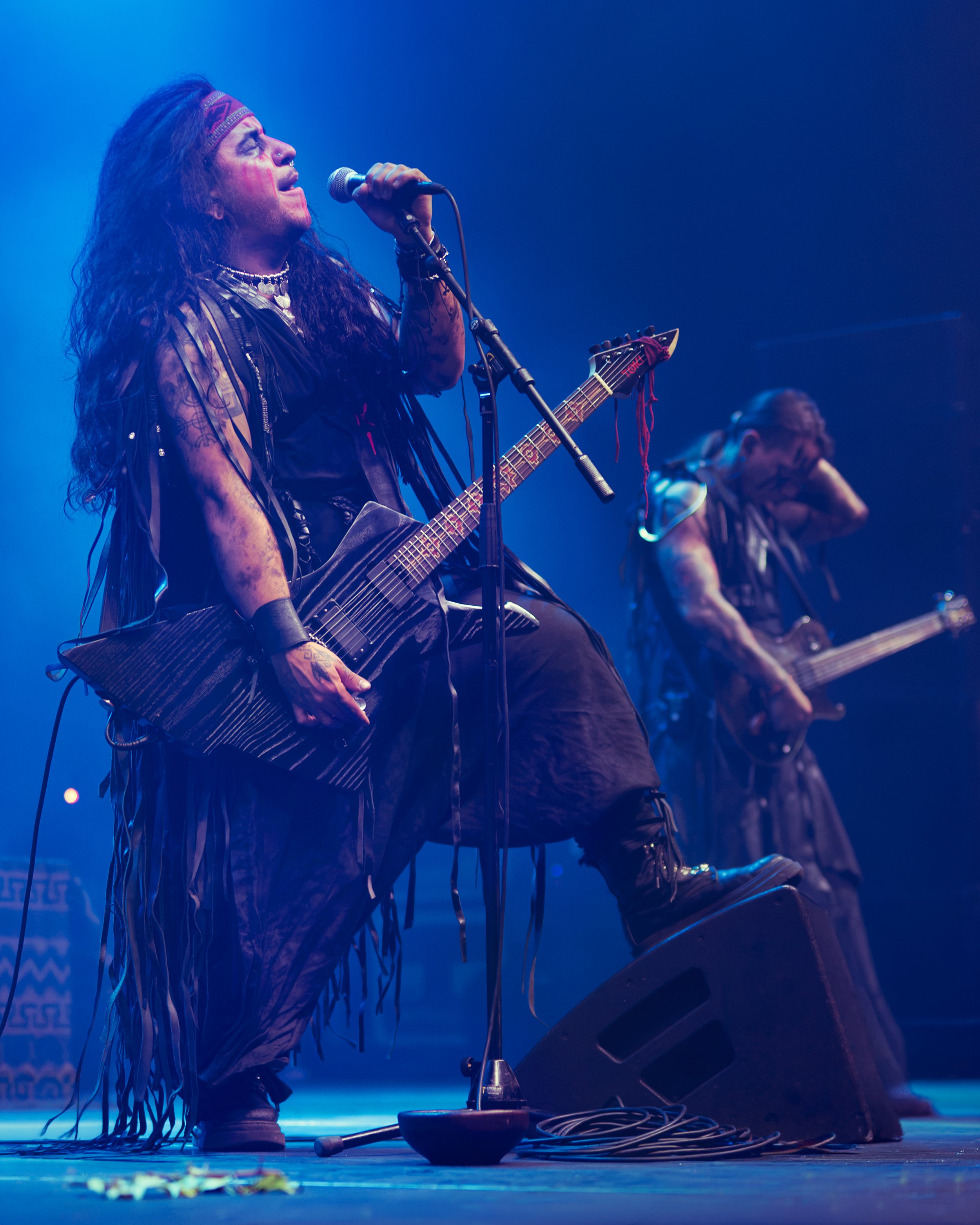
I was particularly intrigued by Mawiza’s explanation, in interview, of their fellow-feeling with Finnish metalheads. They explained that Mapuche worldviews have much in common with Nordic traditions of understanding the natural world, and that Mapuche lands and rivers are remarkably similar to Finnish landscapes.
There was lots of Finnish melodeath and symphonic metal on display, the influence of Amorphis and Nightwish running strong.

And the wider international metal cast was ridiculously stacked, from Carcass to Bloodbath, Opeth, Nergal, Paradise Lost, Eleuvitie & Triptykon.
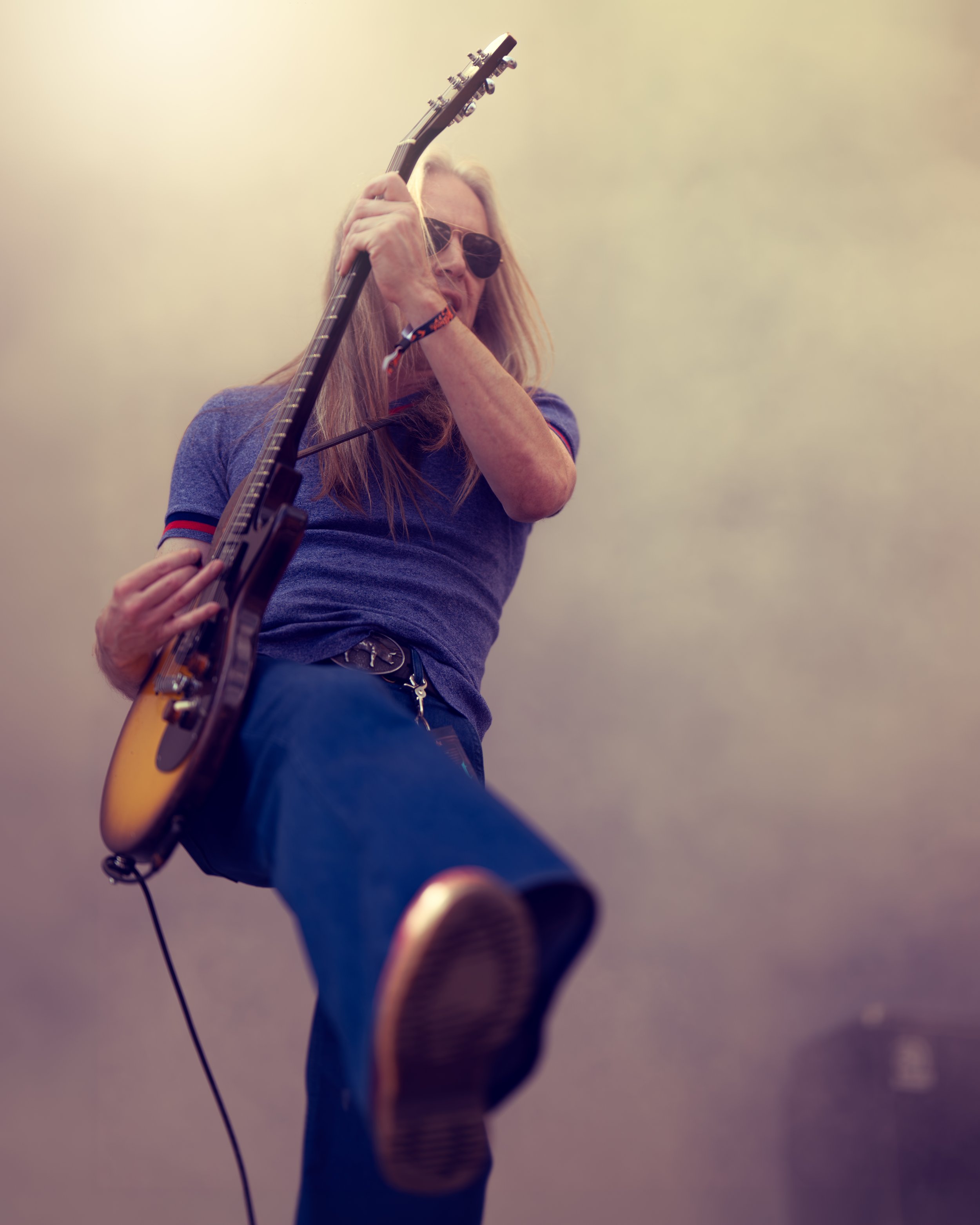
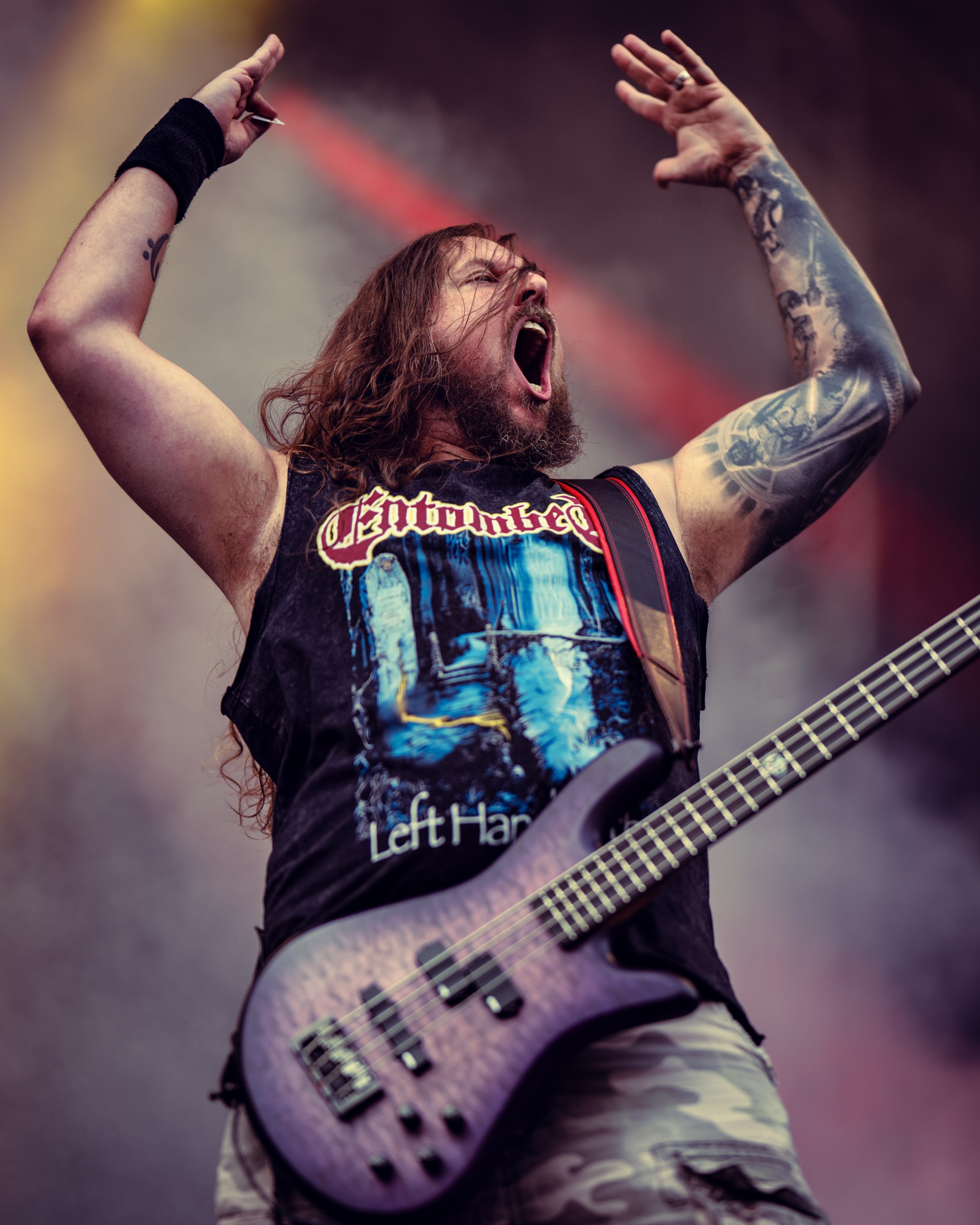
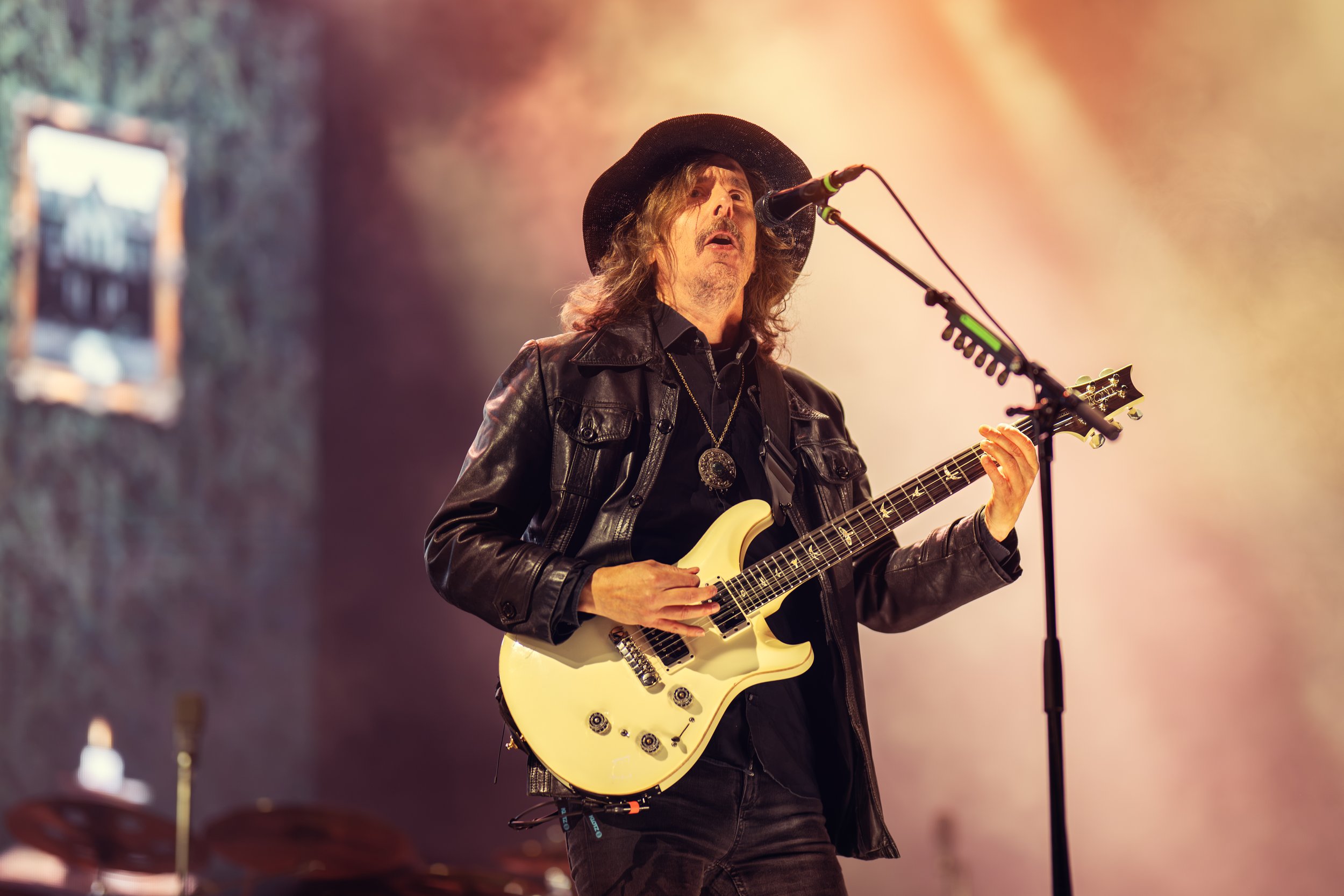
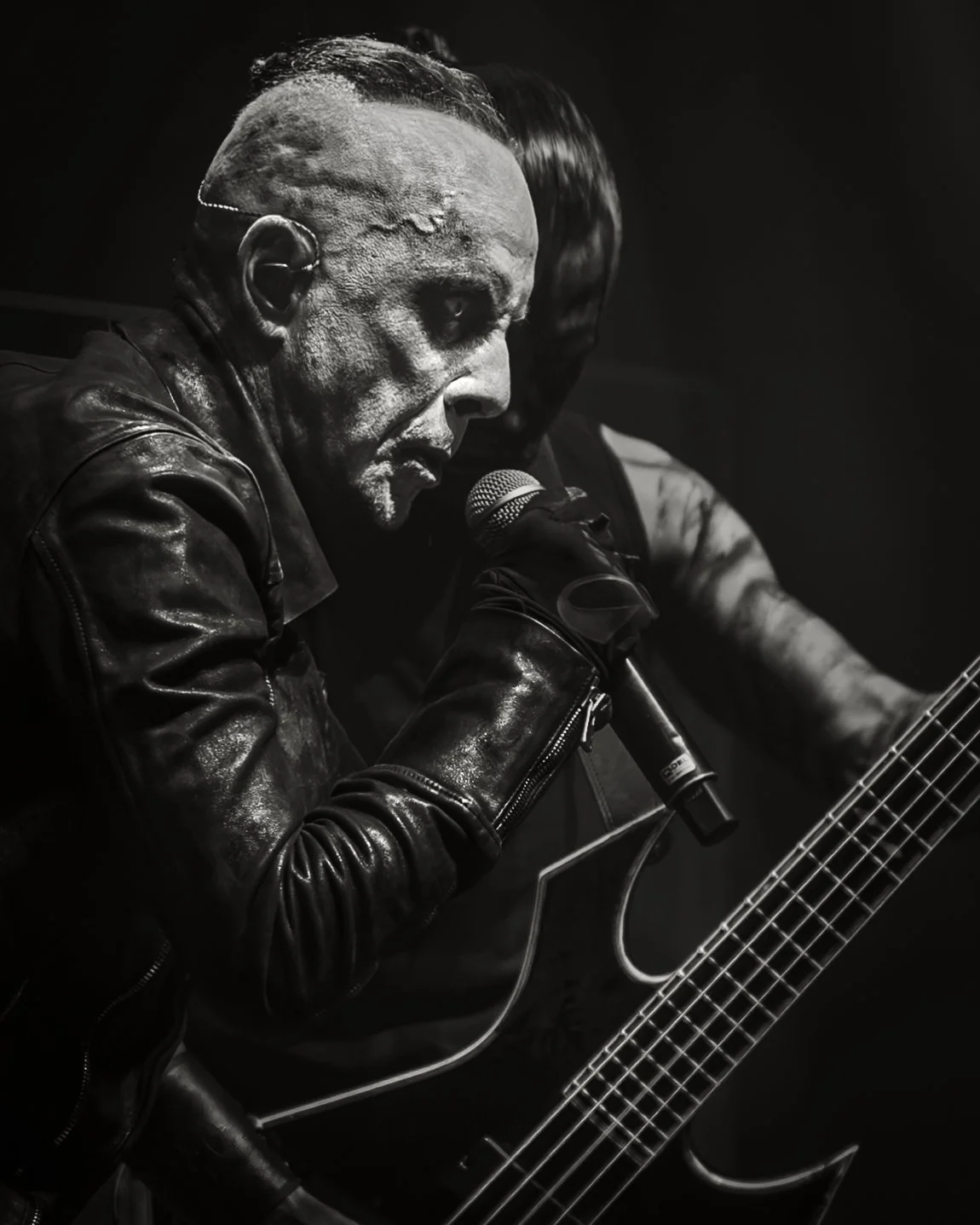
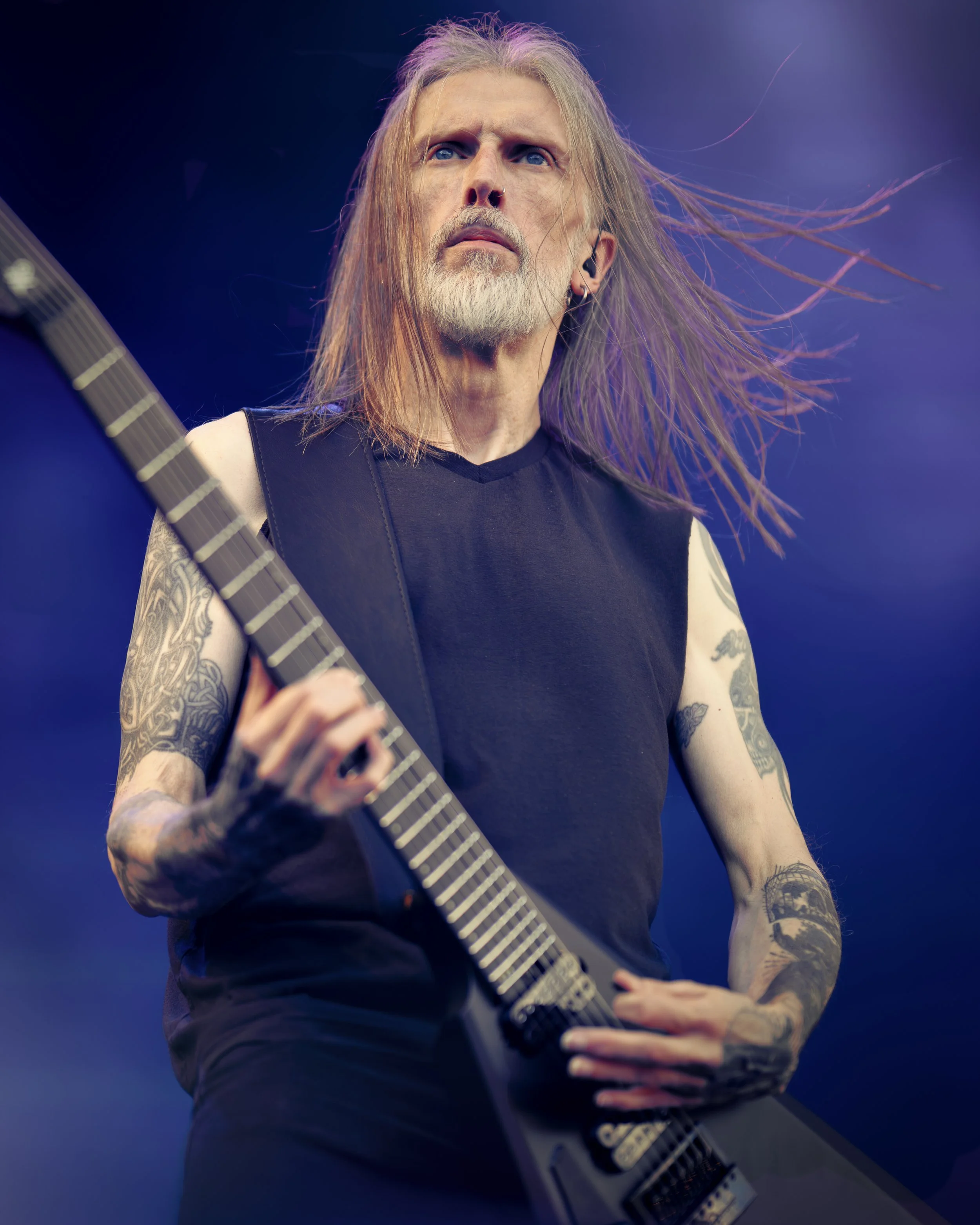
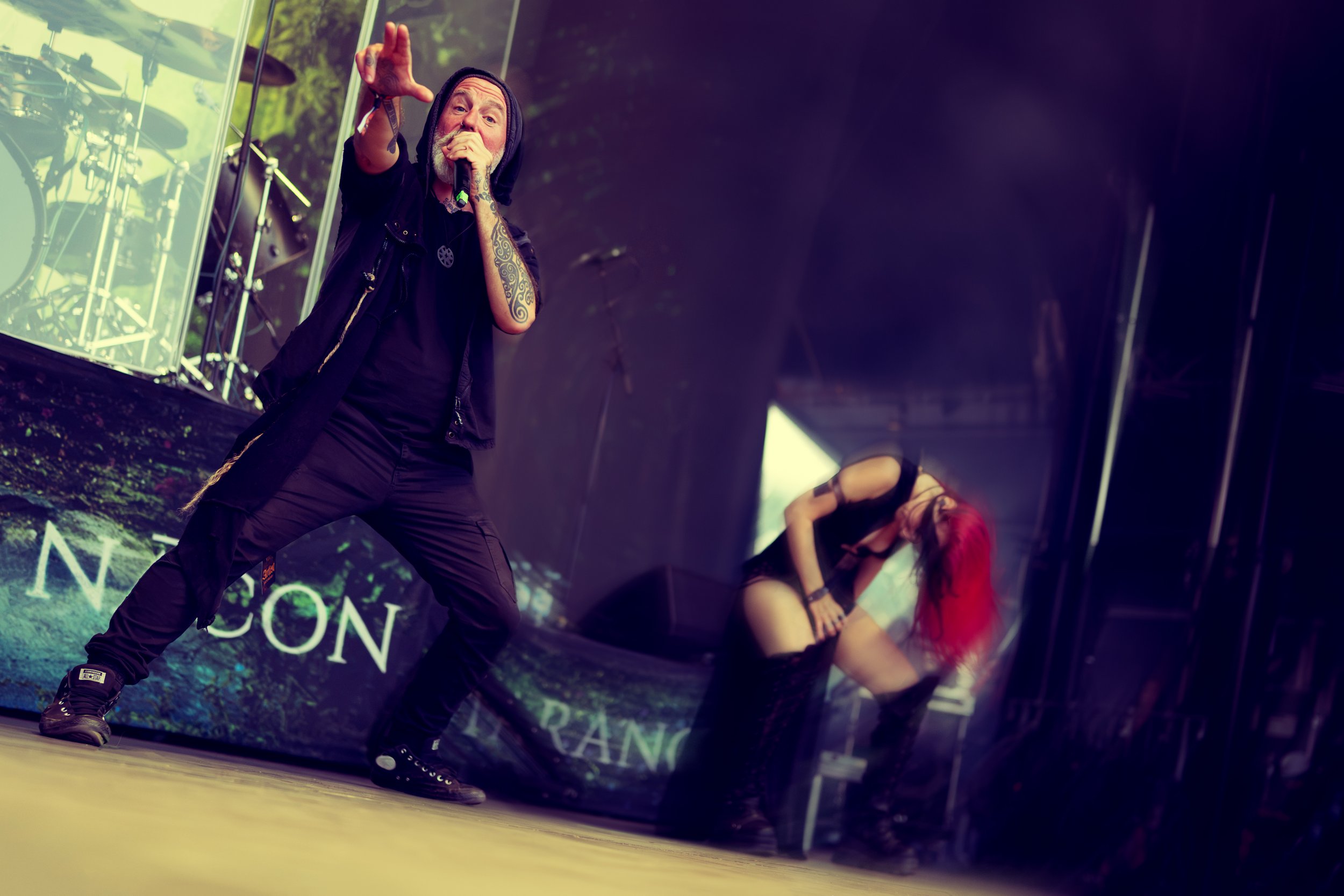
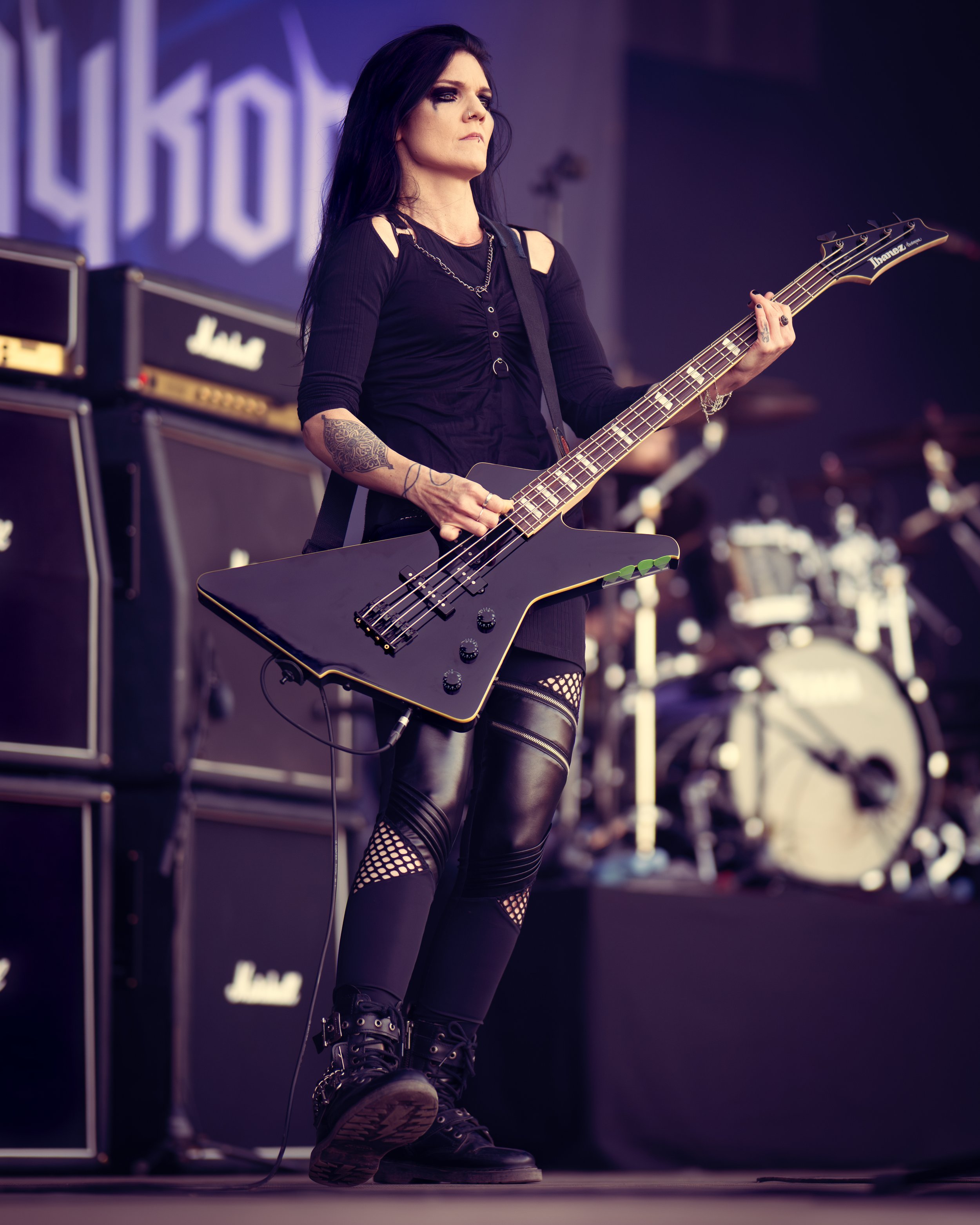
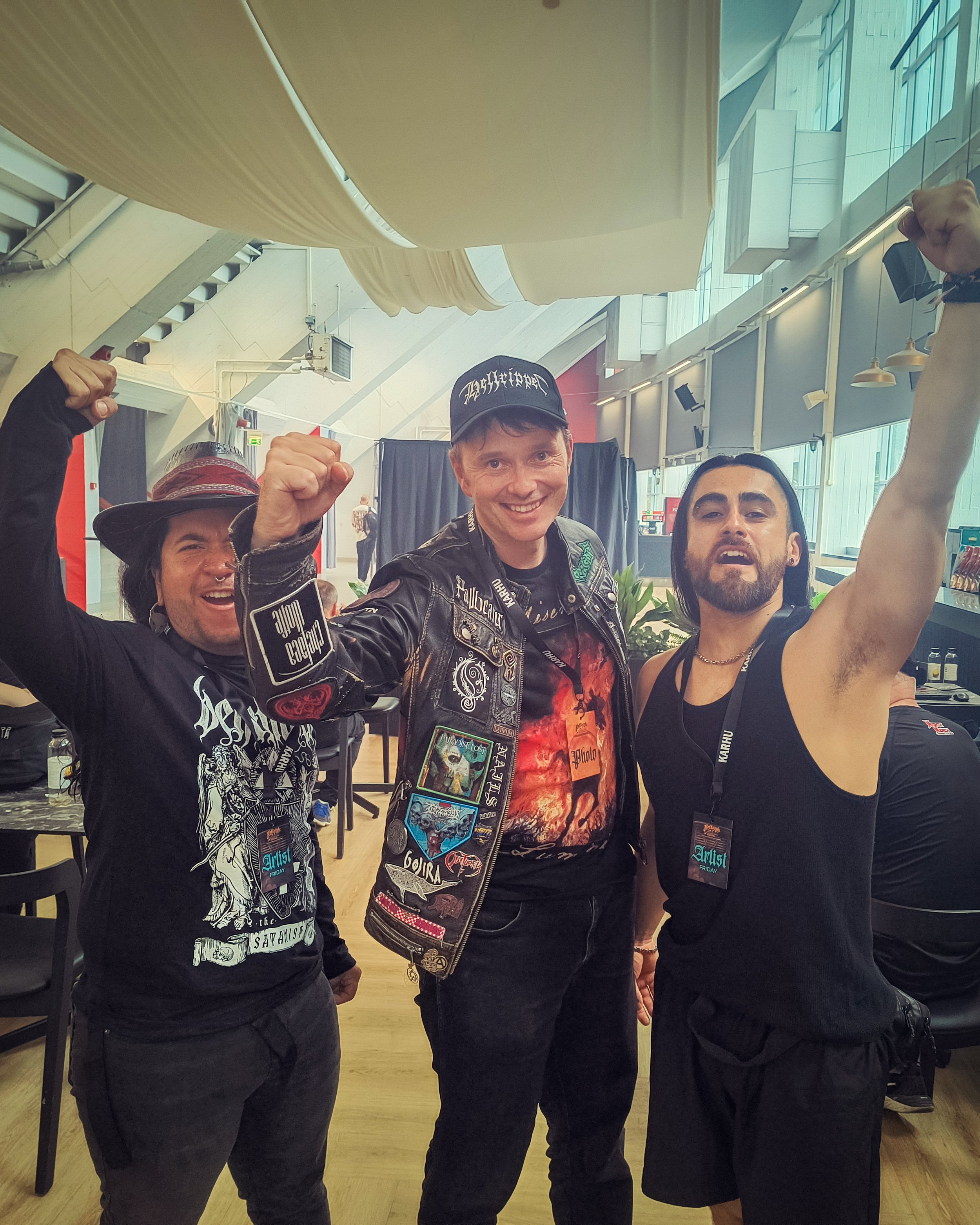
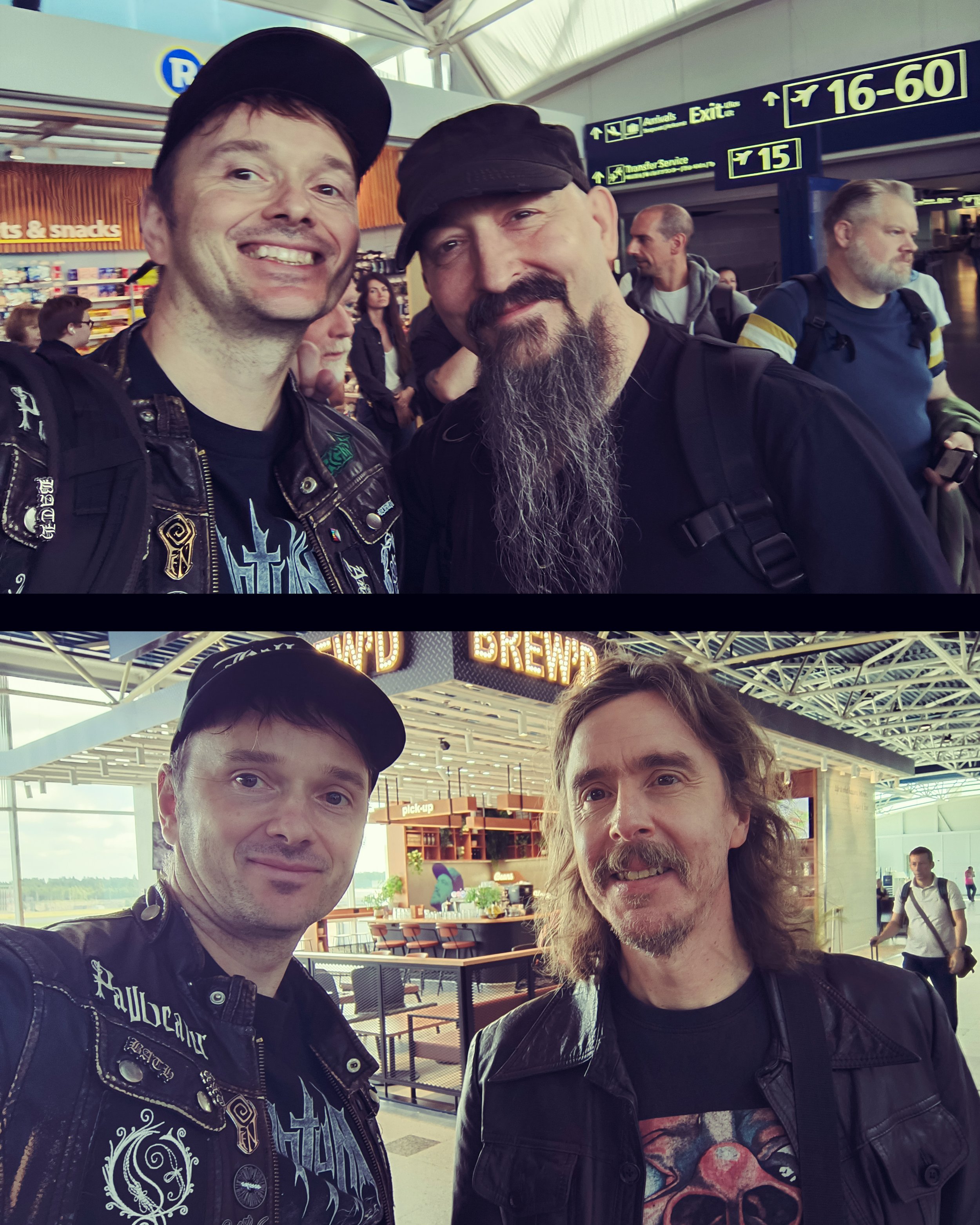
I got to chat with some really interesting people, including people who run Finnish podcasts and zines and visiting musicians from Opeth to Mawiza.
The Deathfest was an entirely different proposition, run by the vocalist of Ashen Tomb whose Ecstatic Death Reign was one of my favourite albums of 2024 (possibly the best year for death metal this century?). The fest celebrates the Finnish underground scenes that have given us some of metal’s most distinctive masterpieces, like Demilich’s Nespithe - one of my favourite albums of all time. Initially, it might like a band like Demilich couldn’t be further from the essentialised ideas of Finnishness listed above, but, emerging from a town, Kuopio, 250km North of Helsinki, the band often explained their music in familiar terms:
"Finnish music is fucking depressing. We are forest people who live in the dark. So even when we sing love songs about our beloved, it sounds like they have died. That is natural for us, and whether we want it or not, it always enters the music."
The setting was a disused gasworks, with dramatic ruins of industry towering over the second (outdoor) stage and a fantastic brewery next door. And again, the atmosphere was exceptionally laid back – low on rules, high on freedom to enjoy the festival your own way. Scattered among the Finnish bands, there was a roster of international acts, including Civerous, Undergang, and Asphyx (Civerous, in particular, really consolidated their place as one of my favourite current death metal bands).
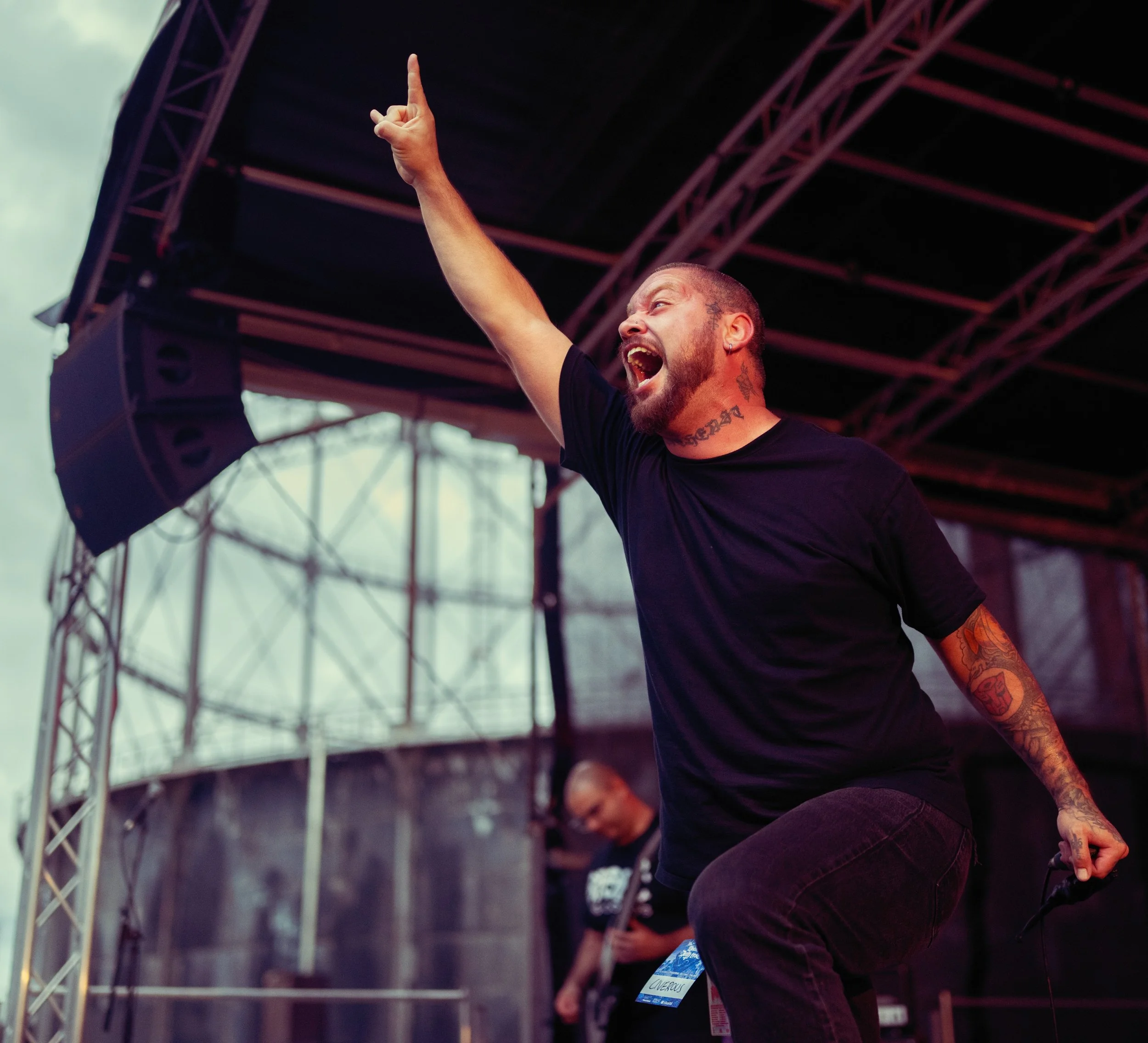
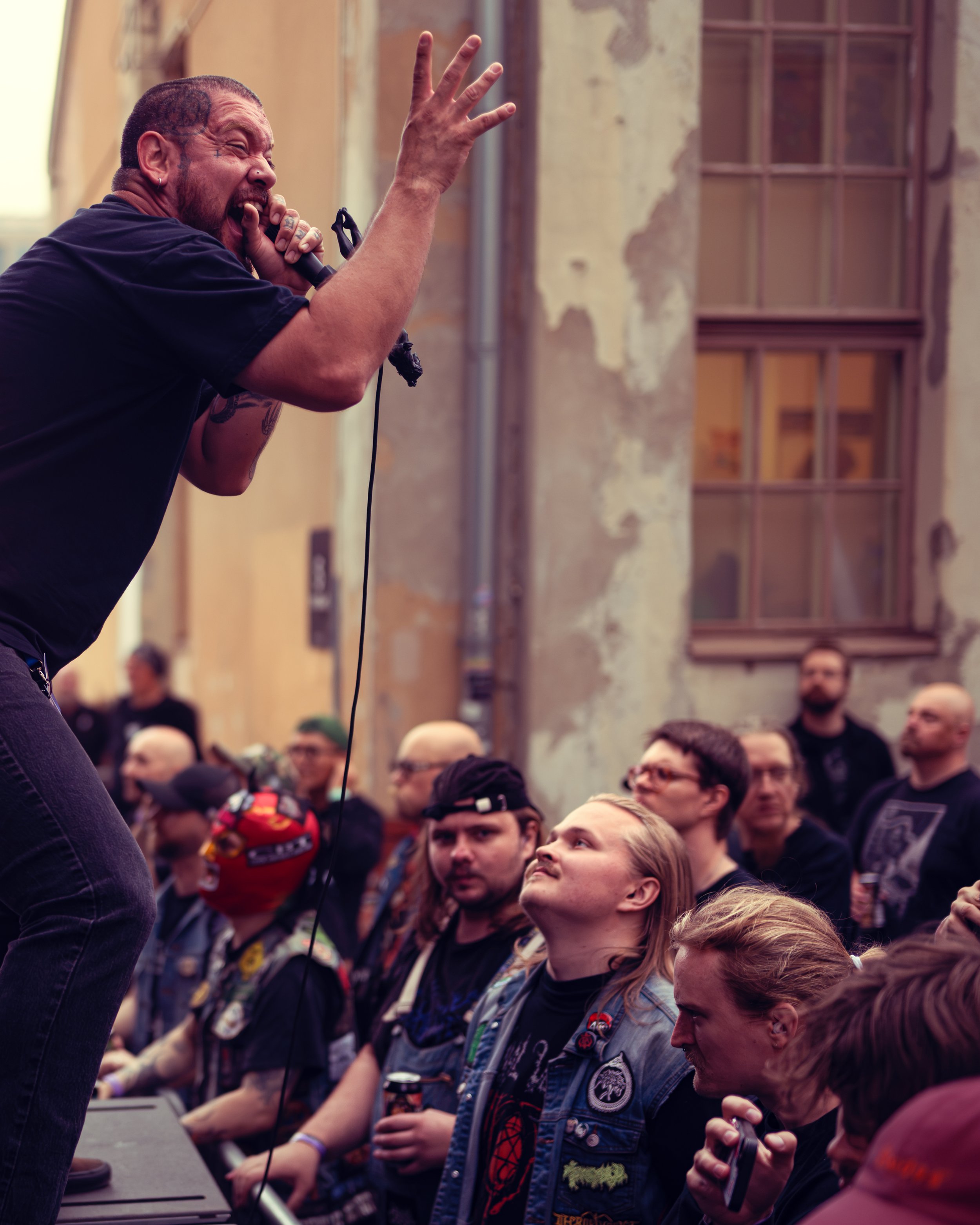
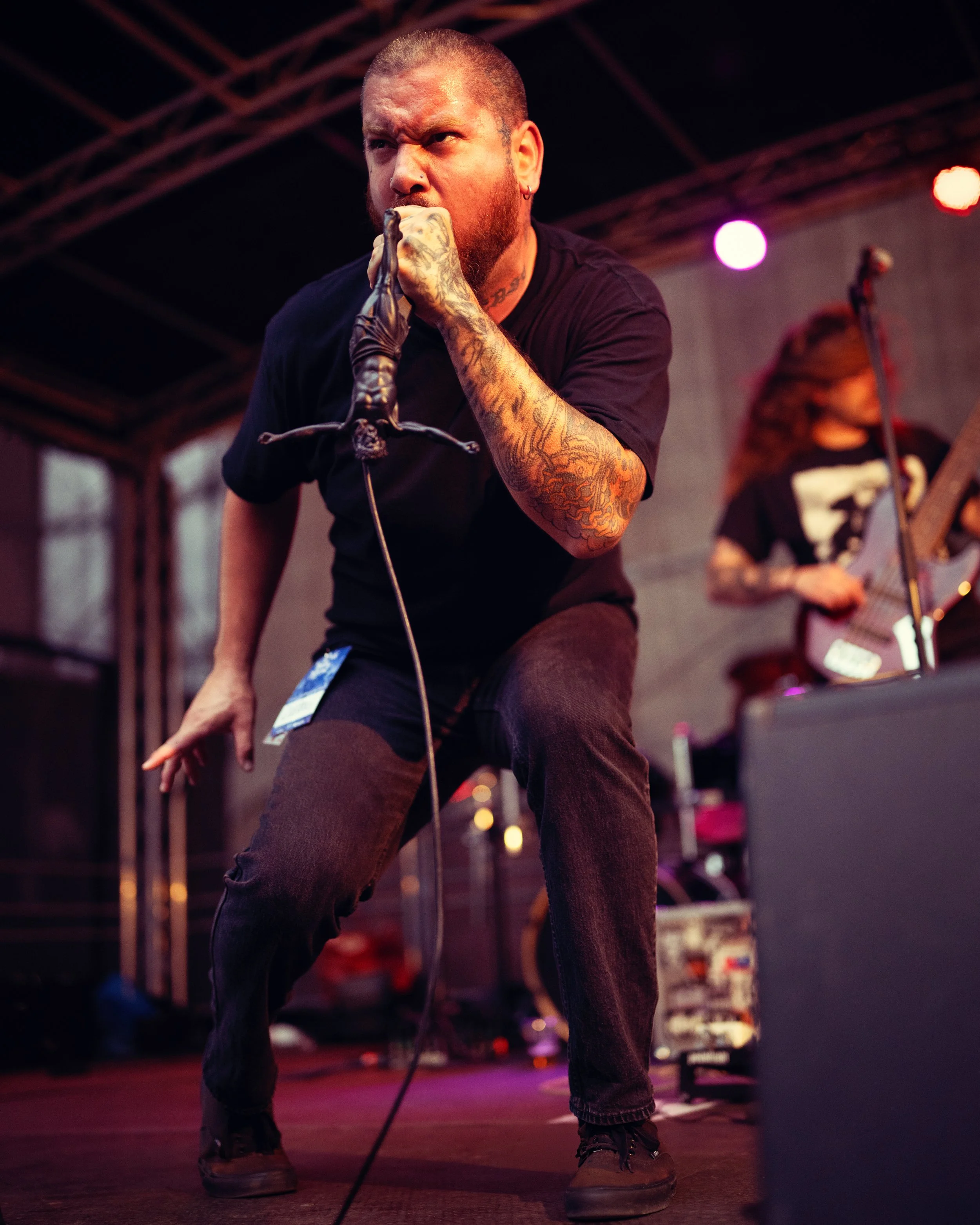
Again, it was beautiful to get to chat with some musicians I’ve been listening to for years. Here’s Martin van Drunen of Asphyx before and during their headline set, followed by selfies with the organiser and Sisli from Unearthly Rites:
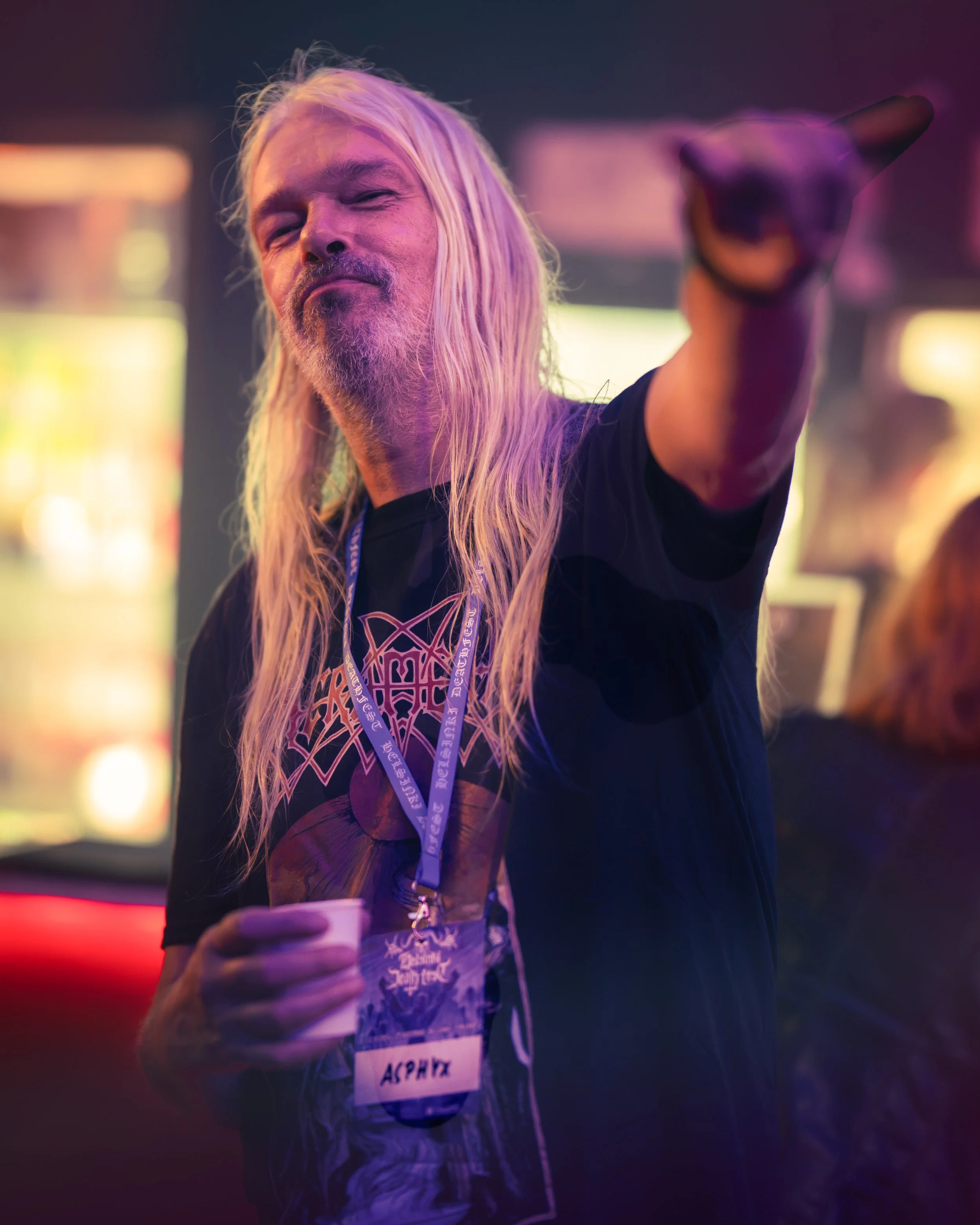
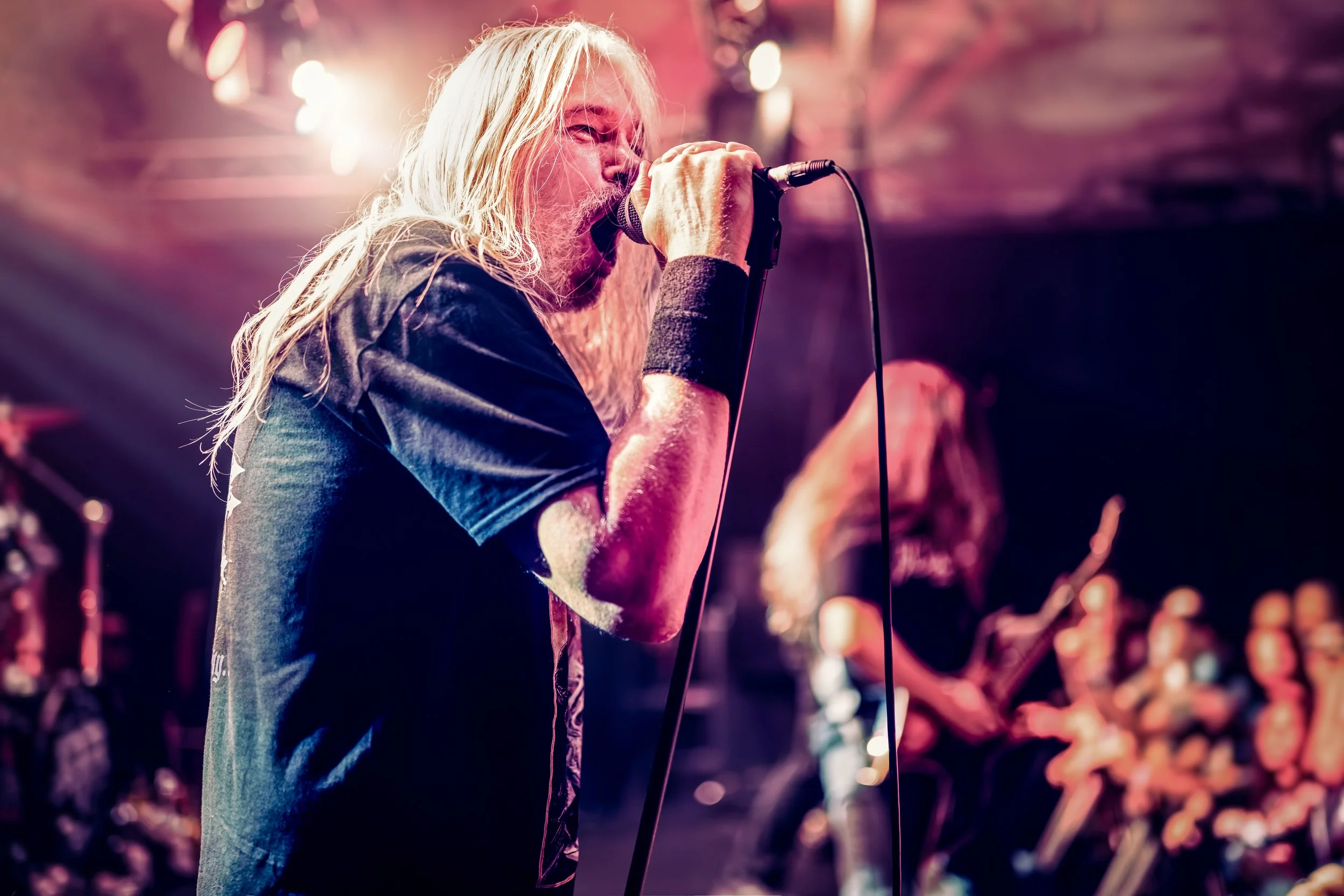
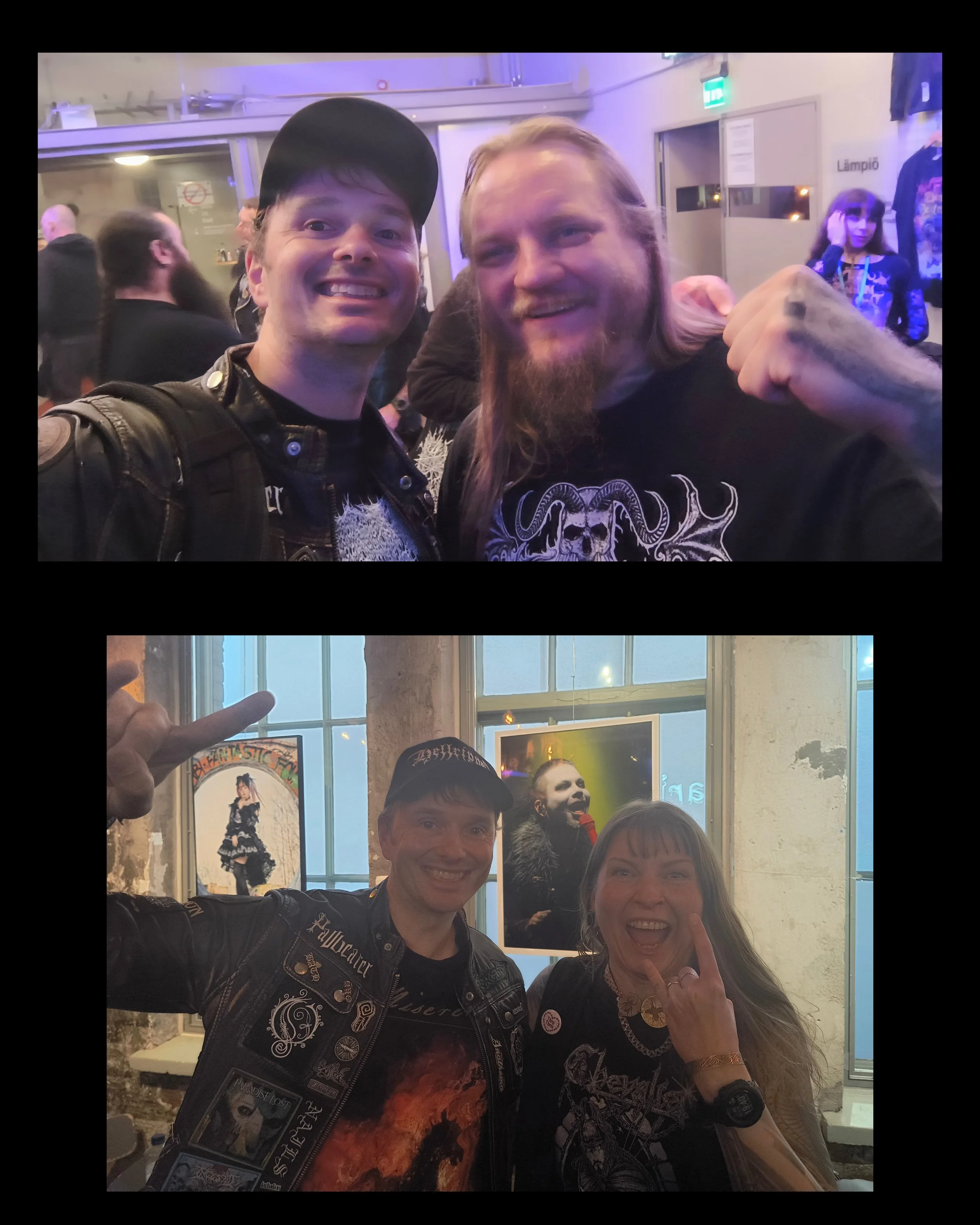
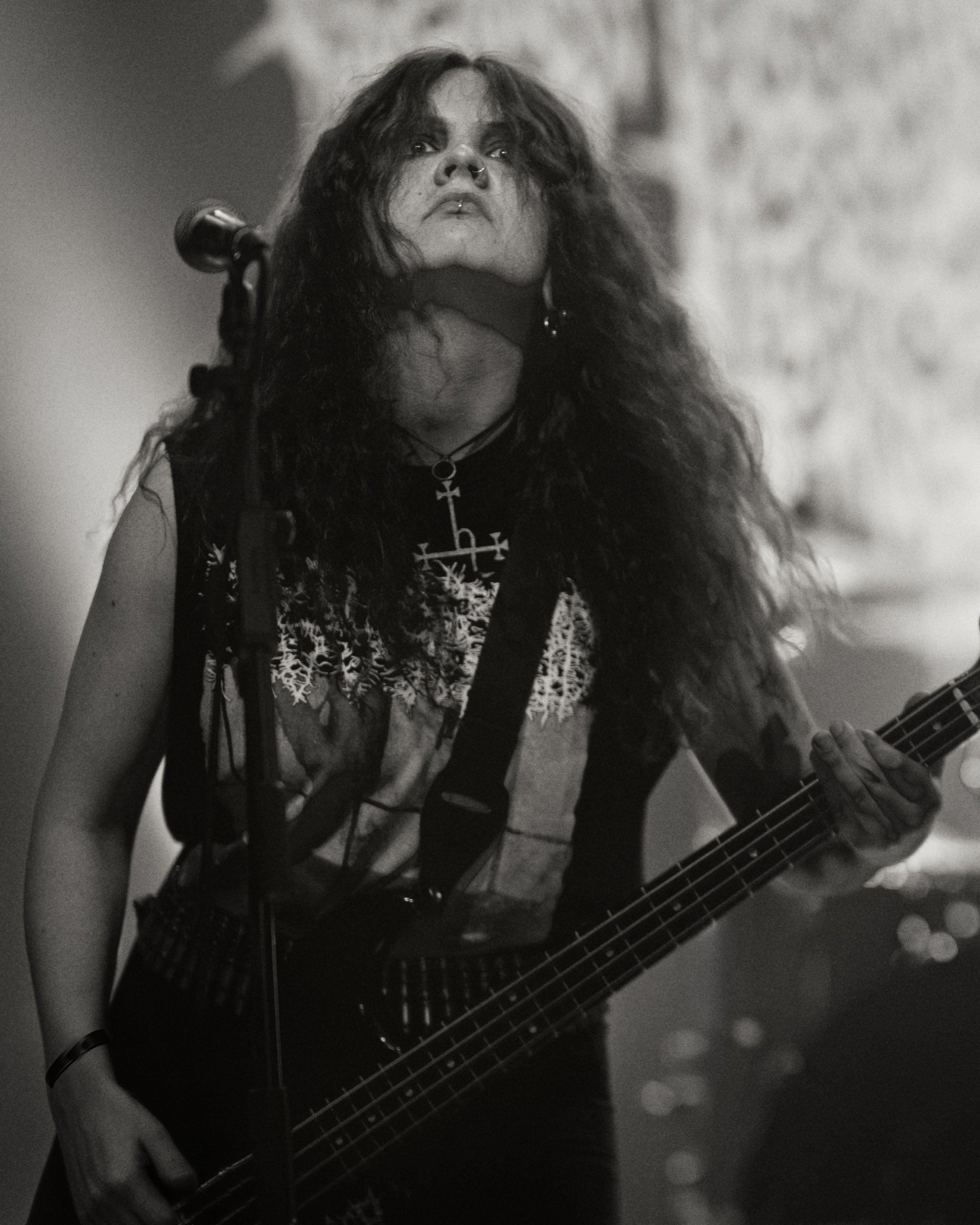
But it was the Finnish bands I was primarily there to see, especially Unearthly Rites, who I’ve been writing about a lot and who were fantastically insightful in interview.
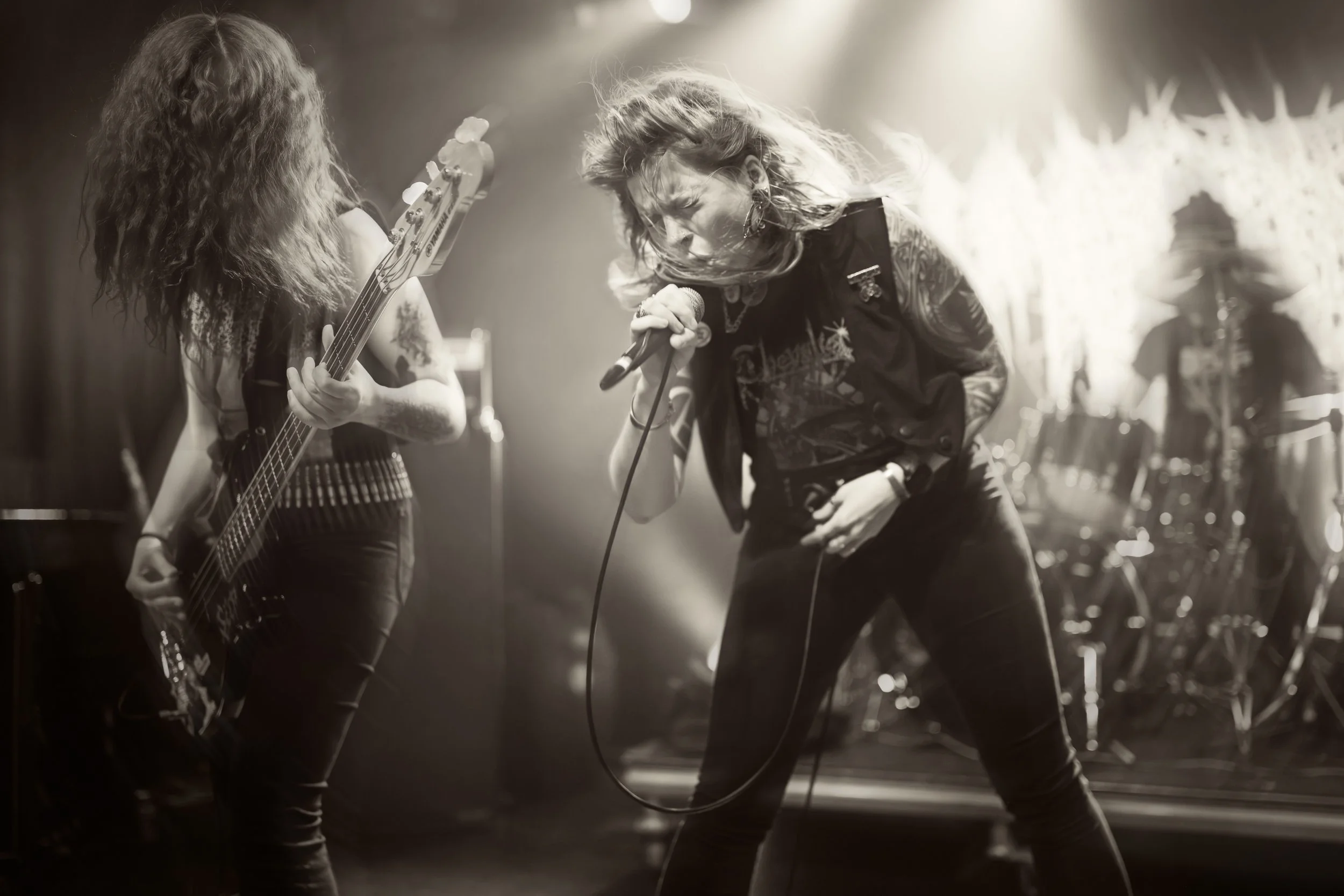
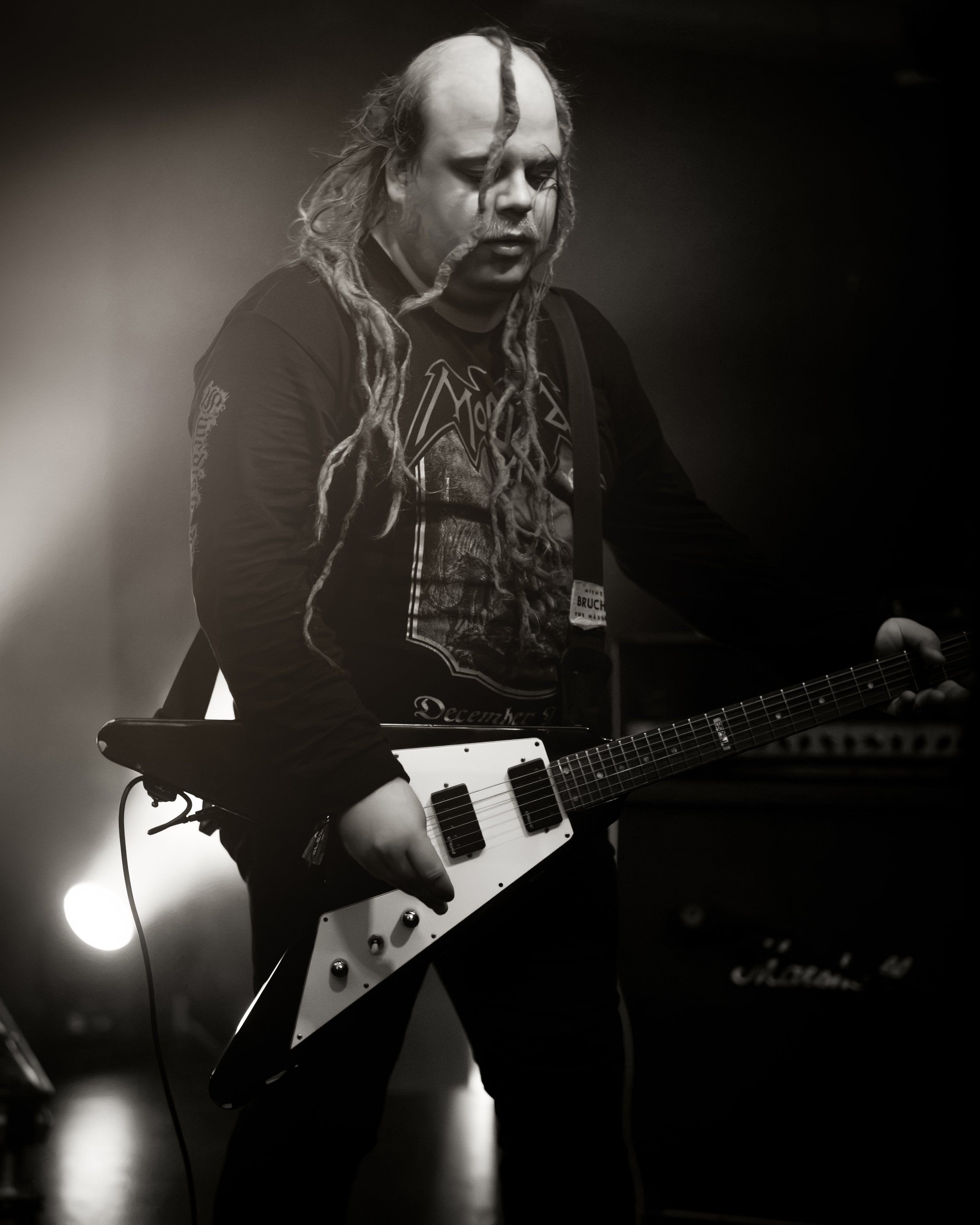
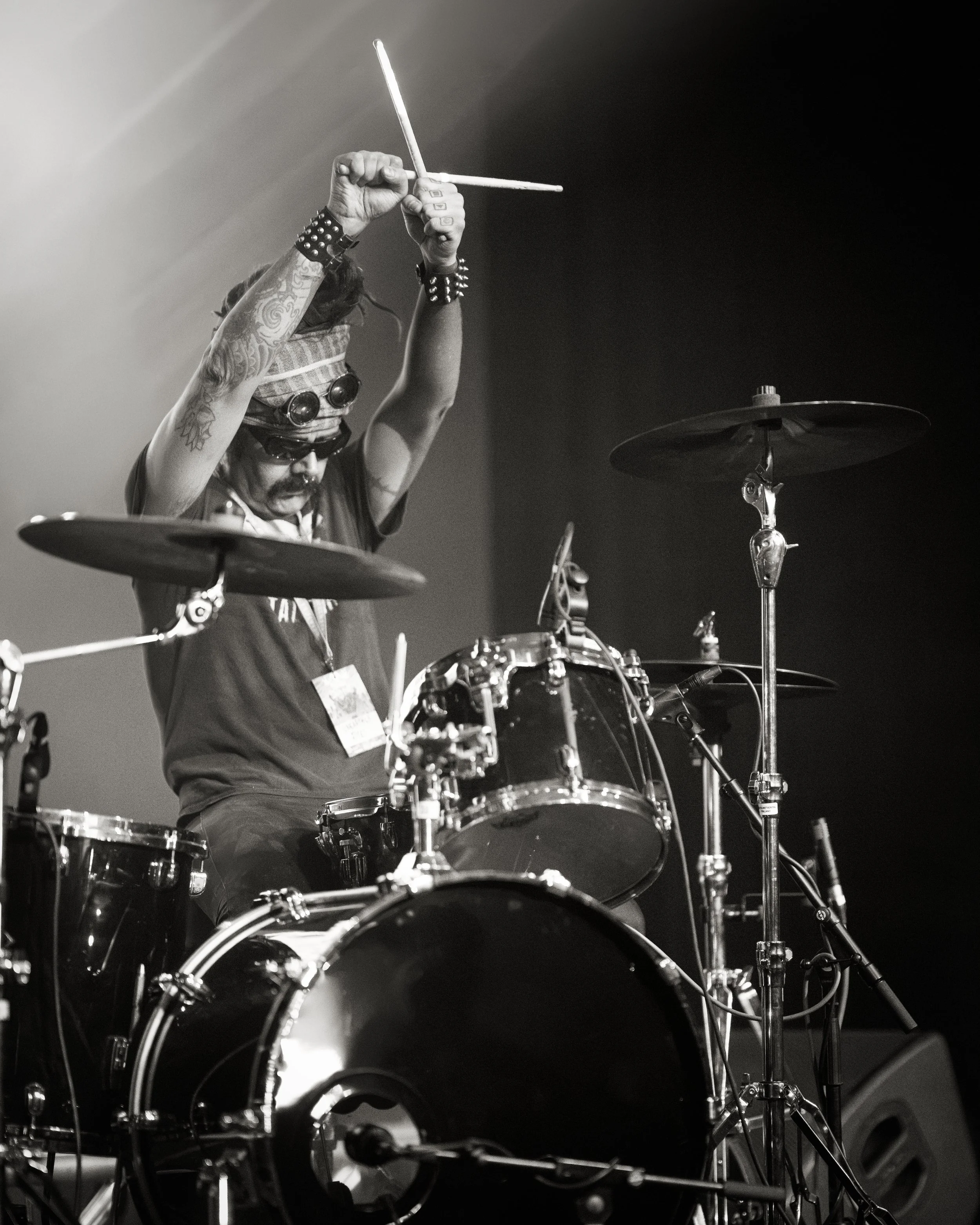
Beyond the festivals I had to try and learn all I could about Helsinki. So I met up with people including an old Finnish friend (a philosopher who I hadn’t seen for ten years - since we did a project together, about the concept of time, in Brazil and Japan)…
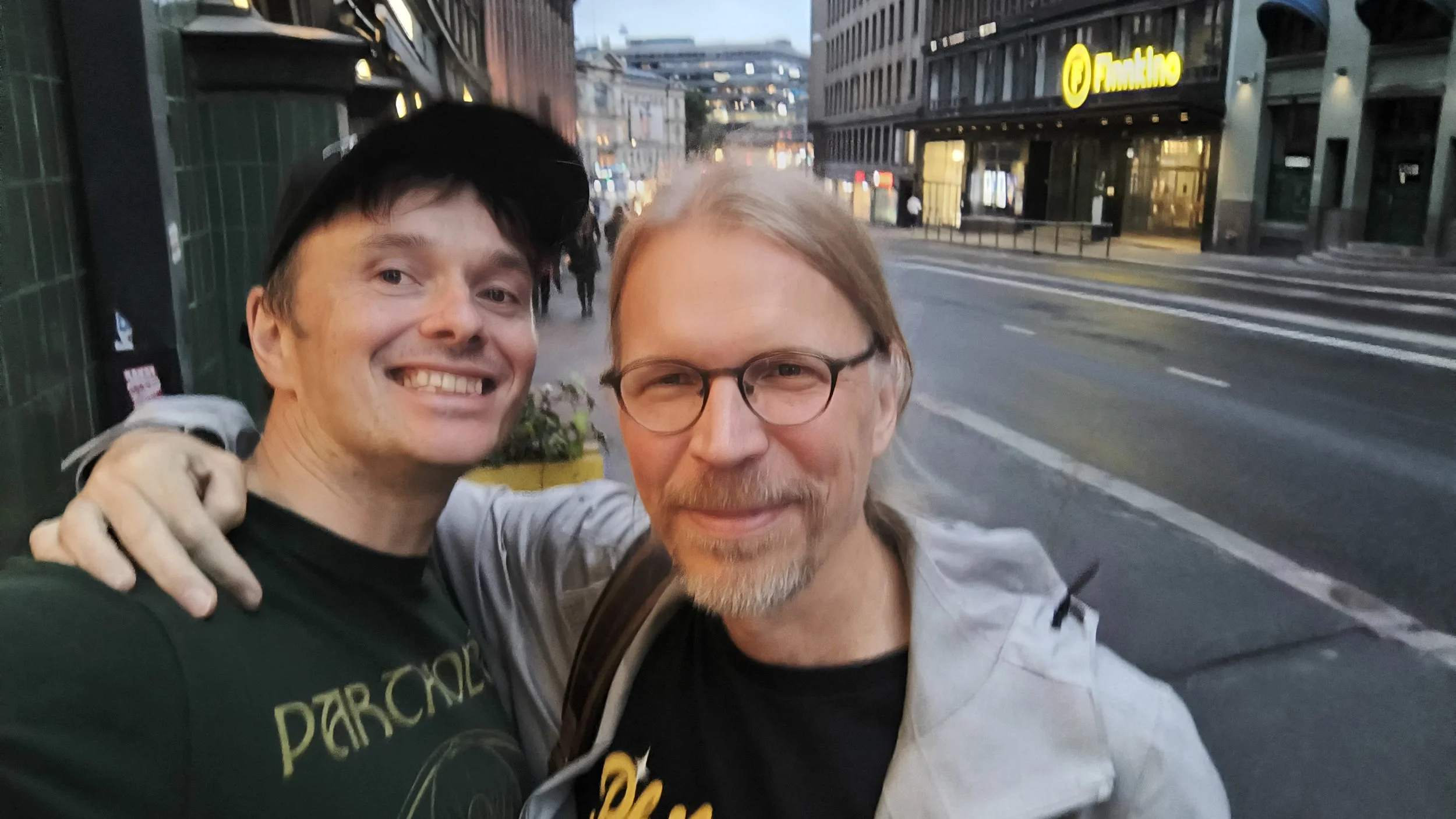
…and an Italian metal musician, Paolo Ribaldini, who has lived in Helsinki for twelve years and taught the first university course on metal music in the country. This meant plenty of chance to visit everything from cafes in crypts to the city’s best metal bars (Base was my favourite – battle jackets galore and lots of friendly metalheads).
I also got to visit some friends out in the wilds North of Lahti and travel by rowing boat through the forests and waters that’ve inspired so much metal, from Amorphis’ Tales of the Thousand Lakes onwards.
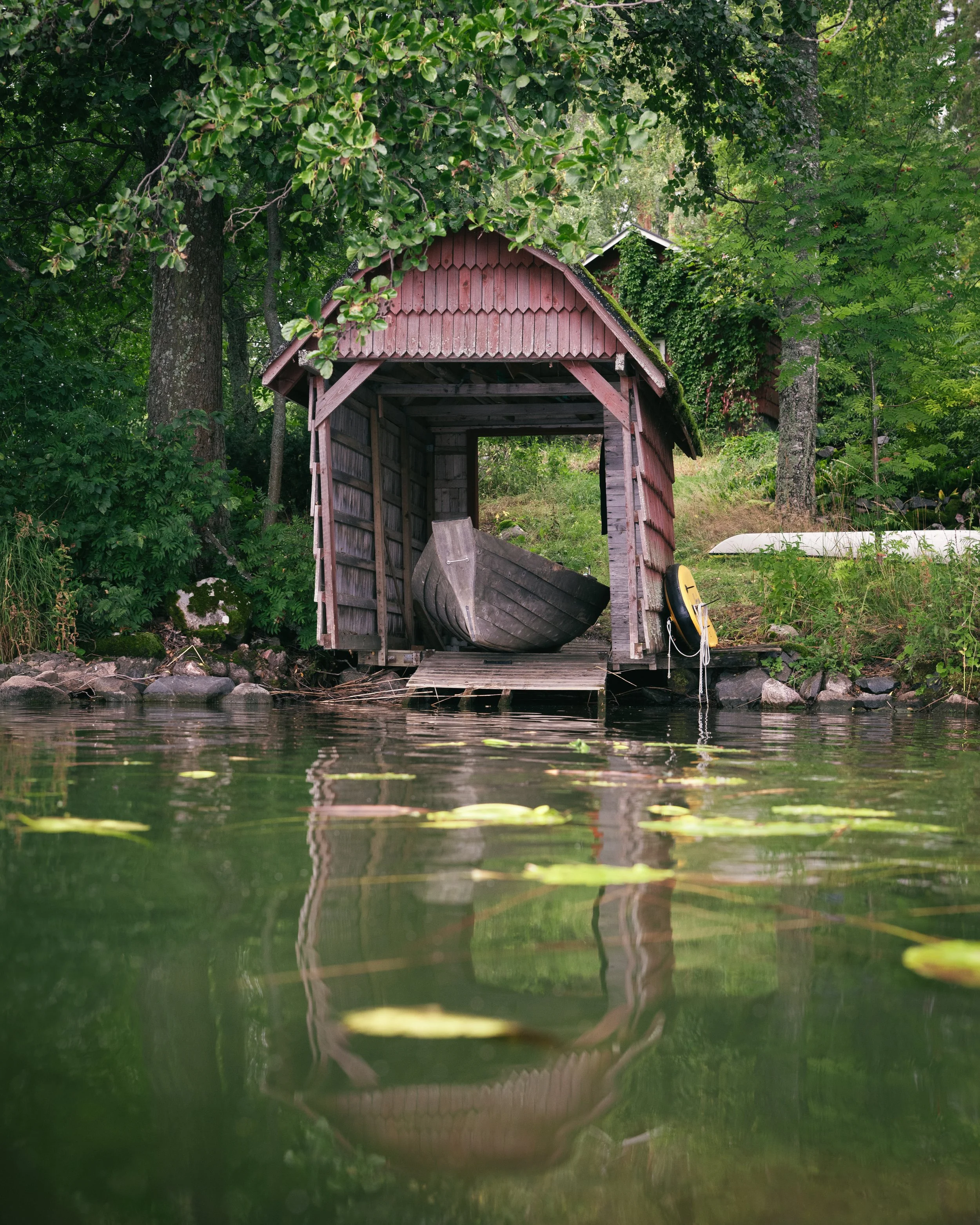
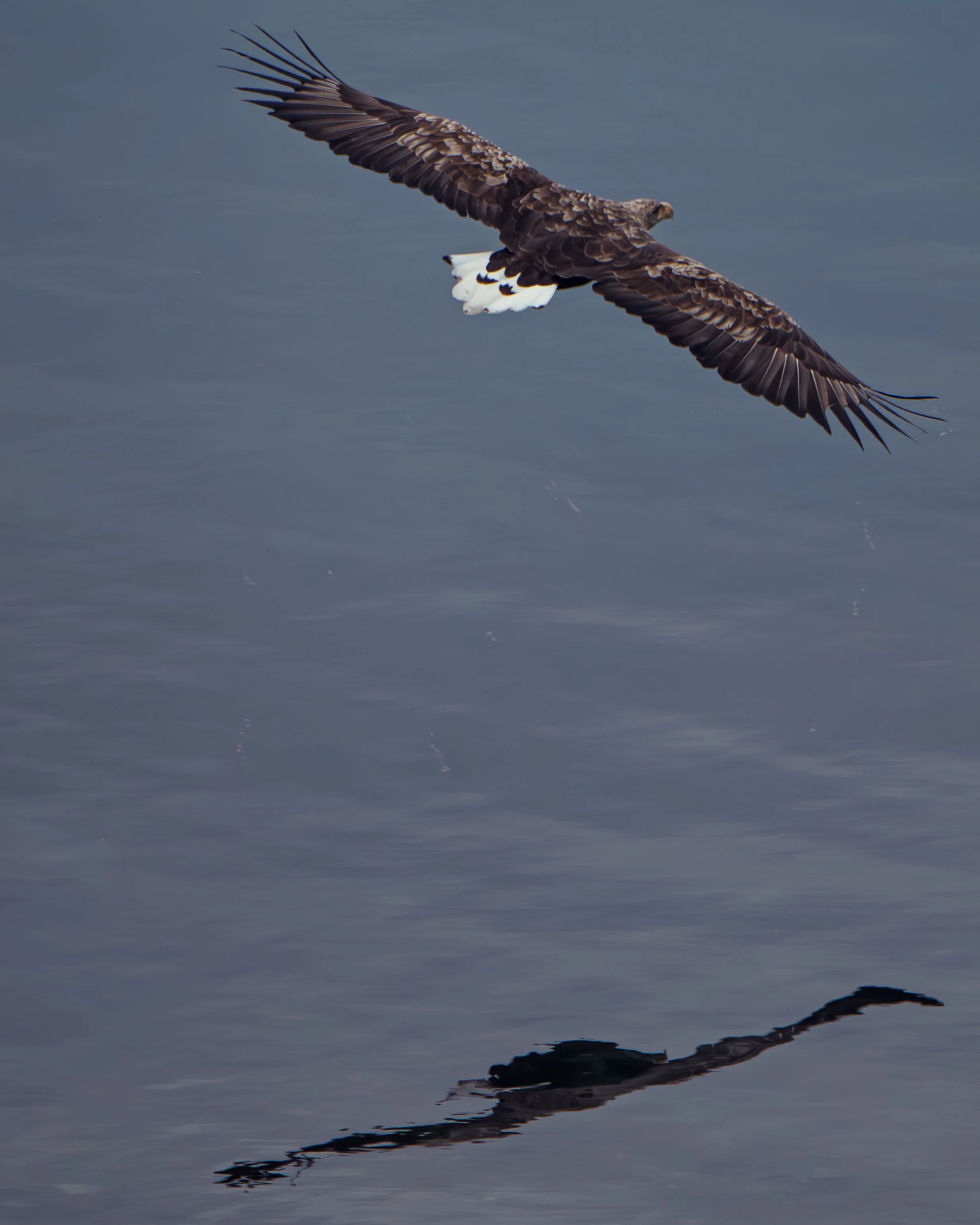
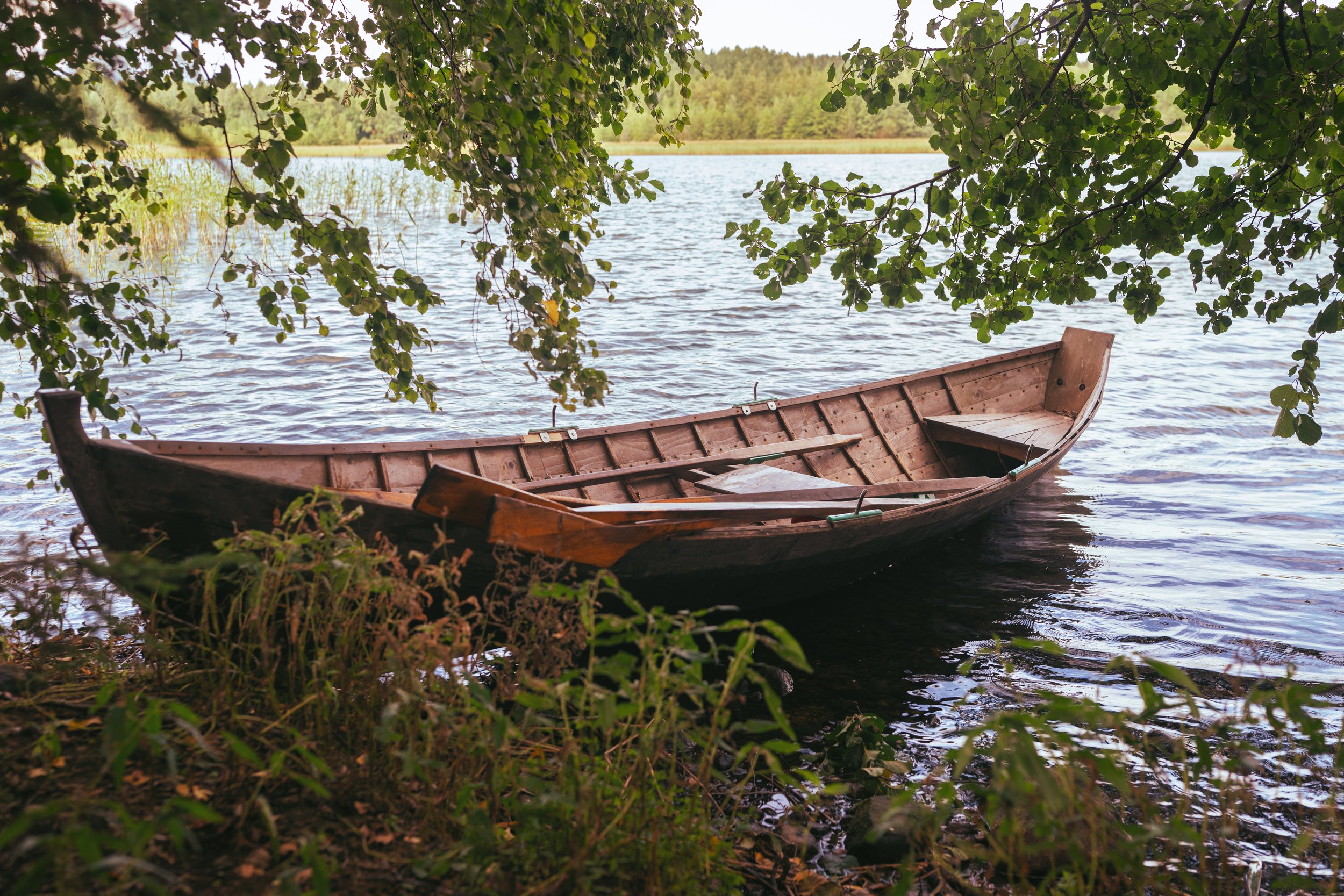
All the while, I was reading. There’s now an astounding array of scholarship Finnish metal - on everything from the origins of the scene to the links between metal culture and sauna culture. I’ve found writing by Charlotte Doesberg and Toni Matti Karjalainen among the most useful. Both are fantastic at unpicking what is and isn’t unique about Finnish metal, and exploring how stereotypes of Finnishness have shaped the construction and reception of the music.
The thing that struck me most was just how quickly, at the end of the 1990s, Finland went from being a place seen as marginal to metal, characterised, by the global press at least, as a traditional world of village dance halls, to being a global metal centre with unique degrees of acceptance of the genre and profoundly self-assured scenes.
This was built on a culture of youth centres around the country. I loved hearing the stories of Lepakkuloa (the bat cave) that until 1999 was a gathering place for young metal musicians to share ideas and hone their craft – the scene at that time sounds incredibly supportive and co-operative.
Soon after the turn of the century (especially after Lordi’s Eurovision win in 2006), the state began to embrace associations between metal and nation. By the early 2010s, international media were publishing articles on the global rise of people who, inspired by their metal fandom, were learning the Finnish language. As the Wall Street Journal wrote in 2013:
“It was heavy metal, unmistakably”, Mr Brown said when asked what inspired him to pursue a language spoken by a nation that has fewer people, at 5.4 million, than Washington state. Finnish bands perform with a “dark woodsy resonance” that he has come to love, he says, and “the poetic and obscure nature of the Finnish tongue really gave it a unique wave”.
The story of how metal and Finnishness became so entangled is unusual and intriguing, and raises the question of whether it will always be unique: is it possible to imagine this kind of process happening anywhere else? The youth centre infrastructure would surely be key to any such triumph.
Some I spoke to, Paolo Ribaldini in particular, pointed to the drawbacks of the rise of metal to general acceptability: they saw the genre as having lost its teeth, stripped of its anti-establishment potential.
The other question this all left me with is the status of the national. The state context obviously matters to some extent. But I heard many perspectives that are very familiar to me from other work. When not working on metal, I study places – from Ness on the Isle of Lewis to Porsanger Fjord in Norway – where national frameworks have never made any sense except as an oppressive force, and where extremely localised cultures have flourished despite the nation state. These are places, like much of Finland, that were built on the little wooden boats I spend so much of my working life in.
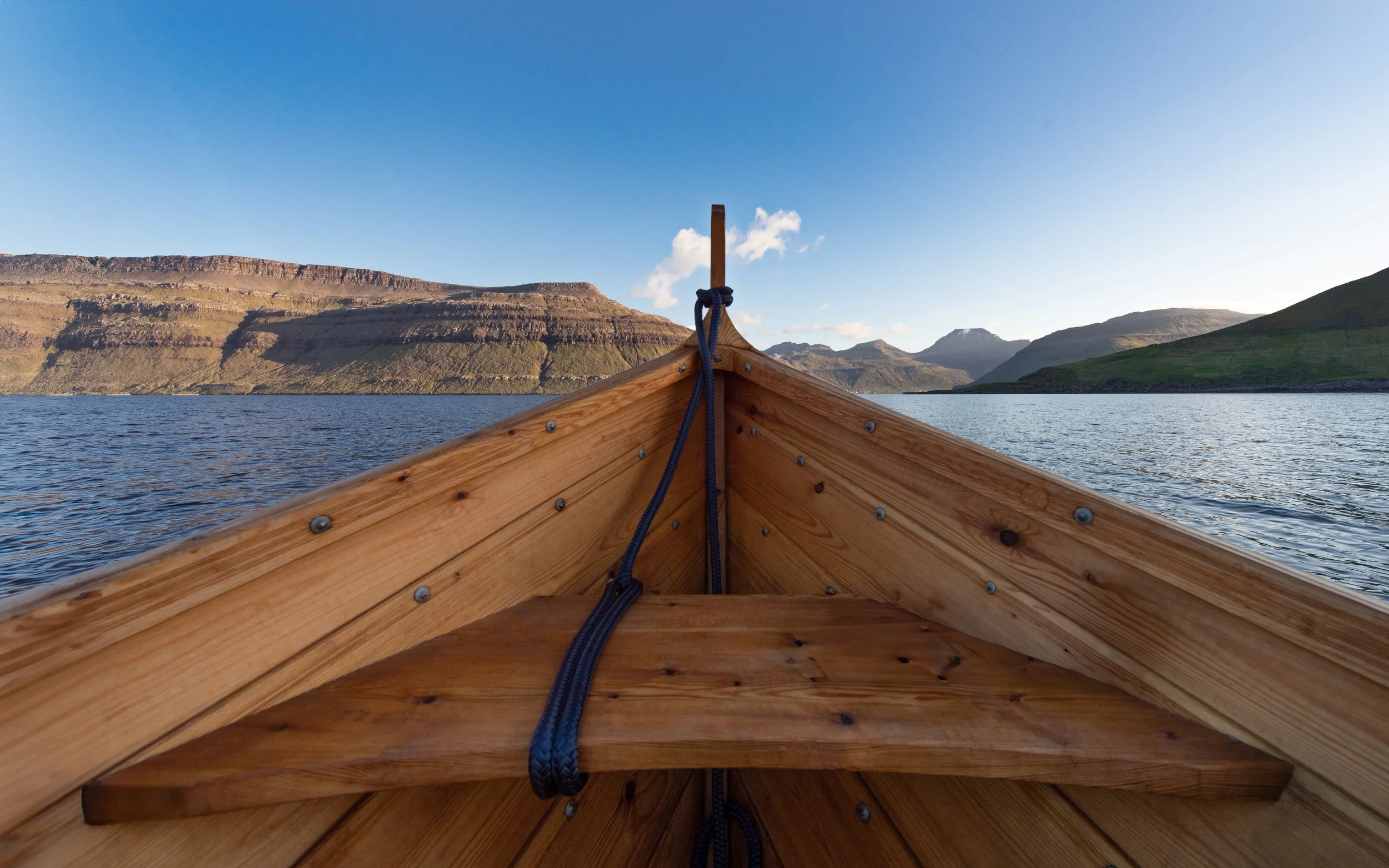
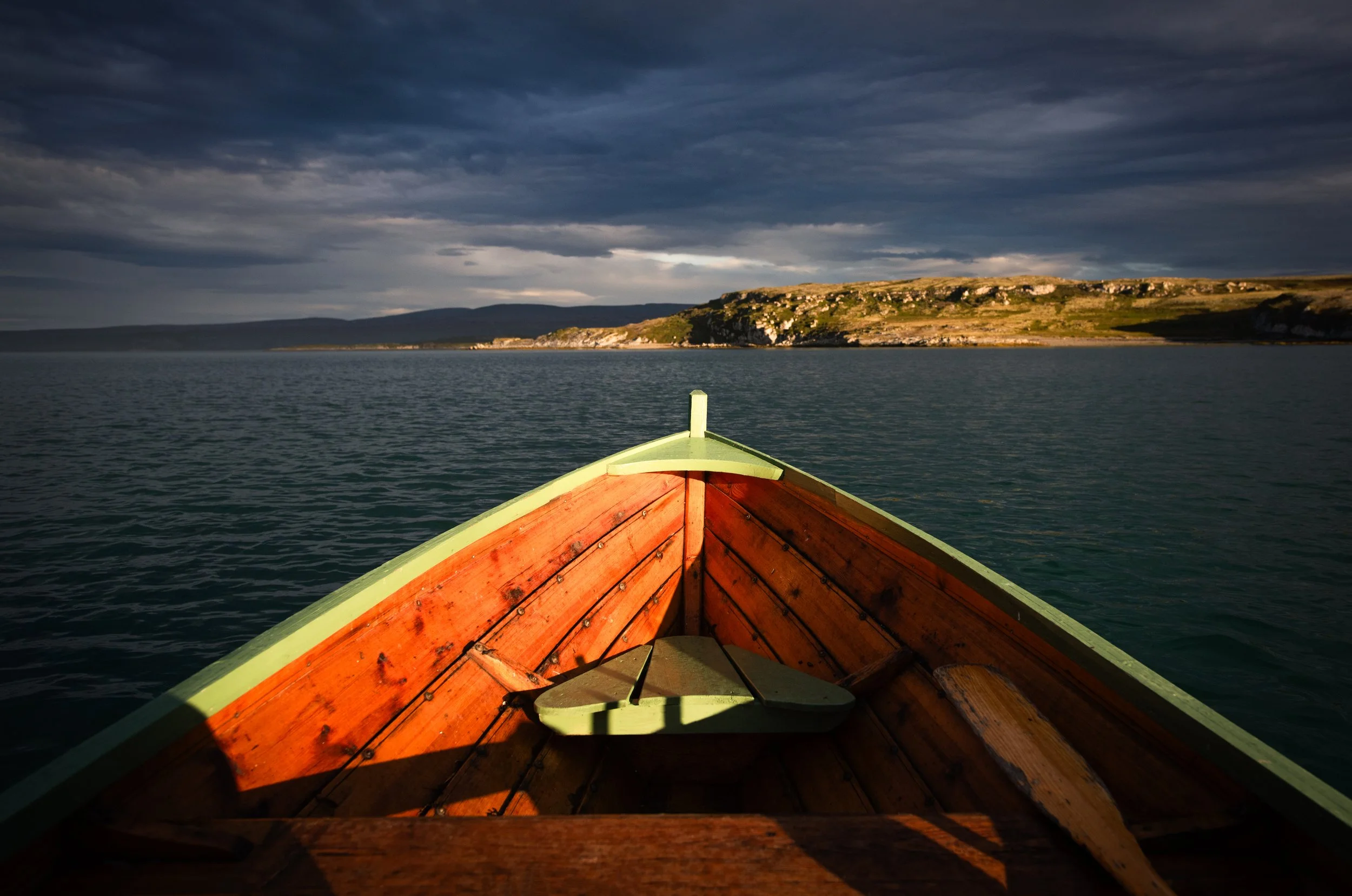
I was struck by how much Finnish metal is intensely localised. Much of Unearthly Rites’ music has been inspired by regions North of Salla, on the edge of the Arctic circle. From Beherit or Insomnium, to Kalma or Verjnuarmu, to Stratovarius or Nightwish, most Finnish bands are either intensely local in inspiration or profoundly international. People talked of scenes in Helsinki, Tampere, and Turku as distinctively different.
The nation is the one scale least likely to help make sense of these distinctions. In the context of rising nationalism, and metal scenes that still have far right elements, I’m interested in the work the intensely local does in this music and in seeing how we can structure geographies of metal with the language of nation used only when it’s explicitly invoked: Finland gives us metal of rural, industrial, and metropolitan spaces, of arctic and temperate climates, of forest, mountain, river, ocean, village, and city worlds, and the maps of inter-related metal scenes don’t stop neatly at national borders (as the array of Finnish-Norwegian or pan-Nordic projects, from Høstsol to Barren Womb, shows).