Samhain
Metal & the New Wyrd
I’m a historian by profession, and spent the first decade of my career researching how people in the nineteenth-century used the past to make sense of the chaotic transformations of their present.
We’re currently witnessing similar things, this time with music at the cutting edge. Huge numbers of bands across many genres – especially things like neofolk, dungeon synth, punk, and metal – are part of revived fascination with folk rituals, pastoral life, forest dwelling, megaliths, and ruins, as well as prehistory and medievalism in general.
This is a global phenomenon, but it takes on interesting local forms. It’s often focused on very specific places (there are national and nationalist instances, but most examples are far more localised - though that hasn’t stopped them being weirdly misread as national). The various British versions of this have been labelled “the new British wyrd/weird” and are particularly vibrant (in fact, I’m going, later this month, to see the singer of Green Lung talk about them in the Society of Antiquaries, London).
There are clearly lots of things going on in all this. It echoes the 1890s and 1970s quests for new spiritualities to evade the structures of church and state. There are now countless calls for “enchantment”, just as in ‘70s ecofeminism and 1890s occultism. But it also speaks to dissatisfaction with national and institutional visions of the British past and how supposed historical “greatness” ought to inform the present. It sidesteps the flag hoisting culture wars, in which a huge amount of pressure gets placed on prevailing British myths of empire and monarchy, because it creates entirely different and much more earthy historical tales for us to work with. I loved Zakia Sewell’s Finding Albion (a book that set out from bands like Pentangle to explore folk pasts) except for one thing – it still assumed these were alternative national pasts rather than asking whether the national frame is relevant to them at all.
Globally, thousands of heavy bands are involved in these revivals. This includes bands from Faetooth or Green Lung to Viking metal and the peasant metal of Grylle (played only on medieval instruments, their album Egrotants, Souffreteux, Cacochymes, Covidards is a masterpiece). It seemingly includes almost all atmo-black or emo-crust (where medieval or dark pastoral themes often shape visions of future dark ages too). Several bands have given interesting explanations of what they’re doing. This is how the liner notes from Poison Ruïn’s Hymns from the Hills puts it:
I’m not very interested in conveying the facts of medieval culture. If we are to make sense of the present, we need to employ a more mythic mode of language and symbol to reach beyond the spiritual malaise that envelops us. A mythic truth resonates within any time, but its echoes call from outside of time. Medieval and fantasy imagery are simply effective personal starting points for tapping into that mode of communication.
There’s a long history of historians treating movements like these with suspicion because they rely on partly imagined pasts. Other critiques see these appeals to the past as nostalgic and purely escapist. Such criticism often misses the point: these are productive ways of reimagining the world (the opposite of nostalgia) and explorations of specific aspects of the past that shape how we negotiate our weird present and imagine different futures.
But that’s all a very longwinded way of explaining why I’ve been so interested in some new events being run in West Yorkshire by Hollow Sun promotions. These tap into the new British weird while also acting like a map of the most nature and folk-tale focused metal today.
Particularly interesting is the autumn themed series called Nature’s Descent. And Saturday, Halloween night, saw Nature’s Descent II: Samhain take over Amped in Huddersfield (Amped, for those who haven’t been, is the kind of not-for-profit grassroots music venue every city needs).
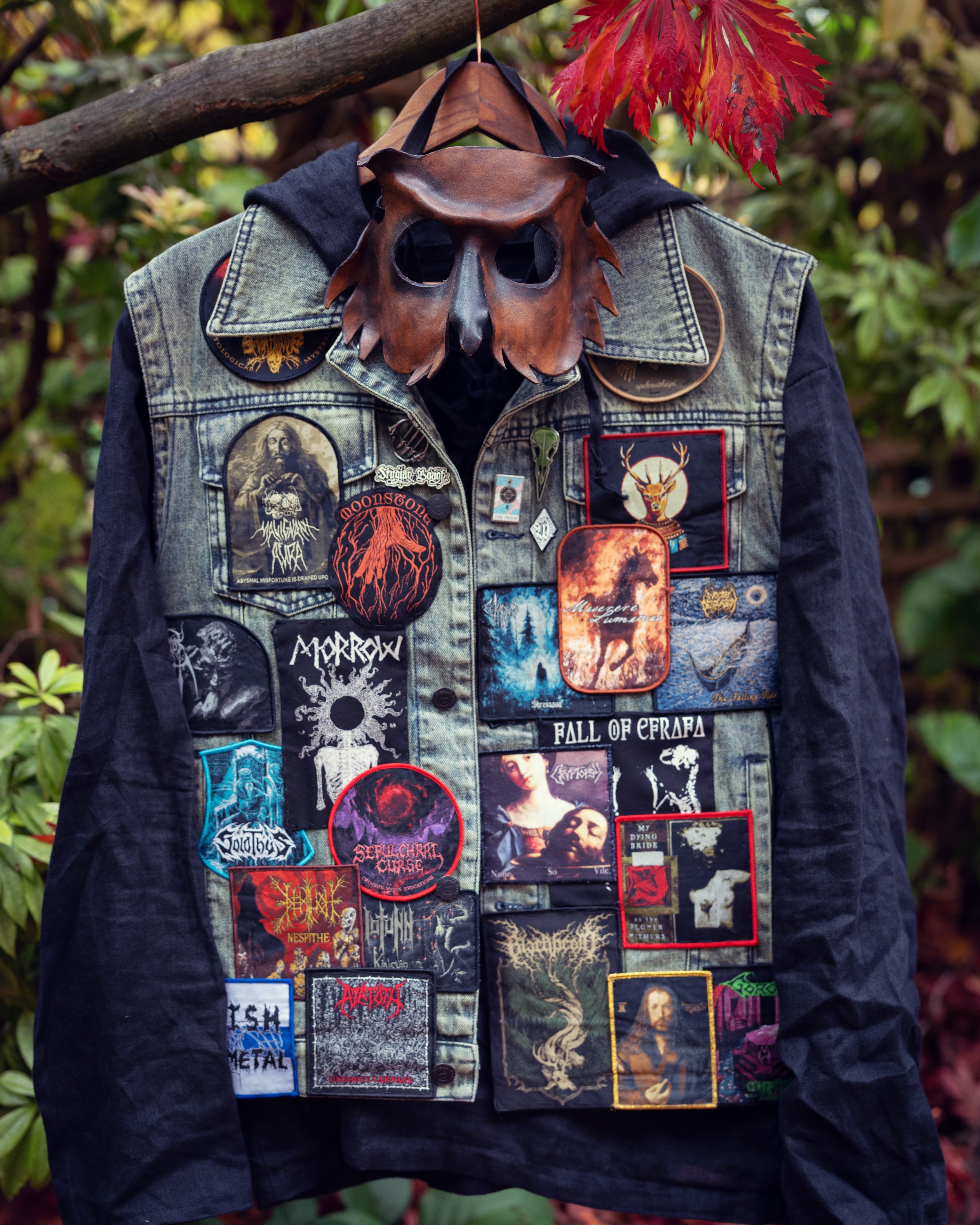
I arrived in town while the setting sun was a giving a suitably Halloweenish glow to thin Yorkshire mist. The old stone buildings in the square by the station already had a weird pumpkin-orange aura that felt at least as strange as the costumes and decorations on the bars of Kirkgate and King Street. I was dressed as a battle-vested owl with black linen cowl (the outfit below) to try and fit in with the Samhain night theme (I love the Scottish and Northern English ideas behind guising – that the reason to dress up is that the hostile creatures of faerie are out in force: you have to disguise yourself as one of them or they’ll sense you’re human and spirit you to their world). Arriving at Amped, it was clear the metalheads had the best costumes in town – carefully made witch robes, antlers, ash crowns, and corpse paint that felt so much more organic than the garish colours of the streets outside.
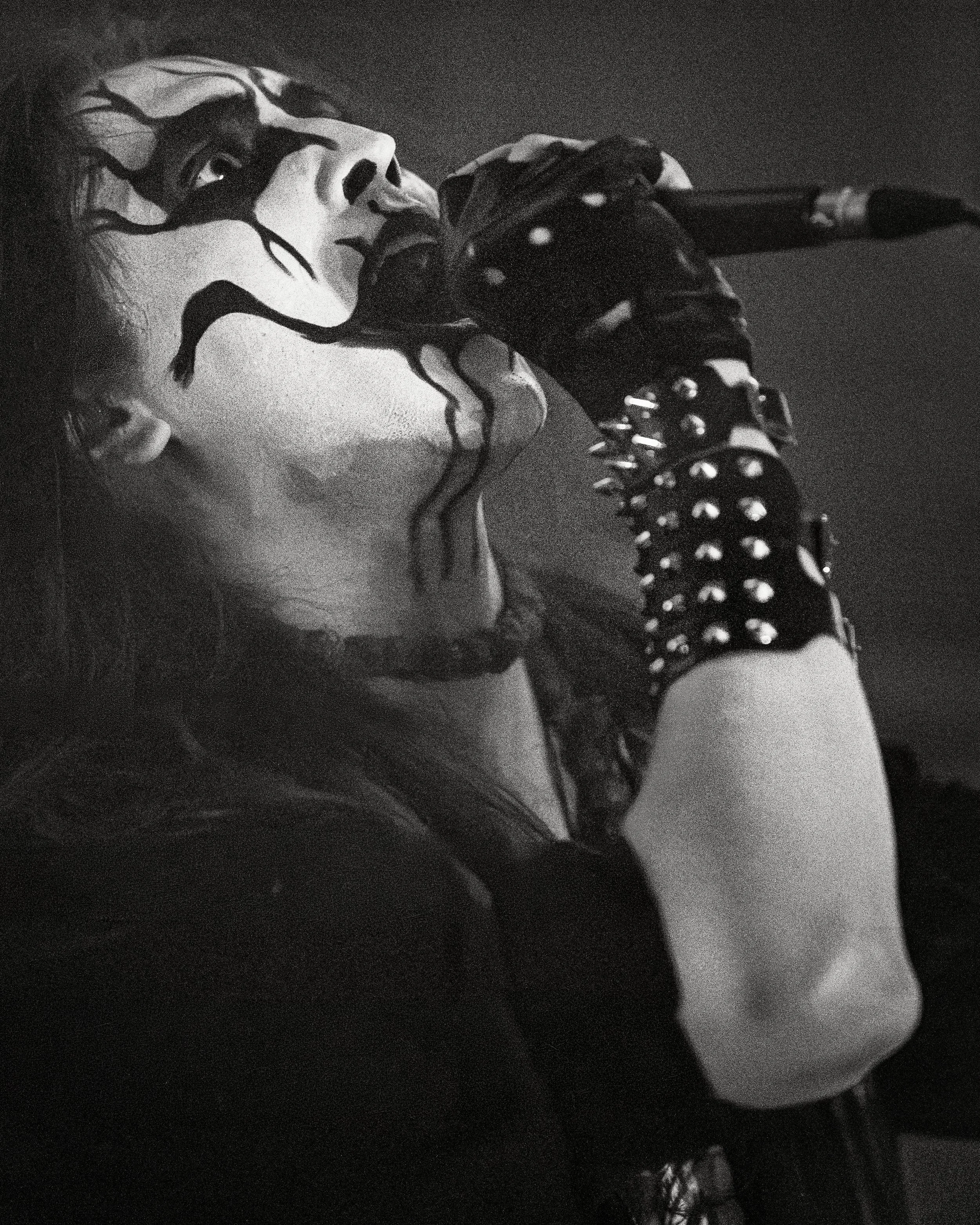
The night began with black metal from Torkage, performed in near darkness (the first two bands were only backlit by dim coloured leds – a suitably murky mood but impossible to photograph).
Old school and austere, performed in full corpse paint, Torkage set the perfect tone for the night. Their songs have titles like “The Raven and the Wolf Pup”, “Sollivagant Woods” and “The Impossible Summit”. Especially with the smoke machine billowing fog, they turned the room into a threatening upland forest in some unspecified time centuries ago.
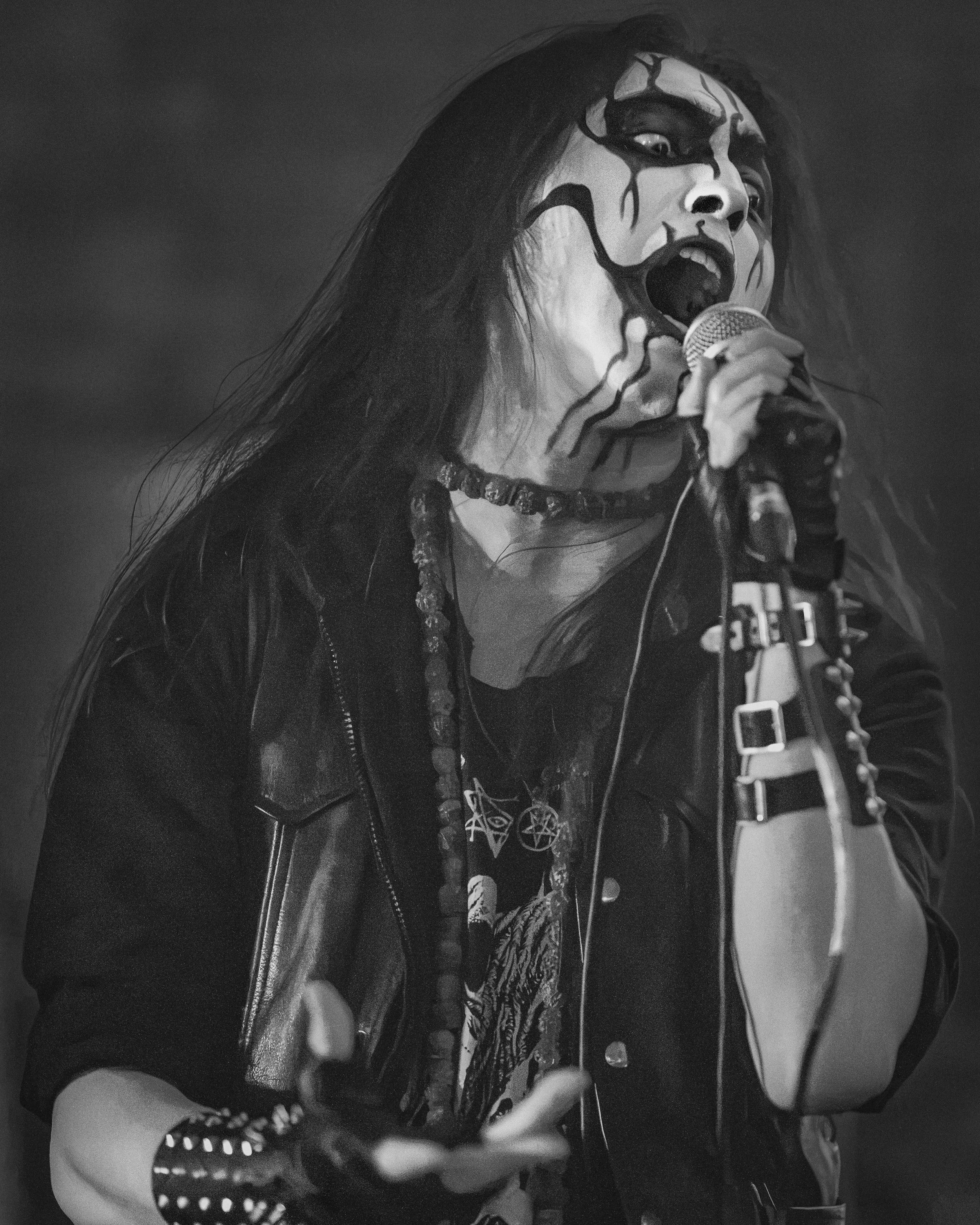
Then came Bruul, whose “aural cosmic oppression” led still further into the pit. Their ritual black metal noise – “vast, oppressive, and strangely serene” as they put it – evokes the endless cold beyond the earth’s atmosphere. Tonight, they were a three piece rather than four but still issued a wall of sound that made resisting the pull of the void impossible. Even more than with Torkage only the most lo-fi approach to photography was possible in the darkness.
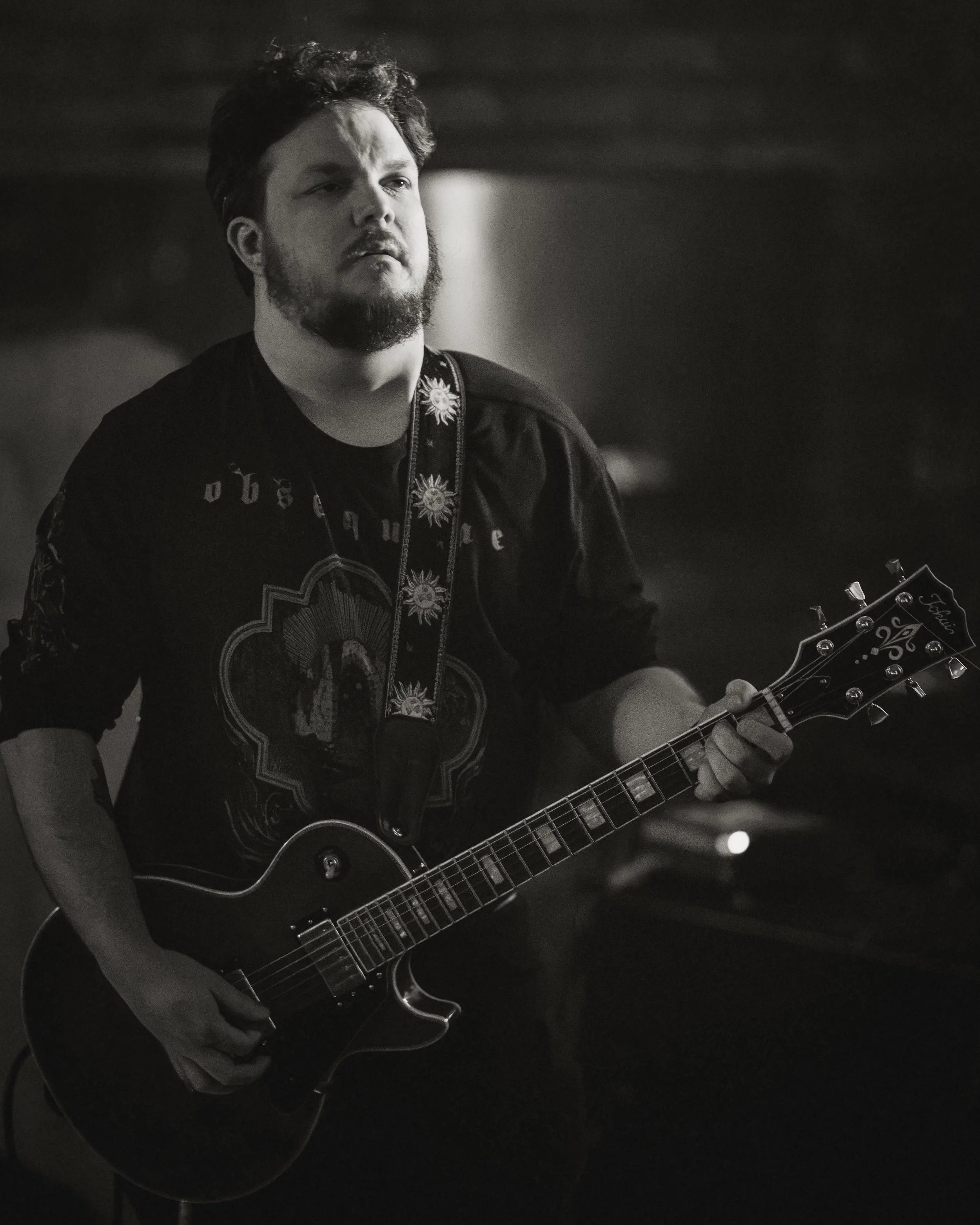
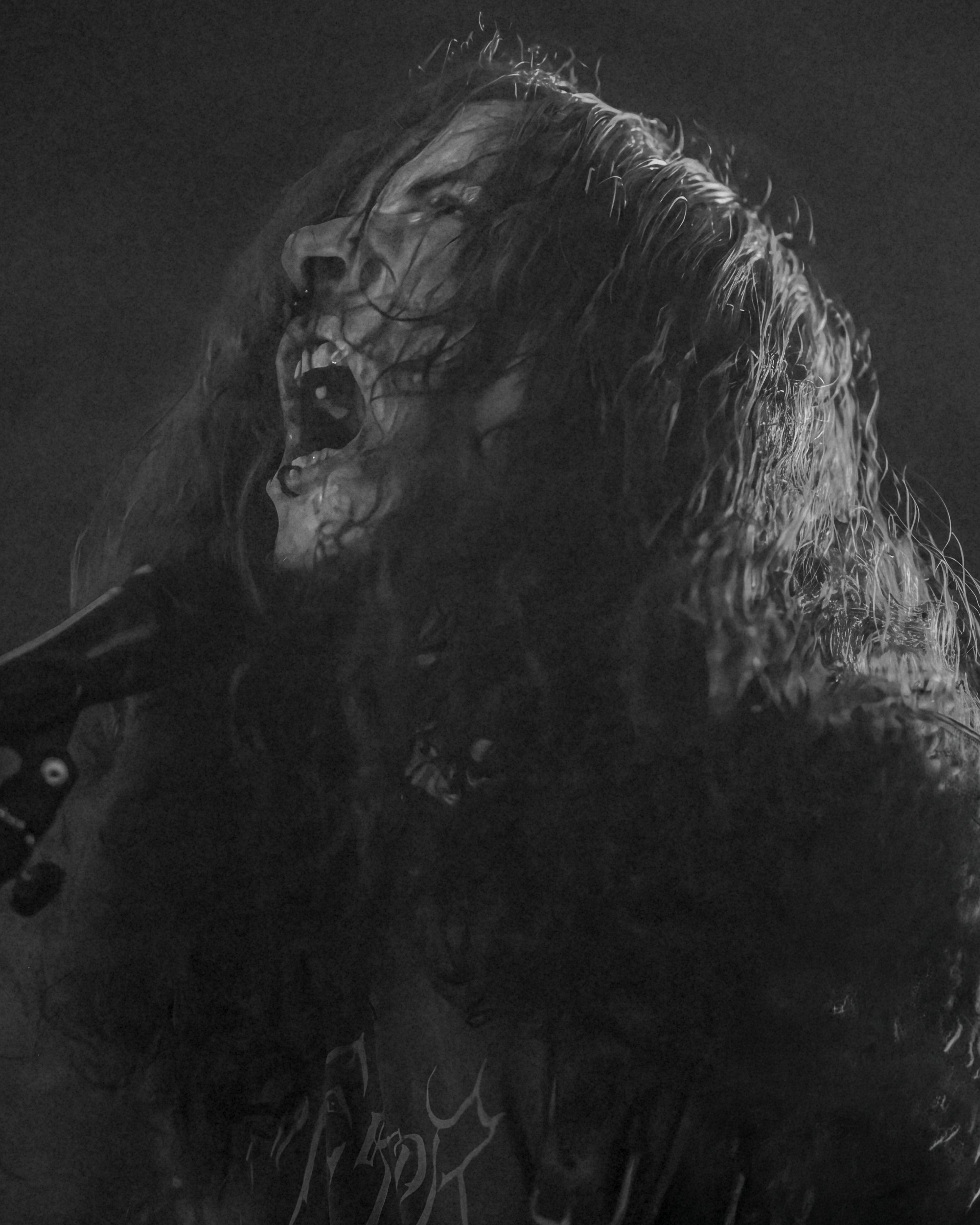
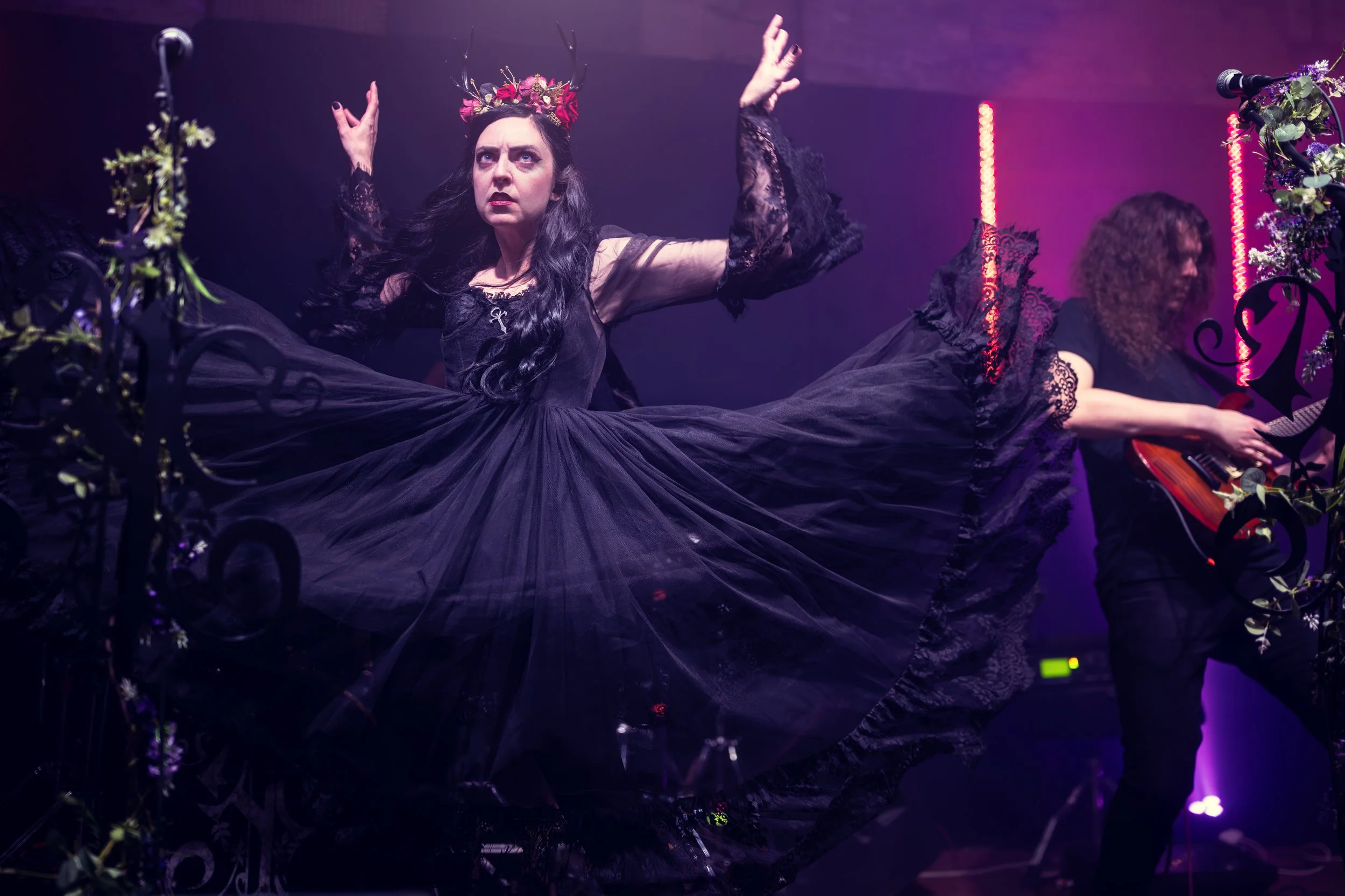
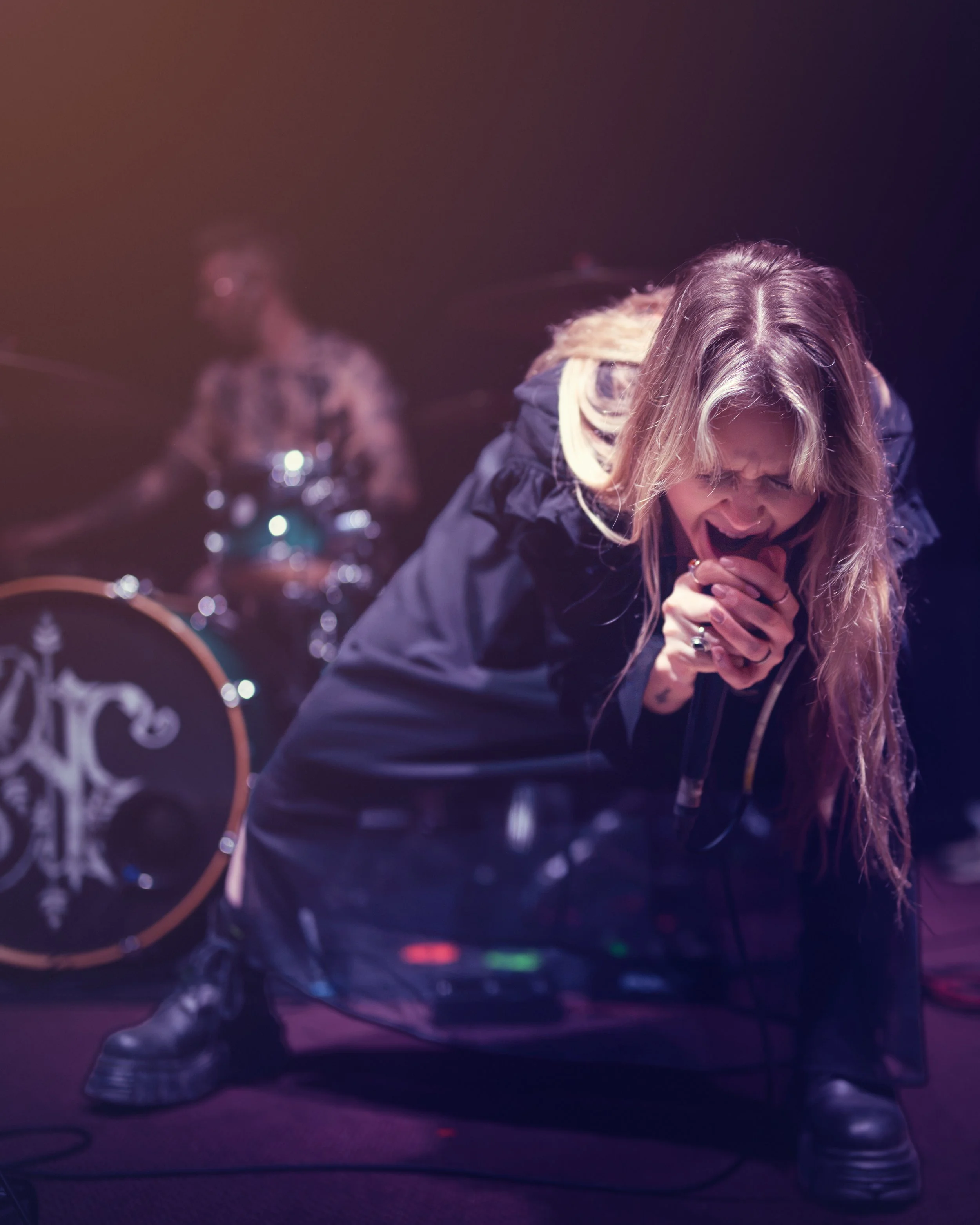
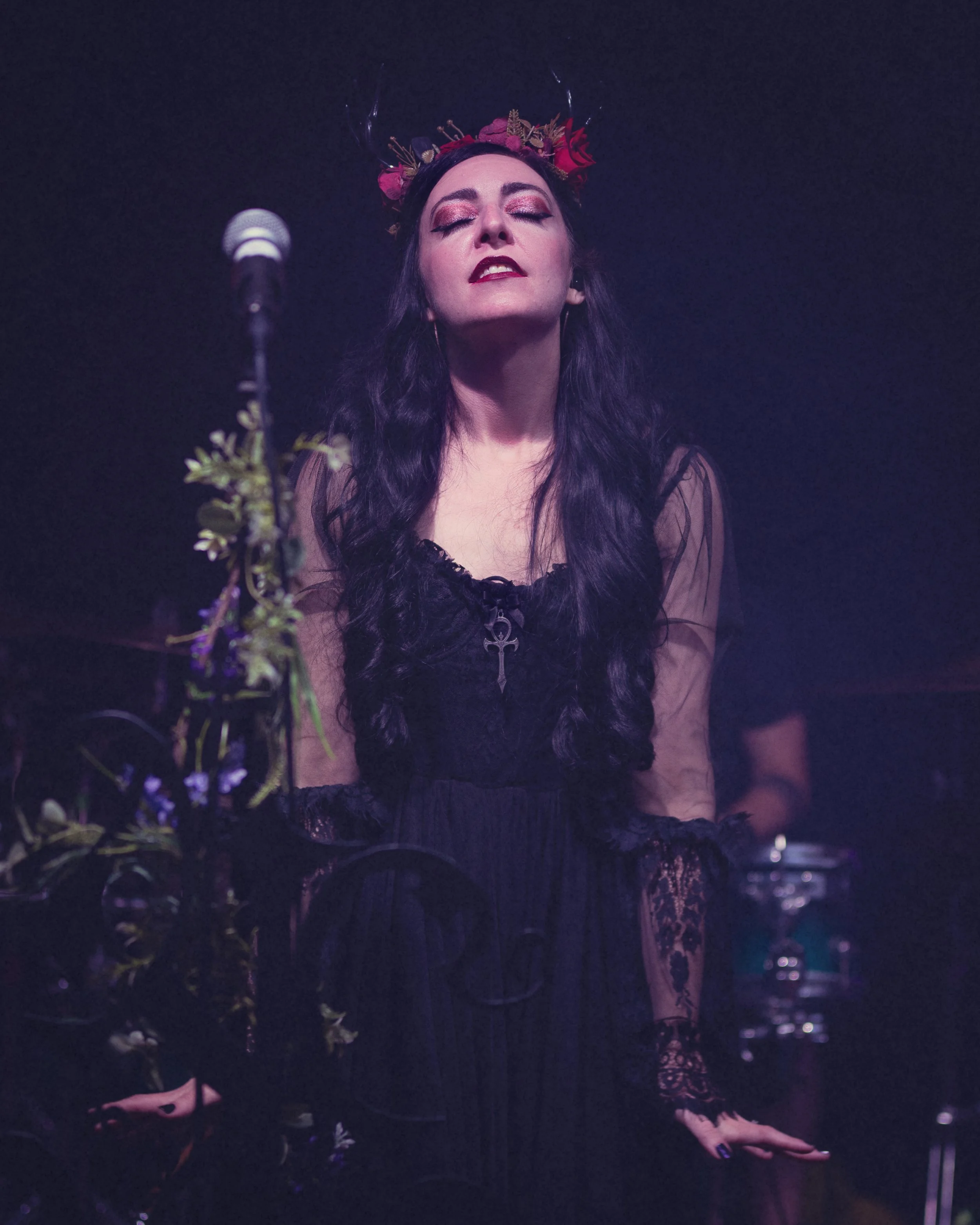
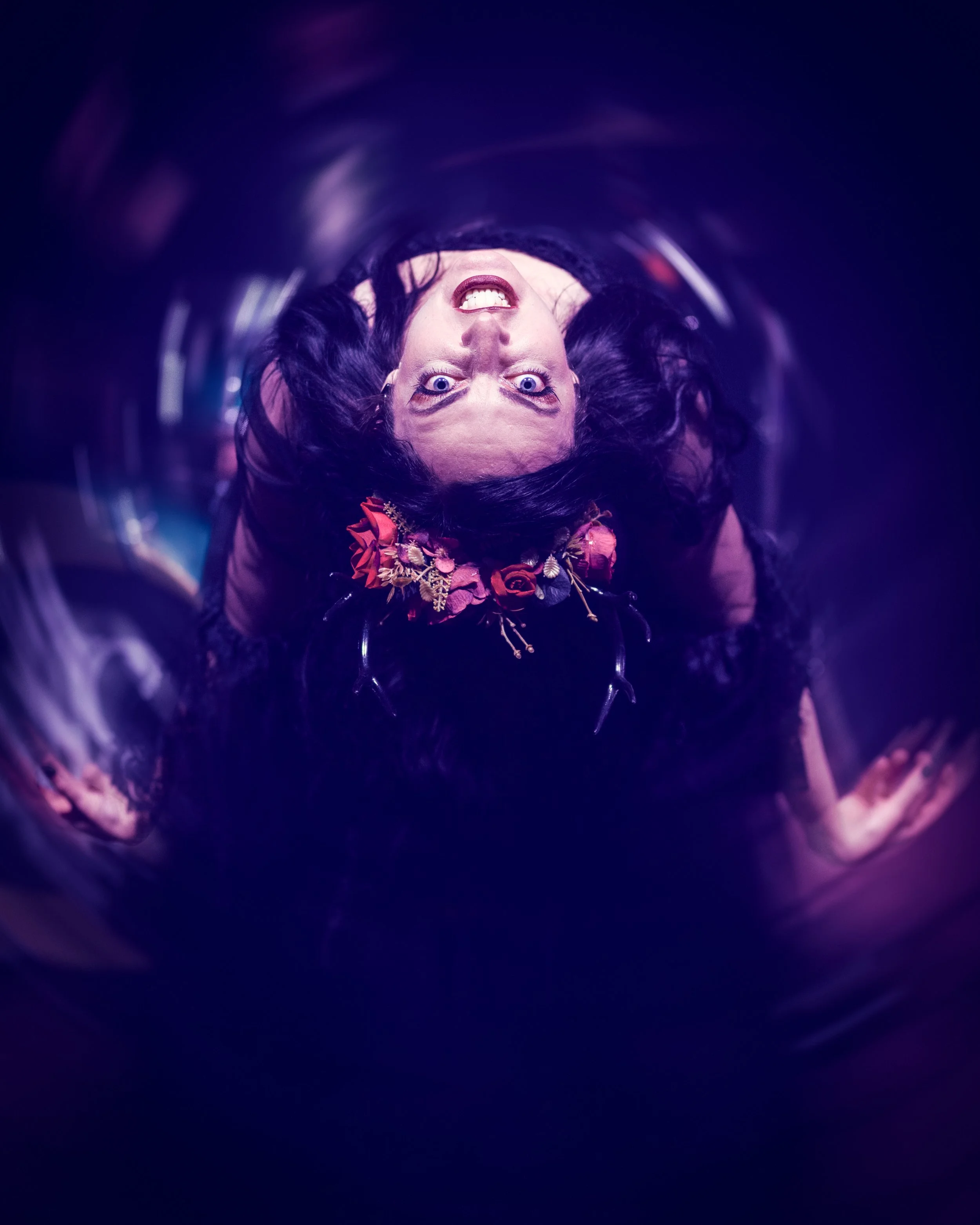
Before the event, I’d got in touch with another photographer (jdcreativespace on Instagram) in the hope he’d come along and shoot too. I was extra glad I had when he ended up having a chat with the sound/lighting guy that resulted in a couple of beautiful spot lights being used for the last two bands. Suddenly, without ruining the mood, we had ideal photography conditions just as Ael-Fierlen forested the stage.
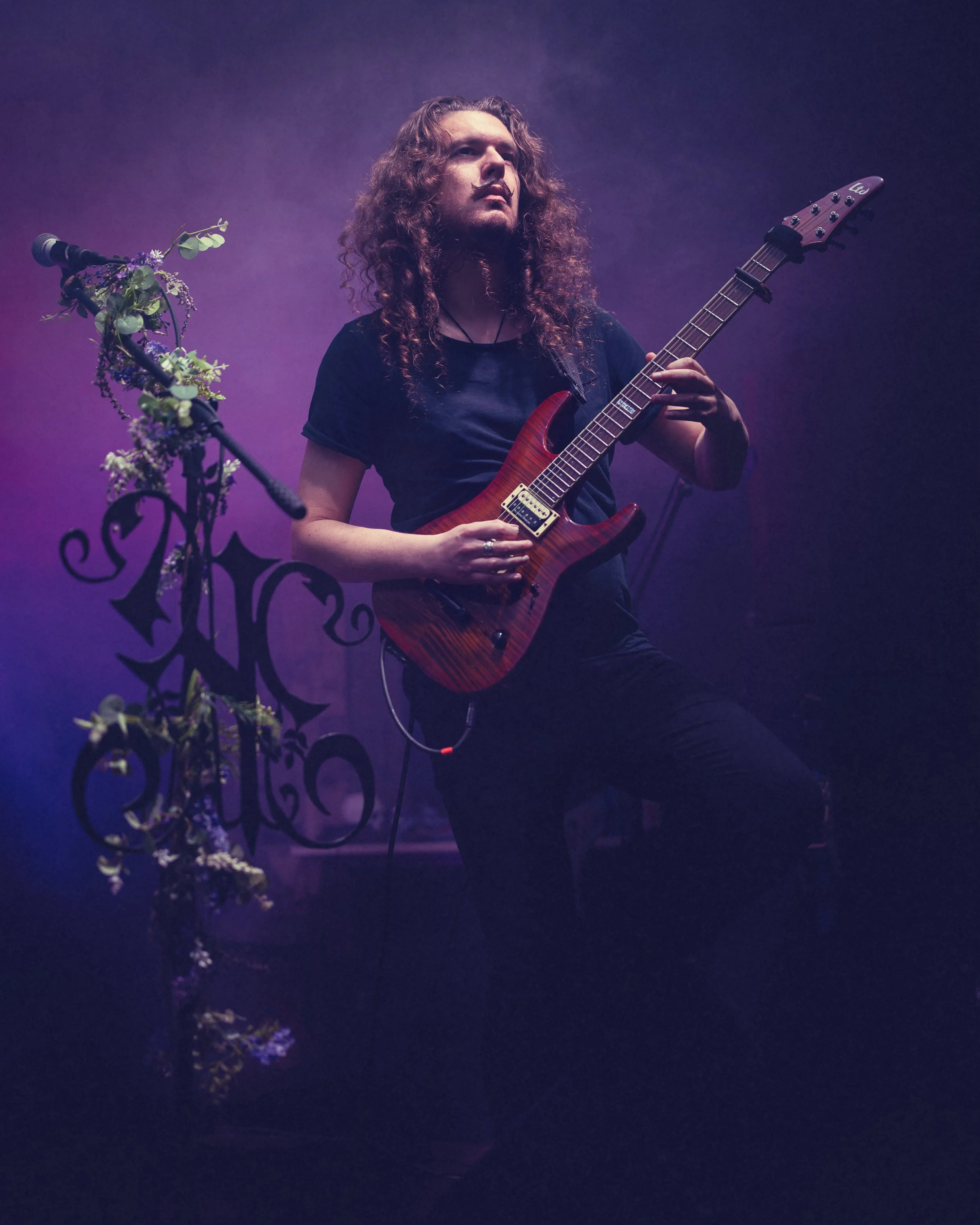
The original plan for the night – till two bands were struck by sickness – was to have Hiraeth and Helve on stage next. These bands would’ve made the move from the raw and fierce openers to the last two wildly expansive bands a little more gradual. But the sudden switch – especially because of the lighting change – did work spectacularly.
Same instruments. Same themes. Entirely different way of expressing them.
I was surprised by how heavy and gritty both the last two bands sounded live. Utterly immersive, they built ridiculously vast soundscapes into the relatively small space. Surely both will be getting greater attention on much bigger stages before long.
Ael-Fierlen play a kind of folk-tinged blackgaze, with much more crunchy distortion live than on recordings.
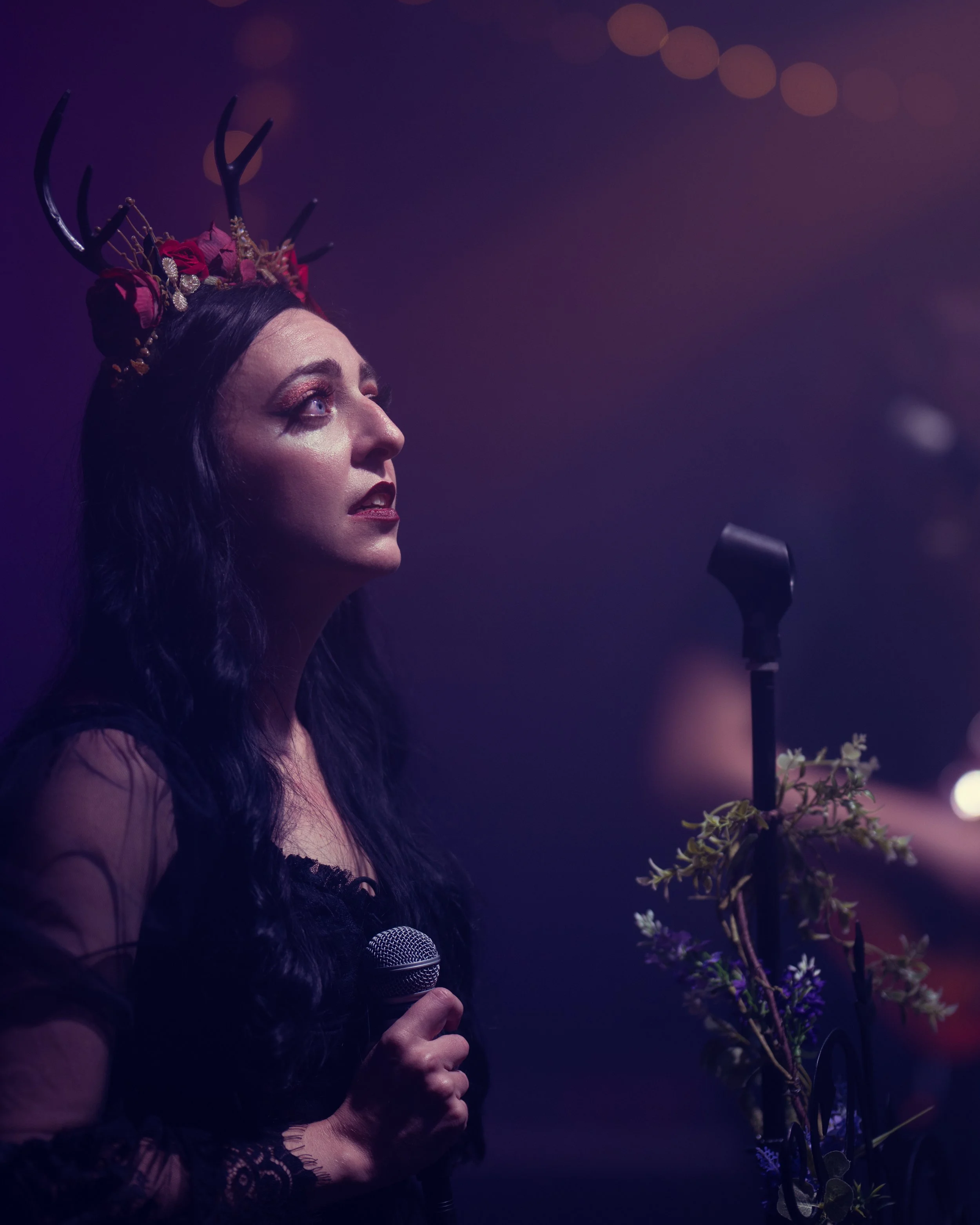
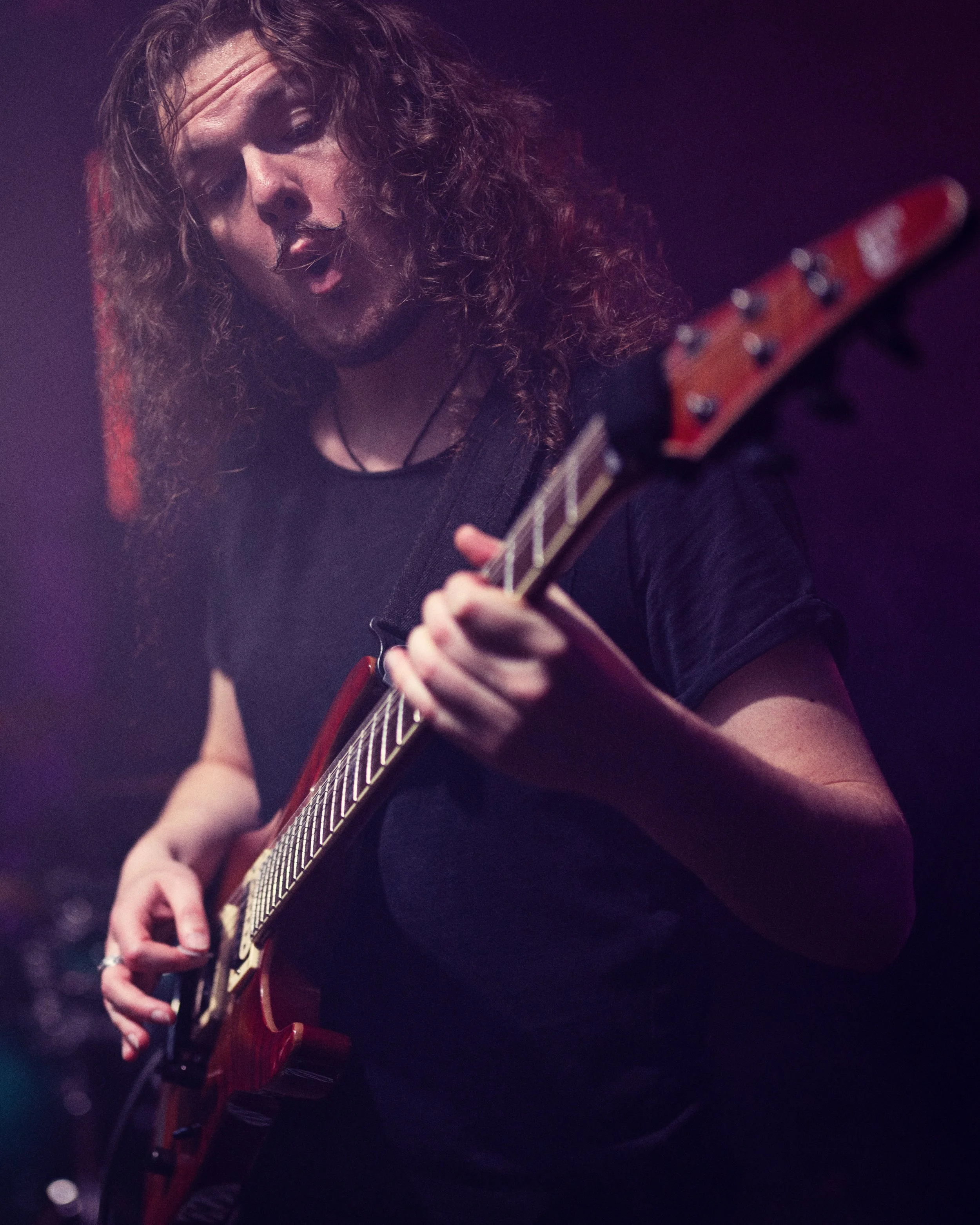
Their storytelling uses the natural world and folklore, from both Britain and the American South, to do the symbolic exploration of contemporary themes that Poison Ruïn referred to above.
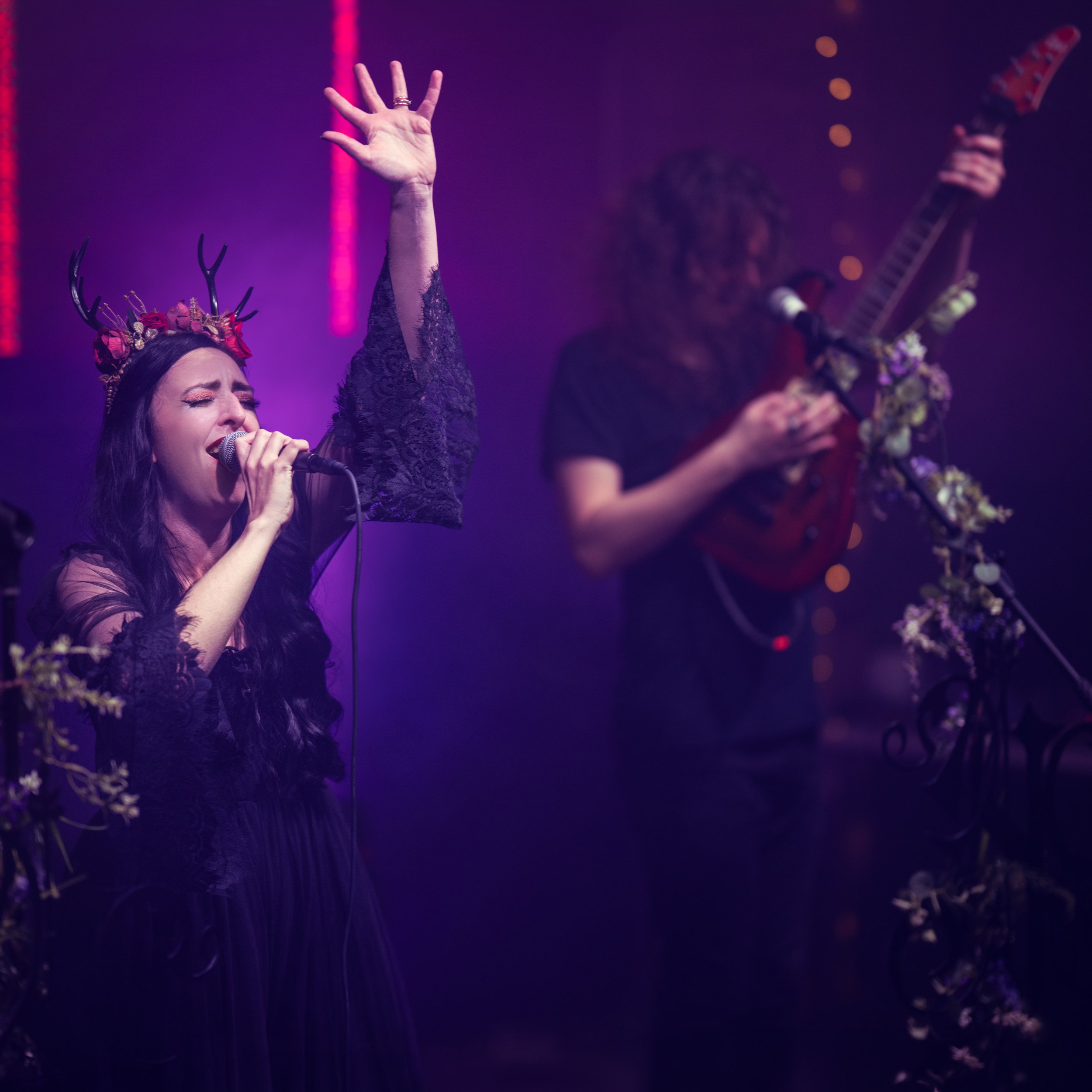
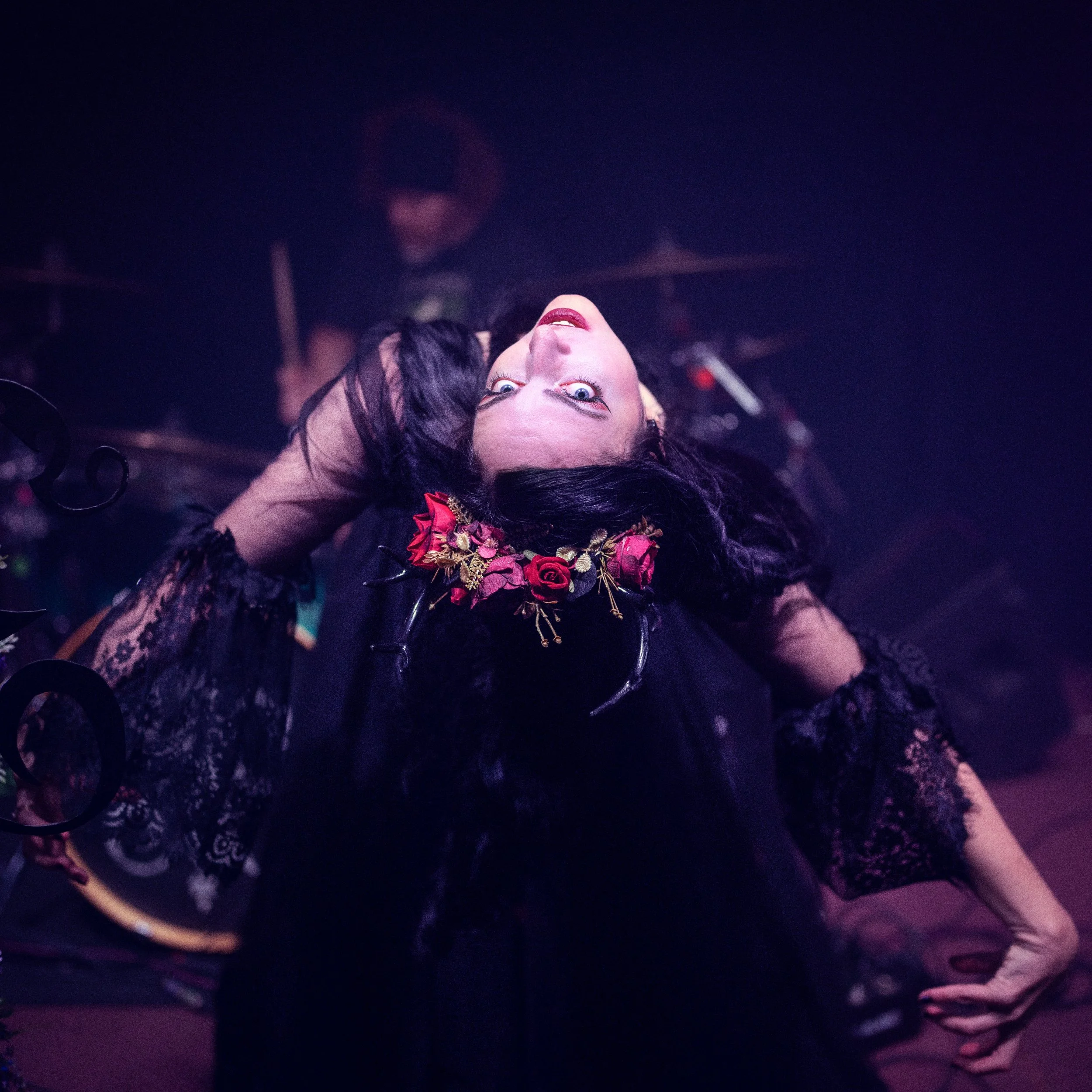
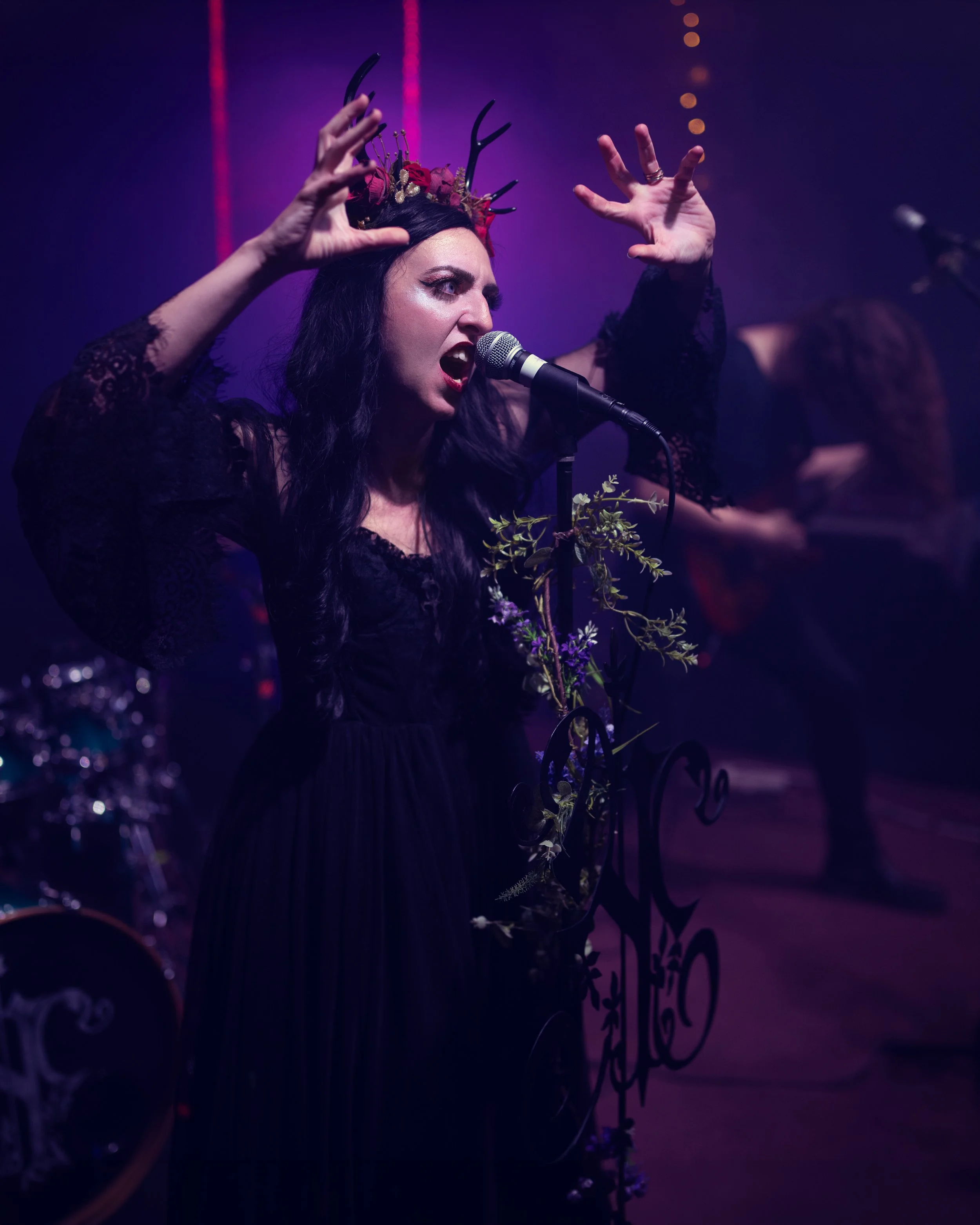
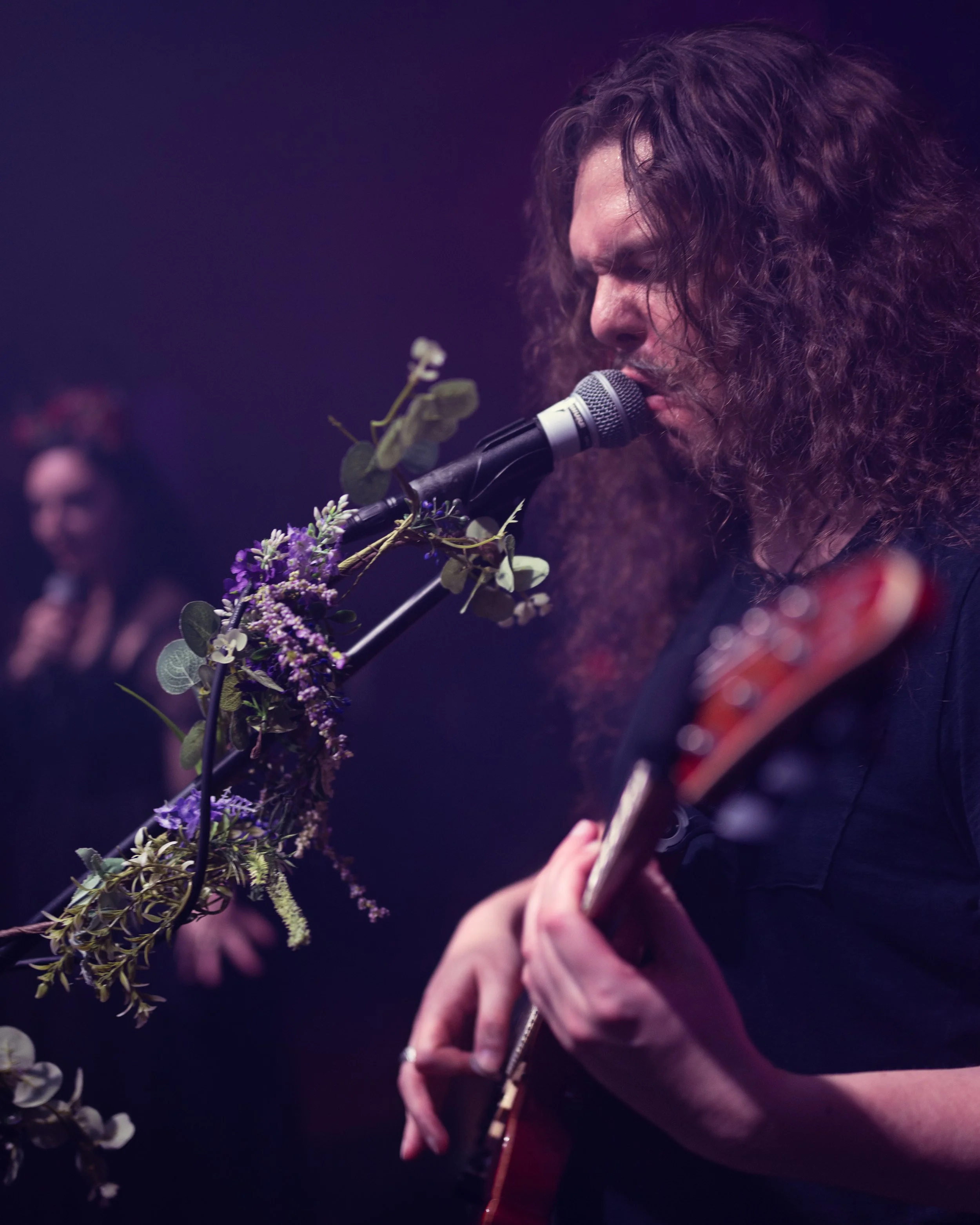
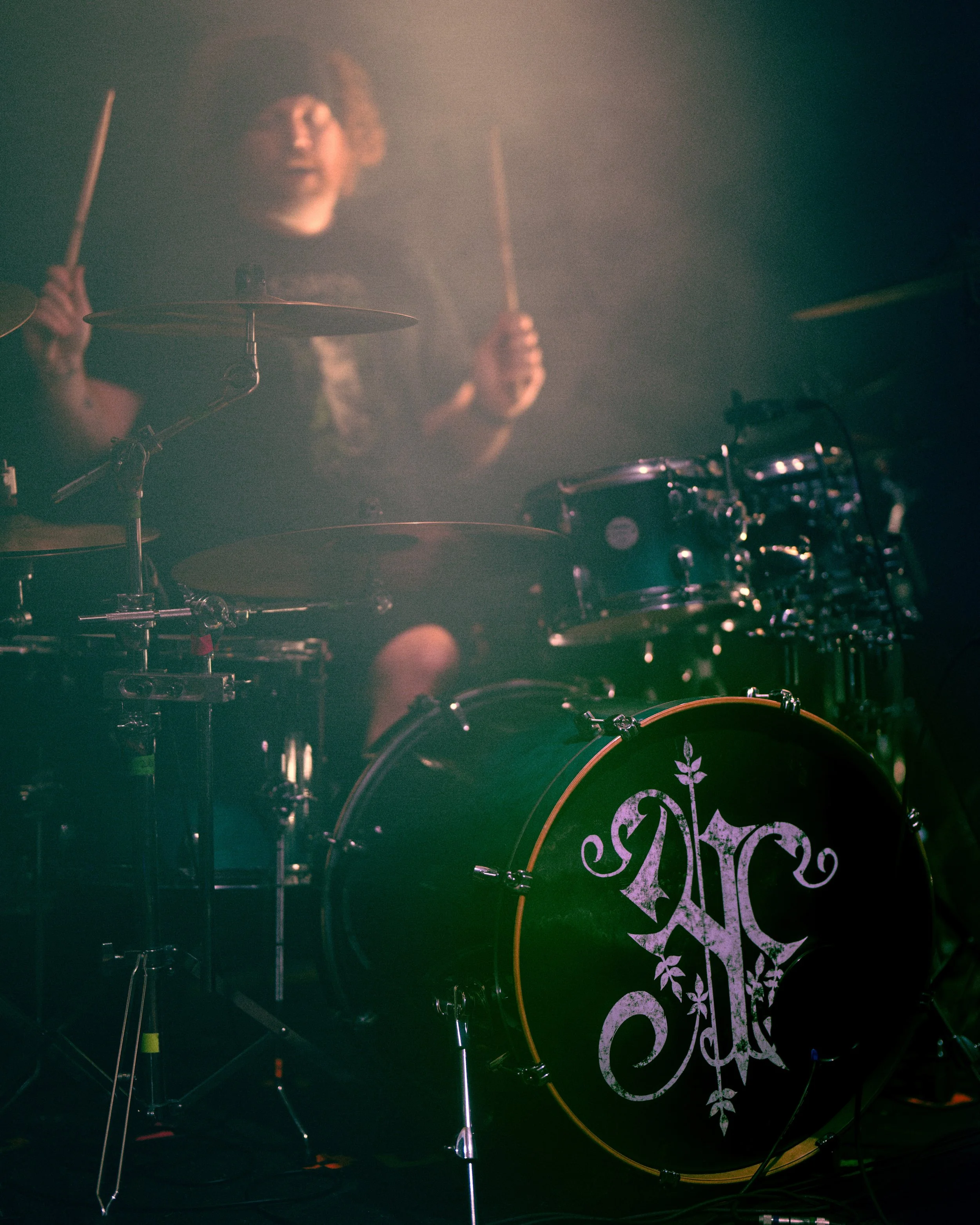
Forlorn have been described with terms like “folk horror” and “Midsommar metal”.
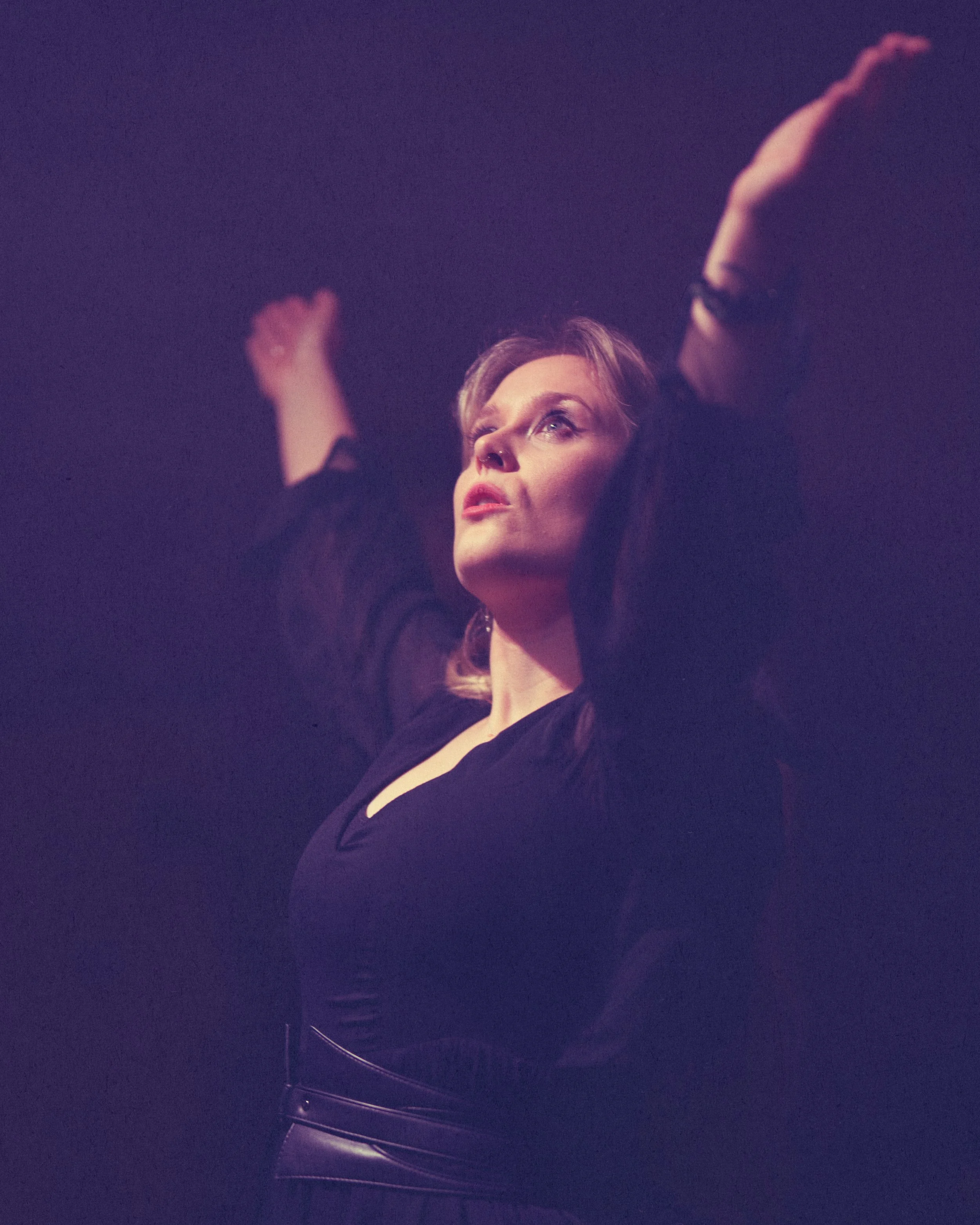
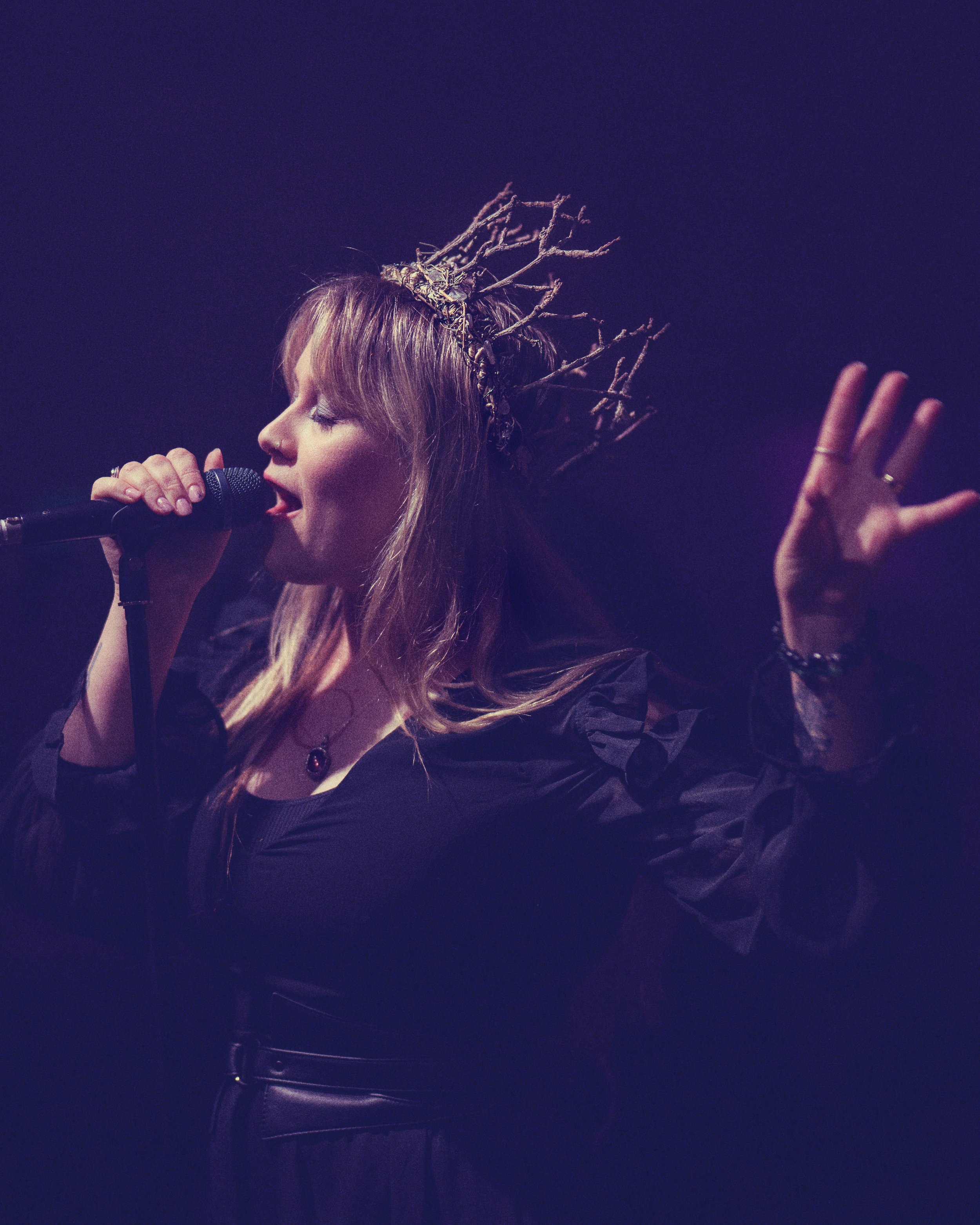
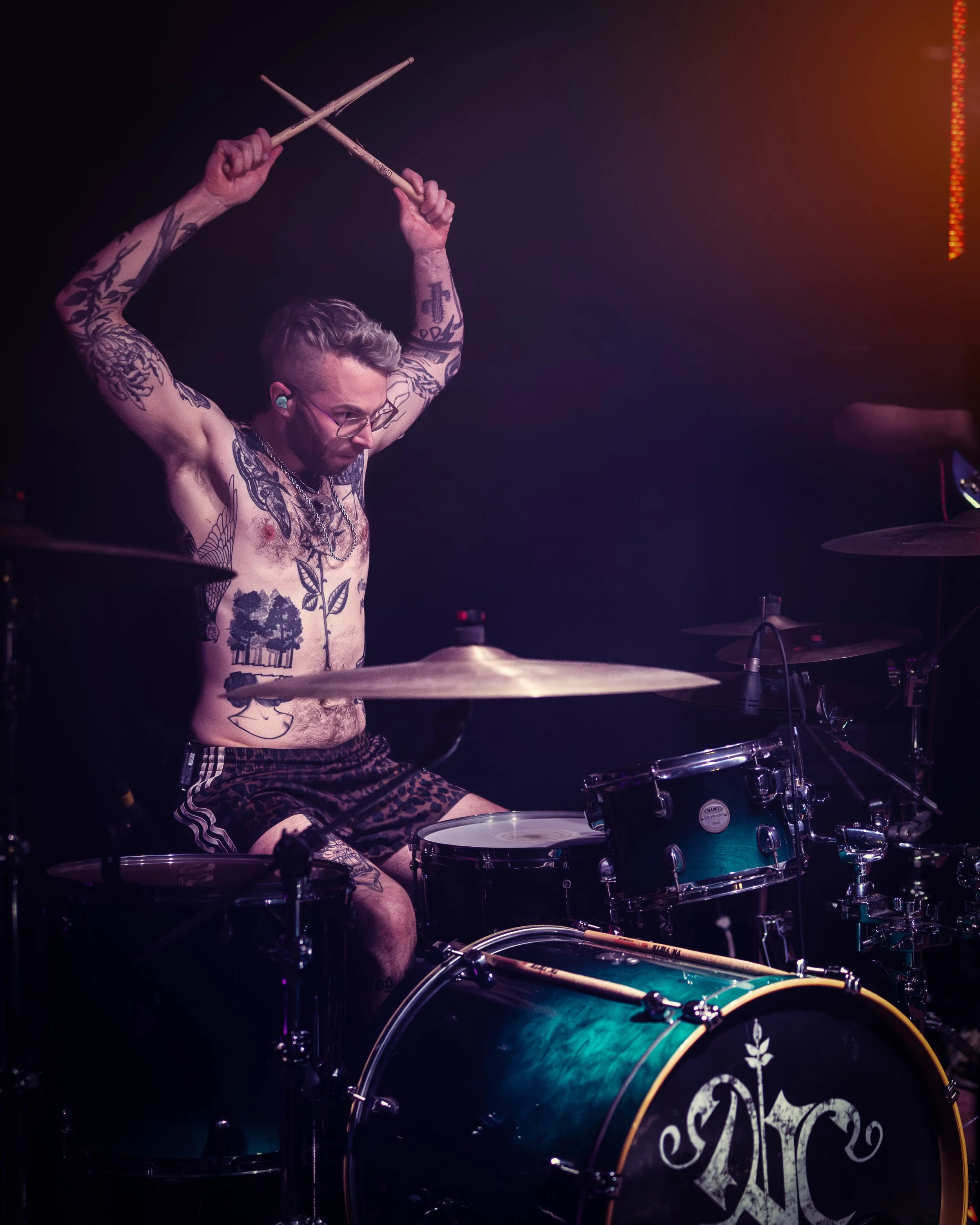
Their imagery is megaliths and arcane symbols and their songs are about ancient matriarchs and survival in harsh landscapes. For evidence of commitment to the nature aesthetic, look no further than the drummer’s tattoos.
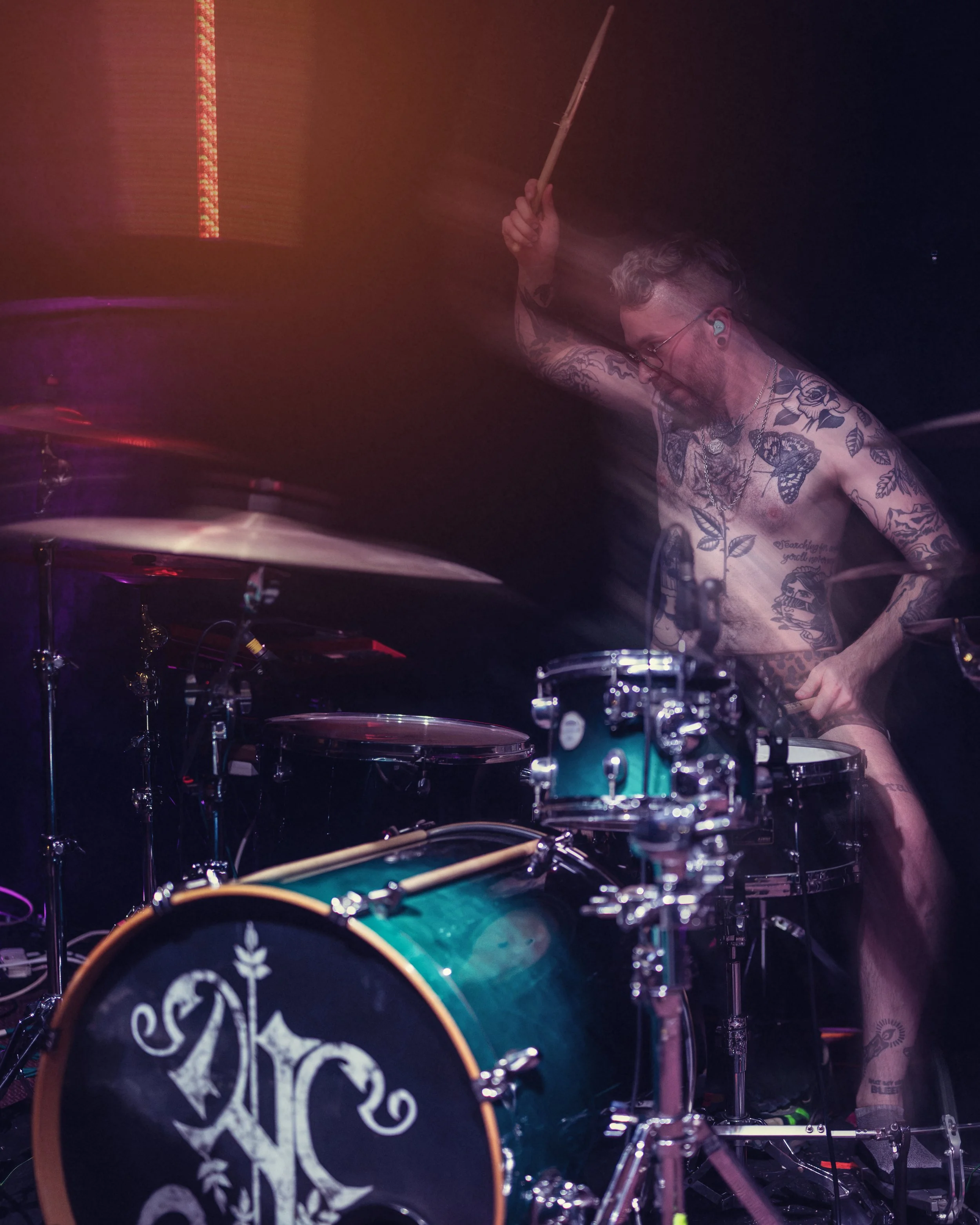
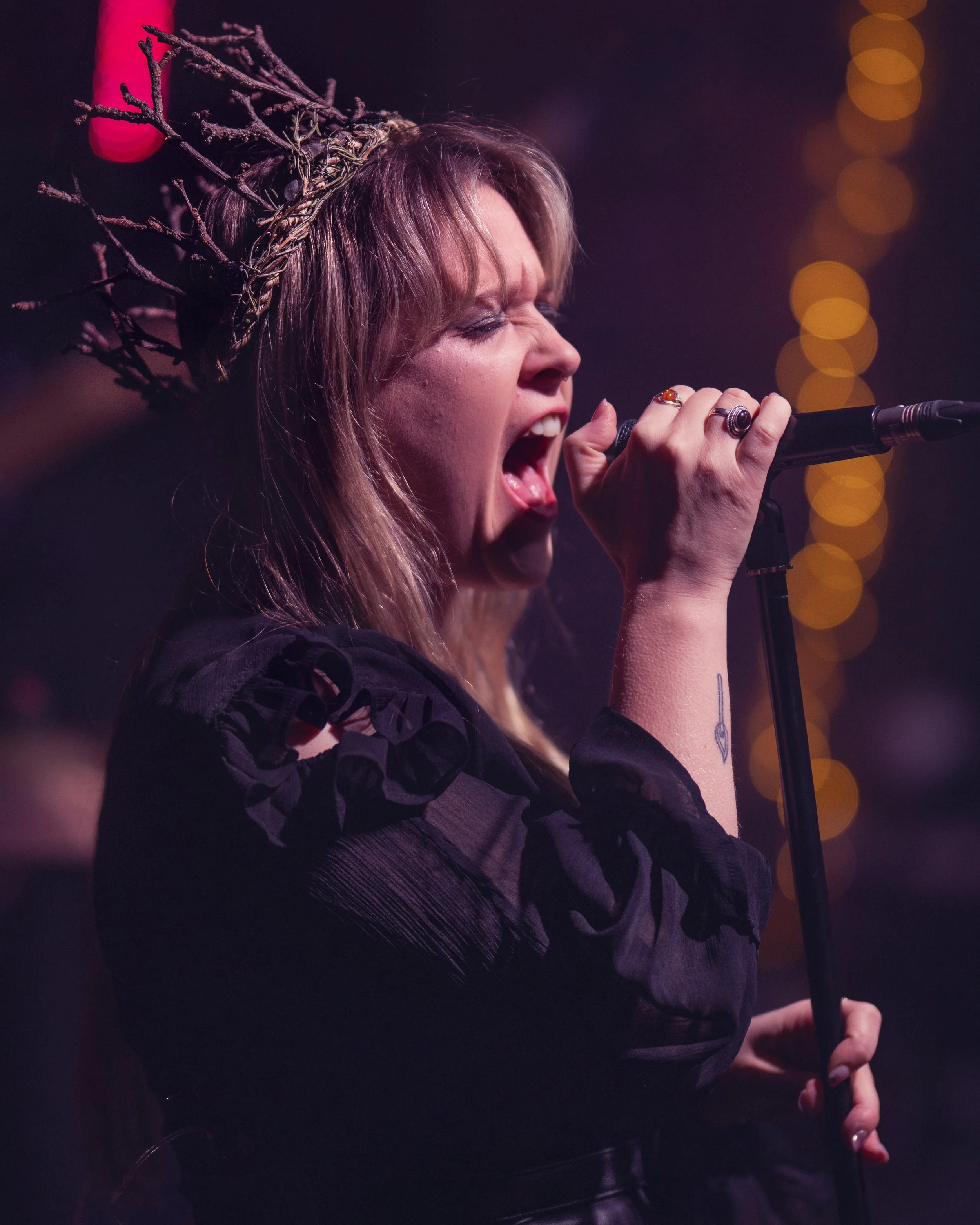
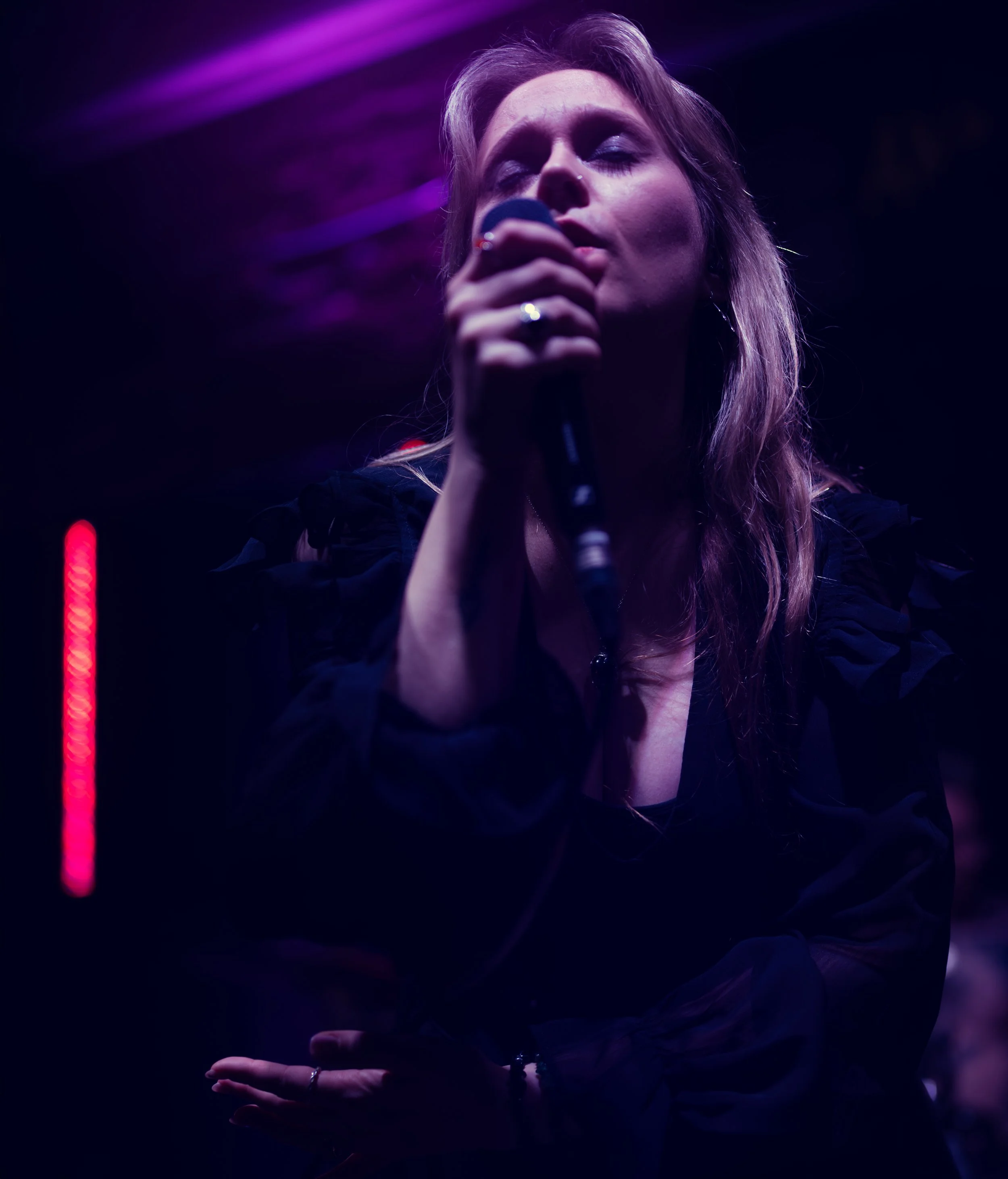
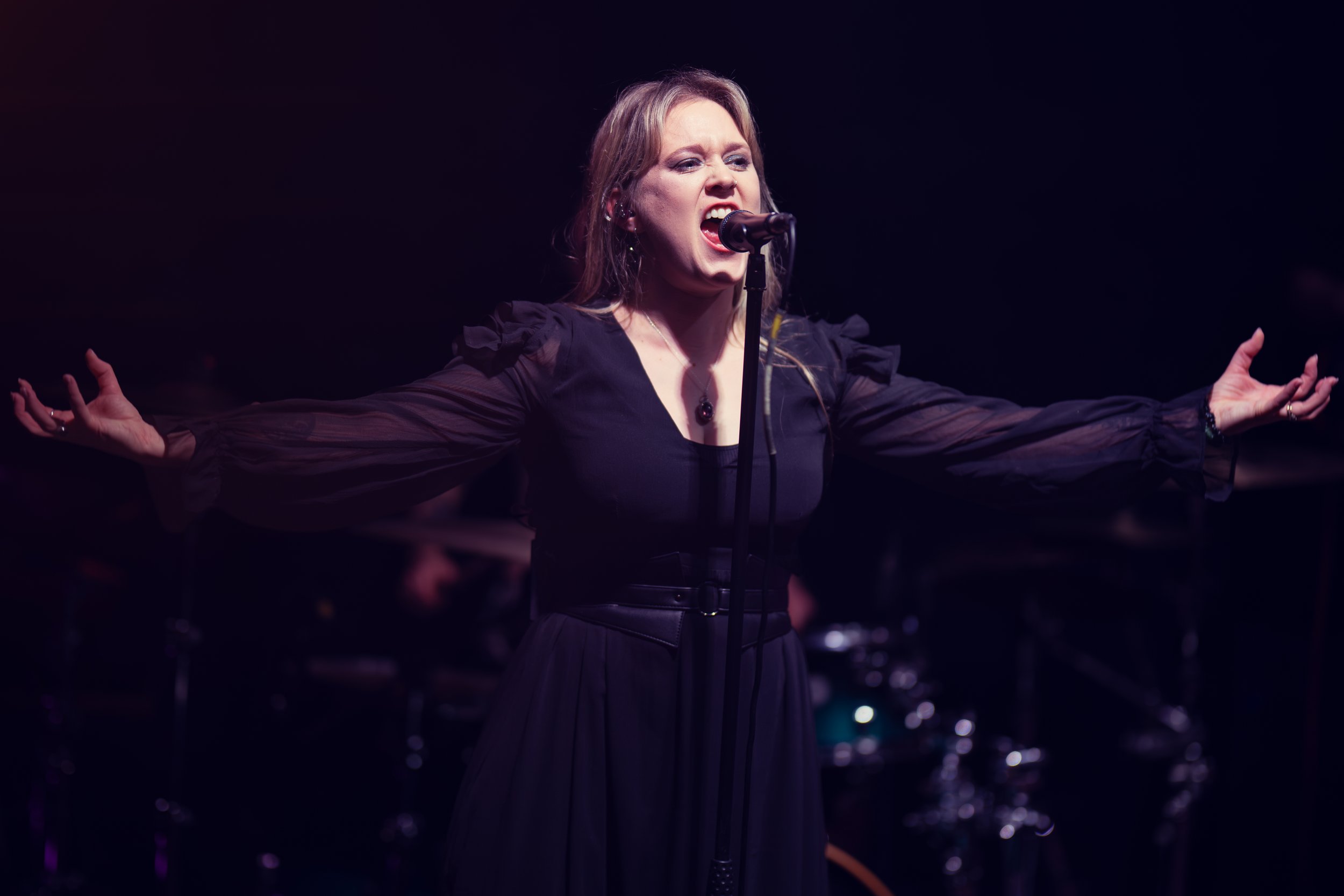
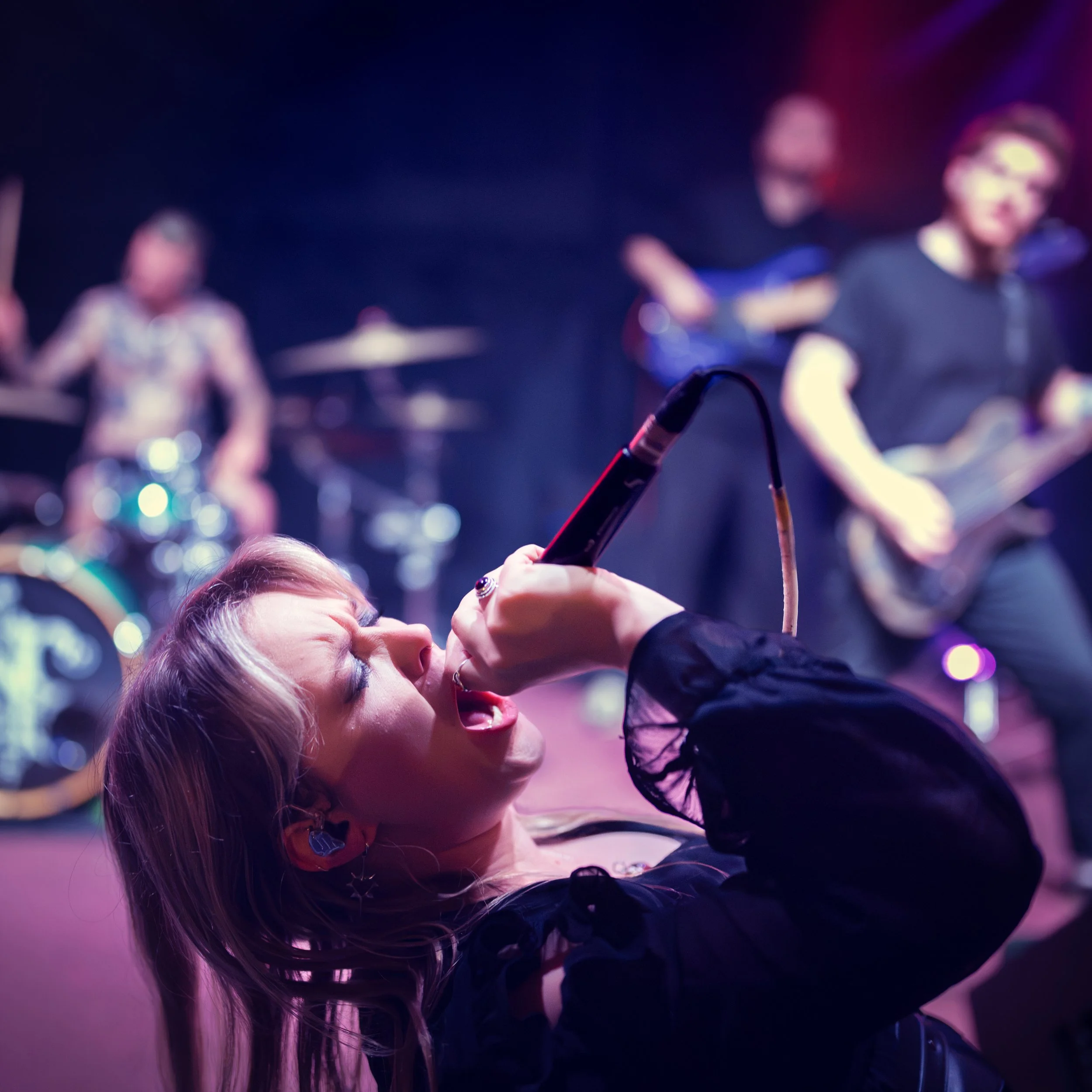
This was the first time I’ve been able to make it to one of Hollow Sun’s shows (and I’m now going to have serious regrets every time there’s one I can’t travel from Birmingham to get to). The promoter describes Nature’s Descent as a journey into the dark “through folklore and atmosphere”: the autumnal aspect of a larger cycle called The Turning.
Throughout the year, The Turning features line-ups attuning metal to the changing seasons, locking crowds into the moods and meanings of each shift in weather, landscape, and folklore. Featuring bands like Birdwitch and Darkher, as well as legends including Aaron Stainthorpe, this promises to be one of the natural wonders of the metal world and I hope enough crowds turn out for it to guarantee it grows year on year.
In one of the classic texts on music and society, Noise: The Political Economy of Music, Jaques Attali showed how music has acted, for centuries, as an active precursor and prophetic indicator of social changes that aren’t yet visible elsewhere (this anticipatory element, he argues, is why new musical directions so often sound like noise to people unprepared for them). Attali wrote about the shift in the late medieval period from music as lived by everyone (the tradition of the wandering joncleur performing for all classes) to music as performed for elites (the settled minstrel paid by lords). In a recent bandcamp article (and playlist), called Return of the Dark Ages: Rise of the Medieval Underground, Christian Askin argued that we’re seeing the reversal of process from that time:
Even as we await passage into a second Dark Ages - complete with a feudal economy, private citadels of elites, freelance troubadours, a rise in cultural tribalism, and the anxieties that accompany the collapse of a Great Pax - artists and musicians are appropriating that period’s look and lore… What the modern hellscape is revealing is that we are not just participating in medieval fantasies, but entering new medieval realities. That distinction is what makes this recent rise of underground medieval music so interesting. It’s not just big-budget dress up. Artists are sticking their hands into the proverbial muck to re-fashion ancestral folk, invent syncretic mythologies, and tinker with mechanical music objects that give this medieval subculture a new level of sincerity and appeal.
Askin doesn’t reference much metal, but metal is absolutely at the forefront of these things - uniquely equipped to process the fucked up world we live in and the other worlds we could still build. The standing stones, folk tales, cosmic horror, and forest lore of the Samhain bands all give us ways to see the present as if from outside - anachronisms in our time. When the crowd poured out of Amped, the streets of Huddersfield were in the mode of medieval carnivalesque and late night chaos that Northern towns (like the one I grew up in, forty miles from here) do better than anywhere else I know. Long may Hollow Sun turn our autumns darker than West-Yorkshire winter nights.